
如何进行容忍中断:重置您的大麻敏感性

Sarah Green
Cannabis Educator
如何进行容忍中断:重置您的大麻敏感性
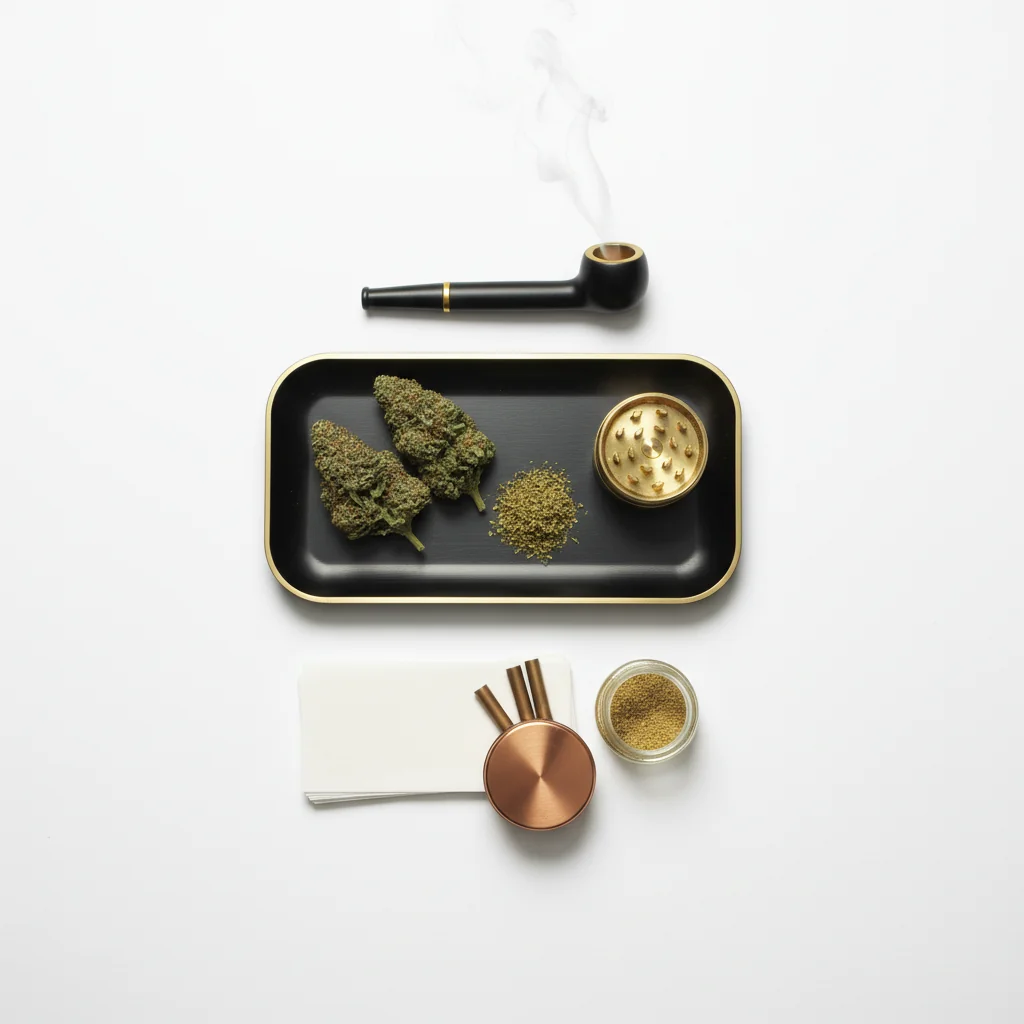
如果您一直在使用大麻并注意到您需要更多才能达到相同的效果,那么可能是时候休息一下了。 也被称为“T-break”,这种故意停顿大麻的消费使您的身体能够重置其对大麻的敏感性,最终使您的大麻更有效,并可能为您节省资金。
本指南将介绍您需要了解的有关容忍中断的所有信息,包括它们的工作原因、它们应该持续多长时间、在此过程中会发生什么以及让您的休息时间尽可能舒适。
目录
- 快速回答
- 什么是大麻耐受性?
- 迹象表明您需要容差中断
- 你的休息时间应该持续多长时间?
- 在你休息期间会发生什么
- 成功容忍中断的秘诀
- 管理戒断症状
- 打破你的休息:回来
- 完全容差中断的替代方案
- 定论
- 常见问题
快速回答
2-4 周的耐受性中断使您的 CB1 受体恢复到基线敏感性。 大多数人在 48-72 小时后注意到显着降低了耐受性,在第 21-28 天左右发生了完全受体重置。 在休息期间,保持活跃,保持水分并考虑CBD以缓解过渡。
什么是大麻耐受性?
当您的内源性大麻素系统适应定期 THC 暴露时,就会产生耐受性大麻的作用。 具体来说,THC 与之结合的 CB1 受体随着时间的推移变得不那么敏感。 这意味着您需要逐渐增加更多的大麻才能达到您曾经从较少量获得的相同效果。
容忍如何发展
当你经常食用THC时,你的大脑会做出反应:
1. 降低受体灵敏度- CB1受体对THC的反应较少
2. 降低受体密度- 你的大脑实际上减少了CB1受体的数量
3. 改变内部信号- 对大麻素有反应的细胞途径变得不那么有效
好消息是这个过程是可逆的。 当您停止食用 THC 时,您的内源性大麻素系统会逐渐恢复到其基线状态。
公差时间线
迹象表明您需要容差中断
您使用的比以前更多
最明显的容忍迹象是需要更大的量来感受效果。 如果您的消费量随着时间的推移增加了翻倍或三倍,您的耐受性可能会显着增加。
效果感觉减弱
即使在更高的剂量下,这种体验也可能比以前感觉不那么强烈、更短或更不愉快。
你花了更多的钱
增加消费意味着增加成本。 如果您的大麻预算显着增长,容忍中断可以帮助您重置基线并长期节省资金。
大麻感觉很常规而不是特别
当大麻变得纯粹是习惯性的而不是令人愉快的或治疗性的时,休息可以帮助您恢复对其效果的欣赏。
你想要更强的药用益处
医学用户有时会发现耐受性会降低他们所依赖的治疗益处。 容忍中断可以帮助恢复疼痛缓解、睡眠或焦虑管理的有效性。
你的休息时间应该持续多长时间?
基于科学的时间线
对CB1受体恢复的研究表明以下时间表:
48-72小时:初始受体敏感性开始恢复。 许多人在仅仅 2-3 天后就注意到了一些差异。
1 周:发生显着的受体上调。 大多数普通用户会注意到有意义的容差减少。
2 周:普通用户的实质性恢复。 这通常是平衡有效性与休息时间的最佳地点。
3-4 周:近乎完全的受体重置。 重度日常用户通常需要此持续时间来完全耐受。
4个多周: 收益递减。 大多数受体恢复发生在第一个月。
推荐的断裂长度
在你休息期间会发生什么
第 1-3 天:调整期
最初的几天通常是最具挑战性的。 您可能会体验到:
- 睡眠困难:没有大麻就睡着了,你可能会做生动的梦
- 过敏性: 有些情绪波动是正常的
- 食欲下降:特别是如果你通常在食用大麻后吃东西
- 轻微的焦虑:特别是如果您使用大麻进行焦虑管理
这些症状通常是轻微的和暂时的。 它们是您的身体正在重新调整的迹象,并不是任何有问题的迹象。
第 4-7 天:稳定
大多数急性症状在此期间开始消退。 您可能会注意到:
- 睡眠模式开始正常化
- 情绪稳定
- 食欲恢复到基线
- 提高精神清晰度
第 2 周及以后:新常态
到第二周,大多数人感觉完全正常。 您甚至可能会注意到一些好处:
- 更生动的梦(REM睡眠反弹)
- 更清晰的思维
- 更一致的能量水平
- 欣赏自然情绪状态
成功容忍中断的秘诀
提前计划
选择一个压力源较少的时间,而大麻对您的社交计划来说并不是核心。 例如,在假期期间开始休息可能比在高压力工作期间更容易。
移除诱惑
将您的大麻和配件存放在看不见的地方,或者将它们交给值得信赖的朋友。 随时可用供应使破碎更具挑战性。
保持活跃
运动自然释放内源性大麻素,有助于缓解过渡。 即使是像步行这样的轻度活动也会对您的感觉产生重大影响。
优先考虑睡眠卫生
由于在T型休息期间睡眠中断很常见:
- 保持一致的睡眠时间表
- 睡前避开屏风
- 让你的卧室保持凉爽和黑暗
- 考虑前几个晚上的褪黑激素
- 尝试深呼吸等放松技巧
保持水分和吃得好
适当的营养和水分支持身体的自然调整过程。 专注于全食,避免过量的咖啡因或酒精。
寻找替代活动
确定您通常与大麻配对的活动并寻找替代方案:
- 如果您在电影前吸烟,请尝试引人入胜的新系列
- 如果您在饭前吸烟,请尝试新食谱
- 如果您在社交场合吸烟,建议与朋友一起进行其他活动
使用 CBD 产品
CBD 不会像 THC 那样引起耐受性问题,它可以帮助缓解一些过渡症状。 考虑CBD油,食材,或在休息时开花。
管理戒断症状
大麻戒断是真实的,但与其他物质相比通常是温和的。 下面是如何管理常见症状:
睡眠问题
- 中午后避免咖啡因
- 一天早些时候锻炼(不在睡前)
- 使用放松应用程序或引导冥想
- 考虑天然的睡眠辅助剂,如洋甘菊茶或镁
烦躁和情绪变化
- 练习减压技术
- 与您身边的人交流您的休息时间
- 定期锻炼
- 走出去,进入大自然
食欲变化
- 如果大餐感觉不吸引人,请吃更小、更频繁的饭菜
- 专注于您真正喜欢的食物
- 保持水分充足,因为口渴可以掩盖饥饿(反之亦然)
生动的梦想
REM 反弹会在停止大麻后引起强烈的、令人难忘的梦。 虽然有时令人不安,但这是正常和暂时的。 有些人实际上喜欢 T 型休息的这一方面。
打破你的休息:回来
开始低,慢慢来
容差中断后,您的灵敏度会明显更高。 曾经正常剂量的东西现在可能会让人感到压倒性的。 从你的休息前的 25-50% 开始,然后逐渐工作。
选择质量而不是数量
借助新的敏感性,您可以在耐受性可能已掩盖的不同菌株和产品中欣赏细微差别。 考虑探索不同的菌株或尝试高质量喷雾器.
保持较低的容差
为了保持您的重置容差:
- 比休息前更少使用的频率
- 定期进行小额休息(每周休息 2-3 天)
- 使用低于休息前水平的剂量
- 考虑交替使用 THC 和 CBD 产品
完全容差中断的替代方案
缩减方法
与其完全停止,不如将您的消耗量减少 50% 数周。 对于重度用户或医疗患者,这种较慢的方法可能更容易。
应变旋转
在不同的菌株和大麻素谱之间旋转可以帮助减缓耐受性的发展,尽管它不如真正的休息有效。
中华民国替代
用 CBD 产品替换一些 THC 消耗量。 这保持了大麻的常规,同时允许 CB1 受体恢复。
微量剂量
切换到微剂量几个星期。 使用非常少量的部分可以在保持一些大麻消耗的同时进行部分受体恢复。
消费方式变更
如果您主要吸烟,则切换到偶尔的食物,或反之亦然,由于不同的吸收方法,可以提供部分复位。
定论
容忍中断是维持与大麻健康、可持续关系的最有效工具之一。 虽然最初的几天可能具有挑战性,但大多数人发现暂时的不适非常值得恢复敏感性的好处。
无论您选择完整的 4 周休息时间还是较短的 1 周重置,关键是故意让您的休息时间并制定策略以使其成功。 请记住,宽容中断不是惩罚,而是对未来更好的大麻体验的投资。
对于那些首先想要避免建立容忍度的大麻的新手,我们的首次吸烟者指南包括有助于长期保持敏感性的消费模式的提示。
常见问题
大麻耐受性需要多长时间才能消失?
对于大多数用户,在 1-2 周内会显着降低耐受性。 完全受体重置通常需要 3-4 周,尽管普通用户可能会更快地重置。
大麻戒断危险吗?
不,大麻戒断在医学上并不危险。 症状通常是轻微的,包括睡眠中断、易怒和食欲变化。 它们通常在 1-2 周内解决。
容差中断时可以使用CBD吗?
是的,CBD 不影响 THC 耐受性,可以帮助缓解一些过渡症状。 对于那些接受 T 型休息的人来说,这是一个流行的选择。
一击会破坏我的容忍破坏吗?
一张纸条不会将您的进度重置为零,但可能会减缓受体恢复。 如果你滑倒了,只需继续你的休息而不是完全放弃。
我应该多久进行一次容忍中断?
这取决于您的使用模式。 大量的日常用户可能会受益于每月的小额休息(2-3 天)和每季度较长的休息时间(1-2 周)。 中等用户每年可能只需要休息一次或两次。
为什么我的梦想在 T 型休息期间如此生动?
大麻抑制了眼动睡眠,大多数做梦的地方。 当你停止使用时,REM 反弹,导致异常生动和难忘的梦想。 这是正常和暂时的。
本指南仅用于教育目的。 如果您在耐受性中断期间出现严重症状,请咨询医疗保健提供者。 这不是医疗建议。
Frequently Asked Questions
对于大多数用户,在 1-2 周内会显着降低耐受性。 完全受体重置通常需要 3-4 周,尽管普通用户可能会更快地重置。
Related Guides

Common Beginner Mistakes to Avoid When Using Cannabis
Learn the most common mistakes first-time and new cannabis users make, why they happen, and how to avoid them for a better experience.
Best Snacks to Enjoy When High: Ultimate Munchies Guide
Comprehensive guide about best snacks to enjoy when high: ultimate munchies guide. Learn everything you need to know with expert tips and detailed instructions.
Best Time of Day to Smoke Cannabis: Morning vs Evening Effects
Comprehensive guide about best time of day to smoke cannabis: morning vs evening effects. Learn everything you need to know with expert tips and detailed instructions.