
Complete Guide to Microdosing Cannabis: Benefits, Methods & Dosing

Sarah Green
Cannabis Educator
Complete Guide to Microdosing Cannabis: Benefits, Methods & Dosing
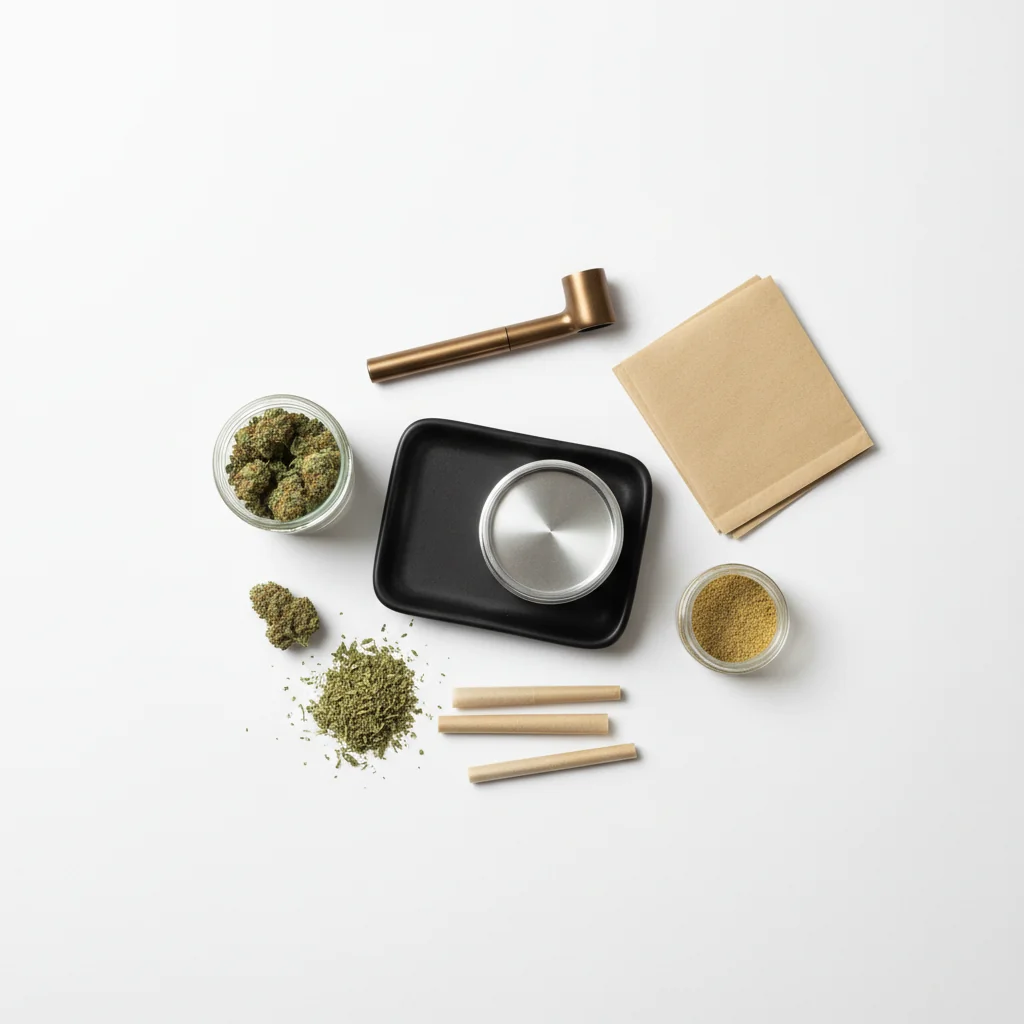
Microdosing cannabis has become one of the most popular consumption methods for people seeking the therapeutic benefits of cannabis without the intense psychoactive effects. Whether you want to enhance creativity, manage anxiety, or simply function better throughout your day, microdosing offers a controlled approach to cannabis consumption.
This comprehensive guide covers everything you need to know about microdosing cannabis, from understanding what constitutes a microdose to practical methods and tips for finding your optimal dose. We will explore the science behind why less can often mean more when it comes to cannabis.
Table of Contents
- Quick Answer
- What is Microdosing Cannabis?
- Benefits of Microdosing
- How to Find Your Microdose
- Best Methods for Microdosing
- Microdosing Schedule Tips
- Common Mistakes to Avoid
- Tracking Your Experience
- Final Thoughts
- Frequently Asked Questions
Quick Answer
A cannabis microdose is typically 1-5mg of THC, taken to achieve subtle therapeutic effects without impairment. Start with 2.5mg or less, wait 2 hours before taking more (for edibles), and gradually adjust until you find your "sub-perceptual" sweet spot where you feel benefits without feeling "high."
What is Microdosing Cannabis?
Microdosing refers to consuming very small amounts of cannabis, typically 1-5mg of THC, to achieve subtle therapeutic effects without the full psychoactive experience. The goal is to find your "minimum effective dose" where you experience benefits like reduced anxiety, enhanced focus, or pain relief without feeling impaired or intoxicated.
The Science Behind Microdosing
Cannabis works through the endocannabinoid system, which has receptors throughout your body. When you consume large amounts of THC, these receptors can become overwhelmed or desensitized. Microdosing allows for gentle stimulation of these receptors, potentially providing more consistent benefits over time.
Research suggests that for some conditions, lower doses of cannabis may actually be more effective than higher doses. This phenomenon, sometimes called "biphasic effect," means that cannabis can produce opposite effects at different doses.
Microdose vs Regular Dose
Benefits of Microdosing
Therapeutic Benefits Without Impairment
The primary advantage of microdosing is receiving cannabis benefits while maintaining full cognitive function. Many people use microdoses throughout their workday or during activities that require focus and clarity.
Enhanced Creativity and Focus
Many users report that microdosing helps them enter a creative flow state without the scattered thinking that can come with larger doses. Writers, artists, and professionals often use microdoses to enhance their work.
Anxiety and Mood Management
Low doses of THC can help reduce anxiety for many people. Interestingly, while high doses of THC can increase anxiety, microdoses often have the opposite effect. If you are new to cannabis and concerned about anxiety, understanding how cannabis affects anxiety can help you approach microdosing safely.
Pain and Inflammation Relief
Microdosing can provide subtle but meaningful pain relief, especially for chronic conditions. The anti-inflammatory properties of cannabinoids work even at low doses.
Better Sleep Quality
A small dose in the evening can help with sleep without the grogginess that sometimes accompanies higher doses. For more on this topic, see our guide on using cannabis for sleep.
How to Find Your Microdose
Start Low, Go Slow
The golden rule for microdosing is to start with the lowest possible dose and increase slowly. For most people, this means beginning with 1-2.5mg of THC.
Step-by-Step Protocol
1. Day 1-3: Start with 1-2mg THC
2. Assess: Note any effects, positive or negative
3. Day 4-7: If no effect, increase to 2.5-3mg
4. Continue: Gradually increase by 0.5-1mg until you find your threshold
5. Back Off: Once you feel "high," reduce by 1mg for your ideal dose
Finding Your Threshold
Your threshold is the point where you begin to feel psychoactive effects. Your microdose should be just below this threshold. Everyone is different, and factors like body weight, tolerance, and metabolism all play a role.
If you are completely new to cannabis, you should first understand the basics in our first-time smoker guide before beginning a microdosing protocol.
Best Methods for Microdosing
Edibles and Capsules
Pros: Precise dosing, long-lasting effects, discreet
Cons: Slow onset (1-2 hours), harder to adjust
Pre-dosed edibles from licensed dispensaries offer the most accurate dosing. Look for products with 2.5mg or 5mg per piece. Capsules provide even more precise dosing without any taste.
Tinctures and Oils
Pros: Adjustable dosing, faster onset than edibles, sublingual option
Cons: Taste may be unpleasant, requires measuring
Tinctures allow you to measure exact doses using the dropper. Sublingual administration (under the tongue) provides faster effects than swallowing.
Vaporizing
Pros: Fastest onset, easy to control
Cons: Harder to measure precise doses, requires equipment
While vaporizing makes precise dosing difficult, you can take very small puffs and wait to assess effects. This method works well for experienced users who know their tolerance.
Flower with Low-THC Strains
Using a quality [grinder](https://munchmakers.com/grinders/) to prepare small amounts of low-THC flower can work for microdosing, though measuring exact THC content is challenging.
Microdosing Schedule Tips
Daily Microdosing
Some people microdose daily for consistent benefits. If taking this approach, consider taking one or two days off per week to prevent tolerance buildup.
As-Needed Microdosing
Others prefer to microdose only when they need it, such as before stressful situations or creative work. This approach naturally prevents tolerance issues.
Morning vs Evening Doses
Morning doses work well for:
- Enhancing focus and productivity
- Managing daytime anxiety
- Creative work
Evening doses work well for:
- Unwinding after work
- Improving sleep quality
- Evening pain relief
Tolerance Management
Even with microdoses, tolerance can build over time. Consider these strategies:
- Take 2-3 days off per week
- Do a full tolerance break every few months
- Alternate between THC and CBD-only days
Common Mistakes to Avoid
Taking Too Much Too Soon
The most common mistake is increasing doses too quickly. Give each dose level at least 3 days before adjusting.
Expecting Immediate Results
Some benefits of microdosing, particularly mood and anxiety improvements, may take several days or weeks of consistent use to become noticeable.
Not Accounting for Edible Onset Time
If using edibles, wait at least 2 hours before deciding a dose was ineffective. Many people make the mistake of taking more too soon and ending up with a much larger dose than intended.
Ignoring CBD
CBD can enhance the benefits of THC microdosing while reducing potential anxiety. Consider products with a 1:1 or 2:1 CBD:THC ratio for microdosing.
Inconsistent Timing
Taking your microdose at roughly the same time each day helps maintain consistent effects and makes it easier to assess what is working.
Tracking Your Experience
Keep a Microdosing Journal
Recording your experiences helps you optimize your protocol. Track:
- Date and time of dose
- Product and amount (mg of THC/CBD)
- Method of consumption
- Effects noticed (both positive and negative)
- Duration of effects
- Activities during the experience
- Sleep quality that night
- Overall rating (1-10)
Adjusting Based on Data
After 2-3 weeks of tracking, patterns will emerge. You might notice that certain doses work better for specific activities, or that timing affects your experience significantly.
Final Thoughts
Microdosing cannabis offers a way to experience the plant is benefits while maintaining full functionality in your daily life. The key is patience and consistency. Start with the lowest possible dose, increase gradually, and pay attention to how your body responds.
Remember that everyone is different. What works for someone else may not work for you, and that is perfectly normal. The microdosing journey is personal, and finding your optimal dose may take several weeks of experimentation.
Whether you are seeking relief from anxiety, enhanced creativity, pain management, or simply a gentler cannabis experience, microdosing provides a controlled and mindful approach to consumption. For those new to cannabis, combining microdosing knowledge with our guide on what to expect your first time will help ensure a positive experience.
Frequently Asked Questions
What is considered a microdose of cannabis?
A microdose is typically 1-5mg of THC, though individual thresholds vary. The goal is consuming enough to feel subtle benefits without feeling "high" or impaired.
Can you microdose while working?
Many people successfully microdose during work. Start with your protocol on non-work days first to understand how it affects you before trying it during professional responsibilities.
How long do microdose effects last?
Effects depend on your method. Inhaled microdoses last 1-3 hours, while edible microdoses can last 4-8 hours. Sublingual tinctures typically last 2-4 hours.
Will microdosing show up on a drug test?
Yes, even small amounts of THC can accumulate in your system and show up on drug tests. If you are subject to testing, be aware of this risk.
Can I microdose with CBD instead of THC?
Absolutely. CBD microdosing is popular for anxiety and inflammation without any psychoactive effects. Many people alternate between THC and CBD microdosing.
How do I know if my microdose is too high?
If you feel "high," distracted, or impaired, your dose is too high for microdosing purposes. Reduce by 1mg and try again.
This guide is for educational purposes only. Cannabis affects everyone differently. Start with the lowest dose possible and consult healthcare providers if you have medical conditions or take medications.
Frequently Asked Questions
A microdose is typically 1-5mg of THC, though individual thresholds vary. The goal is consuming enough to feel subtle benefits without feeling high or impaired.
Related Guides

Common Beginner Mistakes to Avoid When Using Cannabis
Learn the most common mistakes first-time and new cannabis users make, why they happen, and how to avoid them for a better experience.
Best Snacks to Enjoy When High: Ultimate Munchies Guide
Comprehensive guide about best snacks to enjoy when high: ultimate munchies guide. Learn everything you need to know with expert tips and detailed instructions.
Best Time of Day to Smoke Cannabis: Morning vs Evening Effects
Comprehensive guide about best time of day to smoke cannabis: morning vs evening effects. Learn everything you need to know with expert tips and detailed instructions.