

Dry Herb vs Concentrate Vaporizers: Which Is Right for You?

David Martinez
Concentrate Expert
Dry Herb vs Concentrate Vaporizers: Which Is Right for You?
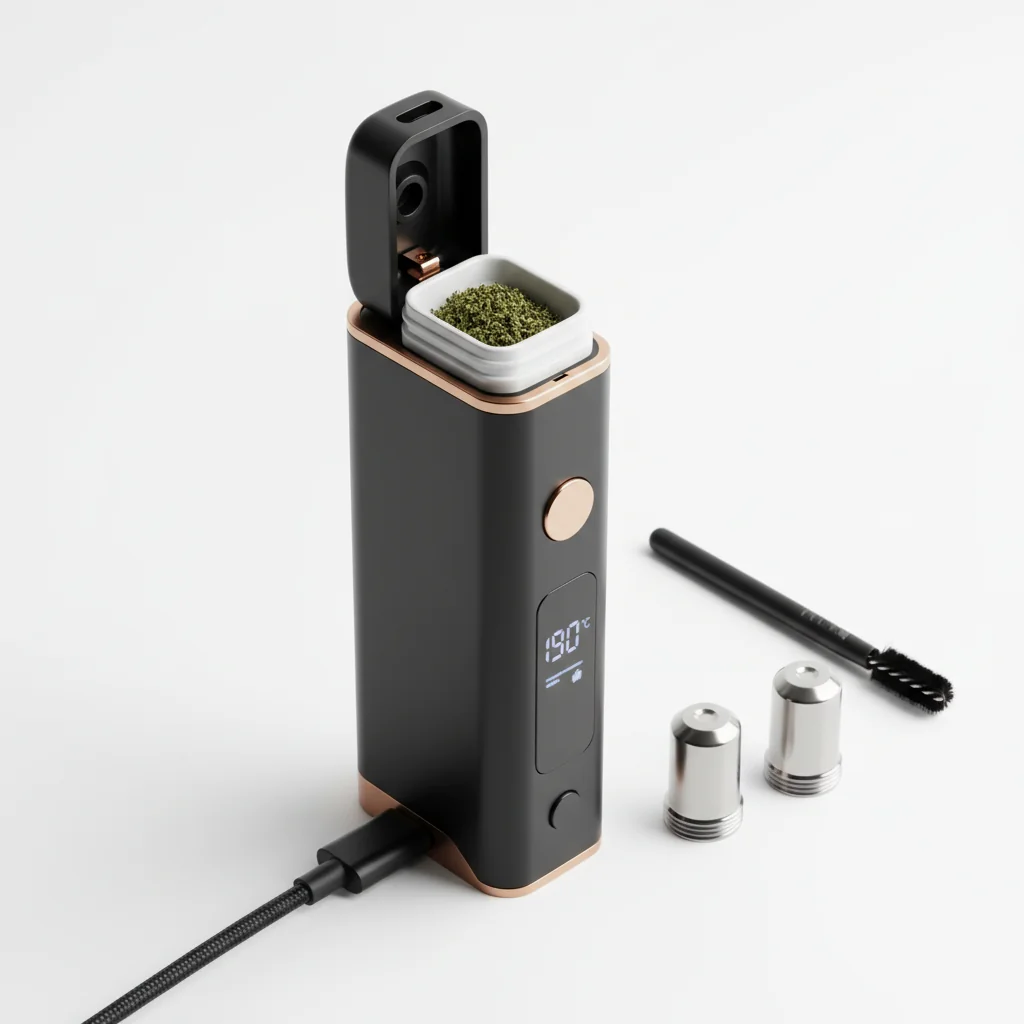
Vaporizers have revolutionized cannabis consumption, offering a cleaner alternative to smoking. But with two main categories—dry herb vaporizers and concentrate vaporizers—choosing the right device can be confusing. This guide breaks down everything you need to know to make an informed decision.
Quick Answer
Dry herb vaporizers heat ground cannabis flower to release vapor without combustion. Concentrate vaporizers (dab pens, wax pens) heat cannabis extracts like wax, shatter, or oil. Dry herb is better for beginners and flavor enthusiasts. Concentrates offer stronger effects and more discreet use. Your choice depends on potency preferences, budget, and lifestyle.
For vaporizer health research, PubMed Central provides peer-reviewed cannabis vaporization studies.
Understanding the Basics
What Are Dry Herb Vaporizers?
Dry herb vaporizers heat ground cannabis flower to temperatures between 320-430°F (160-220°C). At these temperatures, cannabinoids and terpenes vaporize without burning the plant material—hence "vaporizing" rather than "smoking."
How they work: 1. Ground cannabis goes into a heating chamber 2. The device heats the material (conduction or convection) 3. Cannabinoids turn to vapor 4. You inhale through a mouthpiece 5. Already Vaped Bud (AVB) remains—still usable for edibles
What Are Concentrate Vaporizers?
Concentrate vaporizers—also called dab pens, wax pens, or 510 thread batteries with cartridges—heat cannabis extracts. These extracts include:
- Wax/Budder: Soft, opaque concentrates
- Shatter: Hard, glass-like concentrate
- Live resin: Fresh-frozen extract with strong flavor
- Distillate: Highly refined THC oil (cartridges)
- Rosin: Solventless heat-pressed extract
How they work: 1. Concentrate is loaded onto a heating coil/atomizer OR a pre-filled cartridge screws on 2. The device rapidly heats (often 500-700°F) 3. Concentrate instantly vaporizes 4. You inhale the vapor 5. No residue remains (fully vaporized)
Key Differences Compared
Potency
Winner for beginners: Dry herb (much more forgiving)
Cost Analysis
Upfront costs: - Basic dry herb vape: $80-150 - Quality dry herb vape: $150-350 - Basic dab pen: $20-50 - Quality concentrate vape: $50-150 - 510 thread batteries: $15-40
Ongoing costs: - Dry herb: Cost of flower ($8-15/gram) - Concentrates: Cost of wax/shatter ($30-80/gram) OR cartridges ($30-60 each)
Efficiency: - 0.3g dry herb = one chamber/session - 0.05g concentrate = equivalent effect - Concentrates use less material but cost more per gram
Winner for budget: Depends on local pricing; dry herb usually cheaper long-term
Flavor Experience
Dry herb: - Full terpene profile (all natural flavors) - Flavor varies with temperature - Low temps = best flavor - Tastes like the actual strain
Concentrates: - Live resin/rosin: Excellent flavor - Distillate: Often has added terpenes (less natural) - Shatter/wax: Good but not as nuanced - Cartridges: Varies widely by quality
Winner for flavor: Quality dry herb vapes (especially convection)
Discretion
Dry herb: - Noticeable cannabis smell (though less than smoking) - Larger devices (harder to conceal) - Sessions take 5-15 minutes - Visible vapor production
Concentrates: - Minimal smell (especially cartridges) - Pen-sized devices - Quick hits (seconds) - Less visible vapor
Winner for discretion: Concentrate pens and cartridges
Maintenance
Dry herb: - Empty chamber after each use - Weekly brush cleaning - Monthly deep clean (isopropyl soak) - Screens need regular replacement - More parts to maintain
Concentrates: - Clean atomizer between strains - Replace coils periodically ($5-15 each) - Cartridges: zero maintenance (disposable) - Less overall cleaning required
Winner for low maintenance: Cartridges (zero cleaning, just dispose)
Who Should Choose Dry Herb?
Dry herb vaporizers are ideal for:
1. Beginners: Gentler effects, familiar material 2. Flavor chasers: Full terpene expression 3. Medical users: Easier to microdose 4. Budget-conscious users: Flower is cheaper long-term 5. Home users: Size isn't an issue 6. AVB enthusiasts: Already Vaped Bud can make edibles
Best dry herb vapes by budget: - Budget ($80-120): Xmax V3 Pro, Healthy Rips Rogue - Mid-range ($150-250): Arizer Solo 2, Pax 3 - Premium ($250+): Mighty+, Storz & Bickel Crafty+, Volcano
Who Should Choose Concentrates?
Concentrate vaporizers are ideal for:
1. High-tolerance users: Need stronger effects 2. On-the-go users: Discreet, pocket-sized 3. Quick sessions: Don't want 10+ minute sessions 4. Minimal smell priority: Cartridges have almost no odor 5. Low maintenance preference: Cartridges require nothing
Types of concentrate vapes:
510 Thread Batteries + Cartridges
The most popular method. A 510 thread battery powers pre-filled cartridges. Universal threading means most batteries work with most cartridges.
Pros: - Most convenient - Huge cartridge selection - Zero maintenance - Most discreet option
Cons: - Cartridge quality varies - Can't choose your own concentrate - Some batteries have limited settings
Dab Pens (Load Your Own)
Load your own wax, shatter, or rosin onto a coil or ceramic heating element.
Pros: - Use any concentrate - Better flavor potential - More control
Cons: - Messy loading - Coils need replacement - More maintenance
E-Rigs (Electric Dab Rigs)
Desktop or semi-portable devices that replicate the dab rig experience electronically.
Pros: - Best concentrate experience - Precise temperature - Massive hits
Cons: - Expensive ($150-400) - Less portable - Steeper learning curve
Hybrid Options: Best of Both?
Some devices handle both dry herb and concentrates:
Concentrate inserts for herb vapes: Many dry herb vapes offer concentrate pads or pods. Load wax into a mesh pad, insert into the chamber. Works decently but not ideal.
True hybrids: Devices like Pax 3 have concentrate inserts. Performance is acceptable but dedicated devices do each job better.
Our recommendation: Own dedicated devices if you enjoy both regularly. The compromise of hybrids often disappoints users who know what quality single-purpose devices deliver.
Health Considerations
Both dry herb and concentrate vaporizers are considered healthier than smoking because they don't involve combustion. However:
Dry herb: - No additives (just plant material) - Temperature control prevents burning - Produces some plant vapor compounds - Well-studied for decades
Concentrates: - Can contain residual solvents if poorly made - High temperatures may degrade some compounds - Cartridge additives were controversial (avoid vitamin E acetate) - Less long-term research
Safety tip: Buy concentrates and cartridges from licensed dispensaries. Black market products caused the 2019 vaping illness outbreak due to dangerous additives.
Making Your Decision
Choose DRY HERB if:
- You're new to vaping or cannabis - You prefer natural, full flavor - You use cannabis at home mostly - You want to stretch your budget - You like lower-intensity sessions - You want to make AVB ediblesChoose CONCENTRATES if:
- You have high tolerance - Discretion is critical - You need quick sessions - You prefer minimal maintenance (cartridges) - Potency is a priority - You're frequently on-the-goConsider BOTH if:
- You want home sessions (dry herb) AND portable use (cartridge pen) - You enjoy variety - Different situations call for different methodsWhere to Buy Quality Vaporizers
For custom [vape pens](https://munchmakers.com/product-category/custom-vape-pen/) and 510 thread batteries, wholesale options are available for dispensaries and brands looking to offer branded vaporizer products. For personal use, purchase from licensed dispensaries or authorized retailers.
Final Thoughts
There's no universally "better" option—dry herb and concentrate vaporizers serve different needs. Many cannabis enthusiasts eventually own both: a quality dry herb vape for flavor-focused home sessions and a simple 510 battery with cartridges for discreet portability.
Start with whichever matches your primary use case. You can always expand your collection as you discover your preferences.
This guide is for educational purposes. Cannabis laws vary by jurisdiction. Always purchase from licensed sources.
Frequently Asked Questions
Dry herb vaporizers are generally better for beginners. They use regular cannabis flower you're familiar with, have more forgiving temperature control, and produce milder effects. Concentrates are much more potent (60-90% THC vs 15-25%), which can overwhelm new users.
Yes, concentrate vapes are more efficient in terms of material usage. A small dab (0.05g) produces similar effects to a full dry herb chamber (0.3g). However, concentrates cost more per gram, so overall cost efficiency depends on local pricing and consumption habits.
Some hybrid vaporizers handle both, but they typically don't excel at either. Dedicated devices perform better. If you want both options, consider a quality dry herb vape with a concentrate insert, or own separate devices for optimal performance.
Related Guides

510 Thread Batteries: Complete Guide to Vape Pen Batteries
Everything you need to know about 510 thread batteries for vape cartridges. Learn about voltage settings, battery types, features to look for, and how to choose the right battery for your cartridges.
Best Vaporizer Temperature Settings: Effects at Each Level
Comprehensive guide about best vaporizer temperature settings: effects at each level. Learn everything you need to know with expert tips and detailed instructions.

Conduction vs Convection Vaporizers: Heating Methods Explained
Understand the difference between conduction and convection heating in vaporizers. Learn how each method affects flavor, vapor quality, efficiency, and which is best for your vaping style.