
如何進行耐受性休息:重置你的大麻敏感度

Sarah Green
Cannabis Educator
如何進行耐受性休息:重置你的大麻敏感度
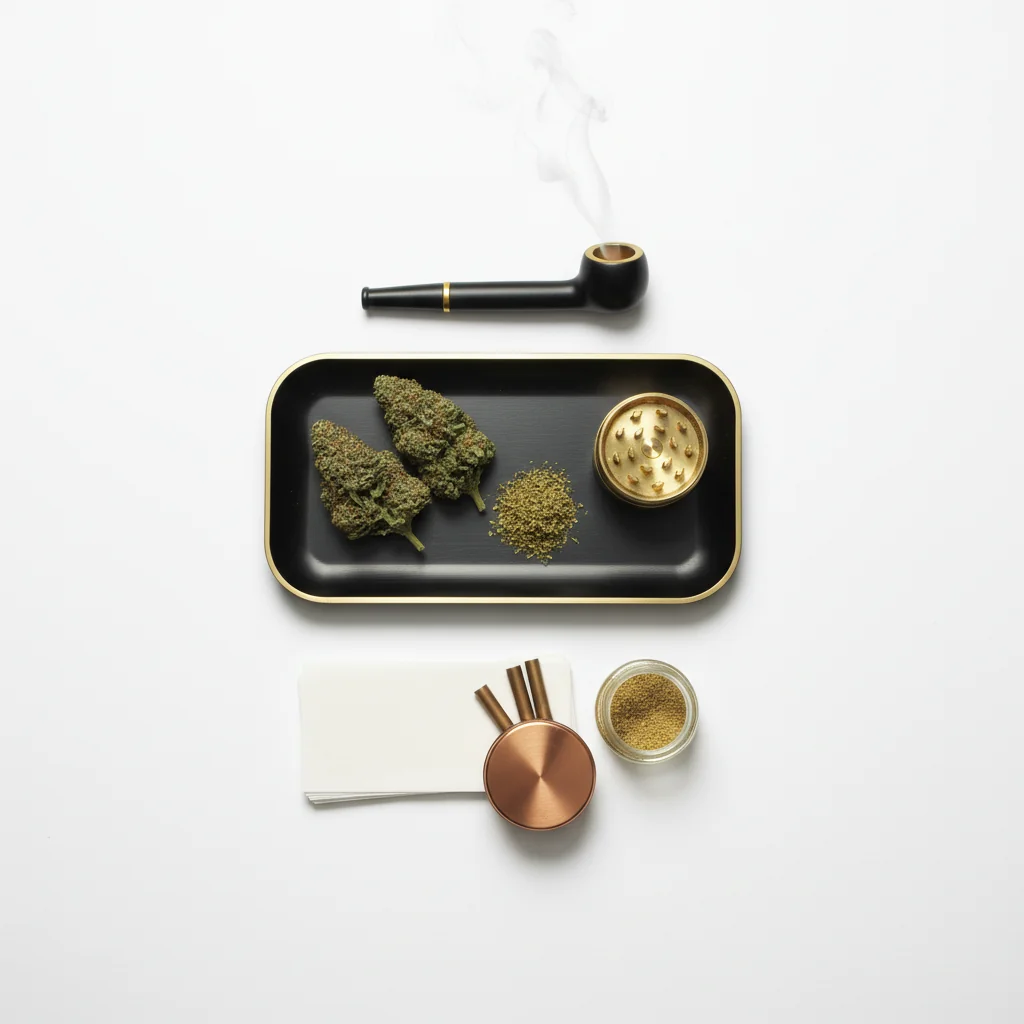
如果你經常使用大麻並注意到需要更多才能達到相同的效果,那麼可能是時候進行耐受性休息了。這種故意暫停大麻消費的做法,讓你的身體重置對大麻素的敏感度,最終使你的大麻更有效,並可能幫助你省錢。
本指南將帶你了解有關耐受性休息的所有知識,包括為什麼它們有效、應該持續多久、在過程中預期會發生什麼,以及讓你的休息盡可能舒適的技巧。
目錄
- 快速回答
- 什麼是大麻耐受性?
- 你需要耐受性休息的跡象
- 你的休息應該持續多久?
- 在休息期間預期會發生什麼
- 成功耐受性休息的技巧
- 管理戒斷症狀
- 打破你的休息:回歸
- 完全耐受性休息的替代方案
- 最後的想法
- 常見問題
快速回答
2-4週的耐受性休息可以讓你的CB1受體恢復到基線敏感度。大多數人在48-72小時後會注意到顯著的耐受性降低,完全的受體重置通常在第21-28天左右發生。在休息期間,保持活躍,保持水分,並考慮使用CBD來緩解過渡。
什麼是大麻耐受性?
當你的內源性大麻素系統適應定期的THC暴露時,就會發展出大麻耐受性。具體來說,你的CB1受體(THC結合的地方)隨著時間的推移變得不那麼敏感。這意味著你需要逐漸更多的大麻才能達到以前從較少量中獲得的相同效果。
耐受性如何發展
當你定期消費THC時,你的大腦會做出以下反應:
1. 降低受體敏感度 - CB1受體對THC的反應變得不那麼敏感
2. 減少受體密度 - 你的大腦實際上減少了CB1受體的數量
3. 改變內部信號傳遞 - 對大麻素作出反應的細胞通路變得不那麼有效
好消息是這個過程是可逆的。當你停止攝取THC時,你的內源性大麻素系統會逐漸恢復到基線狀態。
耐受性時間表
你需要休息的跡象
你使用的量比以前多
耐受性的最明顯跡象是需要更大的劑量才能感受到效果。如果你的消費量隨著時間翻倍或三倍增加,那麼你的耐受性可能已經顯著提高。
效果感覺減弱
即使在較高劑量下,體驗可能感覺不那麼強烈、持續時間較短或不如以前那麼愉快。
你花費的錢變多了
增加的消費意味著增加的成本。如果你的大麻預算顯著增加,休息一下可以幫助重置你的基線,並在長期內節省金錢。
大麻感覺變得例行公事而非特別
當大麻變得純粹習慣而非愉快或治療時,休息可以幫助恢復你對其效果的欣賞。
你想要更強的醫療效果
醫療使用者有時會發現耐受性減少了他們依賴的治療效果。休息可以幫助恢復對疼痛緩解、睡眠或焦慮管理的有效性。
你的休息應該持續多久?
基於科學的時間表
關於CB1受體恢復的研究建議以下時間表:
48-72小時:初始受體敏感性開始恢復。許多人在僅僅2-3天後就會注意到一些變化。
1週:顯著的受體上調發生。大多數偶爾使用者會注意到耐受性有意義的減少。
2週:對於定期使用者來說,恢復顯著。這通常是平衡效果與休息時間的最佳時機。
3-4週:接近完全的受體重置。重度每日使用者通常需要這段時間來完全逆轉耐受性。
4週以上收益遞減。大多數受體的恢復發生在第一個月內。
建議的休息時間
休息期間的預期
第1-3天:調整期
最初的幾天通常是最具挑戰性的。您可能會經歷:
- 睡眠困難:在沒有大麻的情況下入睡可能會很困難,您可能會有生動的夢境
- 易怒:一些情緒波動是正常的
- 食慾減退:尤其是如果您通常在消耗大麻後進食
- 輕微焦慮:特別是如果您使用大麻來管理焦慮
這些症狀通常是輕微且暫時的。它們是您身體正在重新調整的跡象,而不是表示有任何問題。
第4-7天:穩定期
大多數急性症狀在此期間開始減退。您可能會注意到:
- 睡眠模式開始正常化
- 情緒穩定
- 食慾回到基線
- 思維更加清晰
第2週及以後:新的常態
到第二週,大多數人感覺完全正常。您甚至可能會注意到一些好處:
- 更生動的夢境(快速眼動睡眠反彈)
- 更清晰的思考
- 更穩定的能量水平
- 對自然情緒狀態的欣賞
成功的耐受性休息小貼士
提前計劃
選擇一個壓力較少的時候,並且大麻不是你社交計劃的核心。例如,在假期期間開始戒斷可能比在高壓的工作期間更容易。
消除誘惑
將你的大麻和配件存放在不易看見的地方,或交給值得信賴的朋友保管。隨時可用的供應品會使戒斷變得更加困難。
保持活躍
運動自然會釋放內源性大麻素,這有助於緩解過渡期的困難。即使是輕度活動,如散步,也能顯著改善你的感受。
優先考慮睡眠衛生
由於在戒斷期間睡眠中斷是常見的:
- 保持一致的睡眠時間表
- 睡前避免使用電子屏幕
- 保持臥室涼爽和黑暗
- 考慮在最初幾晚使用褪黑激素
- 嘗試深呼吸等放鬆技巧
保持水分和健康飲食
適當的營養和水分支持你身體的自然調整過程。專注於全食物,避免過量的咖啡因或酒精。
尋找替代活動
確定你通常與大麻搭配的活動,並尋找替代方案:
- 如果你在看電影前吸煙,試試引人入勝的新系列
- 如果你在用餐前吸煙,嘗試新的食譜
- 如果你在社交場合吸煙,建議與朋友進行其他活動
使用CBD產品
CBD不會像THC那樣引起耐受性問題,並且可以幫助緩解一些過渡症狀。考慮在戒斷期間使用CBD油、 食用產品或花朵。
管理戒斷症狀
大麻戒斷是真實存在的,但通常比其他物質輕微。以下是管理常見症狀的方法:
睡眠問題
- 中午後避免咖啡因
- 在白天早些時候運動(不要接近睡覺時間)
- 使用放鬆應用程序或引導冥想
- 考慮使用天然助眠劑,如洋甘菊茶或鎂
易怒和情緒變化
- 練習減壓技巧
- 與你身邊的人溝通你的戒斷
- 定期運動
- 走到戶外,親近自然
食慾變化
- 如果大餐讓你感到不適,則吃較小且更頻繁的餐點
- 專注於你真正喜歡的食物
- 保持水分,因為口渴可能會掩蓋饑餓(反之亦然)
生動的夢境
停止使用大麻後,快速眼動睡眠(REM)反彈會導致強烈且難忘的夢境。雖然有時會讓人感到不安,但這是正常且暫時的。有些人實際上享受這種戒斷期間的特徵。
打破你的戒斷:回歸
從低劑量開始,慢慢增加
在耐受性休息後,你的敏感度會顯著提高。曾經的正常劑量現在可能會感到過於強烈。從你戒斷前劑量的25-50%開始,逐步增加。
選擇質量而非數量
隨著敏感度的提升,你可以欣賞到不同品種和產品中的細微差別,而這些在耐受性期間可能被掩蓋。考慮探索不同的 品種 或嘗試高品質的 蒸發器。
保持較低的耐受性
為了保持你的重置耐受性:
- 使用頻率低於戒斷前
- 每週定期進行小型休息(每週休息2-3天)
- 使用低於戒斷前水平的劑量
- 考慮交替使用THC和CBD產品
全耐受性休息的替代方案
減少攝取法
與其完全停止,不如在幾週內減少50%的攝取量。這種較慢的方法對於重度使用者或醫療患者來說可能更容易。
品種輪換
在不同的品種和大麻素配置之間輪換可以幫助減緩耐受性發展,儘管這不如真正的休息有效。
CBD替代
用CBD產品替代部分THC攝取。這樣可以保持大麻的使用習慣,同時讓CB1受體恢復。
微劑量攝取期
在幾週內轉向 微劑量攝取 。使用非常小的劑量可以讓受體部分恢復,同時保持一定的大麻攝取。
改變攝取方式
如果你主要吸煙,偶爾改為食用產品,或反之,因為不同的吸收方式可以提供部分重置。
最後的想法
耐受性休息是維持健康、可持續的大麻關係最有效的工具之一。雖然最初的幾天可能會有挑戰,但大多數人發現暫時的不適是值得的,因為敏感度得到了恢復。
無論你選擇完整的4週休息還是較短的1週重置,關鍵是要有意識地進行休息,並制定策略以確保成功。記住,耐受性休息不是懲罰,而是對未來更好大麻體驗的投資。
對於那些新接觸大麻並希望避免建立耐受性的人,我們的 首次吸煙者指南 包括有助於長期維持敏感度的攝取模式建議。
常見問題
大麻耐受性需要多長時間才能消失?
對於大多數使用者來說,顯著的耐受性降低通常在1-2週內發生。完全的受體重置通常需要3-4週,儘管休閒使用者可能會更快重置。
大麻戒斷危險嗎?
不,大麻戒斷在醫學上並不危險。症狀通常較輕微,包括睡眠中斷、易怒和食慾變化。這些症狀通常在1-2週內解決。
我可以在耐受性休息期間使用CBD嗎?
可以,CBD不會影響THC的耐受性,並且可以幫助緩解一些過渡症狀。這是那些進行耐受性休息的人常用的選擇。
一次吸食會毀掉我的耐受性休息嗎?
一次失誤不會將你的進度重置為零,但可能會減慢受體的恢復。如果你失誤了,只需繼續你的休息,而不是完全放棄。
我應該多久進行一次耐受性休息?
這取決於你的使用模式。重度每日使用者可能會從每月的小休息(2-3天)和每季度的較長休息(1-2週)中受益。中度使用者可能每年只需要休息一到兩次。
為什麼我在耐受性休息期間夢境如此生動?
大麻會抑制快速眼動睡眠(REM),而大多數夢境都發生在這個階段。當你停止使用時,REM會反彈,導致異常生動和難忘的夢境。這是正常且暫時的現象。
本指南僅供教育用途。如果你在耐受性休息期間出現嚴重症狀,請諮詢醫療提供者。這不是醫療建議。
Frequently Asked Questions
對於大多數使用者來說,顯著的耐受性降低通常在1-2週內發生。完全的受體重置通常需要3-4週,儘管偶爾使用者可能會更快重置。
不,大麻戒斷在醫學上並不危險。症狀通常較輕微,包括睡眠中斷、易怒和食慾變化。這些症狀通常在1-2週內解決。
可以,CBD不會影響THC耐受性,並且可以幫助緩解一些過渡症狀。這是那些進行T休息者的熱門選擇。
一次失誤不會將你的進度重置為零,但可能會減慢受體的恢復。如果你失誤了,只需繼續你的休息,而不是完全放棄。
這取決於你的使用模式。重度每日使用者可能會從每月的小休息和每季度的長休息中受益。中度使用者可能每年只需要休息一次或兩次。
大麻會抑制快速眼動睡眠(REM),而大多數夢境發生在這個階段。當你停止使用時,REM會反彈,導致異常生動和難忘的夢境。
Related Guides

Common Beginner Mistakes to Avoid When Using Cannabis
Learn the most common mistakes first-time and new cannabis users make, why they happen, and how to avoid them for a better experience.
Best Snacks to Enjoy When High: Ultimate Munchies Guide
Comprehensive guide about best snacks to enjoy when high: ultimate munchies guide. Learn everything you need to know with expert tips and detailed instructions.
Best Time of Day to Smoke Cannabis: Morning vs Evening Effects
Comprehensive guide about best time of day to smoke cannabis: morning vs evening effects. Learn everything you need to know with expert tips and detailed instructions.