
วิธีการหยุดพักเพื่อปรับความไวต่อกัญชา: รีเซ็ตความไวต่อกัญชาของคุณ

Sarah Green
Cannabis Educator
วิธีการหยุดพักเพื่อปรับความไวต่อกัญชา: รีเซ็ตความไวต่อกัญชาของคุณ
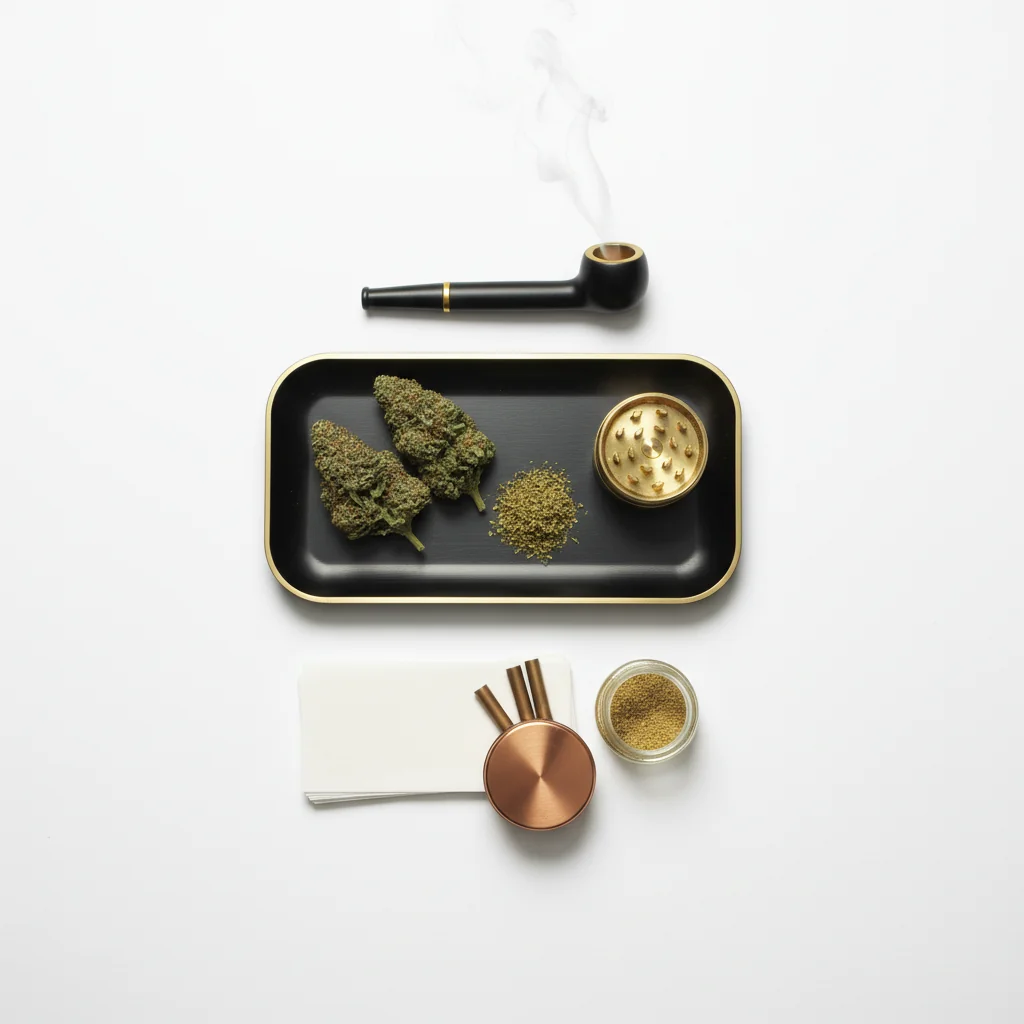
หากคุณใช้กัญชาเป็นประจำและสังเกตว่าคุณต้องการมากขึ้นเพื่อให้ได้ผลลัพธ์เดียวกัน อาจถึงเวลาที่คุณต้องหยุดพักเพื่อปรับความไว นอกจากนี้ยังเรียกว่า "การหยุดพัก T" การหยุดพักนี้จะช่วยให้ร่างกายของคุณรีเซ็ตความไวต่อสารแคนนาบินอยด์ ทำให้กัญชาของคุณมีประสิทธิภาพมากขึ้นและอาจช่วยประหยัดเงินได้
คู่มือนี้จะพาคุณผ่านทุกสิ่งที่คุณต้องรู้เกี่ยวกับการหยุดพักเพื่อปรับความไว รวมถึงเหตุผลที่มันได้ผล ระยะเวลาที่ควรจะเป็น ควรคาดหวังอะไรในระหว่างกระบวนการ และเคล็ดลับในการทำให้การหยุดพักของคุณสะดวกสบายที่สุดเท่าที่จะเป็นไปได้
สารบัญ
- คำตอบอย่างรวดเร็ว
- ความไวต่อกัญชาคืออะไร?
- สัญญาณที่บ่งบอกว่าคุณต้องการหยุดพัก
- การหยุดพักของคุณควรใช้เวลานานแค่ไหน?
- ควรคาดหวังอะไรในระหว่างการหยุดพักของคุณ
- เคล็ดลับสำหรับการหยุดพักเพื่อปรับความไวที่ประสบความสำเร็จ
- การจัดการกับอาการถอน
- การกลับมาหลังจากการหยุดพัก
- ทางเลือกอื่น ๆ สำหรับการหยุดพักเต็มรูปแบบ
- ความคิดสุดท้าย
- คำถามที่พบบ่อย
คำตอบอย่างรวดเร็ว
การหยุดพักเป็นเวลา 2-4 สัปดาห์ช่วยให้ตัวรับ CB1 ของคุณกลับสู่ความไวพื้นฐาน ผู้คนส่วนใหญ่สังเกตเห็นการลดความไวอย่างมีนัยสำคัญหลังจากเพียง 48-72 ชั่วโมง โดยการรีเซ็ตตัวรับทั้งหมดจะเกิดขึ้นประมาณวันที่ 21-28 ในระหว่างการหยุดพักของคุณ ให้รักษาความกระตือรือร้น ดื่มน้ำให้เพียงพอ และพิจารณาใช้ CBD เพื่อช่วยบรรเทาการเปลี่ยนผ่าน
ความไวต่อกัญชาคืออะไร?
ความไวต่อกัญชาจะเกิดขึ้นเมื่อระบบเอนโดแคนนาบินอยด์ของคุณปรับตัวเข้ากับการสัมผัส THC อย่างสม่ำเสมอ โดยเฉพาะอย่างยิ่ง ตัวรับ CB1 ของคุณซึ่ง THC จะจับกับมัน จะมีความไวลดลงเมื่อเวลาผ่านไป นี่หมายความว่าคุณต้องการกัญชามากขึ้นเรื่อย ๆ เพื่อให้ได้ผลลัพธ์เดียวกันที่คุณเคยได้รับจากปริมาณที่น้อยกว่า
วิธีที่ความไวพัฒนาขึ้น
เมื่อคุณบริโภค THC อย่างสม่ำเสมอ สมองของคุณจะตอบสนองโดย:
1. ลดความไวของตัวรับ - ตัวรับ CB1 จะมีความไวต่อ THC น้อยลง
2. การลดความหนาแน่นของตัวรับ - สมองของคุณจะลดจำนวนตัวรับ CB1
3. การเปลี่ยนแปลงสัญญาณภายใน - เส้นทางเซลล์ที่ตอบสนองต่อแคนนาบินอยด์จะมีประสิทธิภาพน้อยลง
ข่าวดีคือกระบวนการนี้สามารถกลับคืนได้ เมื่อคุณหยุดบริโภค THC ระบบเอนโดแคนนาบินอยด์ของคุณจะกลับสู่สภาวะพื้นฐานอย่างค่อยเป็นค่อยไป
เส้นเวลาในการสร้างความทนทาน
สัญญาณที่คุณต้องการหยุดพักความทนทาน
คุณใช้มากกว่าก่อน
สัญญาณที่ชัดเจนที่สุดของความทนทานคือการต้องการปริมาณที่มากขึ้นเพื่อให้รู้สึกถึงผล หากการบริโภคของคุณเพิ่มขึ้นเป็นสองเท่าหรือสามเท่าในช่วงเวลา ความทนทานของคุณอาจเพิ่มขึ้นอย่างมีนัยสำคัญ
ผลกระทบรู้สึกลดลง
แม้ในปริมาณที่สูงขึ้น ประสบการณ์อาจรู้สึกน้อยลง สั้นลง หรือไม่สนุกเท่าที่เคยเป็น
คุณใช้จ่ายเงินมากขึ้น
การบริโภคที่เพิ่มขึ้นหมายถึงค่าใช้จ่ายที่เพิ่มขึ้น หากงบประมาณสำหรับกัญชาของคุณเพิ่มขึ้นอย่างมีนัยสำคัญ การหยุดพักความทนทานสามารถช่วยรีเซ็ตพื้นฐานของคุณและประหยัดเงินในระยะยาว
กัญชารู้สึกเป็นกิจวัตรมากกว่าพิเศษ
เมื่อกัญชากลายเป็นนิสัยแทนที่จะเป็นสิ่งที่สนุกหรือบำบัด การหยุดพักสามารถช่วยฟื้นฟูความชื่นชมในผลของมัน
คุณต้องการประโยชน์ทางการแพทย์ที่เข้มข้นขึ้น
ผู้ใช้ทางการแพทย์บางครั้งพบว่าความทนทานลดทอนประโยชน์ทางการบำบัดที่พวกเขาพึ่งพา การหยุดพักความทนทานสามารถช่วยฟื้นฟูประสิทธิภาพในการบรรเทาอาการปวด การนอนหลับ หรือการจัดการความวิตกกังวล
การหยุดพักของคุณควรใช้เวลานานแค่ไหน?
เส้นเวลาที่อิงจากวิทยาศาสตร์
การวิจัยเกี่ยวกับการฟื้นฟูตัวรับ CB1 แนะนำเส้นเวลาต่อไปนี้:
48-72 ชั่วโมง: ความไวของตัวรับเริ่มกลับคืนมา หลายคนสังเกตเห็นความแตกต่างหลังจากเพียง 2-3 วัน
1 สัปดาห์: การเพิ่มจำนวนตัวรับอย่างมีนัยสำคัญเกิดขึ้น ผู้ใช้ทั่วไปส่วนใหญ่จะสังเกตเห็นการลดความทนทานอย่างมีความหมาย
2 สัปดาห์: การฟื้นฟูอย่างมีนัยสำคัญสำหรับผู้ใช้ปกติ นี่มักจะเป็นจุดที่เหมาะสมสำหรับการสร้างสมดุลระหว่างประสิทธิภาพกับระยะเวลาการหยุดพัก
3-4 สัปดาห์: การรีเซ็ตตัวรับเกือบสมบูรณ์ ผู้ใช้หนักทุกวันมักต้องการระยะเวลานี้เพื่อการกลับคืนความทนทานอย่างเต็มที่
4+ สัปดาห์: ผลตอบแทนที่ลดลง การฟื้นฟูตัวรับส่วนใหญ่เกิดขึ้นภายในเดือนแรก
ความยาวการหยุดพักที่แนะนำ
สิ่งที่คาดหวังในระหว่างการหยุดพัก
วัน 1-3: ช่วงปรับตัว
วันแรกๆ มักจะเป็นช่วงที่ท้าทายที่สุด คุณอาจพบว่า:
- ปัญหาการนอน: การหลับโดยไม่มีกัญชานั้นอาจเป็นเรื่องยาก และคุณอาจมีความฝันที่ชัดเจน
- ความหงุดหงิด: การเปลี่ยนแปลงอารมณ์บางอย่างเป็นเรื่องปกติ
- ความอยากอาหารลดลง: โดยเฉพาะถ้าคุณมักจะกินหลังจากบริโภคกัญชา
- ความวิตกกังวลเล็กน้อย: โดยเฉพาะถ้าคุณใช้กัญชาเพื่อจัดการกับความวิตกกังวล
อาการเหล่านี้มักจะเบาและชั่วคราว พวกมันเป็นสัญญาณว่าร่างกายของคุณกำลังปรับตัวใหม่ ไม่ใช่สัญญาณว่ามีอะไรผิดปกติ
วัน 4-7: การทำให้เสถียร
อาการเฉียบพลันส่วนใหญ่เริ่มลดลงในช่วงนี้ คุณอาจสังเกตเห็น:
- รูปแบบการนอนเริ่มเป็นปกติ
- อารมณ์เริ่มมีเสถียรภาพ
- ความอยากอาหารกลับคืนสู่ระดับปกติ
- ความชัดเจนทางจิตใจเพิ่มขึ้น
สัปดาห์ที่ 2 และต่อไป: สภาวะปกใหม่
ในสัปดาห์ที่สอง คนส่วนใหญ่รู้สึกปกติอย่างสมบูรณ์ คุณอาจสังเกตเห็นประโยชน์บางอย่าง:
- ความฝันที่ชัดเจนมากขึ้น (การนอนหลับ REM ฟื้นตัว)
- การคิดที่ชัดเจนขึ้น
- ระดับพลังงานที่สม่ำเสมอมากขึ้น
- การชื่นชมสภาวะอารมณ์ตามธรรมชาติ
เคล็ดลับสำหรับการหยุดพักเพื่อปรับความทนทานอย่างประสบความสำเร็จ
วางแผนล่วงหน้า
เลือกเวลาที่คุณมีความเครียดน้อยลงและกัญชาไม่ใช่ส่วนสำคัญในแผนสังคมของคุณ การเริ่มต้นการหยุดพักในช่วงวันหยุด เช่น อาจจะง่ายกว่าการทำในช่วงเวลาทำงานที่เครียดสูง
ขจัดสิ่งล่อใจ
เก็บกัญชาและอุปกรณ์ของคุณไว้ในที่ที่มองไม่เห็น หรือให้เพื่อนที่คุณไว้วางใจเก็บไว้ การมีอุปกรณ์พร้อมใช้งานทำให้การหยุดพักยากขึ้น
รักษาความกระฉับกระเฉง
การออกกำลังกายจะช่วยปล่อยเอนโดแคนนาบินอยด์ ซึ่งสามารถช่วยให้การเปลี่ยนแปลงเป็นไปได้ง่ายขึ้น แม้แต่กิจกรรมเบา ๆ เช่น การเดินก็สามารถทำให้คุณรู้สึกดีขึ้นได้อย่างมาก
ให้ความสำคัญกับสุขอนามัยการนอน
เนื่องจากการนอนหลับถูกรบกวนเป็นเรื่องปกติในช่วงการหยุดพัก:
- รักษาตารางการนอนที่สม่ำเสมอ
- หลีกเลี่ยงหน้าจอก่อนนอน
- ทำให้ห้องนอนของคุณเย็นและมืด
- พิจารณาใช้เมลาตอนินในคืนแรก ๆ
- ลองใช้เทคนิคการผ่อนคลาย เช่น การหายใจลึก
ดื่มน้ำให้เพียงพอและรับประทานอาหารที่ดี
โภชนาการที่เหมาะสมและการดื่มน้ำช่วยสนับสนุนกระบวนการปรับตัวตามธรรมชาติของร่างกาย มุ่งเน้นไปที่อาหารที่ไม่ผ่านการแปรรูปและหลีกเลี่ยงคาเฟอีนหรือแอลกอฮอล์มากเกินไป
ค้นหากิจกรรมทางเลือก
ระบุว่าคุณมักจะทำกิจกรรมอะไรคู่กับกัญชาและหากิจกรรมทางเลือก:
- ถ้าคุณสูบก่อนดูหนัง ลองดูซีรีส์ใหม่ที่น่าสนใจ
- ถ้าคุณสูบก่อนมื้ออาหาร ลองทำสูตรอาหารใหม่ ๆ
- ถ้าคุณสูบในสังคม แนะนำกิจกรรมอื่น ๆ กับเพื่อน
ใช้ผลิตภัณฑ์ CBD
CBD ไม่ทำให้เกิดปัญหาความทนทานในลักษณะเดียวกับ THC และสามารถช่วยบรรเทาอาการเปลี่ยนแปลงบางอย่างได้ พิจารณาใช้น้ำมัน CBD, ขนมหรือดอกไม้ในช่วงการหยุดพักของคุณ
การจัดการอาการถอน
การถอนกัญชาเป็นเรื่องจริง แต่โดยทั่วไปจะเบากว่าการถอนจากสารอื่น ๆ นี่คือวิธีการจัดการกับอาการทั่วไป:
ปัญหาการนอน
- หลีกเลี่ยงคาเฟอีนหลังเที่ยง
- ออกกำลังกายในช่วงเช้าของวัน (ไม่ใกล้เวลาเข้านอน)
- ใช้แอปการผ่อนคลายหรือการทำสมาธิแบบมีแนวทาง
- พิจารณาใช้ยานอนหลับจากธรรมชาติ เช่น ชาสมุนไพรคาโมมายล์หรือแมกนีเซียม
ความหงุดหงิดและการเปลี่ยนแปลงอารมณ์
- ฝึกเทคนิคการลดความเครียด
- สื่อสารกับคนใกล้ชิดเกี่ยวกับการหยุดพักของคุณ
- ออกกำลังกายเป็นประจำ
- ออกไปข้างนอกและสัมผัสกับธรรมชาติ
การเปลี่ยนแปลงความอยากอาหาร
- รับประทานอาหารที่มีขนาดเล็กและบ่อยขึ้นหากมื้อใหญ่รู้สึกไม่น่าสนใจ
- มุ่งเน้นไปที่อาหารที่คุณชอบจริง ๆ
- ดื่มน้ำให้เพียงพอเพราะความกระหายอาจทำให้รู้สึกหิว (และในทางกลับกัน)
ความฝันที่ชัดเจน
การกลับมาของ REM ทำให้เกิดความฝันที่เข้มข้นและน่าจดจำหลังจากหยุดใช้กัญชา แม้ว่าบางครั้งอาจรู้สึกไม่สบายใจ แต่สิ่งนี้เป็นเรื่องปกติและชั่วคราว บางคนจริงๆ แล้วชอบแง่มุมนี้ของการหยุดใช้กัญชา
การหยุดพักของคุณ: กลับมาอีกครั้ง
เริ่มจากน้อยไปมาก
หลังจากการหยุดพักเพื่อปรับความทน คุณจะมีความไวต่อกัญชามากขึ้นอย่างมีนัยสำคัญ สิ่งที่เคยเป็นปริมาณปกติอาจรู้สึกมากเกินไปในตอนนี้ เริ่มต้นด้วย 25-50% ของปริมาณก่อนหยุดพักและค่อยๆ เพิ่มขึ้น
เลือกคุณภาพมากกว่าปริมาณ
ด้วยความไวที่เพิ่มขึ้น คุณสามารถชื่นชมความแตกต่างในสายพันธุ์และผลิตภัณฑ์ต่างๆ ที่ความทนอาจทำให้มองข้ามไป พิจารณาสำรวจสายพันธุ์ที่แตกต่างกัน สายพันธุ์ หรือทดลองใช้ ไอพ่น.
รักษาความทนที่ต่ำกว่า
เพื่อรักษาความทนที่รีเซ็ต:
- ใช้บ่อยน้อยกว่าก่อนหยุดพัก
- หยุดพักสั้นๆ เป็นประจำ (2-3 วันต่อสัปดาห์)
- ใช้ปริมาณที่ต่ำกว่าระดับก่อนหยุดพัก
- พิจารณาสลับผลิตภัณฑ์ THC และ CBD
ทางเลือกแทนการหยุดพักเต็มรูปแบบ
วิธีการลด
แทนที่จะหยุดใช้โดยสิ้นเชิง ให้ลดการบริโภคลง 50% เป็นเวลาหลายสัปดาห์ วิธีการที่ช้ากว่านี้อาจง่ายกว่าสำหรับผู้ใช้หนักหรือผู้ป่วยทางการแพทย์
การหมุนเวียนสายพันธุ์
การหมุนเวียนระหว่างสายพันธุ์และโปรไฟล์ของแคนนาบินอยด์ที่แตกต่างกันสามารถช่วยชะลอการพัฒนาความทน แม้ว่าจะไม่มีประสิทธิภาพเท่ากับการหยุดพักที่แท้จริง
การแทนที่ด้วย CBD
แทนที่การบริโภค THC บางส่วนด้วยผลิตภัณฑ์ CBD สิ่งนี้ช่วยรักษารูทีนการใช้กัญชาในขณะที่ให้ตัวรับ CB1 ฟื้นตัว
ช่วงการไมโครโดส
เปลี่ยนไปใช้ ไมโครโดส เป็นเวลาหลายสัปดาห์ การใช้ปริมาณที่น้อยมากช่วยให้ตัวรับฟื้นตัวบางส่วนในขณะที่ยังคงบริโภคกัญชาอยู่
การเปลี่ยนวิธีการบริโภค
หากคุณสูบเป็นหลัก การเปลี่ยนไปใช้ขนมที่กินได้เป็นครั้งคราว หรือในทางกลับกัน สามารถให้การรีเซ็ตบางส่วนเนื่องจากวิธีการดูดซึมที่แตกต่างกัน
ความคิดสุดท้าย
การหยุดพักเพื่อปรับความทนเป็นหนึ่งในเครื่องมือที่มีประสิทธิภาพที่สุดในการรักษาความสัมพันธ์ที่ดีต่อสุขภาพและยั่งยืนกับกัญชา แม้ว่าวันแรกๆ อาจจะท้าทาย แต่คนส่วนใหญ่พบว่าความไม่สบายชั่วคราวนั้นคุ้มค่ากับประโยชน์ของความไวที่ฟื้นคืนมา
ไม่ว่าคุณจะเลือกหยุดพักเต็ม 4 สัปดาห์หรือรีเซ็ตสั้นๆ 1 สัปดาห์ กุญแจสำคัญคือการตั้งใจเกี่ยวกับการหยุดพักของคุณและมีกลยุทธ์ในการทำให้ประสบความสำเร็จ จำไว้ว่าการหยุดพักเพื่อปรับความทนไม่ใช่การลงโทษ แต่เป็นการลงทุนในประสบการณ์กัญชาที่ดีกว่าในอนาคต
สำหรับผู้ที่ใหม่กับกัญชาและต้องการหลีกเลี่ยงการสร้างความทนในตอนแรก คู่มือ สำหรับผู้สูบครั้งแรก รวมเคล็ดลับเกี่ยวกับรูปแบบการบริโภคที่ช่วยรักษาความไวในระยะยาว
คำถามที่พบบ่อย
ใช้เวลานานแค่ไหนกว่าความทนต่อกัญชาจะหายไป?
การลดความทนอย่างมีนัยสำคัญเกิดขึ้นภายใน 1-2 สัปดาห์สำหรับผู้ใช้ส่วนใหญ่ การรีเซ็ตตัวรับทั้งหมดมักใช้เวลา 3-4 สัปดาห์ แม้ว่าผู้ใช้ทั่วไปอาจรีเซ็ตได้เร็วกว่า
การถอนตัวจากกัญชามีอันตรายหรือไม่?
ไม่ การถอนตัวจากกัญชาไม่เป็นอันตรายทางการแพทย์ อาการมักจะเบาและรวมถึงการนอนหลับที่ถูกรบกวน ความหงุดหงิด และการเปลี่ยนแปลงความอยากอาหาร อาการเหล่านี้มักจะหายไปภายใน 1-2 สัปดาห์
ฉันสามารถใช้ CBD ในระหว่างการหยุดพักเพื่อปรับความทนทานได้หรือไม่?
ใช่, CBD ไม่มีผลต่อความทนทานต่อ THC และสามารถช่วยบรรเทาอาการเปลี่ยนผ่านบางอย่างได้ มันเป็นตัวเลือกที่นิยมสำหรับผู้ที่หยุดพัก T.
การสูบหนึ่งครั้งจะทำให้การหยุดพักของฉันเสียหรือไม่?
การพลาดเพียงครั้งเดียวจะไม่ทำให้ความก้าวหน้าของคุณกลับไปเป็นศูนย์ แต่จะทำให้การฟื้นฟูตัวรับช้าลง หากคุณพลาด ให้ดำเนินการหยุดพักต่อไปแทนที่จะยอมแพ้ทั้งหมด.
ฉันควรหยุดพักเพื่อปรับความทนทานบ่อยแค่ไหน?
นี่ขึ้นอยู่กับรูปแบบการใช้งานของคุณ ผู้ใช้ที่หนักทุกวันอาจได้รับประโยชน์จากการหยุดพักเล็ก ๆ ทุกเดือน (2-3 วัน) และการหยุดพักที่ยาวขึ้นทุกไตรมาส (1-2 สัปดาห์) ผู้ใช้ในระดับปานกลางอาจต้องการหยุดพักเพียงปีละหนึ่งหรือสองครั้ง.
ทำไมความฝันของฉันถึงชัดเจนมากในระหว่างการหยุดพัก T?
กัญชาจะกดการนอนหลับ REM ซึ่งเป็นช่วงที่มีการฝันเกิดขึ้นมากที่สุด เมื่อคุณหยุดใช้ REM จะฟื้นตัว ทำให้เกิดความฝันที่ชัดเจนและน่าจดจำอย่างผิดปกติ นี่เป็นเรื่องปกติและชั่วคราว.
คู่มือนี้จัดทำขึ้นเพื่อวัตถุประสงค์ทางการศึกษาเท่านั้น หากคุณประสบอาการรุนแรงในระหว่างการหยุดพักเพื่อปรับความทนทาน ให้ปรึกษาผู้ให้บริการด้านสุขภาพ นี่ไม่ใช่คำแนะนำทางการแพทย์.
Frequently Asked Questions
การลดความไวอย่างมีนัยสำคัญเกิดขึ้นภายใน 1-2 สัปดาห์สำหรับผู้ใช้ส่วนใหญ่ การรีเซ็ตตัวรับทั้งหมดมักใช้เวลาประมาณ 3-4 สัปดาห์ แม้ว่าผู้ใช้ทั่วไปอาจรีเซ็ตได้เร็วกว่านั้นมาก
ไม่ การถอนตัวจากกัญชาไม่เป็นอันตรายทางการแพทย์ อาการมักจะเบาและรวมถึงการนอนหลับที่ถูกรบกวน อารมณ์หงุดหงิด และการเปลี่ยนแปลงความอยากอาหาร อาการเหล่านี้มักจะหายไปภายใน 1-2 สัปดาห์
ใช่ CBD ไม่มีผลต่อความไวต่อ THC และสามารถช่วยบรรเทาอาการบางอย่างในช่วงการเปลี่ยนผ่าน เป็นตัวเลือกที่ได้รับความนิยมสำหรับผู้ที่หยุดพัก
การพลาดเพียงครั้งเดียวจะไม่ทำให้ความก้าวหน้าของคุณกลับไปเป็นศูนย์ แต่จะทำให้การฟื้นตัวของตัวรับช้าลง หากคุณพลาด ให้ดำเนินการหยุดพักต่อไปแทนที่จะยอมแพ้ทั้งหมด
นี่ขึ้นอยู่กับรูปแบบการใช้งานของคุณ ผู้ใช้ที่หนักทุกวันอาจได้รับประโยชน์จากการหยุดพักเล็กน้อยทุกเดือนและการหยุดพักที่ยาวขึ้นทุกไตรมาส ผู้ใช้ปานกลางอาจต้องการหยุดพักเพียงปีละหนึ่งหรือสองครั้ง
กัญชาจะลดการนอนหลับในระยะ REM ซึ่งเป็นช่วงที่มีการฝันมากที่สุด เมื่อคุณหยุดใช้ REM จะกลับคืนมา ทำให้เกิดความฝันที่ชัดเจนและน่าจดจำอย่างไม่ปกติ
Related Guides

Common Beginner Mistakes to Avoid When Using Cannabis
Learn the most common mistakes first-time and new cannabis users make, why they happen, and how to avoid them for a better experience.
Best Snacks to Enjoy When High: Ultimate Munchies Guide
Comprehensive guide about best snacks to enjoy when high: ultimate munchies guide. Learn everything you need to know with expert tips and detailed instructions.
Best Time of Day to Smoke Cannabis: Morning vs Evening Effects
Comprehensive guide about best time of day to smoke cannabis: morning vs evening effects. Learn everything you need to know with expert tips and detailed instructions.