
Reeds verdampt (AVB): Wat te doen met uw restjes

David Martinez
Concentrate Expert
Reeds verdampt (AVB): Wat te doen met uw restjes
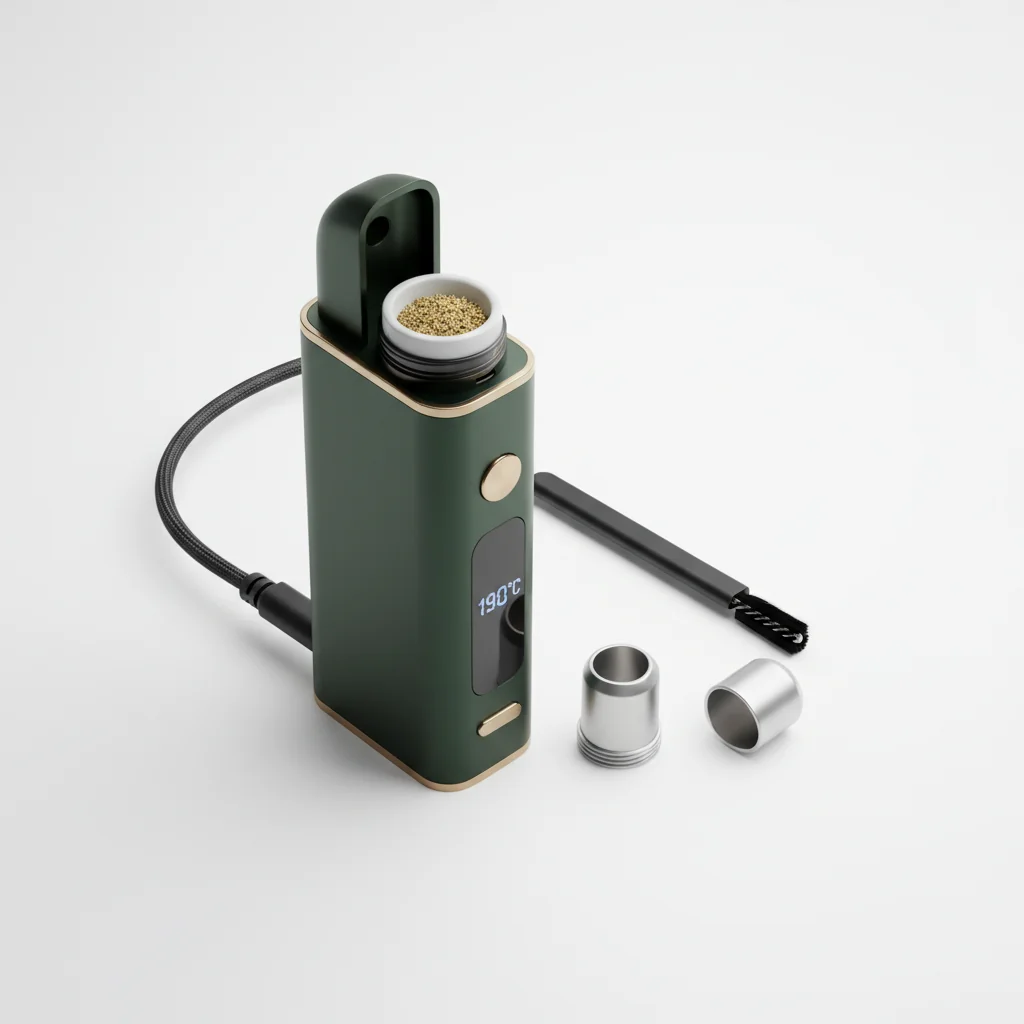
Cannabisliefhebbers vragen zich vaak af wat ze moeten doen met de bruine, knapperige resten van hun verdampte cannabis. Dit overgebleven materiaal, bekend alsReeds verdampt knop (AVB), is verre van nutteloos. Met een beetje creativiteit en kennis kan AVB worden omgevormd tot een verscheidenheid aan spannende en nuttige producten.
Het gebruik van AVB kan niet alleen uw cannabiservaring verbeteren, maar het bevordert ook de duurzaamheid en biedt een kosteneffectieve manier om uw investering in cannabis te maximaliseren. In deze handleiding onderzoeken we het potentieel van AVB, met praktische tips en stapsgewijze instructies om u te helpen het meeste uit uw restjes te halen. Of je nu geïnteresseerd bent in koken, knutselen of gewoon experimenteren, AVB heeft iedereen iets te bieden.
snel antwoord
AVB, of al verdampte knop, kan op verschillende manieren worden hergebruikt, zoals het maken van eetwaren, het maken van tincturen of het verbeteren van uw rookervaring. Door de verminderde potentie is het perfect voor diegenen die hun cannabisvoorraad willen oprekken.
inhoudsopgave
- eetwaren
- smaak
- capsule
4. Stapsgewijze handleiding voor het maken van AVB-edibles
5. Tips voor het opslaan van AVB
6. Overwegingen op het gebied van veiligheid en dosering
7. conclusie
AVB begrijpen: wat is het?
Reeds verdampt knop (AVB)Verwijst naar het cannabismateriaal dat is achtergelaten nadat het is gebruikt in een droge kruidenverdamper. In tegenstelling tot roken, verdampt het verdampen het plantmateriaal niet, waardoor sommige cannabinoïden en terpenen in de knop kunnen blijven. Deze overgebleven cannabis is meestal een lichte tot donkerbruine kleur en heeft een geroosterd aroma.
AVB is minder krachtig dan verse cannabis, omdat het verdampingsproces een aanzienlijk deel van de cannabinoïden verwijdert. Het bevat echter nog steeds voldoende THC, CBD en andere cannabinoïden om effectief te zijn voor secundair gebruik.
Hoe krachtig is AVB?
De potentie van AVB hangt grotendeels af van de temperatuur waarbij het werd gevaped. Lagere temperaturen hebben de neiging om meer cannabinoïden achter te laten, waardoor de AVB krachtiger wordt. Voor een gedetailleerd begrip van de verdampingstemperaturen, zie onzeVerdamper temperatuur gids.
Gemiddeld bevat AVB ongeveer 20-30% van de originele cannabinoïden, waardoor het ideaal is voor milde effecten of voor degenen die de voorkeur geven aan een minder intense ervaring. Het is belangrijk op te merken dat de restkracht kan variëren, dus begin altijd met een kleine hoeveelheid bij het experimenteren met AVB.
Top toepassingen voor AVB
eetwaren
AVB is perfect om te makenMet cannabis doordrenkte eetwaren. Omdat de cannabis tijdens het vapen al gedecarboxyleerd is, is het klaar om te worden gebruikt in recepten zonder extra voorbereiding. Maal uw AVB gewoon met een kwaliteit[ slijpsteen](https://munchmakers.com/grinders/), en voeg het rechtstreeks toe aan uw favoriete recepten, zoals brownies, koekjes of zelfs smoothies.
smaak
Het maken van een AVB-tinctuur is een eenvoudig proces waarbij de AVB gedurende enkele weken in hoogbestendige alcohol wordt geweekt. Dit resulteert in een krachtig vloeibaar extract dat sublinguaal kan worden gebruikt of aan andere producten kan worden toegevoegd.
capsule
Overweeg om capsules te maken voor een handige en discrete manier om AVB te consumeren. Vul lege capsules met gemalen AVB met een capsulemachine of handmatig met een lepel. Capsules bieden nauwkeurige dosering en zijn gemakkelijk mee te nemen.
Roken AVB
Hoewel niet zo smaakvol of krachtig als verse cannabis, kan AVB nog steeds worden gerookt. Het kan worden gemengd met verse cannabis om de effecten ervan te versterken of zelf roken met eenglazen pijpof eenwaterpijp.
Ingefundeerde oliën
AVB kan worden ingebracht in oliën zoals kokosnoot of olijfolie, waardoor een veelzijdig ingrediënt ontstaat voor koken of actuele toepassingen. Om AVB-geïnfuseerde olie te maken, laat u de AVB en olie enkele uren samen sudderen op een lage temperatuur en vervolgens het plantaardige materiaal eruit zeven.
Stapsgewijze handleiding voor het maken van AVB-edibles
1. Verzamel je ingrediënten:
- AVB
- boter of olie
- Je favoriete eetbare recept
2. Bereid de AVB voor:
- Gebruik eenslijpsteenOm ervoor te zorgen dat de AVB fijn geslepen is.
3. Infuseren van de boter/olie:
- Smelt de boter of verwarm de olie op laag.
- Voeg de AVB toe en laat 2-3 uur sudderen, af en toe roeren.
- Zeef het mengsel door een kaasdoek om het plantaardige materiaal te verwijderen.
4. Bak je edibles:
- Gebruik de doordrenkte boter/olie in het gewenste recept.
- Volg de receptinstructies en geniet van uw zelfgemaakte AVB-edibles.
Tips voor het opslaan van AVB
- Houd het droog:Bewaar AVB in een droge, luchtdichte container om schimmelgroei te voorkomen.
- label duidelijk:Markeer de container met de datum en de geschatte potentie voor gemakkelijke referentie.
- Vermijd zonlicht:Bewaar op een koele, donkere plek om de potentie te behouden.
Overwegingen op het gebied van veiligheid en dosering
- Begin klein:Begin met een kleine hoeveelheid AVB om de effecten ervan te meten, vooral wanneer u een nieuwe consumptiemethode probeert.
- Wees bewust van potentie:Onthoud dat de potentie kan variëren op basis van de originele cannabis- en vaping-temperatuur.
- Bewaak effecten:Zoals bij elk cannabisproduct, moet u de reactie van uw lichaam in de gaten houden en de dosering dienovereenkomstig aanpassen.
conclusie
Hergebruiken AVB is een fantastische manier om de levensduur van je cannabis te verlengen en nieuwe consumptiemethoden te verkennen. Of je nu eetwaren maakt, tincturen brouwt of gewoon nieuwsgierig bent naar dit veelzijdige materiaal, AVB biedt eindeloze mogelijkheden. Vergeet niet om op een verantwoorde manier te consumeren en te genieten van de reis van het ontdekken van alles wat AVB te bieden heeft.
Voor meer informatie over het kiezen van de juiste verdamper, bekijk onzeDroog kruid versus concentraat vapesgids. Als u nieuwsgierig bent naar het onderhoud van uw verdamper voor optimale prestaties, bezoek dan onzeHoe maak je je verdamper schoonartikel.
Frequently Asked Questions
Reeds Vaped Bud (AVB) is het overgebleven cannabismateriaal dat overblijft na het gebruik van een verdamper. Het bevat verminderde maar nog steeds aanwezige niveaus van cannabinoïden, waardoor het nuttig is voor verschillende doeleinden.
Ja, AVB kan opnieuw worden gebruikt omdat het nog steeds cannabinoïden bevat. Het kan worden gebruikt in edibles, tincturen of zelfs gerookt, hoewel de potentie lager zal zijn in vergelijking met verse cannabis.
Om eetwaren te maken met AVB, kunt u het in boter of olie inbrengen door het enkele uren zachtjes te verwarmen. Dit geïnfuseerde product kan vervolgens in verschillende recepten worden gebruikt om cannabis-edibles te maken.
AVB is over het algemeen veilig om te consumeren, omdat het verdampingsproces de cannabis decarboxyleert en de cannabinoïden activeert. Het is echter belangrijk om rekening te houden met de kwaliteit van de originele cannabis en eventuele verontreinigingen.
Bewaar AVB in een luchtdichte verpakking op een koele, donkere plaats om de potentie te behouden. Een goede opslag helpt voorkomen dat het verouderd of vervuild wordt.
Ja, je kunt AVB roken, hoewel het misschien minder krachtig is en een andere smaak heeft dan verse cannabis. Sommige gebruikers mengen het met verse cannabis om de effecten te versterken.
Related Guides

510 Thread Batteries: Complete Guide to Vape Pen Batteries
Everything you need to know about 510 thread batteries for vape cartridges. Learn about voltage settings, battery types, features to look for, and how to choose the right battery for your cartridges.
Best Vaporizer Temperature Settings: Effects at Each Level
Comprehensive guide about best vaporizer temperature settings: effects at each level. Learn everything you need to know with expert tips and detailed instructions.

Conduction vs Convection Vaporizers: Heating Methods Explained
Understand the difference between conduction and convection heating in vaporizers. Learn how each method affects flavor, vapor quality, efficiency, and which is best for your vaping style.