
How to Clean Your Vaporizer: Complete Maintenance Guide

David Martinez
Concentrate Expert
How to Clean Your Vaporizer: Complete Maintenance Guide
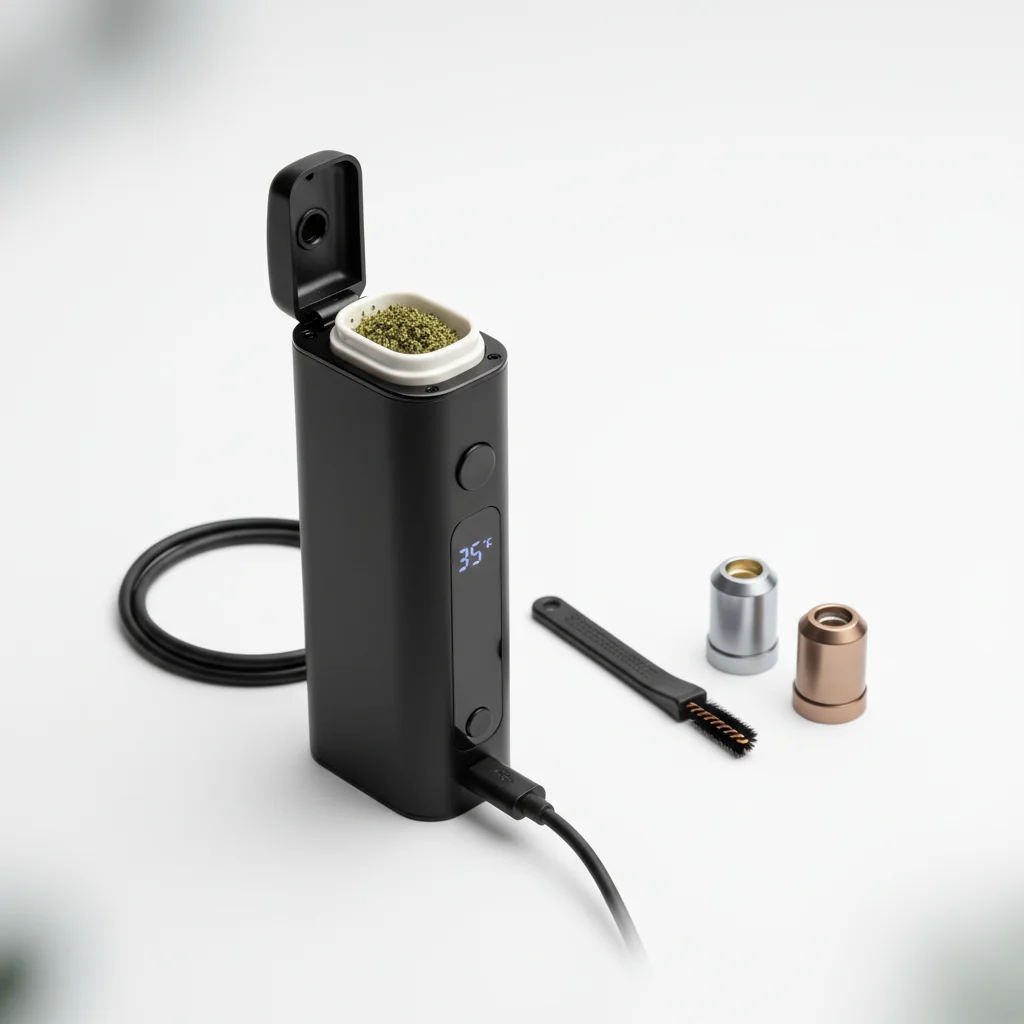
Cleaning your vaporizer regularly is essential for maintaining optimal performance and ensuring a smooth vaping experience. Whether you're a beginner or a seasoned enthusiast, understanding how to properly clean your device can significantly extend its lifespan and enhance the flavor of your cannabis. This comprehensive guide will walk you through the steps of cleaning different types of vaporizers, along with some handy tips to make the process easier.
Vaporizers come in various forms and serve different purposes, from dry herb vaporizers to concentrate models. Each type requires slightly different maintenance techniques, but all share the common goal of delivering clean, flavorful hits. Let's dive into the details of keeping your vaporizer in tip-top shape.
Quick Answer
For a quick and effective vaporizer cleaning, disassemble your device, soak removable parts in isopropyl alcohol, gently scrub away residue, rinse with water, and let it dry completely. Regular cleaning ensures better performance and flavor from your vaporizer.
Table of Contents
- Why Cleaning Your Vaporizer is Important
- Tools and Materials You Will Need
- Step-by-Step Cleaning Process
- Tips for Maintaining Your Vaporizer
- Common Mistakes to Avoid
- Conclusion
Why Cleaning Your Vaporizer is Important
Regular cleaning of your vaporizer is crucial for several reasons. First, it ensures that you get the best possible flavor from your cannabis. Residue from previous sessions can build up and alter the taste of your vapor. Second, cleaning prevents clogs and ensures that your device functions smoothly. Over time, buildup can block airflow, leading to inefficient vaporization.
Moreover, a clean vaporizer is more hygienic, reducing the risk of inhaling potentially harmful bacteria or mold. Regular maintenance not only extends the life of your device but also enhances your overall vaping experience.
Tools and Materials You Will Need
Before you begin cleaning your vaporizer, gather the following tools and materials to make the process smoother:
- Isopropyl Alcohol (90% or higher)
- Cotton Swabs or Pipe Cleaners
- Small Brush (like a toothbrush)
- Microfiber Cloth
- Warm Water
- Small Bowl
Having these items on hand will help you efficiently clean every part of your vaporizer.
Step-by-Step Cleaning Process
1. Disassemble the Vaporizer
Start by carefully taking apart your vaporizer. Refer to the manufacturer's instructions if you're unsure how to disassemble your specific model. Generally, you will need to remove the mouthpiece, chamber, and any other detachable parts.
2. Clean the Mouthpiece
- Soak: Place the mouthpiece in a bowl of isopropyl alcohol for about 20 minutes.
- Scrub: Use a cotton swab or small brush to remove any stubborn residue.
- Rinse: Rinse the mouthpiece with warm water and allow it to dry completely on a clean cloth.
3. Clean the Chamber
- Brush: Use a small brush to remove any loose particles from the chamber.
- Alcohol Wipe: Soak a cotton swab in isopropyl alcohol and gently clean the chamber walls.
- Dry: Let the chamber air dry before reassembling.
4. Clean the Heating Element
Be cautious when cleaning the heating element, as it can be delicate. Avoid soaking it in alcohol.
- Brush: Gently brush away any buildup.
- Swab: Use a slightly damp cotton swab with alcohol to clean the element, ensuring not to oversaturate it.
5. Reassemble Your Vaporizer
Once all parts are clean and dry, reassemble your vaporizer. Make sure each component is securely in place. Test the device to ensure it operates smoothly.
Tips for Maintaining Your Vaporizer
Consistent maintenance can prolong the life of your vaporizer. Here are some tips:
- Empty the Chamber: After each use, empty the chamber to prevent residue buildup.
- Use a Grinder: Using a quality cannabis grinder ensures even burning and less residue.
- Store Properly: Keep your vaporizer in a cool, dry place to avoid moisture damage.
For more insights on vaporizer use, check out our Vaporizer Temperature Guide.
Common Mistakes to Avoid
- Overusing Alcohol: Excessive use of alcohol can damage some materials. Use it sparingly and rinse thoroughly.
- Not Drying Completely: Always ensure all parts are completely dry before reassembly to prevent electrical damage.
- Neglecting Regular Cleaning: Make cleaning a regular part of your vaping routine to avoid extensive buildup.
Conclusion
A clean vaporizer is key to enjoying the full flavor and effects of your cannabis. By following the steps outlined in this guide and maintaining a regular cleaning schedule, you can ensure your device provides optimal performance and longevity. For more tips on choosing the right vaporizer or understanding the differences between dry herb and concentrate vapes, explore our other guides. Happy vaping!
Frequently Asked Questions
You should clean your vaporizer after every few uses to maintain optimal performance and taste. Regular maintenance can also extend the lifespan of your device.
Basic tools include isopropyl alcohol, cotton swabs, and a soft brush. Some vaporizers may also come with manufacturer-specific cleaning tools.
Water can be used to rinse certain parts, but avoid using it on electronic components. Always ensure parts are completely dry before reassembling your vaporizer.
The mouthpiece can often be soaked in isopropyl alcohol for a few minutes, then rinsed with warm water. Use a small brush to remove any remaining residue.
Gently brush out any loose particles, then use a cotton swab dipped in isopropyl alcohol to wipe away residue. Allow it to dry completely before use.
Residual build-up or improper drying after cleaning can affect taste. Ensure all parts are thoroughly cleaned and dried, and consider replacing any worn-out components.
Related Guides

510 Thread Batteries: Complete Guide to Vape Pen Batteries
Everything you need to know about 510 thread batteries for vape cartridges. Learn about voltage settings, battery types, features to look for, and how to choose the right battery for your cartridges.
Best Vaporizer Temperature Settings: Effects at Each Level
Comprehensive guide about best vaporizer temperature settings: effects at each level. Learn everything you need to know with expert tips and detailed instructions.

Conduction vs Convection Vaporizers: Heating Methods Explained
Understand the difference between conduction and convection heating in vaporizers. Learn how each method affects flavor, vapor quality, efficiency, and which is best for your vaping style.