
すでに電子タバコを吸ったつぼみ (AVB): 残り物をどうするか

David Martinez
Concentrate Expert
すでに電子タバコを吸ったつぼみ (AVB): 残り物をどうするか
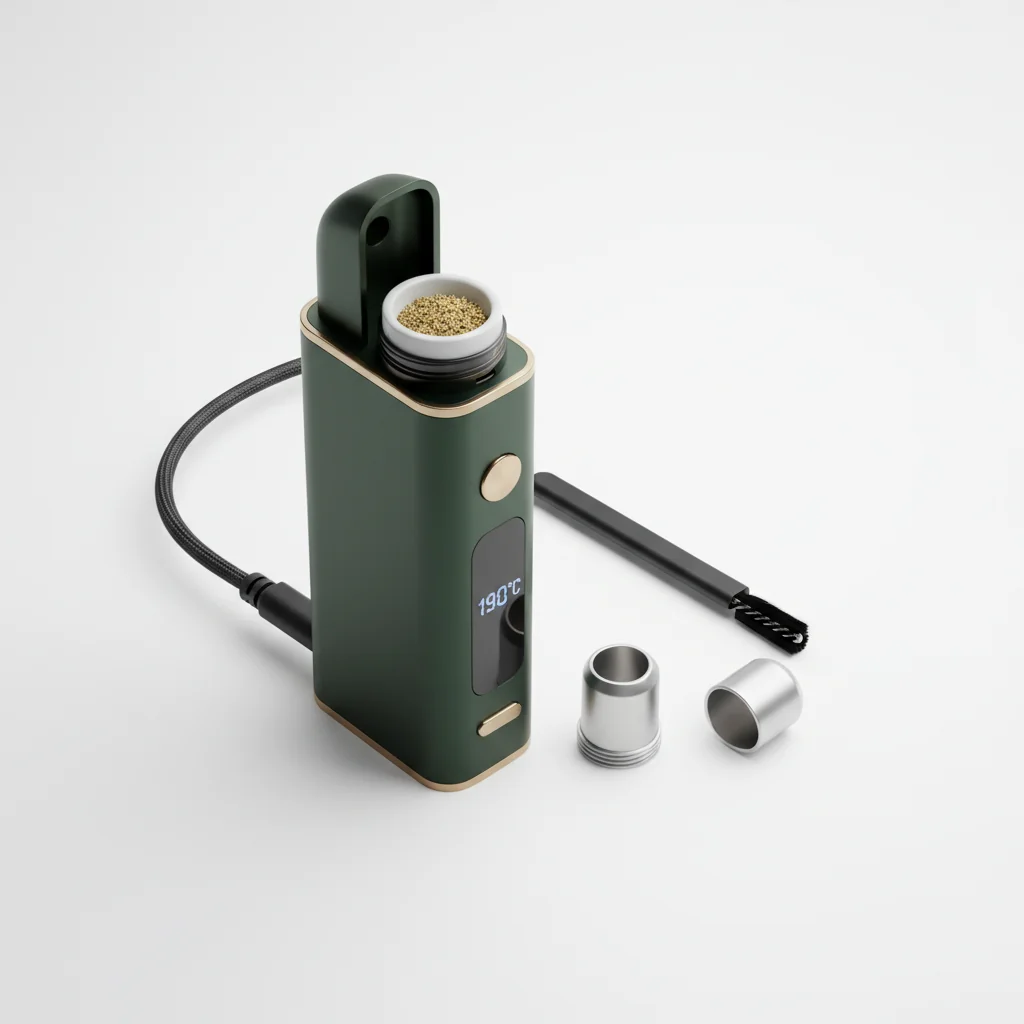
大麻愛好家は、気化した大麻の茶色でサクサクした残骸をどうするか疑問に思うことがよくあります。 として知られているこの残りの素材すでに電子タバコを吸ったつぼみ (AVB)、役に立たないというわけではありません。 少しの創造性と知識があれば、AVB はさまざまなエキサイティングで便利な製品に再利用できます。
AVB を利用すると、大麻の体験が向上するだけでなく、持続可能性が促進され、大麻への投資を最大化するための費用対効果の高い方法も提供されます。 このガイドでは、AVB の可能性を探ります。残り物を最大限に活用するための実用的なヒントと段階的な手順を提供します。 料理に興味がある場合でも、単に実験することでも、AVB にはすべての人が提供するものがあります。
迅速な答え
AVB、またはすでに電子タバコを吸ったつぼみは、食用にする、チンキ剤の作成、喫煙体験の強化など、さまざまな方法で再利用できます。 効力が低下するため、大麻の供給を伸ばしたい人に最適です。
目次
2. AVB の強力な機能は?
3. AVB の最も重要な用途
- 食用
- チンキ
- カプセル
- 喫煙AVB
- 注入油
7. 結論
AVB を理解する: それは何ですか?
すでに電子タバコを吸ったつぼみ (AVB)ドライハーブ気化器で使用した後に残された大麻の材料を指します。 喫煙とは異なり、気化は植物材料を燃焼させず、一部のカンナビノイドとテルペンを芽の中に残すことができます。 この残りの大麻は、通常、淡褐色で、トーストした香りがします。
AVB は、気化プロセスによってカンナビノイドのかなりの部分を除去するため、新鮮な大麻よりも強力ではありません。 ただし、二次使用に効果的である十分な THC、CBD、およびその他のカンナビノイドがまだ含まれています。
AVB の強力な機能は?
AVB の効力は、それが蒸気を吸った温度に大きく依存します。 気温が低いと、カンナビノイドが多くなり、AVB がより強力になります。 気化温度の詳細な理解については、当社の気化器温度ガイド.
AVB には、平均して、元のカンナビノイドの約 20 ~ 30% が含まれているため、軽度の効果や、それほど強い経験を好む人に最適です。 残留効力は異なる可能性があるため、AVB を試すときは常に少量から始めてください。
AVB の最も重要な用途
食用
AVB は作るのに最適です大麻を注入した食用。 大麻は電子タバコを吸いながら脱炭酸されているため、追加の準備をせずにレシピに使用する準備ができています。 品質を使って AVB を磨くだけです[ グラインダー](https://munchmakers.com/grinders/) で、ブラウニー、クッキー、さらにはスムージーなど、お気に入りのレシピに直接追加します。
チンキ
AVB チンキを作成することは、AVB を高耐圧アルコールに数週間浸す簡単なプロセスです。 これにより、舌下で使用するか、他の製品に加えることができる強力な液体抽出物が得られます。
カプセル
AVB を消費するための便利で目立たない方法については、カプセルの製造を検討してください。 空のカプセルに、カプセル マシンを使用して、またはスプーンで手動で AVB を粉砕します。 カプセルは正確な投与量を提供し、持ち運びが簡単です。
喫煙AVB
新鮮な大麻ほど風味豊かでも強力でもありませんが、AVB は喫煙できます。 新鮮な大麻と混合して効果を高めるか、またはそれ自体でスモークすることができます。ガラス管それかAボン.
注入油
AVB は、ココナッツやオリーブ オイルなどのオイルに注入でき、料理や局所的な用途に使用できる用途の広い食材を作り出すことができます。 AVB を注入したオイルを作るには、AVB とオイルを低温で数時間煮込み、次に植物材料を濾します。
AVB 食用の段階的なガイド
1. 材料を集める:
- AVB
- バターまたはオイル
- お気に入りの食用レシピ
2. AVB を準備します。
- を使用するグラインダーAVB が細かく研磨されていることを確認するため。
3. バター/オイルを注入します。
- バターを溶かすか、油を弱火で加熱します。
- AVB を加えて、時々かき混ぜながら 2 ~ 3 時間煮ます。
- 混合物をチーズクロスにかけて濾して植物の材料を取り除きます。
4. 食用を焼く:
- 注入したバター/オイルをお好みのレシピに使用してください。
- レシピの指示に従って、自家製の AVB 食用食品をお楽しみください。
AVB を保存するためのヒント
- 乾いたままにしてください:金型の成長を防ぐために、AVB を乾燥した気密容器に保管してください。
- 明確にラベルを付ける:簡単に参照できるように、コンテナーに日付と推定効力をマークします。
- 日光を避ける:冷静な場所に保管して、効力を維持します。
安全性と投与量に関する考慮事項
- 小さく始める:特に新しい消費方法を試す場合は、その影響を測定するために少量の AVB から始めます。
- 効力に気をつけてください:効力は、元の大麻と蒸気の温度によって異なる可能性があることに注意してください。
- モニター効果:大麻製品と同様に、体の反応を監視し、それに応じて投与量を調整します。
結論
AVB の再利用は、大麻の寿命を延ばし、新しい消費方法を探求する素晴らしい方法です。 食用品を作ったり、チンキを醸造したり、この用途の広い素材に興味があるだけでも、AVB は無限の可能性を提供します。 常に責任を持って消費し、AVB が提供するすべてのものを発見する旅を楽しむことを忘れないでください。
適切な気化器の選択について詳しくは、当社のドライハーブと濃縮蒸気の蒸気ガイド。 最適なパフォーマンスのために気化器を維持することに興味がある場合は、当社の気化器の掃除方法記事。
Frequently Asked Questions
すでに蒸気を吸った芽 (AVB) は、気化器を使用した後に残った残りの大麻の材料です。 カンナビノイドのレベルが低下しているが、それでも存在するため、さまざまな目的に役立ちます。
はい、AVB にはカンナビノイドが含まれているため、再利用できます。 新鮮な大麻に比べて効力は低くなりますが、食用品、チンキ剤、または燻製に使用できます。
AVB で食用にする場合は、数時間軽く加熱してバターまたはオイルに注入することができます。 この注入された製品は、さまざまなレシピで大麻食用品を作るために使用できます。
AVB は一般に、気化プロセスが大麻を脱炭酸し、カンナビノイドを活性化するため、安全に消費します。 ただし、元の大麻の品質と潜在的な汚染物質を考慮することが重要です。
AVB を気密容器に入れて、その効力を維持するために、涼しく暗い場所に保管します。 適切な保管方法は、古いものや汚染を防ぐのに役立ちます。
はい、AVB を吸うことができますが、AVB は生み出されますが、生の大麻とは異なる味わいで、異なる味わいを持っているかもしれません。 一部のユーザーは、効果を高めるために、新鮮な大麻と混ぜます。
Related Guides

510 Thread Batteries: Complete Guide to Vape Pen Batteries
Everything you need to know about 510 thread batteries for vape cartridges. Learn about voltage settings, battery types, features to look for, and how to choose the right battery for your cartridges.
Best Vaporizer Temperature Settings: Effects at Each Level
Comprehensive guide about best vaporizer temperature settings: effects at each level. Learn everything you need to know with expert tips and detailed instructions.

Conduction vs Convection Vaporizers: Heating Methods Explained
Understand the difference between conduction and convection heating in vaporizers. Learn how each method affects flavor, vapor quality, efficiency, and which is best for your vaping style.