
Convection vs Conduction Vaporizers: Complete Comparison

David Martinez
Concentrate Expert
Convection vs Conduction Vaporizers: Complete Comparison
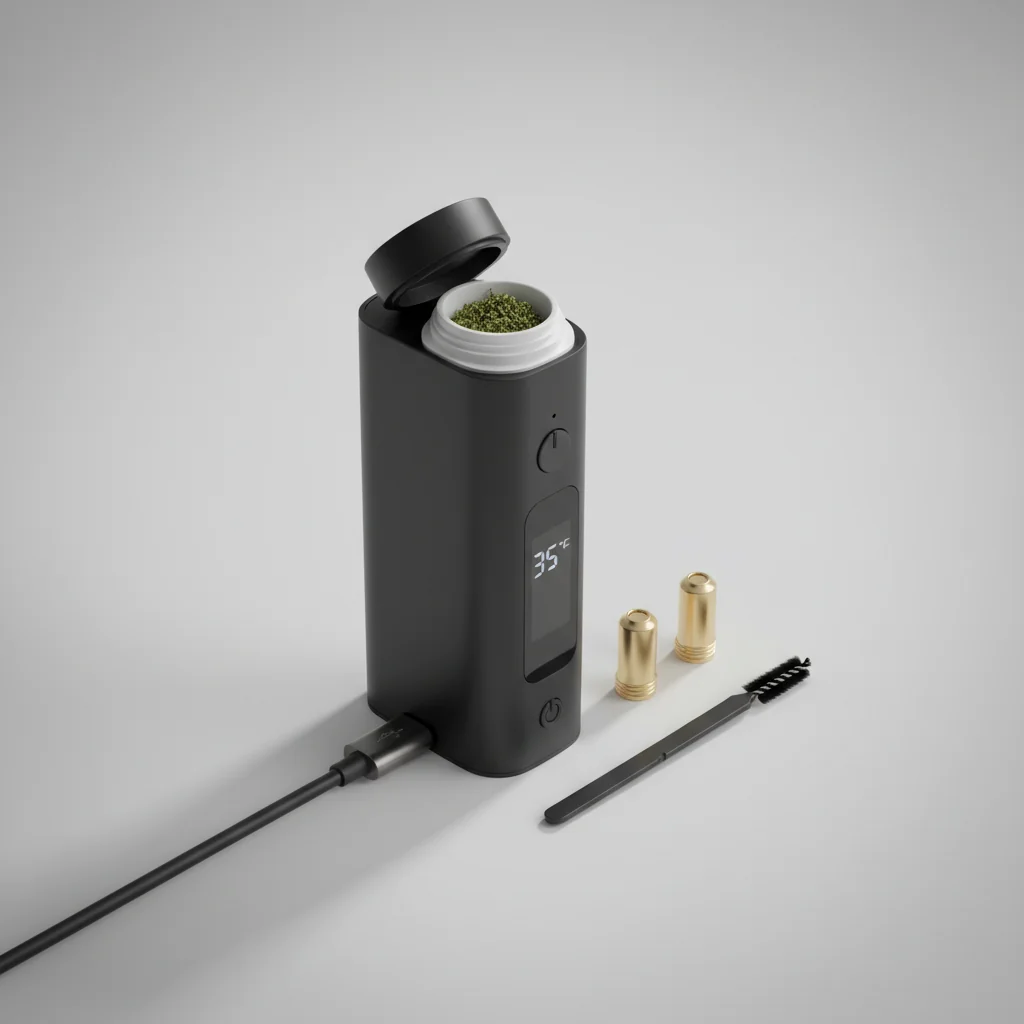
Vaporizing cannabis has become a popular choice for enthusiasts seeking a cleaner, more flavorful experience. With numerous options available, understanding the differences between convection and conduction vaporizers is crucial for making an informed decision. These two types of vaporizers operate on distinct principles, affecting everything from flavor to efficiency.
Whether you're a seasoned user looking to optimize your experience or a newcomer aiming to make the right purchase, this guide will delve into the nuances of convection and conduction vaporizers. By comparing these technologies, you'll be equipped to choose the vaporizer that best suits your needs, ensuring a satisfying and responsible cannabis consumption experience.
Table of Contents
1. Quick Answer
3. What is a Convection Vaporizer?
4. What is a Conduction Vaporizer?
5. Convection vs Conduction: Key Differences
6. Choosing the Right Vaporizer for You
7. Practical Tips for Vaporizer Use
8. Conclusion
Quick Answer
Convection vaporizers use hot air to heat cannabis material, providing even heating and better flavor but often at a higher cost. Conduction vaporizers directly heat the material on a hot surface, making them cheaper and quicker but potentially uneven in heating. Your choice depends on your preferences for flavor, efficiency, and budget.
Understanding Vaporization
Vaporization is a method of heating cannabis to a temperature that releases active compounds like THC and CBD without combustion. This process is considered healthier than smoking because it avoids the inhalation of harmful toxins and carcinogens produced by burning.
Vaporizers come in various forms, including dry herb vaporizers and concentrate vapes. For an in-depth comparison, check out our dry-herb-vs-concentrate-vapes guide. The main focus here is on how convection and conduction methods differ in their approach to vaporization.
What is a Convection Vaporizer?
Convection vaporizers heat cannabis indirectly by passing hot air through the material. This method ensures consistent temperature distribution and results in a more even extraction of cannabinoids and terpenes, enhancing flavor and efficiency.
Pros:
- Even Heating: Reduces the risk of combustion and uneven heating.
- Superior Flavor: Preserves terpenes for a richer taste.
- Efficiency: Maximizes extraction of active compounds.
Cons:
- Cost: Generally more expensive than conduction vaporizers.
- Size: Often bulkier due to additional components.
For those who value flavor and efficiency, convection vaporizers are a compelling choice.
What is a Conduction Vaporizer?
Conduction vaporizers work by directly heating the cannabis material on a hot surface. This method is straightforward and typically results in faster heat-up times, making it popular for its simplicity and affordability.
Pros:
- Affordability: Usually less expensive than convection models.
- Portability: Often more compact and discreet.
- Quick Heat-up: Reaches desired temperature rapidly.
Cons:
- Uneven Heating: Risk of hotspots and combustion.
- Flavor: May not preserve terpenes as well as convection.
Conduction vaporizers are ideal for users seeking convenience and cost-effectiveness.
Convection vs Conduction: Key Differences
- Heating Method: Convection uses hot air; conduction uses direct contact.
- Flavor Profile: Convection offers better flavor; conduction may result in a burnt taste.
- Efficiency: Convection extracts more cannabinoids; conduction can be less efficient.
- Cost and Portability: Conduction is cheaper and more portable; convection often costs more and is larger.
For those interested in how temperature affects vaporization, explore our vaporizer-temperature-guide.
Choosing the Right Vaporizer for You
When selecting a vaporizer, consider the following factors:
1. Budget: Conduction vaporizers are generally more affordable.
2. Flavor and Efficiency: Convection vaporizers provide superior flavor and efficiency.
3. Usage Frequency: Frequent users might prefer convection for its efficiency.
4. Portability: If discretion and portability are priorities, conduction is often better.
For additional guidance, our how-to-clean-vaporizer article offers maintenance tips to keep your device performing optimally.
Practical Tips for Vaporizer Use
- Grind Consistently: Use a quality [grinder](https://munchmakers.com/grinders/) for even particle size, enhancing vaporization.
- Pack Loosely: Allow airflow for convection models; pack slightly tighter for conduction.
- Temperature Control: Start at lower temperatures to preserve terpenes, then increase for full extraction.
- Regular Cleaning: Follow our cleaning guide to maintain flavor and function.
Conclusion
Choosing between convection and conduction vaporizers comes down to personal preference and usage style. Convection models excel in flavor and efficiency, while conduction models offer affordability and portability. By understanding the differences and considering your priorities, you can select a vaporizer that enhances your cannabis experience. Remember, responsible and informed use is key to enjoying the benefits of vaporization. For more on cannabis accessories, explore options like glass pipes or [rolling papers](https://munchmakers.com/rolling-papers/).
Frequently Asked Questions
Convection vaporizers heat the air which then passes through the cannabis material, while conduction vaporizers heat the material directly through contact with a hot surface. This results in convection vaporizers generally providing a more even and flavorful vapor.
Related Guides

510 Thread Batteries: Complete Guide to Vape Pen Batteries
Everything you need to know about 510 thread batteries for vape cartridges. Learn about voltage settings, battery types, features to look for, and how to choose the right battery for your cartridges.
Best Vaporizer Temperature Settings: Effects at Each Level
Comprehensive guide about best vaporizer temperature settings: effects at each level. Learn everything you need to know with expert tips and detailed instructions.

Conduction vs Convection Vaporizers: Heating Methods Explained
Understand the difference between conduction and convection heating in vaporizers. Learn how each method affects flavor, vapor quality, efficiency, and which is best for your vaping style.