
Best Cannabis Strains for Pain Relief: Complete Guide
Best Cannabis Strains for Pain Relief: Complete Guide
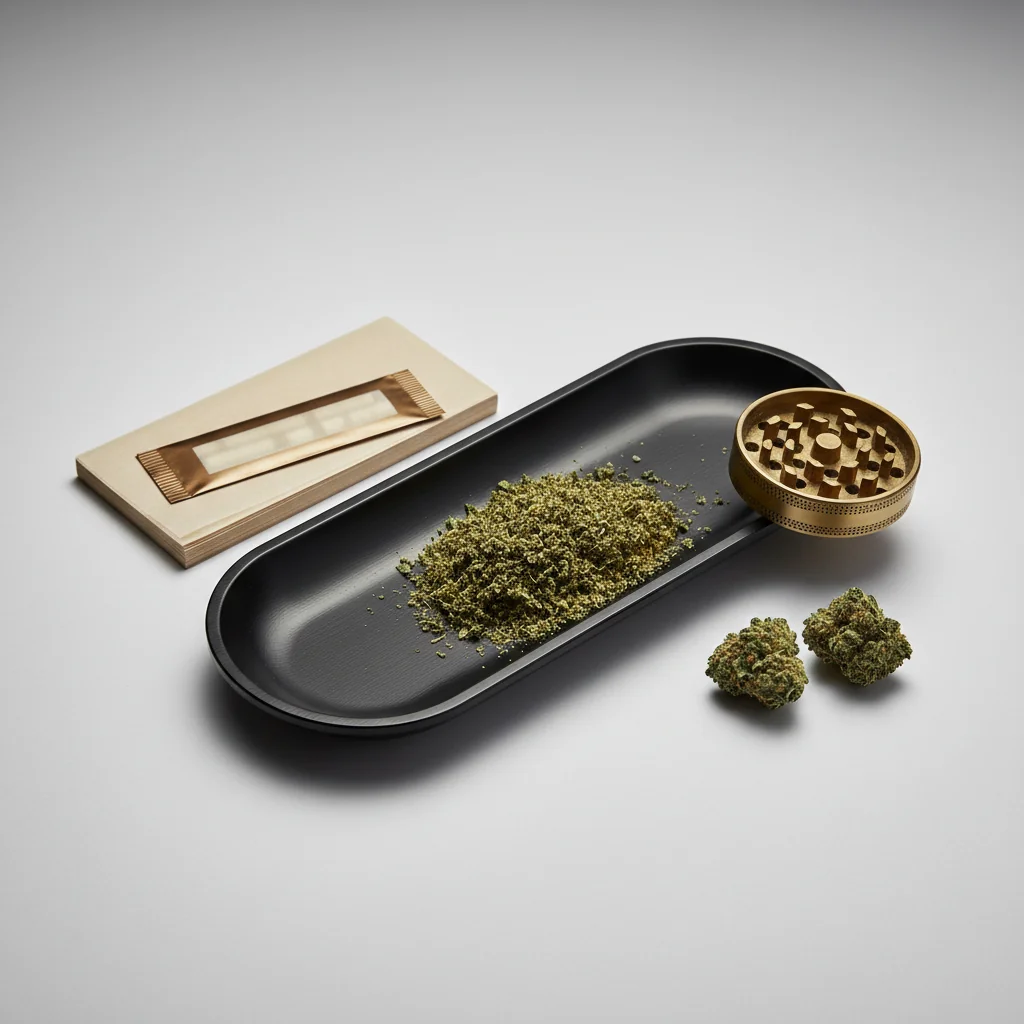
Cannabis has been used for pain relief for thousands of years, and modern research is finally catching up to explain why. Whether you're dealing with chronic pain, inflammation, nerve pain, or muscle tension, specific strains and cannabinoid profiles can provide significant relief.
Quick Answer
For pain relief, indica-dominant strains high in caryophyllene and myrcene terpenes work best for most users. Top strains include ACDC, Harlequin, OG Kush, Granddaddy Purple, and White Widow. Consider THC:CBD ratios—balanced ratios often outperform THC-only for sustained relief. Start with low doses and increase gradually to find your effective amount without excessive intoxication.
Table of Contents
- How Cannabis Relieves Pain
- Top 10 Strains for Pain
- Strains by Pain Type
- THC vs CBD for Pain
- Terpenes for Pain Relief
- Dosing for Pain Management
- Consumption Methods
- Building a Pain Management Routine
- FAQ
How Cannabis Relieves Pain
The Endocannabinoid System and Pain
Your endocannabinoid system (ECS) regulates pain perception through: - CB1 receptors in the brain and nervous system - CB2 receptors in immune cells and peripheral tissues - Natural endocannabinoids that modulate pain signals
Cannabis compounds interact with this system to reduce pain.
Multiple Pain Mechanisms
Cannabis addresses pain through several pathways:
THC effects: - Binds to CB1 receptors, reducing pain signal transmission - Alters pain perception (makes pain less bothersome) - Muscle relaxation - Mood elevation (pain often feels worse when depressed)
CBD effects: - Anti-inflammatory action - May reduce nerve hypersensitivity - Doesn't cause intoxication - Modulates how THC binds to receptors
Terpene effects: - Caryophyllene activates CB2 receptors (anti-inflammatory) - Myrcene provides sedation and muscle relaxation - Linalool offers additional anti-inflammatory properties
Top 10 Strains for Pain
1. ACDC
Type: Sativa-dominant, CBD-rich THC: 1-6% CBD: 14-24% Key Terpenes: Myrcene, pinene, caryophyllene
Exceptionally high CBD with minimal THC makes ACDC ideal for pain relief without significant intoxication. Excellent for daytime use and those new to cannabis.
Best for: Inflammation, daytime pain management, THC-sensitive users
2. Harlequin
Type: Sativa-dominant, balanced THC: 5-10% CBD: 8-16% Key Terpenes: Myrcene, pinene, caryophyllene
Consistent 5:2 CBD:THC ratio provides pain relief with mild, clear-headed effects. Often cited as ideal for remaining functional while managing pain.
Best for: Daytime use, nerve pain, anxiety-prone users
3. OG Kush
Type: Hybrid THC: 20-26% CBD: Low Key Terpenes: Myrcene, limonene, caryophyllene
Classic strain known for heavy body effects and powerful pain relief. The high caryophyllene content adds anti-inflammatory benefits to potent THC.
Best for: Severe pain, evening use, experienced users
4. Granddaddy Purple
Type: Indica-dominant THC: 17-24% CBD: Low Key Terpenes: Myrcene, pinene, caryophyllene
Deep relaxation and body effects make GDP excellent for physical pain. Also helps with the sleep disruption that often accompanies chronic pain.
Best for: Muscle pain, sleep issues from pain, evening use
5. White Widow
Type: Balanced hybrid THC: 18-25% CBD: Low Key Terpenes: Caryophyllene, myrcene, limonene
Balanced effects provide pain relief while maintaining functionality. The euphoria helps with the mental aspects of chronic pain.
Best for: All-day pain management, balanced experience
6. [Blue Dream](/strain/blue-dream)
Type: Sativa-dominant hybrid THC: 17-24% CBD: Low Key Terpenes: Myrcene, pinene, caryophyllene
Gentle full-body relief without heavy sedation. The cerebral effects help distract from pain while body effects address physical discomfort.
Best for: Daytime pain management, mild to moderate pain
7. [Northern Lights](/strain/northern-lights)
Type: Indica THC: 16-21% CBD: Low Key Terpenes: Myrcene, caryophyllene, pinene
Classic indica known for relaxation and pain relief. Strong body high addresses physical pain while promoting rest.
Best for: Evening use, muscle spasms, insomnia from pain
8. [Bubba Kush](/strain/bubba-kush)
Type: Indica-dominant THC: 15-22% CBD: Low Key Terpenes: Caryophyllene, limonene, myrcene
Heavy body effects target physical pain. The tranquilizing properties help with both pain and the tension it causes.
Best for: Severe body pain, stress-related pain, evening use
9. Cannatonic
Type: Hybrid, balanced THC: 7-15% CBD: 7-15% Key Terpenes: Myrcene, pinene, caryophyllene
Near 1:1 THC:CBD ratio offers the benefits of both cannabinoids. Often produces mild euphoria with strong pain relief.
Best for: Balanced effects, muscle spasms, migraines
10. [Girl Scout Cookies](/strain/girl-scout-cookies) ([GSC](/strain/gsc))
Type: Hybrid THC: 25-28% CBD: Low Key Terpenes: Caryophyllene, limonene, humulene
Potent strain with strong body effects despite hybrid classification. Full-body relief with euphoric mental effects.
Best for: Severe pain, experienced users, evening use
Strains by Pain Type
Chronic Pain
Long-term pain conditions benefit from: - Consistent relief: Harlequin, Cannatonic - Evening/flare-up relief: OG Kush, Granddaddy Purple - Daytime management: ACDC, Blue Dream
Nerve Pain (Neuropathic)
Nerve pain responds well to: - High CBD: ACDC, Harlequin - Balanced: Cannatonic, White Widow - THC with caryophyllene: OG Kush
Inflammatory Pain (Arthritis, etc.)
Inflammation-driven pain benefits from: - High CBD: ACDC - High caryophyllene: OG Kush, GSC - Balanced: Harlequin, Cannatonic
Muscle Pain/Spasms
Muscle issues respond to: - Heavy indicas: Granddaddy Purple, Northern Lights - Myrcene-rich: Bubba Kush - Balanced for daytime: Blue Dream
Migraines/Headaches
Head pain often responds to: - Balanced strains: Cannatonic, Harlequin - High CBD: ACDC - OG Kush (for many migraine sufferers)
THC vs CBD for Pain
THC for Pain
How it helps: - Direct pain signal reduction - Muscle relaxation - Mood improvement - Sleep promotion
Best for: - Severe acute pain - Evening/nighttime relief - When functionality isn't required - When sleep is disrupted by pain
Downsides: - Intoxication - Possible anxiety - Tolerance development - Not legal everywhere
CBD for Pain
How it helps: - Anti-inflammatory - Reduces nerve sensitivity - No intoxication - Safe for daytime
Best for: - Inflammatory conditions - Daytime management - THC-sensitive users - Where THC isn't legal - Long-term use (less tolerance)
Downsides: - May be less effective for severe pain - Requires higher doses - Effects less immediately noticeable
Why Balanced Ratios Often Win
Research and patient experience suggest THC:CBD combinations often outperform either alone: - CBD modulates THC's psychoactivity - Both address pain through different mechanisms - Lower THC needed when combined with CBD - Fewer side effects than high-THC alone
Common effective ratios: - 1:1 (THC:CBD) - Balanced relief and function - 1:2 (more CBD) - Relief with minimal high - 2:1 (more THC) - Stronger relief, more intoxication
Terpenes for Pain Relief
Understanding terpenes helps you choose strains beyond names:
Caryophyllene
- Effects: Anti-inflammatory, pain relief
- Aroma: Peppery, spicy
- Why it works: Directly activates CB2 receptors
- Found in: OG Kush, GSC, Bubba Kush
Most important terpene for pain—look for strains high in caryophyllene.
Myrcene
- Effects: Sedating, muscle relaxing
- Aroma: Earthy, musky
- Why it works: Enhances THC effects, muscle relaxation
- Found in: Granddaddy Purple, Blue Dream, OG Kush
Linalool
- Effects: Calming, anti-inflammatory
- Aroma: Floral, lavender
- Why it works: Reduces inflammation, calms nervous system
- Found in: Amnesia Haze, Lavender, LA Confidential
Humulene
- Effects: Anti-inflammatory
- Aroma: Hoppy, earthy
- Why it works: Reduces inflammation
- Found in: GSC, White Widow, Headband
Dosing for Pain Management
Starting Point
If new to cannabis: - Begin with 2.5-5mg THC (or 1-2 small puffs) - Wait 2 hours if using edibles - Note effects on pain scale - Increase gradually
If experienced: - Still start lower than recreational doses - Pain relief often comes before "high" - Find minimum effective dose
Effective Dose Ranges
Tips for Optimal Pain Dosing
1. Find minimum effective dose: Don't overshoot 2. Consider CBD addition: May allow lower THC 3. Note timing: When does pain peak? Dose accordingly 4. Track systematically: Keep pain diary with doses 5. Rotate strains: Helps maintain effectiveness
Consumption Methods for Pain
Smoking/Vaping
Pros: - Fast onset (minutes) - Easy to control dose - Good for breakthrough pain
Cons: - Short duration (1-3 hours) - Respiratory concerns - Frequent redosing needed
Best for: Immediate relief, acute pain spikes
Edibles
Pros: - Long duration (4-8 hours) - No respiratory concerns - Good for overnight relief
Cons: - Slow onset (1-2 hours) - Harder to dose - Can be too strong if misdosed
Best for: Sustained relief, sleep, chronic pain
See our edibles dosing guide for detailed information.
Tinctures
Pros: - Moderate onset (15-45 minutes sublingual) - Good dose control - Flexible—can swallow or hold under tongue
Cons: - Taste can be off-putting - Effects vary by method
Best for: Flexibility, precise dosing
Topicals
Pros: - Localized relief - No intoxication - Can use frequently
Cons: - Only works on local area - Variable absorption
Best for: Joint pain, localized muscle pain, arthritis
Building a Pain Management Routine
Sample Routine (Moderate Chronic Pain)
Morning: CBD tincture or ACDC (non-intoxicating foundation)
Afternoon: Low-dose balanced strain if needed (Harlequin, Cannatonic)
Evening: Indica-dominant for relaxation and sleep prep (Granddaddy Purple, OG Kush)
Breakthrough pain: Vaporized THC strain for immediate relief
Rotating Strains
Use different strains to maintain effectiveness: - Week 1: OG Kush - Week 2: Granddaddy Purple - Week 3: Blue Dream - Week 4: White Widow
Rotation helps prevent single-strain tolerance.
Combining with Other Treatments
Cannabis often works alongside: - Physical therapy - Other medications (consult doctor) - Heat/ice therapy - Exercise - Meditation/stress reduction
It's a tool in the toolkit, not necessarily a standalone solution.
Important Considerations
Medical Supervision
If using cannabis for pain: - Inform your healthcare provider - Discuss interactions with other medications - Monitor for effectiveness over time - Report any side effects
Tolerance Management
Regular use builds tolerance: - Use minimum effective dose - Take periodic breaks if possible - Add CBD to preserve THC sensitivity - Rotate strains
See our tolerance guide for more strategies.
Legal Status
Ensure cannabis is legal for your use: - Medical programs in many states/countries - Recreational where available - CBD often legal where THC isn't
FAQ
Is indica or sativa better for pain?
Indica strains are traditionally preferred for pain due to body-focused, relaxing effects. However, high-CBD strains of either type work well. Terpenes like caryophyllene matter more than indica/sativa classification.
Does CBD or THC work better for pain?
Both help through different mechanisms. THC provides direct pain relief and distraction from pain. CBD reduces inflammation. Many find balanced THC:CBD ratios most effective for sustained relief with fewer side effects.
What strain is best for nerve pain?
ACDC (high CBD), Harlequin, and White Widow are often recommended for neuropathic pain. CBD-rich strains and those high in caryophyllene tend to help with nerve-related pain.
How much cannabis should I use for pain?
Start low (5mg THC or 1-2 puffs) and increase gradually. Pain relief often requires less than getting high. Many find 10-25mg THC effective, but individual needs vary significantly.
Can you build tolerance to cannabis pain relief?
Yes, tolerance develops with regular use. Strategies include: rotating strains, taking occasional breaks when possible, using lowest effective dose, and adding CBD to preserve THC sensitivity.
Will cannabis replace my pain medication?
Possibly for some people, but discuss with your doctor. Many use cannabis to reduce (not eliminate) other medications. Never stop prescribed medications without medical guidance.
Conclusion
Cannabis offers legitimate pain relief through multiple mechanisms, and choosing the right strain and approach can make a significant difference. Focus on strains high in caryophyllene, consider balanced THC:CBD ratios, and find your minimum effective dose.
Pain management with cannabis works best as part of a comprehensive approach—the right strains, proper dosing, and combination with other treatments when appropriate.
For related guides, see terpenes for understanding strain effects, edibles dosing, and strains for sleep if pain disrupts your rest.
Frequently Asked Questions
Indica strains are traditionally preferred for pain due to body-focused, relaxing effects. However, high-CBD strains of either type work well. Terpenes like caryophyllene matter more than indica/sativa.
Both help through different mechanisms. THC provides direct pain relief and distraction from pain. CBD reduces inflammation. Many find balanced THC:CBD ratios most effective.
ACDC (high CBD), Harlequin, and White Widow are often recommended for neuropathic pain. CBD-rich strains and those high in caryophyllene tend to help with nerve-related pain.
Start low (5mg THC or 1-2 puffs) and increase gradually. Pain relief often requires less than getting high. Many find 10-25mg THC effective, but individual needs vary.
Yes, tolerance develops with regular use. Strategies include: rotating strains, taking occasional breaks, using lowest effective dose, and adding CBD to preserve THC sensitivity.
Related Guides
Best Cannabis Strains for Anxiety: Complete Guide
Find the best cannabis strains for anxiety relief. Guide to CBD strains, low-THC options, calming terpenes, dosing tips, and our top 10 strain recommendations.
Best Cannabis Strains for Creativity: Unlock Your Creative Flow
Discover the best cannabis strains for creativity. Learn which sativa and hybrid strains boost creative thinking, artistic flow, and how to use cannabis for creative projects.
Best Cannabis Strains for Focus and Productivity
Discover the best cannabis strains for focus and productivity. Learn which sativas and terpenes enhance concentration, optimal dosing, and how to use cannabis for productive work.