
Best Cannabis Strains for Sleep: Complete Guide
Best Cannabis Strains for Sleep: Complete Guide
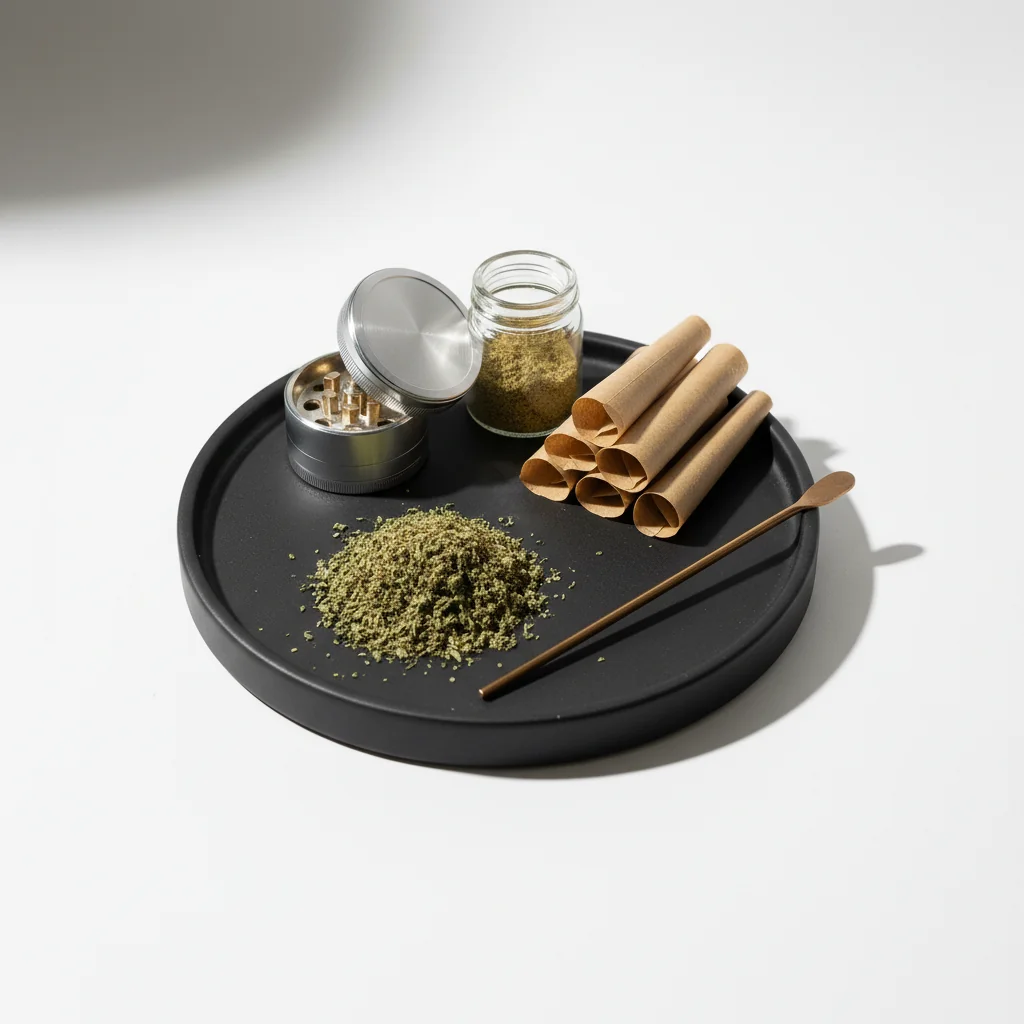
If you struggle with falling asleep, staying asleep, or getting restful sleep, you're not alone—and you may have considered cannabis as a natural sleep aid. Many people find that the right strain helps them relax, quiet racing thoughts, and drift off more easily. This guide covers what to look for in a sleep strain and our top recommendations.
Quick Answer
The best strains for sleep are typically indica-dominant with high myrcene content, moderate to high THC, and often some CBN. Top choices include Granddaddy Purple, Northern Lights, Purple Kush, and 9 Pound Hammer. Consume 1-2 hours before bed, starting with low doses. While cannabis can help you fall asleep faster, it may affect REM sleep quality with regular use.
Table of Contents
- How Cannabis Affects Sleep
- What to Look For in Sleep Strains
- Top 10 Strains for Sleep
- Consumption Methods for Sleep
- Timing Your Dose
- CBD vs THC for Sleep
- Potential Downsides
- Pro Tips
- FAQ
How Cannabis Affects Sleep
The Endocannabinoid System and Sleep
Your endocannabinoid system (ECS) helps regulate sleep-wake cycles. Cannabis interacts with this system, affecting:
- Sleep onset: Many users fall asleep faster
- Sleep duration: Cannabis may increase total sleep time
- Sleep architecture: Affects different sleep stages
- Dreams: THC typically suppresses REM sleep
What the Research Shows
Studies suggest cannabis may: - Reduce time to fall asleep - Increase slow-wave (deep) sleep - Decrease REM sleep (where dreaming occurs) - Help those with pain or anxiety sleep better
Individual Variation
Cannabis affects sleep differently for everyone based on: - Tolerance level - Strain and dose - Underlying sleep issues - Overall health and medications
What to Look For in Sleep Strains
Indica vs Sativa
For sleep, indica-dominant strains are generally preferred: - Physically relaxing - Sedating effects - "Body high" sensation - Calming for mind
Sativa-dominant strains often energize and may keep you awake.
Key Terpenes for Sleep
Myrcene: The most important terpene for sleep - Earthy, musky aroma - Sedating, relaxing effects - Found in hops (used in sleep supplements) - Look for strains with high myrcene content
Linalool: Found in lavender - Floral, calming aroma - Anxiety-reducing - Enhances sedation
Caryophyllene: Spicy, peppery - Anti-anxiety properties - May reduce racing thoughts - Supports relaxation
Cannabinoid Profile
THC: Primary sleep-inducing cannabinoid - Moderate doses (10-20% THC) often ideal - Very high THC can cause anxiety - Helps with sleep onset
CBN: The "sleepy cannabinoid" - Forms as THC ages/degrades - More sedating than THC - Often marketed for sleep - Limited research but promising anecdotes
CBD: Best for anxiety-related sleep issues - Reduces anxiety without intoxication - May help with staying asleep - Balances THC's effects
Top 10 Strains for Sleep
1. Granddaddy Purple
Type: Indica THC: 17-27% Terpenes: Myrcene, Pinene, Caryophyllene
The classic sleep strain. Deep purple buds, grape and berry flavors, and powerful full-body relaxation. GDP is renowned for its ability to melt away stress and prepare you for sleep.
Why it works: High myrcene, strong physical effects, consistent quality
2. Northern Lights
Type: Indica THC: 16-21% Terpenes: Myrcene, Caryophyllene, Limonene
A legendary pure indica that's been helping people sleep since the 1980s. Smooth, comforting effects that ease muscle tension and quiet the mind.
Why it works: Pure indica genetics, reliable sedation, not overwhelming
3. Purple Kush
Type: Indica THC: 17-22% Terpenes: Myrcene, Caryophyllene, Pinene
Another purple powerhouse with a long-lasting body high. Sweet, earthy flavors and profound relaxation make this a nighttime staple.
Why it works: Strong body effects, long duration, deeply relaxing
4. 9 Pound Hammer
Type: Indica THC: 18-23% Terpenes: Myrcene, Pinene, Caryophyllene
Named for its ability to knock you out. Fruity, grape flavors with immediate relaxation. Not for lightweights—this strain lives up to its name.
Why it works: Extremely sedating, fast-acting, potent myrcene
5. Bubba Kush
Type: Indica THC: 15-22% Terpenes: Caryophyllene, Limonene, Myrcene
Sweet, hashy flavors with heavy tranquilizing effects. Bubba Kush provides the perfect wind-down after a stressful day.
Why it works: Classic sedation, stress relief, muscle relaxation
6. Hindu Kush
Type: Indica THC: 15-20% Terpenes: Caryophyllene, Myrcene, Limonene
A landrace strain from the mountains between Pakistan and Afghanistan. Pure indica effects with earthy, sandalwood flavors. Time-tested sleep medicine.
Why it works: Pure landrace genetics, moderate strength, reliable
7. Tahoe OG Kush
Type: Indica-dominant hybrid THC: 20-25% Terpenes: Myrcene, Limonene, Caryophyllene
A potent OG variant known for heavy sedation. Fast-acting with strong physical effects and that classic OG fuel flavor.
Why it works: Potent, fast-acting, excellent for insomnia
8. Afghan Kush
Type: Indica THC: 17-21% Terpenes: Myrcene, Pinene, Caryophyllene
Another landrace indica with centuries of selection for relaxation. Resinous, earthy, and deeply calming.
Why it works: Pure genetics, heavy sedation, traditional sleep strain
9. Grape Ape
Type: Indica THC: 18-21% Terpenes: Myrcene, Pinene, Caryophyllene
Sweet grape flavors with heavy, lazy effects. The gradual onset makes it perfect for evening relaxation leading to sleep.
Why it works: Smooth onset, pleasant flavor, strong body effects
10. God's Gift
Type: Indica THC: 18-25% Terpenes: Myrcene, Caryophyllene, Linalool
A cross of Granddaddy Purple and OG Kush—combining two sleep-friendly lineages. Sweet, hash-like flavor with profound relaxation.
Why it works: Elite genetics, high potency, linalool content
Consumption Methods for Sleep
Smoking/Vaping
Pros: - Fast onset (5-15 minutes) - Easy to dose - Effects predictable
Cons: - Shorter duration (2-3 hours) - May need to re-dose - Smoke/vapor in lungs
Best for: Falling asleep quickly
Edibles
Pros: - Long duration (6-8 hours) - No smoke - Can last through the night
Cons: - Delayed onset (1-2 hours) - Harder to dose accurately - Next-day grogginess possible
Best for: Staying asleep all night
Tinctures
Pros: - Moderate onset (15-45 minutes sublingual) - Precise dosing - No smoke - Flexible duration
Cons: - Taste may be off-putting - Learning curve for dosing
Best for: Customizable approach
CBN Products
Pros: - Specifically marketed for sleep - Often combined with CBD - Various formats available
Cons: - Limited research - Can be expensive - Potency varies
Best for: Those who don't want THC impairment
Timing Your Dose
For Falling Asleep
- Smoking/vaping: 30-60 minutes before bed
- Tinctures: 45-90 minutes before bed
- Edibles: 2-3 hours before bed
For Staying Asleep
Consider: - Edibles for longer duration - Second small dose if you wake up (not recommended regularly) - Extended-release products if available
Creating a Routine
- Consistent timing helps your body anticipate sleep
- Combine with other sleep hygiene practices
- Wind-down activities enhance effects
CBD vs THC for Sleep
THC for Sleep
Best for: - Falling asleep faster - Deep relaxation - Pain-related sleep issues
Considerations: - Psychoactive effects - May affect REM sleep - Tolerance can develop
CBD for Sleep
Best for: - Anxiety-related insomnia - Staying asleep - Those avoiding THC
Considerations: - Not directly sedating - Works better for anxiety than physical relaxation - No psychoactive effects
Combination Approach
Many find a THC:CBD ratio works well: - 1:1 ratio: Balanced, reduced anxiety - 2:1 THC:CBD: More sedating, still balanced - High THC with some CBD: Maximum sedation with reduced anxiety
Potential Downsides
REM Sleep Suppression
THC reduces REM sleep, which may: - Reduce dreaming - Affect memory consolidation - Lead to REM rebound when stopping (vivid dreams)
Tolerance Development
Regular use may lead to: - Needing higher doses - Dependence for sleep - Difficulty sleeping without cannabis
Next-Day Effects
Some users experience: - Morning grogginess - Reduced alertness - "Hangover" feeling
Recommendations
- Use as needed, not every night if possible
- Take tolerance breaks
- Address underlying sleep issues
- Don't use as your only sleep solution
Pro Tips
1. Start low—5-10mg THC or 2-3 small puffs 2. Older cannabis naturally has more CBN (the sleepy cannabinoid) 3. Indica doesn't always mean sleepy—check terpene profiles 4. Avoid sativas before bed even if "relaxing" 5. Combine with sleep hygiene: dark room, cool temp, no screens 6. Consistent timing helps your body prepare for sleep 7. Keep a sleep journal to track what works 8. Edibles work best for staying asleep all night 9. Don't eat a huge meal with edibles—affects absorption 10. CBD can help if THC causes anxiety
FAQ
How much cannabis should I take for sleep?
Start with 5-10mg THC or 2-3 small puffs. Increase gradually over multiple nights until you find your effective dose. Less is often more—too much can actually disrupt sleep.
Will cannabis help with insomnia?
Many people find relief from insomnia with cannabis, especially if related to pain, anxiety, or muscle tension. However, it may not address underlying causes and can create dependence with regular use.
Is it safe to use cannabis for sleep every night?
It can be, but there are considerations: tolerance develops, REM sleep may be affected, and you may become dependent for sleep. Using 3-4 nights per week with breaks is a common approach.
What if cannabis makes me anxious before bed?
Try: lower doses, strains with CBD, indica strains high in myrcene and linalool, or avoiding high-THC options. Anxiety from cannabis often indicates the dose is too high.
Do I need a specific strain or will any indica work?
While most indicas are sedating, specific strains with high myrcene and the right cannabinoid profile work better. Not all indicas are equally sleep-inducing.
How long before bed should I consume cannabis?
Smoking/vaping: 30-60 minutes. Tinctures: 45-90 minutes. Edibles: 2-3 hours. This allows effects to peak around bedtime.
Can I combine cannabis with melatonin or other sleep aids?
Many people do, but consult a healthcare provider. Start with one and add the other carefully. Some cannabis products already contain melatonin.
Conclusion
Cannabis can be an effective sleep aid when used thoughtfully. Look for indica strains high in myrcene, consider your consumption method based on whether you need help falling or staying asleep, and start with low doses.
Remember that cannabis is a tool, not a cure. Combining it with good sleep hygiene—consistent schedule, dark room, no screens—will produce the best results. And if sleep issues persist, consider addressing underlying causes with a healthcare provider.
Explore our strain database to find sleep-friendly options, or check out our cannabis terpenes guide to understand what makes certain strains more sedating.
Frequently Asked Questions
Start with 5-10mg THC or 2-3 small puffs. Increase gradually over multiple nights until you find your effective dose.
Many people find relief from insomnia with cannabis, especially if related to pain or anxiety. However, it may create dependence with regular use.
It can be, but tolerance develops and REM sleep may be affected. Using 3-4 nights per week with breaks is a common approach.
Try lower doses, strains with CBD, or indica strains high in myrcene and linalool. Anxiety often indicates the dose is too high.
Smoking/vaping: 30-60 minutes. Tinctures: 45-90 minutes. Edibles: 2-3 hours before bed.
Related Guides
Best Cannabis Strains for Anxiety: Complete Guide
Find the best cannabis strains for anxiety relief. Guide to CBD strains, low-THC options, calming terpenes, dosing tips, and our top 10 strain recommendations.
Best Cannabis Strains for Creativity: Unlock Your Creative Flow
Discover the best cannabis strains for creativity. Learn which sativa and hybrid strains boost creative thinking, artistic flow, and how to use cannabis for creative projects.
Best Cannabis Strains for Focus and Productivity
Discover the best cannabis strains for focus and productivity. Learn which sativas and terpenes enhance concentration, optimal dosing, and how to use cannabis for productive work.