
Cannabis Tolerance Guide: T-Breaks, Tolerance Building & Management

Sarah Green
Cannabis Educator
Cannabis Tolerance Guide: T-Breaks, Tolerance Building & Management
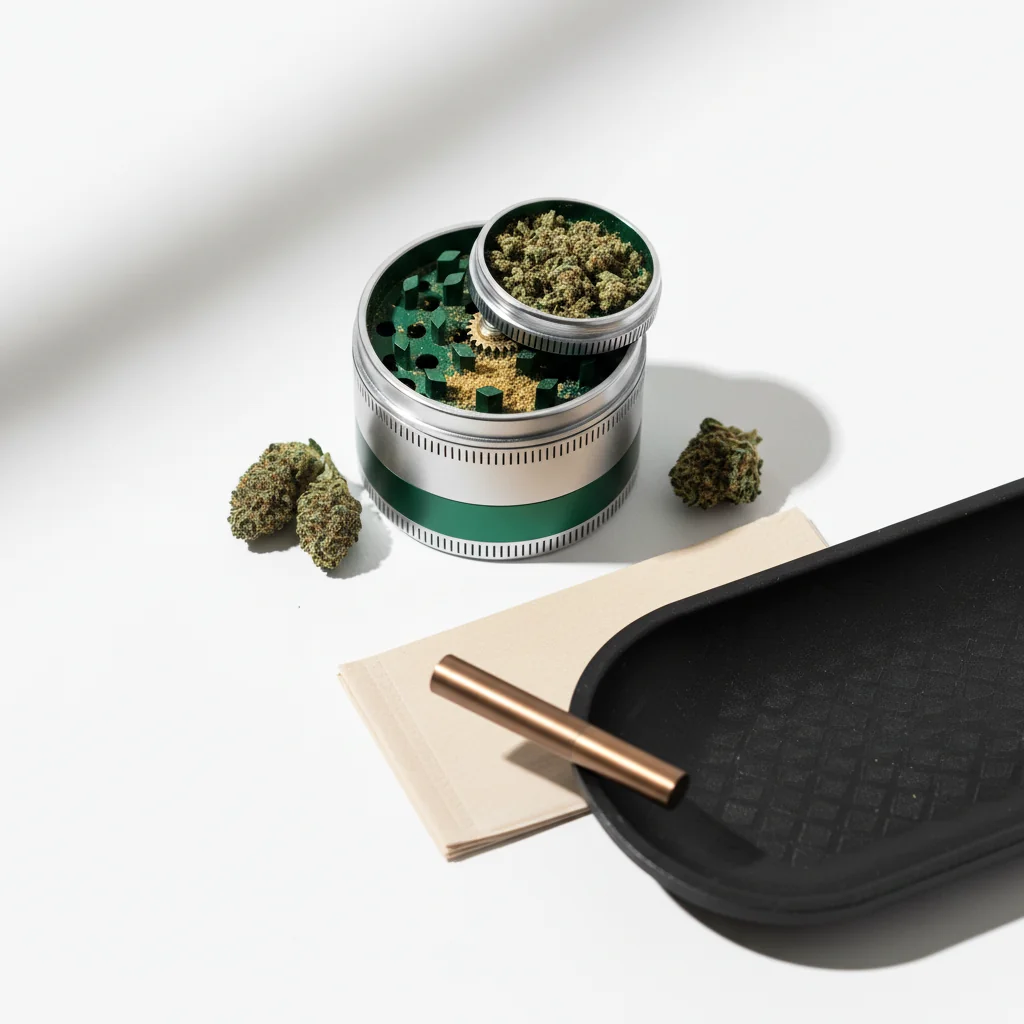
Remember when a single hit got you high? Regular cannabis use builds tolerance—you need more to achieve the same effects. Understanding why tolerance develops and how to manage it helps you maintain cannabis effectiveness while using less.
Quick Answer
Cannabis tolerance develops as CB1 receptors downregulate from regular THC exposure. To manage tolerance: take T-breaks (2-4 weeks for full reset, even 48 hours helps), reduce frequency/dose, switch strains, or add CBD. Withdrawal is typically mild—vivid dreams, irritability, sleep changes—peaking around days 2-3 and resolving within 2 weeks.
Table of Contents
- How Tolerance Works
- Signs Your Tolerance is High
- The Science of T-Breaks
- T-Break Guide
- Managing Withdrawal
- Strategies Without Full Breaks
- Maintaining Lower Tolerance
- FAQ
How Cannabis Tolerance Works
The Endocannabinoid System
Your body has an endocannabinoid system (ECS) that regulates: - Mood - Appetite - Sleep - Pain - Memory - And more
THC mimics your natural endocannabinoids by binding to CB1 receptors in your brain.
Receptor Downregulation
With regular THC exposure: 1. Brain senses constant CB1 activation 2. Receptors retreat into cells (internalize) 3. Fewer receptors available on cell surface 4. Same THC dose produces weaker effects 5. You need more THC to achieve same effect
Types of Tolerance
Acute tolerance: Develops within a single session. Second hit less effective than first.
Short-term tolerance: Builds over days to weeks of regular use.
Long-term tolerance: Months to years of daily use. Significant receptor changes.
Individual Factors
Tolerance development varies based on: - Genetics (receptor density) - Frequency of use - Dose per session - THC potency used - Body fat percentage (THC stores in fat) - Metabolism
Signs Your Tolerance is High
You Notice...
Consumption changes: - Need more to feel effects - Sessions get longer - Using more frequently - Switching to stronger products
Effect changes: - High feels less intense - Duration shortened - Need re-dosing sooner - Effects feel "flat"
Behavioral signs: - Smoking habitually without thinking - No longer feeling "high"—just "normal" - Can function normally while high - Cannabis feels optional despite heavy use
The Ceiling Effect
Eventually, you hit a ceiling where more doesn't help: - Maximum high reached despite increasing dose - Wasting cannabis without added benefit - Chasing effects that won't come
This is the clearest sign a tolerance break is needed.
The Science of T-Breaks
What Happens During a Break
Days 1-3: - THC levels in blood drop - Receptors begin resurfacing - Withdrawal symptoms peak - Most challenging period
Days 4-7: - Significant receptor recovery - Withdrawal easing - Sleep improving - First noticeable tolerance reduction
Weeks 2-4: - Receptors largely recovered - Endocannabinoid system rebalancing - Dreams normalize - Full tolerance reset for most
Research Findings
A 2016 study found CB1 receptor availability returned to normal levels after approximately 4 weeks of abstinence in daily cannabis users. However, significant recovery happens much faster—within days.
How Long Is Long Enough?
T-Break Guide
Before You Start
Choose your timing: - Low-stress period - No events requiring cannabis (pain management, etc.) - Social support available - Plan for sleep challenges
Prepare your environment: - Remove or hide cannabis and paraphernalia - Tell friends/partners about your break - Have distractions ready (exercise, hobbies, etc.) - Stock sleep aids if needed (melatonin, chamomile)
Week 1: The Hardest Part
Days 1-3: - Expect irritability—it's temporary - Sleep may be difficult - Appetite might decrease - Stay busy, exercise if possible - Remind yourself it's temporary
Days 4-7: - Symptoms ease significantly - Sleep improving - Appetite returning - Dreams may be vivid (normal) - Energy increasing
Week 2+
- Most symptoms resolved
- Feel "normal" without cannabis
- Clearer thinking (some report)
- Dream intensity decreasing
- Tolerance significantly lowered
Ending Your Break
Start low: Your tolerance is reset. What you used before may be too much now.
Go slow: Give yourself time between hits to assess.
Enjoy it: This is the payoff—notice how effective cannabis is again.
Mini T-Breaks
Can't do 2+ weeks? Shorter breaks still help:
48-72 hours: Noticeable tolerance reduction 1 week: Significant benefits 3-4 days per week off: Maintains lower tolerance long-term
Managing Withdrawal
Common Symptoms
Not everyone experiences withdrawal, and symptoms are typically mild compared to other substances:
Sleep-related: - Difficulty falling asleep - Vivid, intense dreams - Night sweats - Waking frequently
Mood-related: - Irritability - Anxiety - Restlessness - Mood swings
Physical: - Decreased appetite - Mild headache - Slight nausea
Symptom Timeline
Coping Strategies
For sleep: - Exercise earlier in day (not before bed) - Melatonin (short-term) - Chamomile or valerian tea - No screens 1 hour before bed - Cool, dark room - Consistent bedtime
For mood: - Exercise (releases endocannabinoids naturally) - Stay socially connected - Avoid alcohol (tempting substitute, makes things worse) - Mindfulness or meditation - Remember it's temporary
For appetite: - Eat small frequent meals - Smoothies if eating feels difficult - Don't force large meals - Appetite returns within days
For irritability: - Warn people around you - Exercise aggressively - Get outside - Distraction activities - Deep breathing when frustrated
Strategies Without Full Breaks
Can't or don't want to stop completely? These strategies help:
Reduce Frequency
- Daily → Every other day
- Multiple times daily → Once daily
- Daily → Weekends only
Even reducing from daily to every-other-day significantly impacts tolerance.
Lower Your Dose
- Take fewer hits
- Use less potent products
- Smaller bowls/dabs
- Microdose instead of full sessions
Strain Rotation
Different strains have slightly different cannabinoid and terpene profiles. Rotating strains may help prevent adaptation to specific profiles.
CBD Days
Replace THC with CBD-only products some days: - Maintain routine without THC - CBD may help modulate tolerance - No intoxication, potential therapeutic benefits
Consumption Timing
- Only use in evenings
- Only after certain activities (post-workout, etc.)
- Set specific use windows
- No wake-and-bake
Potency Reduction
- Switch from concentrates to flower
- Choose lower THC strains
- Dilute concentrates with CBD isolate
Maintaining Lower Tolerance
After a successful T-break, keep tolerance low:
The 3-4-5 Rule
Some users follow: - 3 sessions per week maximum - 4 days off per month minimum - 5 hits maximum per session
Adjust numbers to your situation, but structured limits help.
Intentional Use
- Ask "why" before each session
- Avoid habitual, mindless consumption
- Set intentions for each use
- Distinguish recreation from medication
Track Your Use
Simple logging helps: - Date and time - Amount consumed - Effects achieved - Notes on tolerance
Patterns become visible, problems become obvious.
Scheduled Mini-Breaks
Build breaks into your routine: - One week off per month - Every 3rd day off - No use until evening - Whatever works for your life
Quality Over Quantity
Better cannabis experience ≠ more cannabis: - Appreciate effects at lower doses - Focus on flavor, experience - Social or solo intentionally - Mindful consumption
Special Considerations
Medical Users
If using cannabis for medical purposes: - Consult your healthcare provider about breaks - Some conditions require continuous use - CBD-only periods may maintain benefits - Discuss tolerance management with your doctor
High Tolerance Users
If you've used heavily for years: - Expect longer adjustment period - Withdrawal may be more noticeable - Full reset may take longer - Worth it for restored effectiveness
Concentrate Users
Concentrates build tolerance faster due to high THC: - Consider switching to flower - Tolerance breaks extra important - May need longer breaks than flower-only users
The Benefits of Managing Tolerance
Financial
- Use less cannabis
- Products last longer
- Same budget, better experience
Experiential
- Actually feel effects again
- Appreciate cannabis more
- Different strains feel distinct
- Rediscover why you enjoy cannabis
Health
- Lungs get breaks
- Reduced dependency
- Better sleep (long-term)
- Clearer baseline mental state
Practical
- Less consumption to hide (if relevant)
- Better judgment about when/how much
- More control over use
- Cannabis remains a tool, not a habit
FAQ
How long should a tolerance break be?
2-4 weeks resets most tolerance. 48 hours provides noticeable reduction. Even 24 hours helps somewhat. Longer breaks (30+ days) fully reset tolerance for most users. Any break is better than none.
Why doesn't weed get me high anymore?
Regular use downregulates CB1 receptors. Your brain adapts to constant cannabinoid presence by reducing receptor availability. A tolerance break allows receptors to return to the cell surface and sensitivity to return.
Can I lower tolerance without stopping completely?
Yes. Reduce frequency (daily to every-other-day), lower doses, switch strains regularly, try CBD-only days, or limit use to evenings only. These strategies slow tolerance building without requiring full abstinence.
What are T-break withdrawal symptoms?
Possible symptoms: vivid dreams, irritability, sleep difficulty, decreased appetite, mood swings, mild headaches. Usually mild and peak around days 2-3, resolve within 1-2 weeks. Not everyone experiences withdrawal.
Does CBD affect THC tolerance?
CBD may help modulate tolerance through different mechanisms and receptors. Some find adding CBD to their routine helps maintain sensitivity to THC over time. Research is ongoing, but CBD doesn't build tolerance the same way THC does.
Will I ever get as high as my first time?
That first experience had unique circumstances—no tolerance, likely low dose, unfamiliar sensations. While you may not fully recreate it, a good T-break can bring back much of that sensitivity and novel feeling.
Should I taper or stop suddenly?
Either works. Stopping suddenly may cause more noticeable withdrawal but gets it over with faster. Tapering (gradually reducing) is gentler but takes longer. Personal preference.
Conclusion
Cannabis tolerance is inevitable with regular use, but it's manageable. Whether you take a full T-break or implement ongoing strategies, you can maintain cannabis effectiveness without constantly escalating consumption.
The goal isn't to never build tolerance—it's to maintain a relationship with cannabis where it remains effective and enjoyable without requiring ever-increasing amounts.
Take breaks, be intentional, and remember: less can be more when your tolerance is in check.
For related information, check our guides on edibles dosing and understanding different THC types.
Frequently Asked Questions
2-4 weeks resets most tolerance. 48 hours provides noticeable reduction. Even 24 hours helps. Longer breaks (30+ days) fully reset tolerance for most users.
Regular use downregulates CB1 receptors. Your brain adapts to constant cannabinoid presence. A tolerance break allows receptors to return to baseline.
Yes. Reduce frequency, lower doses, switch strains, try CBD-only days, or use cannabis only in evenings. These strategies slow tolerance without full breaks.
Possible symptoms: vivid dreams, irritability, sleep difficulty, decreased appetite, mood swings. Usually mild and peak around days 2-3, resolve within 1-2 weeks.
CBD may help modulate tolerance through different mechanisms. Some find adding CBD to their routine helps maintain sensitivity to THC over time.
Related Guides

Common Beginner Mistakes to Avoid When Using Cannabis
Learn the most common mistakes first-time and new cannabis users make, why they happen, and how to avoid them for a better experience.
Best Snacks to Enjoy When High: Ultimate Munchies Guide
Comprehensive guide about best snacks to enjoy when high: ultimate munchies guide. Learn everything you need to know with expert tips and detailed instructions.
Best Time of Day to Smoke Cannabis: Morning vs Evening Effects
Comprehensive guide about best time of day to smoke cannabis: morning vs evening effects. Learn everything you need to know with expert tips and detailed instructions.