MunchMakersGuides
MunchMakersGuides
如何清洁蒸发器:完整的维护指南
vaporizersBeginner

如何清洁蒸发器:完整的维护指南

6 min readUpdated: Invalid Date

如何清洁蒸发器:完整的维护指南

干净的蒸发器性能更好,味道更好,持续时间更长。 定期维护可防止气道堵塞、风味烧焦和最终设备故障。 本指南涵盖了从快速日常清洁到深度每月维护的所有内容。

快速回答

快速清洁:每次使用后空腔,每周刷掉残留物。 深层清洁:拆卸,将金属/玻璃部件浸入 90% 异丙醇中 20 分钟,用酒精拭子室,用管道清洁器清洁蒸汽路径,在重新组装前完全干燥。 切勿淹没电子产品。


为什么清洁很重要

跳过蒸发器维护导致:

  • 受限气流: 树脂堆积物堵塞筛网和蒸汽路径
  • Bad taste:旧残留物产生焦味、陈旧的味道
  • 降低效率: 脏室加热不均匀
  • 设备故障:树脂会损坏电子和密封件
  • 健康问题: 霉菌可生长在脏湿的残留物中

干净的vape =纯粹的风味+轻松的抽奖+一致的性能


您需要的清洁用品

Essential:

  • 90%+异丙醇
  • 棉签(Q-TIPS)
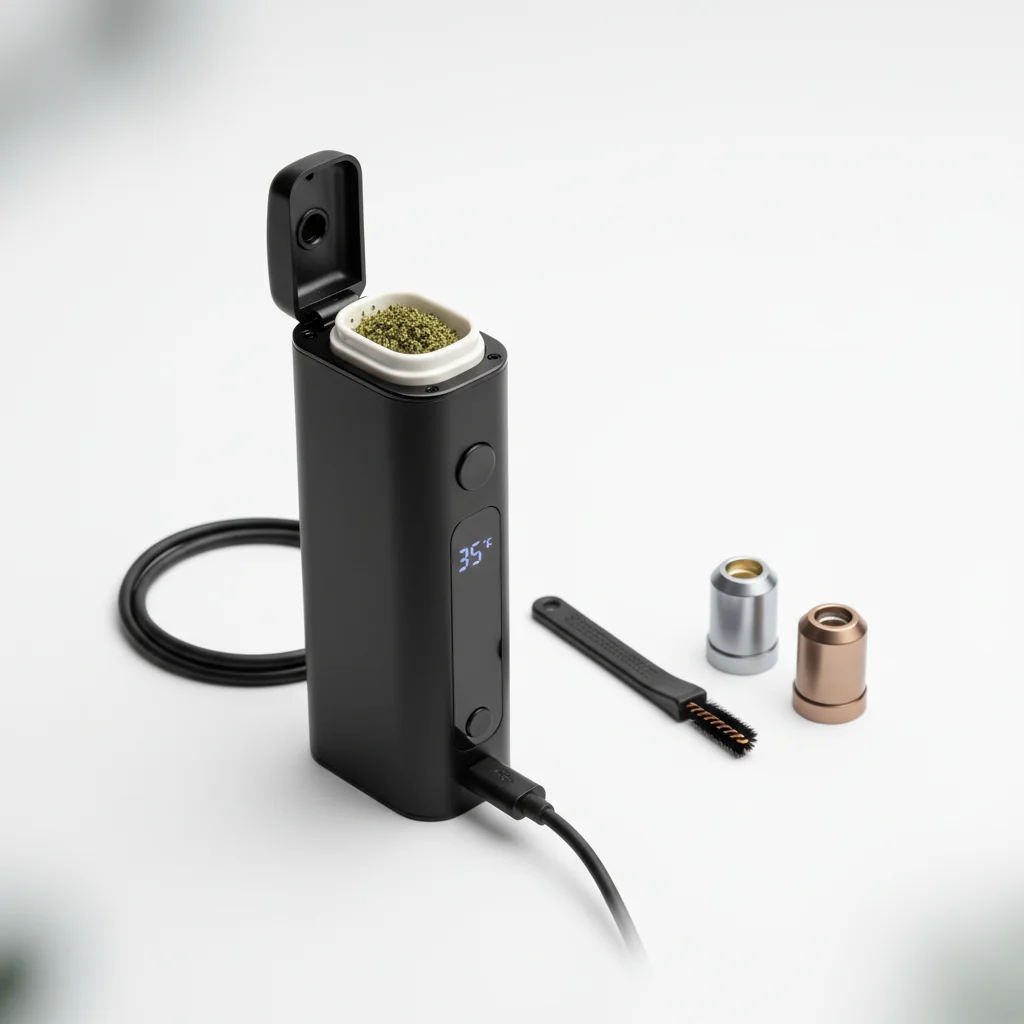
  • 小刷子(通常包含在蒸发器中)
  • 纸巾
  • 浸泡小容器

Helpful:

  • 管道清洁器
  • 牙签(用于顽固残留物)
  • 超细纤维布
  • 压缩空气(可选)
  • 超声波清洗机(可选,适合重度用户)

Never use:

  • 丙酮或指甲油去除剂
  • 用添加剂擦酒精
  • 刺激性化学物质或溶剂
  • 磨料洗涤器
  • 水过多(尤其是电子产品附近)


清洁时间表

每次会议结束后(1分钟)

怎么办:

1。 让蒸发器冷却下来

2. 完全清空腔室

3。 快速刷子以去除松散的材料

4。 轻轻地吹过蒸汽路径

Why: Prevents buildup from hardening and becoming difficult to remove.

每周快速清洁(5 分钟)

怎么办:

1。 刷子室彻底

2. 检查屏幕是否有堵塞

3。 用酒精棉签擦嘴

4。 需要时快速的酒精棉签

Why: Maintains optimal airflow and flavor between deep cleans.

深层清洁(每 10-20 次或每月)

怎么办:

按照下面的完整分步指南进行操作。

Why: Removes all accumulated resin, restores like-new performance.


逐步深度清洗

第一步:冷却并清空

切勿清洁热蒸发器。 Let it cool completely (10-15 minutes after use). Hot alcohol is dangerous and can damage components.

从房间里取出所有用过的大麻。 轻轻地敲掉它,然后彻底刷掉。

第二步:拆解你能做的

大多数蒸发器都有可拆卸部件:

  • Mouthpiece
  • 屏幕(室和喉舌)
  • 玻璃部件(如果适用)
  • 硅胶盖或环

检查您的手册 for what's meant to come apart. Don't force anything.

跟踪小零件! Screens especially are easy to lose.

第三步:浸泡金属和玻璃部件

浸泡什么:

  • 金属屏幕
  • 玻璃吹嘴
  • 玻璃组件
  • 金属工具

什么不能浸泡:

  • 电子产品(电池、显示器、加热元件)
  • 橡胶垫片和O形圈(短接触OK,不长时间浸泡)
  • 硅胶零件(短触点OK)
  • 蒸发器的主体

Method:

1。 将零件放在小容器中

2. 用 90%+ 异丙醇覆盖

3. 浸泡 15-30 分钟

4。 轻轻搅拌以松开残留物

5. 用牙签做顽固的地方

第四步:清洁腔室

这是最重要的一步。 The chamber accumulates the most residue.

1。 浸在异丙醇中的棉签(挤压过量)

2. 以圆周运动轻轻擦拭腔室壁

3. 旋转拭子以使用干净的部分

4.根据需要使用新的拭子

5. 继续直到拭子干净(不是棕色)

Tips:

  • 不要将酒精滴入设备
  • 温和的加热元件
  • 进入角落和边缘
  • 使用前让腔室完全干燥

第五步:清理蒸汽通道

将腔室连接到嘴巴的管收集冷凝的蒸汽残留物。

对于可访问的路径:

1。 浸泡在酒精中的管道清洁剂

2.插入并扭转穿过路径

3。 用新鲜的管道清洁剂重复直到清洁

对于狭窄或无法访问的路径:

1. Use thin cotton swabs

2. Or run a "burn-off" session (heat empty vaporizer to high temp for 30 seconds)

Step 6: Clean Screens Thoroughly

Clogged screens drastically restrict airflow.

Method:

1. If screens were soaking, remove from alcohol

2. Brush both sides to remove loosened residue

3. Hold up to light—you should see through cleanly

4. If still clogged, soak longer or replace

Replacement: Screens are cheap ($5-10 for packs). Replace when cleaning doesn't restore full airflow.

Step 7: Rinse (Optional) and Dry Completely

Optional rinse:

Some people rinse alcohol-cleaned parts with warm water to ensure no alcohol residue remains. This is fine but extends drying time.

Critical: Complete drying

  • Lay all parts on paper towel
  • Let air dry for at least 30-60 minutes
  • Use hair dryer on LOW setting to speed up (no heat on electronics)
  • Blow through parts to check for remaining moisture

Never reassemble and use a wet vaporizer. Alcohol residue tastes awful and moisture near electronics causes damage.

Step 8: Reassemble and Test

1. Ensure all parts are completely dry

2. Reassemble in reverse order

3. Run a brief empty heat cycle (burn off any remaining residue)

4. Pack normally and enjoy improved performance


Device-Specific Tips

Conduction Vaporizers (Pax, DaVinci)

  • Chamber walls need extra attention
  • Residue builds up from direct contact
  • Use screen trick: place screens on top of material to keep chamber cleaner

Convection Vaporizers (Mighty, Firefly)

  • Less chamber buildup
  • More vapor path residue
  • Focus on cleaning airways

Portable with Glass Parts (Arizer)

  • Glass stems collect visible residue
  • Make "stem milk" by simmering in milk to extract reclaim
  • Glass is easiest to clean with alcohol soak

Desktop Vaporizers

  • Larger parts but same principles
  • Bags/balloons should be replaced periodically
  • Whip tubing can be replaced or soaked in alcohol


Troubleshooting After Cleaning

Issue: Harsh taste after cleaning

  • Cause: Alcohol residue remaining
  • Fix: Dry longer; run empty heat cycles

Issue: Airflow still restricted

  • Cause: Missed clogs in screens or vapor path
  • Fix: Re-check screens, repeat vapor path cleaning

Issue: Parts don't fit after cleaning

  • Cause: Gaskets displaced or missing
  • Fix: Check O-rings and gaskets, ensure proper positioning


Extending Time Between Deep Cleans

Use dosing capsules: Many vaporizers offer metal pods that contain cannabis and keep the chamber cleaner. Empty the pod, not the chamber.

Brush after every session: 10 seconds of brushing prevents hardened buildup.

Use screens on top of material: Prevents particles from contacting chamber walls directly.

Don't overheat: Excessive temperatures create more stubborn residue.


This guide is for educational purposes. Always follow your vaporizer manufacturer's cleaning recommendations.

Step 1: Empty the chamber

Allow vaporizer to cool completely. Remove all spent material (AVB) from the chamber. Use a brush to clear loose residue. Do this after every session ideally.

Step 2: Disassemble removable parts

Remove mouthpiece, screens, and any other detachable components. Check your manual for what's safely removable. Never disassemble parts that aren't designed to come apart.

Step 3: Soak removable parts

Place metal/glass components in isopropyl alcohol (90%+ preferred). Soak for 15-30 minutes. Do NOT soak electronic parts, rubber gaskets, or silicone.

Step 4: Clean the chamber

Dip cotton swab in isopropyl alcohol. Gently swab the chamber walls to dissolve resin buildup. Use dry swabs to wipe clean. Repeat until swabs come out clean.

Step 5: Clean the vapor path

Use pipe cleaners or thin brushes dipped in alcohol to clean the vapor path and mouthpiece area. This path collects condensed vapor residue over time.

Step 6: Rinse and dry completely

Remove parts from alcohol, rinse with warm water if needed. Allow ALL components to dry completely before reassembling. Alcohol residue affects taste and safety.

Frequently Asked Questions

Empty the chamber after every session. Quick brush cleaning weekly. Deep clean with isopropyl alcohol every 10-20 sessions or when you notice reduced airflow, flavor degradation, or visible buildup. More frequent use = more frequent cleaning.

Related Guides