
วิธีทำความสะอาดเครื่องทำไอระเหยของคุณ: คู่มือการบำรุงรักษาที่สมบูรณ์

David Martinez
Concentrate Expert
วิธีทำความสะอาดเครื่องทำไอระเหยของคุณ: คู่มือการบำรุงรักษาที่สมบูรณ์
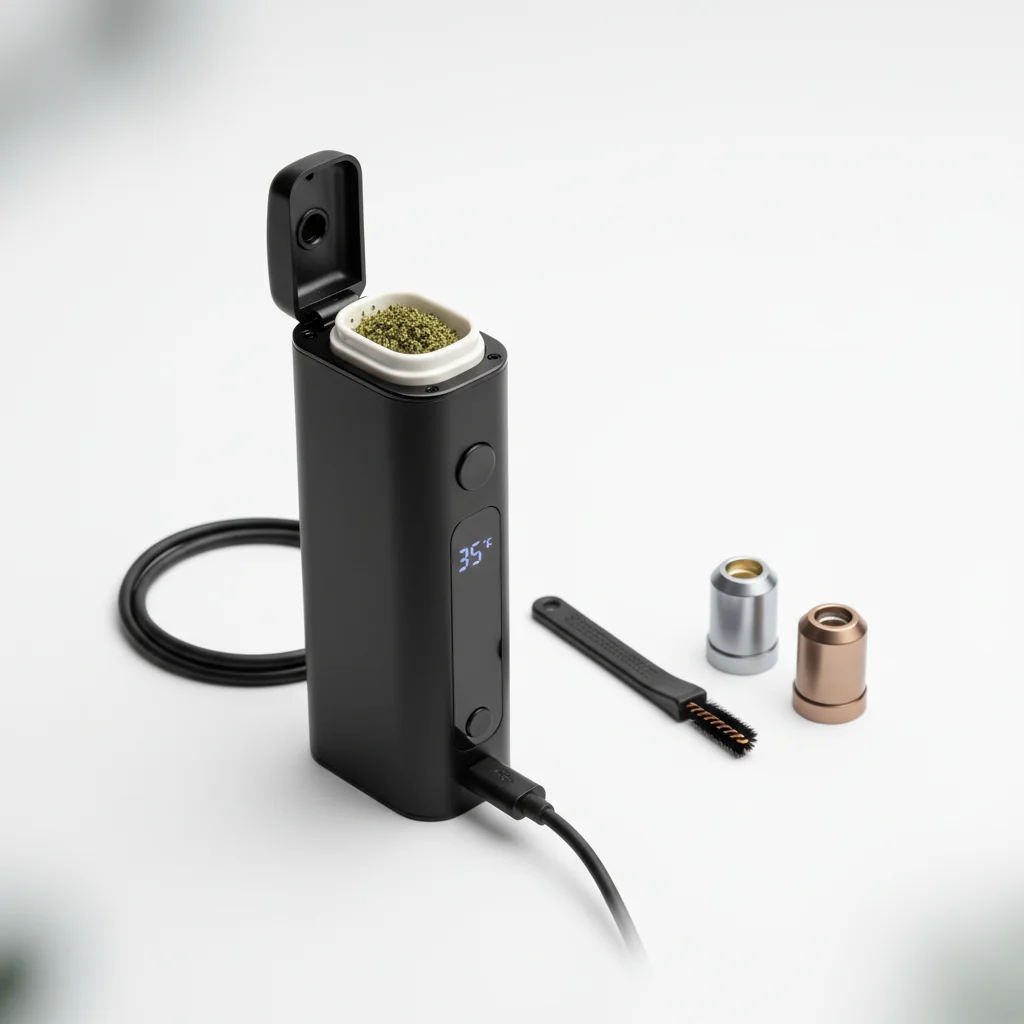
การทำความสะอาดเครื่องทำไอระเหยของคุณเป็นประจำเป็นสิ่งสำคัญสำหรับการรักษาประสิทธิภาพสูงสุดและรับประกันประสบการณ์การสูบไอที่ราบรื่น ไม่ว่าคุณจะเป็นมือใหม่หรือผู้ชื่นชอบการช่ำชอง การทำความเข้าใจวิธีทำความสะอาดอุปกรณ์อย่างถูกต้องสามารถยืดอายุอุปกรณ์ได้อย่างมากและเพิ่มรสชาติของกัญชาของคุณ คู่มือที่ครอบคลุมนี้จะแนะนำคุณเกี่ยวกับขั้นตอนในการทำความสะอาดเครื่องทำไอระเหยประเภทต่างๆ พร้อมกับเคล็ดลับที่มีประโยชน์เพื่อให้กระบวนการง่ายขึ้น
เครื่องทำไอระเหยมีหลายรูปแบบและให้บริการวัตถุประสงค์ที่แตกต่างกัน ตั้งแต่เครื่องทำไอน้ำสมุนไพรแห้งไปจนถึงแบบจำลองที่มีสมาธิ แต่ละประเภทต้องใช้เทคนิคการบำรุงรักษาที่แตกต่างกันเล็กน้อย แต่ทั้งหมดมีเป้าหมายร่วมกันในการส่งเพลงฮิตที่สะอาดและมีรสชาติ มาเจาะลึกรายละเอียดของการรักษาเครื่องทำไอระเหยของคุณให้อยู่ในสภาพดี
คำตอบอย่างรวดเร็ว
เพื่อการทำความสะอาดเครื่องทำไอระเหยที่รวดเร็วและมีประสิทธิภาพ ถอดชิ้นส่วนอุปกรณ์ของคุณ แช่ชิ้นส่วนที่ถอดออกได้ในแอลกอฮอล์ไอโซโพรพิล ค่อยๆ ขจัดสิ่งตกค้าง ล้างออกด้วยน้ำ และปล่อยให้แห้งสนิท การทำความสะอาดเป็นประจำช่วยให้มั่นใจถึงประสิทธิภาพและรสชาติที่ดีขึ้นจากเครื่องทำไอระเหยของคุณ
สารบัญ
- ทำไมการทำความสะอาดเครื่องทำไอระเหยของคุณจึงสำคัญ
- เครื่องมือและวัสดุที่คุณจะต้อง
- ขั้นตอนการทำความสะอาดแบบทีละขั้นตอน
- 1. ถอดชิ้นส่วนเครื่องทำไอระเหย
- 2. ทำความสะอาดปากกระบอกเสียง
- 4. ทำความสะอาดองค์ประกอบความร้อน
- 5. ประกอบเครื่องทำไอระเหยของคุณอีกครั้ง
ทำไมการทำความสะอาดเครื่องทำไอระเหยของคุณจึงสำคัญ
การทำความสะอาดเครื่องทำไอระเหยของคุณเป็นประจำเป็นสิ่งสำคัญด้วยเหตุผลหลายประการ อย่างแรก เพื่อให้แน่ใจว่าคุณจะได้รับรสชาติที่ดีที่สุดจากกัญชาของคุณ สารตกค้างจากช่วงก่อนหน้าสามารถสร้างและเปลี่ยนรสชาติของไอของคุณได้ ประการที่สอง การทำความสะอาดช่วยป้องกันการอุดตันและช่วยให้อุปกรณ์ของคุณทำงานได้อย่างราบรื่น เมื่อเวลาผ่านไป การสะสมตัวสามารถปิดกั้นการไหลของอากาศ นำไปสู่การระเหยที่ไม่มีประสิทธิภาพ
นอกจากนี้ เครื่องทำไอระเหยที่สะอาดยังถูกสุขอนามัยมากกว่า ช่วยลดความเสี่ยงในการสูดดมแบคทีเรียหรือเชื้อราที่อาจเป็นอันตรายได้ การบำรุงรักษาเป็นประจำไม่เพียงแต่ช่วยยืดอายุการใช้งานของอุปกรณ์ของคุณ แต่ยังช่วยเสริมประสบการณ์การสูบไอโดยรวมของคุณอีกด้วย
เครื่องมือและวัสดุที่คุณจะต้อง
ก่อนที่คุณจะเริ่มทำความสะอาดเครื่องทำไอระเหย ให้รวบรวมเครื่องมือและวัสดุต่อไปนี้เพื่อให้กระบวนการราบรื่นขึ้น:
- ไอโซโพรพิลแอลกอฮอล์ (90% หรือสูงกว่า)
- สำลีหรือน้ำยาทำความสะอาดท่อ
- แปรงขนาดเล็ก (เช่นแปรงสีฟัน)
- ผ้าไมโครไฟเบอร์
- น้ำอุ่น
- ชามเล็ก
การมีสิ่งของเหล่านี้อยู่ในมือจะช่วยให้คุณทำความสะอาดทุกส่วนของเครื่องทำไอระเหยได้อย่างมีประสิทธิภาพ
ขั้นตอนการทำความสะอาดแบบทีละขั้นตอน
1. ถอดชิ้นส่วนเครื่องทำไอระเหย
เริ่มต้นด้วยการแยกเครื่องทำไอระเหยของคุณอย่างระมัดระวัง โปรดดูคำแนะนำของผู้ผลิตหากคุณไม่แน่ใจว่าจะถอดชิ้นส่วนเฉพาะของคุณอย่างไร โดยทั่วไป คุณจะต้องถอดกระบอกเสียง ช่อง และชิ้นส่วนอื่นๆ ที่ถอดออกได้
2. ทำความสะอาดปากกระบอกเสียง
- แช่:วางกระบอกเสียงลงในชามไอโซโพรพิลแอลกอฮอล์ประมาณ 20 นาที
- ขัด:ใช้สำลีหรือแปรงขนาดเล็กเพื่อขจัดคราบที่ดื้อรั้น
- ล้าง:ล้างปากเป่าด้วยน้ำอุ่นและปล่อยให้แห้งสนิทบนผ้าที่สะอาด
3. ทำความสะอาดห้อง
- แปรง:ใช้แปรงขนาดเล็กเพื่อขจัดอนุภาคที่หลุดออกจากห้อง
- แอลกอฮอล์เช็ด:แช่สำลีในแอลกอฮอล์ไอโซโพรพิลและทำความสะอาดผนังห้องอย่างเบามือ
- แห้ง:ปล่อยให้อากาศในห้องแห้งก่อนประกอบกลับ
4. ทำความสะอาดองค์ประกอบความร้อน
ระมัดระวังในการทำความสะอาดองค์ประกอบความร้อนเพราะสามารถละเอียดอ่อนได้ หลีกเลี่ยงการแช่ในแอลกอฮอล์
- แปรง:ค่อยๆ ปัดสิ่งสะสมใดๆ
- ไม้กวาด:ใช้สำลีชุบแอลกอฮอล์เล็กน้อยเพื่อทำความสะอาดองค์ประกอบ เพื่อไม่ให้เกิดความอิ่มตัวมากเกินไป
5. ประกอบเครื่องทำไอระเหยของคุณอีกครั้ง
เมื่อชิ้นส่วนทั้งหมดสะอาดและแห้งแล้ว ให้ประกอบเครื่องทำไอระเหยของคุณกลับเข้าไปใหม่ ตรวจสอบให้แน่ใจว่าแต่ละส่วนประกอบเข้าที่อย่างปลอดภัย ทดสอบอุปกรณ์เพื่อให้แน่ใจว่าทำงานได้อย่างราบรื่น
เคล็ดลับในการรักษาเครื่องทำไอระเหยของคุณ
การบำรุงรักษาที่สม่ำเสมอสามารถยืดอายุการใช้งานของเครื่องทำไอระเหยของคุณได้ นี่คือเคล็ดลับบางประการ:
- ล้างห้อง:หลังการใช้งานแต่ละครั้ง ให้ล้างห้องเพื่อป้องกันสิ่งตกค้าง
- ใช้เครื่องบด:ใช้คุณภาพเครื่องบดกัญชาช่วยให้มั่นใจได้ถึงการเผาไหม้และสารตกค้างน้อยลง
- จัดเก็บอย่างถูกต้อง:เก็บเครื่องทำไอระเหยของคุณไว้ในที่แห้งและเย็นเพื่อหลีกเลี่ยงความเสียหายจากความชื้น
สำหรับข้อมูลเชิงลึกเพิ่มเติมเกี่ยวกับการใช้เครื่องทำไอระเหย โปรดดูที่คู่มืออุณหภูมิเครื่องทำไอระเหย.
ข้อผิดพลาดทั่วไปที่ควรหลีกเลี่ยง
- การใช้แอลกอฮอล์มากเกินไป:การใช้แอลกอฮอล์มากเกินไปอาจทำให้วัสดุบางชนิดเสียหายได้ ใช้เท่าที่จำเป็นและล้างออกให้สะอาด
- ไม่แห้งสนิท:ตรวจสอบให้แน่ใจว่าชิ้นส่วนทั้งหมดแห้งสนิทก่อนประกอบใหม่เสมอเพื่อป้องกันความเสียหายทางไฟฟ้า
- ละเลยการทำความสะอาดเป็นประจำ:ทำให้การทำความสะอาดเป็นส่วนหนึ่งของกิจวัตรการสูบไอของคุณเป็นประจำเพื่อหลีกเลี่ยงการสะสมตัวอย่างกว้างขวาง
ข้อสรุป
เครื่องทำไอระเหยที่สะอาดเป็นกุญแจสำคัญในการเพลิดเพลินกับรสชาติและผลกระทบของกัญชาของคุณ ด้วยการทำตามขั้นตอนที่ระบุไว้ในคู่มือนี้และรักษาตารางการทำความสะอาดเป็นประจำ คุณสามารถมั่นใจได้ว่าอุปกรณ์ของคุณจะมีประสิทธิภาพและอายุการใช้งานสูงสุด สำหรับเคล็ดลับเพิ่มเติมในการเลือกเครื่องทำไอระเหยที่เหมาะสมหรือทำความเข้าใจความแตกต่างระหว่างสมุนไพรแห้งและ vapes เข้มข้นสำรวจไกด์อื่นๆ ของเรา มีความสุข vaping!
Frequently Asked Questions
คุณควรทำความสะอาดเครื่องทำไอระเหยของคุณหลังจากใช้ทุก ๆ อย่างเพื่อรักษาประสิทธิภาพและรสชาติที่ดีที่สุด การบำรุงรักษาเป็นประจำสามารถยืดอายุการใช้งานของอุปกรณ์ของคุณได้
Related Guides

510 Thread Batteries: Complete Guide to Vape Pen Batteries
Everything you need to know about 510 thread batteries for vape cartridges. Learn about voltage settings, battery types, features to look for, and how to choose the right battery for your cartridges.
Best Vaporizer Temperature Settings: Effects at Each Level
Comprehensive guide about best vaporizer temperature settings: effects at each level. Learn everything you need to know with expert tips and detailed instructions.

Conduction vs Convection Vaporizers: Heating Methods Explained
Understand the difference between conduction and convection heating in vaporizers. Learn how each method affects flavor, vapor quality, efficiency, and which is best for your vaping style.