
대마초 탈카르복실화 가이드: 식용에 대한 THC를 활성화하는 방법
대마초 탈카르복실화 가이드: 식용에 대한 THC를 활성화하는 방법
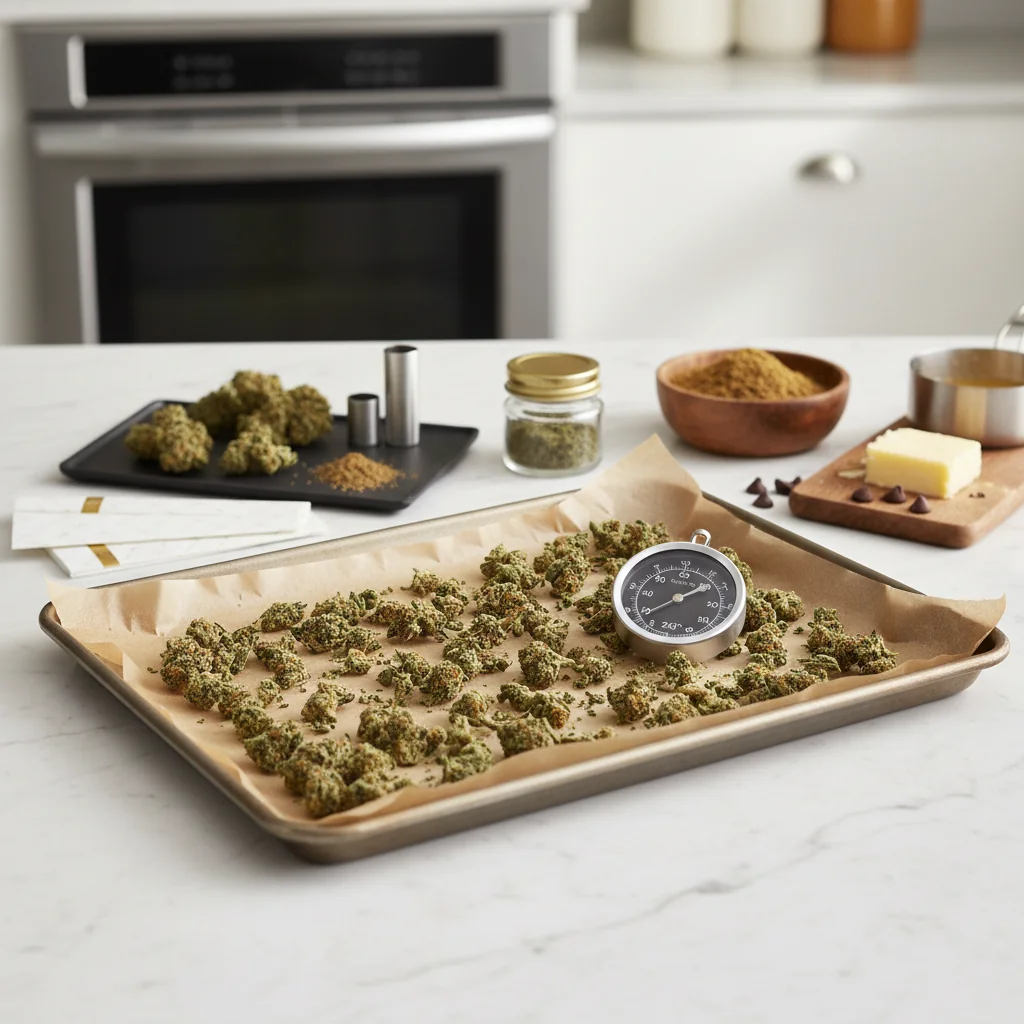
생 대마초를 브라우니 반죽에 섞어서 먹을 수 있는 것을 만들려고 시도한 적이 있다면 아마도 실망스러운 것을 발견했을 것입니다. 원시 대마초에는 THC가 아니라 THCA가 포함되어 있기 때문입니다. 대마초의 정신 활성 가능성을 풀려면 먼저 대마초를 탈탄산화해야 합니다.
이 가이드는 탈카르복실화 이면의 과학을 설명하고 식용, 팅크 및 국소용 대마초를 적절하게 활성화하기 위한 단계별 지침을 제공합니다.
빠른 답변
탈카르복실화("탈탄수")는 대마초를 가열하여 THCa를 THC로 전환시키는 과정입니다. 탈탄을 제거하려면 115°C(115°C)에서 30-40분 동안 베이킹 시트에 가루 대마초를 펴고 굽습니다. 열은 THCA에서 카르복실기를 제거하여 정신 활성 THC로 전환합니다. 이 단계는 식용, 대마초 또는 팅크를 만들기 전에 필수적입니다.
목차
탈탄산이란 무엇입니까?
탈카르복실화는 분자에서 카르복실기(COOH)를 제거하는 화학 반응입니다. 대마초에서 이 과정은 산성 칸나비노이드를 활성 형태로 전환합니다.
과학 설명
신선한 대마초 꽃에는 주로THCA(테트라히드로칸나비놀산), THC가 아닙니다. THCA는 분자 구조에 부착된 여분의 카르복실기를 가지고 있습니다. 이 카르복실 그룹은 THCA가 뇌의 CB1 수용체에 효과적으로 결합하는 것을 방지합니다. 이것이 생 대마초를 섭취하는 것이 높은 것을 생성하지 않는 이유입니다.
열이 가해지면:
1. 카르복실기가 불안정해진다
2 . 이산화탄소(이산화탄소)와 수증기로 분해된다.
3. THCA가 THC로 변환
4. THC는 이제 CB1 수용체에 결합하여 정신 활성 효과를 생성할 수 있습니다.
THC 너머
탈카르복실화는 또한 다른 칸나비노이드에도 영향을 미칩니다.
- CBDA → CBD: 치료 효과를 활성화
- CBGA → CBG: "어머니 칸나비노이드"를 변환합니다.
- THCVA → THCV: 이 활기찬 칸나비노이드를 활성화합니다.
탈탄이 필수적인 이유
식용을 위해
대마초를 피우거나 흡연을 할 때 화염이나 기화기의 열이 즉시 칸나비노이드를 탈탄산시킵니다. 그러나 식용을 만들 때 적절한 탈탄소화 온도에 도달하지 못하거나 베이킹하는 동안 잠시만 대마초를 식품에 추가합니다.
예를 들어, 브라우니 반죽은 중앙이 더 시원하게 유지되는 동안 외부에서 350°F에 도달할 수 있습니다. 이 일관성 없는 가열은 불완전한 탈카르복실화와 약한 식용을 초래합니다.
탈수실은 사전에 보장합니다:
- THCA → THC 변환 완료
- 식용 전체에 걸쳐 일관된 효능
- 대마초 재료의 최대 사용
- 예측 가능한 효과
팅크의 경우
알코올 기반 팅크는 주입 과정에서 열을 포함하지 않습니다. 사전 탈카르복실화하지 않으면 THC 대신 THCA를 추출할 수 있습니다.
국소
국소는 일반적으로 정신 활성 효과를 생성하지 않지만(THC는 피부를 통해 잘 흡수되지 않음), 일부 사용자는 잠재적인 치료 특성을 위해 활성화된 칸나비노이드를 선호합니다.
완벽한 온도와 시간
온도와 시간을 올바르게 맞추는 것이 중요합니다. 너무 적은 열은 THCA를 전환하지 않고 과도하게 하면 THC와 테르펜이 파괴됩니다.
스위트 스팟
권장 설정:
- 체온: 230-250°F(110-121°C)
- 시간: 25-45분
가장 일반적으로 권장되는 프로토콜:30~40분 동안 240°F
온도 차트
다른 온도에서 일어나는 일
너무 낮음(<200°F):
- 불완전한 탈탄산화
- 대부분의 THCA는 변환되지 않은 상태로 유지됩니다.
- 약하거나 비활성 식용
바로 (220-250°F):
- 최적의 THCA → THC 변환
- 테르펜 보존
- 강력하고 풍미있는 결과
너무 높음(>280°F):
- THC는 CBN으로 저하되기 시작합니다
- 파괴된 테르펜
- 더 거친 맛
- CBN의 진정 효과
오븐 탈탄소화법
이것은 가정용 탈카르복실화에 대한 가장 일반적이고 신뢰할 수 있는 방법입니다.
당신이 필요로하는 것
- 대마초 꽃 (양)
- 베이킹 시트 또는 오븐용 접시
- 알루미늄 호일 또는 양피지 종이
- 오븐 온도계 (추천)
- 가는 사람(선택 사항이지만 도움이 됩니다)
단계별 지침
#### 1단계: 오븐 예열
오븐을 240°F(115°C)로 설정합니다. 오븐 온도계를 사용하여 확인하십시오. 많은 오븐이 뜨겁거나 차갑게 작동합니다. 오븐이 안정화될 때까지 15-20분 동안 두십시오.
#### 2단계: 대마초 준비
대마초를 더 작은 조각으로 나누십시오. 당신은 할 수 있습니다:
- 그것을 갈기 (표면적을 증가, 더 빠른 탈탄)
- 손으로 깨기 (덜 벌금, 여전히 작동)
- 작은 새싹을 통째로 남겨주세요(약간 더 오래 걸립니다)
너무 곱게 갈지 마십시오. 분말은 가장자리에서 타버릴 수 있습니다.
#### 3단계: 베이킹 시트 준비
베이킹 시트에 양피지 또는 알루미늄 호일을 깔아주세요. 대마초를 한 층에 고르게 펴십시오. 쌓거나 뭉치지 마십시오.
냄새 감소를 위해 다음을 수행할 수 있습니다.
- 호일 패킷 만들기(포일에 대마초 접기, 가장자리 밀봉)
- 오븐 가방을 사용
- 뚜껑이 느슨하게 배치된 메이슨 항아리를 사용하십시오.
#### 4단계: 굽기
오븐 중앙에 베이킹 시트를 놓습니다. 30~40분간 굽는다.
탈탄의 시각적 지표:
- 밝은 녹색에서 밝은 갈색/골든으로 색상이 변경됩니다.
- 질감이 건조하고 부서지기 쉽습니다.
- 강한 대마초 향 (테르펜이 빠져나가는 것입니다. 일부 손실은 정상입니다)
#### 5단계: 쿨 앤 스토어
오븐에서 꺼내 완전히 식힙니다(15-30분). 대마초는 만지면 쉽게 부서져야 합니다.
사용할 준비가 될 때까지 밀폐 용기에 보관하십시오. 탈탄 대마초는 차갑고 어둡고 밀폐된 일반 꽃처럼 저장할 수 있습니다.
대체 탈탄 방법
메이슨 항아리 방법(감소 냄새)
1. 깨진 대마초를 메이슨 항아리에 넣기
2 뚜껑을 손으로 조입니다(너무 조이지 않음 - 압력이 빠져나가야 함)
3. 오븐용 접시에 항아리를 놓으십시오.
4. 240°F에서 40-45분 동안 굽습니다(유리가 가열되는 데 더 오래 걸립니다).
5. 중간에 병을 부드럽게 흔들어
6. 열기 전에 완전히 식히십시오
이익: 냄새가 훨씬 덜하여 주방에서 빠져나갑니다.
수비드 방법(가장 정확한)
1. 진공 백에 대마초 밀봉
2 . 수비드를 203°F(95°C)로 설정
3. 90~120분 동안 잠수
4. 제거하고 말리십시오.
이익: 정확한 온도 조절, 냄새 없음, 최대 테르펜 보존
인스턴트 냄비 / 압력솥
1. 인스턴트 냄비에 메이슨 항아리에 대마초 넣기
2 항아리 주위에 물을 추가하십시오(내부가 아님).
3. 고압력에서 40분간 압력조리
4. 자연 압력 방출
5. 필요한 경우 제거하고 건조
이익: 일관된 결과, 밀봉된 환경
Ardent Nova / 탈카르복실화 장치
Ardent Nova와 같은 전용 장치는 프로세스를 자동화합니다.
- 원버튼 조작
- 정확한 온도 제어
- 완전한 전환
- 냄새가 나지 않음
이익: 완벽하고, 일관성이 있고, 냄새가 없다.
일반적인 탈탄 실수
1. 오븐 온도 부정확
대부분의 오븐은 표시된 온도에서 10-25°F에서 떨어져 있습니다. 오븐 온도계는 폐허가 된 배치를 방지하는 작은 투자입니다.
2. 오븐을 자주 열어
오븐을 열 때마다 온도가 크게 떨어집니다. 가능하면 창을 통해 시각적으로 확인하십시오.
3. "오븐 식용"을 위해 탈탄소를 건너 뛰기
"브라우니는 350°F에서 굽고, 그것을 제거할 것입니다"라고 생각하는 것은 일반적인 실수입니다. 굽는 시간이 짧고 내부 온도가 다양하며 습식 반죽이 열을 효율적으로 전도하지 않습니다.
4. 너무 미세하게 연삭
분말은 중심이 완료되기 전에 가장자리가 타버릴 정도로 표면적을 너무 많이 증가시킵니다. 굵은 커피보다 작지 않은 조각으로 쪼개십시오.
5. 속도를 높이려고 너무 많은 열을 내는
더 높은 온도 ≠ 더 빠른 결과. 300°F+는 THC를 활성화하는 것보다 더 빨리 파괴합니다.
6. 색상 변경 무시
적절하게 탈탄된 대마초는 짙은 갈색이나 검은색이 아닌 황금빛 갈색이어야 합니다. 다크 컬러는 과잉 탈카복실화 및 효능 손실을 의미합니다.
7 완전한 냉각을 허용하지 않음
뜨거운 대마초는 손가락을 태울 수 있으며 계속해서 대마초를 방출합니다. 취급하기 전에 완전히 식히십시오.
탈탄 후: 다음은 무엇입니까?
탈탄 대마초는 이제 "활성화"되어 많은 응용 프로그램에 사용할 준비가 되었습니다.
대마초 만들기
모든 레시피에서 사용하기 위해 탈탄 대마초를 버터에 주입하십시오.
1. 버터에 탈탄 대마초 끓이기 (약한 열, 2-3 시간)
2. 식물 재료를 걸러냅니다.
3. 냉장 보관
우리의 전체 보기대마초 가이드자세한 지침은.
대마초 기름 만들기
Cannabutter와 동일한 과정이지만 코코넛 오일, 올리브 오일 또는 MCT 오일을 사용합니다.
- 굽고 요리하기에 좋은
- 캡슐에 사용할 수 있습니다
- 국소화에 대한 작업
팅크 만들기
고강성 알코올의 가파른 탈탄 대마초 :
1. 항아리에 대마초와 에버클리어를 결합하십시오.
2. 24시간에서 2주간 주기적으로 흔든다.
3. 긴장
4. 어두운 점적기 병에 보관
직접 소비
탈탄 대마초는 다음과 같습니다.
- 음식에 뿌려
- 스무디에 추가
- 캡슐에 넣어
- 직접 먹습니다 (맛없지만 작동합니다)
이미 활성화되어 있으므로 더 이상의 준비가 필요하지 않습니다.
프로 팁
1. 오븐 온도계를 사용- 일관된 결과를 위한 최고의 투자입니다.
2. 탈수 후 분쇄건조된 재료의 취급이 용이하도록
3. 나중을 위해 줄기를 저장- 칸나비노이드가 포함되어 있으며 탈탄도 가능합니다.
4. 메이슨 항아리 방법주방 냄새를 크게 줄여줍니다
5. 색상은 당신의 가이드입니다- 황금빛 갈색 = 완료, 짙은 갈색 = 과한
6. 데카브 추가향후 프로젝트를 위한 저장
7. 라벨 및 날짜당신의 탈탄 대마초
8. 효능 계산사용하기 전에 (우리의식용 투여 가이드)
9. 낮고 느림빠르고 뜨거운 것보다 낫다
10.ABV를 낭비하지 마십시오- 이미 vaped 싹이 부분적으로 탈탄되어 있으며 직접 사용할 수 있습니다.
자주 묻는 질문
탈카르복실화를 건너뛰면 어떻게 됩니까?
당신의 식용은 매우 약하거나 비활성 상태일 것입니다. THCA는 정신 활성 효과를 일으키지 않으므로 대마초를 낭비하게 됩니다. 식용을 위해 항상 먼저 탈탄을 제거하십시오.
전자레인지에 탈탄할 수 있나요?
권장하지 않습니다. 전자레인지는 고르지 않게 가열되고 칸나비노이드를 파괴하는 핫스팟을 생성하고 다른 영역을 전환하지 않은 상태로 둡니다.
탈색이 냄새가 나나요?
네, 상당히. 이 과정은 강한 대마초 냄새를 생성하는 테르펜을 방출합니다. 냄새를 최소화하기 위해 메이슨 병이나 수비드 방법을 사용하거나 향기로운 주방을 준비하십시오.
언제 완료되었는지 어떻게 알 수 있습니까?
골든 브라운 컬러, 마른 가루 질감, 축소된 크기. 테르펜이 방출되면 강한 초기 냄새가 부드러워집니다.
너무 오래 탈탄할 수 있습니까?
네. 과탄수화물은 THC를 CBN으로 전환합니다(정신 활성이 적고 진정제). 대마초가 짙은 갈색이나 검은색으로 변하면 너무 멀리 갔던 것입니다.
식용에 가장 좋은 대마초는 무엇입니까?
모든 대마초는 효과가 있지만 THC 함량이 높다는 것은 원하는 효능에 필요한 꽃이 적다는 것을 의미합니다. 트림과 쉐이크도 사용할 수 있습니다. 수량을 조정하기만 하면 됩니다.
키프를 탈탄해야 하나요?
예, Kief에는 전환이 필요한 동일한 THCA를 가진 농축된 trichomes가 포함되어 있습니다. 단열재를 위한 식물 재료가 없기 때문에 약간 낮은 온도(220°F)를 사용하십시오.
농축액을 탈탄할 수 있습니까?
네. 양피지에 농축액을 바르고 220°F에서 20-25분 동안 가열합니다. 주의 깊게 관찰하십시오. 집중은 빠르게 과탄수화물을 제거할 수 있습니다.
결론
탈카르복실화는 효과적인 대마초 식용, 팅크 및 주입을 만드는 중요한 첫 번째 단계입니다. 그것 없이는 THC 대신 THCA로 작업하고 있으며 최종 제품은 원하는 효과를 생성하지 않습니다.
절차는 간단합니다. 표준 오븐에서 30-40분 동안 240°F입니다. 오븐 온도계를 사용하고 황금빛 갈색으로 색상이 변경되는지 관찰하고 프로세스를 서두르지 마십시오. 적절하게 탈탄된 대마초는 대마초 요리와 공예의 가능성의 세계를 열어줍니다.
탈탄 대마초를 사용할 준비가 되셨습니까? 우리의대마초 레시피또는 우리의식용 투여 가이드안전하고 즐거운 주입을 보장합니다.
Frequently Asked Questions
당신의 식용은 매우 약하거나 비활성 상태일 것입니다. THCA는 정신 활성 효과를 일으키지 않으므로 대마초를 낭비하게 됩니다. 항상 먼저 탈탄을 제거하십시오.
최적의 설정은 30-40분 동안 240°F(115°C)입니다. 이것은 테르펜을 보존하면서 완전한 THCa 대 THC 변환을 제공합니다.
네, 상당히. 냄새를 최소화하기 위해 메이슨 병이나 수비드 방법을 사용하거나 향기로운 주방을 준비하십시오.
황금빛 갈색, 건조하고 부서지기 쉬운 질감, 축소된 크기를 찾으십시오. 짙은 갈색은 과탄생하다는 뜻입니다.
네. 과탄수화물은 THC를 CBN으로 전환합니다(정신 활성이 적고 진정제). 대마초가 짙은 갈색으로 변하면 너무 멀리 갔던 것입니다.
Related Guides

Best Cannabis Brownies Recipe: Classic Pot Brownie Guide
Perfect cannabis brownies recipe with step-by-step instructions. Learn proper cannabutter ratios, baking temperatures, dosing calculations, and tips for consistent, delicious pot brownies.

Calculating THC Dosage in Edibles: The Complete Math Guide
Master the math behind cannabis edible dosing. Complete formulas for calculating THC content, extraction efficiency charts, worked examples, and a quick reference cheat sheet.

How to Make Cannabis Chocolate Truffles: Infused Confection Recipe
Elegant cannabis chocolate truffle recipe with precise dosing. No-bake ganache method using cannabis coconut oil. Coating options, flavor variations, and storage tips.