
Guida alla decarbossilazione della cannabis: come attivare il THC per gli edibili
Guida alla decarbossilazione della cannabis: come attivare il THC per gli edibili
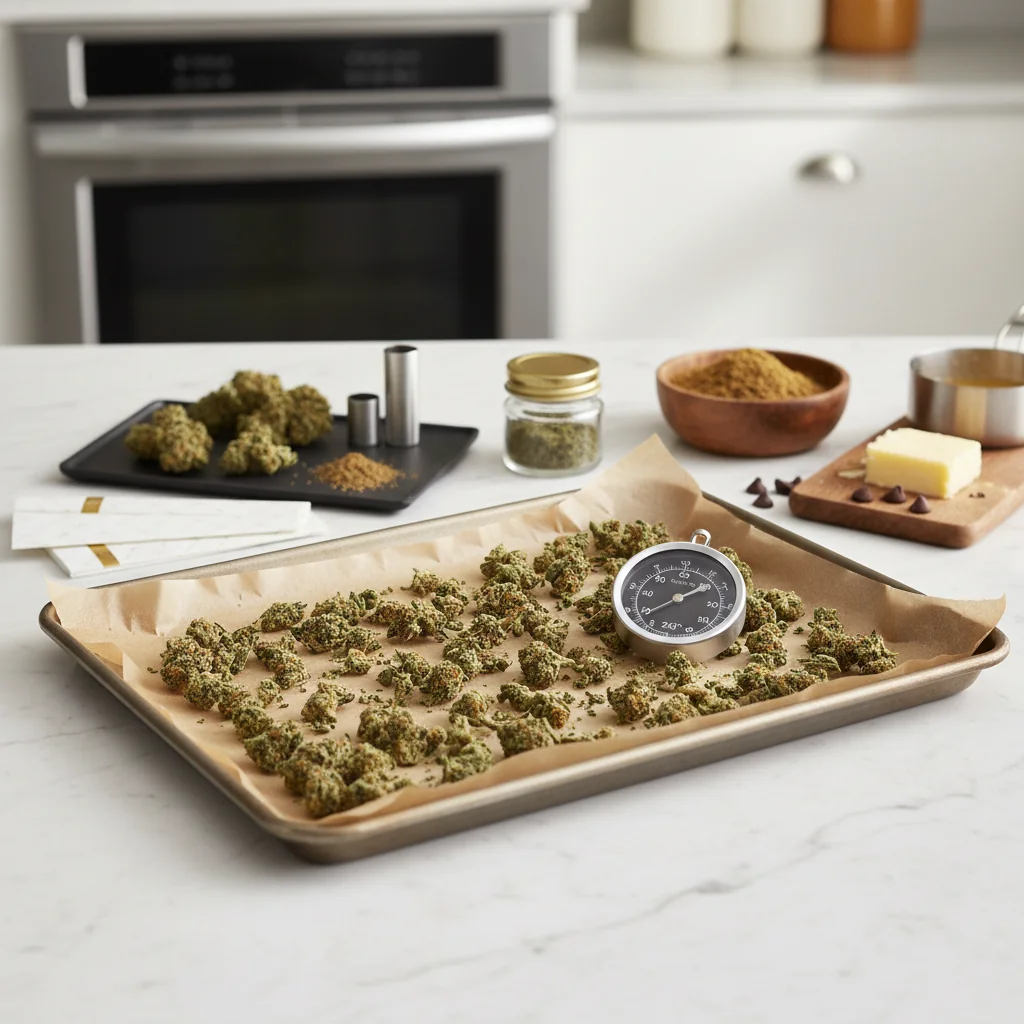
Se hai mai provato a fare gli edibili semplicemente mescolando la cannabis cruda nella tua pastella per brownie, probabilmente hai notato qualcosa di deludente: non hanno funzionato. Questo perché la cannabis cruda contiene THCA, non THC e THCA non ti farà sballare. Per sbloccare il potenziale psicoattivo della tua cannabis, devi prima decarbossilarla.
Questa guida spiega la scienza alla base della decarbossilazione e fornisce istruzioni dettagliate per attivare correttamente la cannabis per edibili, tinture e topici.
Risposta rapida
La decarbossilazione ("decarbing") è il processo di riscaldamento della cannabis per convertire il THCA in THC. Per decarnere, stendere la cannabis macinata su una teglia e cuocere a 115°C per 30-40 minuti. Il calore rimuove un gruppo carbossilico dal THCA, convertendolo in THC psicoattivo. Questo passaggio è essenziale prima di realizzare edibili, burro di cannabis o tinture.
sommario
- Cos'è la decarbossilazione?
- Perché la decarbo è essenziale
- La temperatura e il tempo perfetti
- Metodo di decarbossilazione del forno
- Metodi di decarbo
- Errori comuni di decarbo
- Dopo la decarbo: cosa succede dopo?
- Suggerimenti per professionisti
- FAQ
Cos'è la decarbossilazione?
La decarbossilazione è una reazione chimica che rimuove un gruppo carbossilico (COOH) da una molecola. Nella cannabis, questo processo converte i cannabinoidi acidi nelle loro forme attive.
La scienza ha spiegato
Il fiore di cannabis fresco contiene principalmenteTHCA(acido tetraidrocannabinolico), non THC. Il THCA ha un gruppo carbossilico aggiuntivo legato alla sua struttura molecolare. Questo gruppo carbossilico impedisce al THCA di legarsi efficacemente ai recettori CB1 nel cervello, motivo per cui mangiare cannabis cruda non produce uno sballo.
Quando viene applicato il calore:
1. il gruppo carbossilico diventa instabile
2 . si rompe come CO2 (anidride carbonica) e vapore acqueo
3. THCA si converte in THC
4. Il THC ora può legarsi ai recettori CB1 e produrre effetti psicoattivi
Oltre il THC
La decarbossilazione colpisce anche altri cannabinoidi:
- CBDA → CBD: attiva i benefici terapeutici
- CBGA → CBG: Converte il "cannabinoide della madre"
- THCVA → THCV: attiva questo cannabinoide energizzante
Perché la decarbo è essenziale
per gli edibili
Quando fumi o vaporizzato la cannabis, il calore della fiamma o del vaporizzatore decarbossila istantaneamente i cannabinoidi. Ma quando si producono edibili, si aggiunge cannabis al cibo che potrebbe non raggiungere mai temperature di decarbossilazione adeguate, o solo brevemente durante la cottura.
La pastella per Brownie, ad esempio, potrebbe raggiungere i 350°F all'esterno mentre il centro rimane più fresco. Questo riscaldamento incoerente si traduce in decarbossilazione incompleta e deboli commestibili.
La pre-decarbo assicura:
- Completa THCA → Conversione THC
- potenza costante in tutti i tuoi commestibili
- Massimo utilizzo del tuo materiale di cannabis
- Effetti prevedibili
per tinture
Le tinture a base di alcol non comportano calore durante il processo di infusione. Senza pre-decarbossilazione, estraete il THCA invece del THC.
per gli argomenti
Mentre gli topici in genere non producono effetti psicoattivi (il THC non si assorbe bene attraverso la pelle), alcuni utenti preferiscono i cannabinoidi attivati per le loro potenziali proprietà terapeutiche.
La temperatura e il tempo perfetti
Ottenere la temperatura e il tempo giusti è fondamentale. Troppo poco calore lascia il THCA non convertito; troppo distrugge il THC e i terpeni.
Il punto debole
Impostazioni consigliate:
- febbre: 230-250°F (110-121°C)
- orario: 25-45 minuti
Il protocollo più comunemente raccomandato:240°F per 30-40 minuti
grafico della temperatura
Cosa succede a temperature diverse
troppo basso (<200°F):
- decarbossilazione incompleta
- La maggior parte del THCA rimane non convertita
- Edibili deboli o inattivi
Giusto (220-250°F):
- THCA ottimale → conversione di THC
- Conservazione dei terpeni
- Risultati potenti e saporiti
Troppo alto (>280°F):
- Il THC inizia a degradarsi al CBN
- Terpeni distrutti
- Sapore più duro
- Effetti sedativi dal CBN
Metodo di decarbossilazione del forno
Questo è il metodo più comune e affidabile per la decarbossilazione domestica.
Di cosa avrai bisogno
- Fiore di cannabis (qualsiasi quantità)
- teglia o teglia da forno
- foglio di alluminio o carta da forno
- Termometro da forno (altamente consigliato)
- macina(opzionale ma utile)
Istruzioni passo a passo
#### Passaggio 1: preriscalda il forno
Impostare il forno a 115°C (240°F). Utilizzare un termometro per il forno per verificare: molti forni sono caldi o freddi. Attendere 15-20 minuti affinché il forno si stabilizzi.
#### Passaggio 2: prepara la tua cannabis
Spezza la tua cannabis in pezzi più piccoli. puoi:
- macinare (aumenta la superficie, più veloce decarb)
- Pausa a mano (meno bene, funziona ancora)
- Lasciate piccole gemme intere (richiede leggermente più a lungo)
Non macinare troppo finemente: la polvere può bruciare ai bordi.
#### Passaggio 3: preparare la teglia
Foderate una teglia con carta da forno o un foglio di alluminio. Distribuire la cannabis in modo uniforme in un unico strato. Non accumulare o grumi.
Per la riduzione dell'odore, puoi:
- Crea un pacchetto di alluminio (piene la cannabis in un foglio, sigillando i bordi)
- Usa una busta da forno
- Usa un barattolo di vetro con coperchio poco posizionato
#### Passaggio 4: Cuocere
Mettere la teglia al centro del forno. Cuocere per 30-40 minuti.
Indicatori visivi di decarbo:
- Il colore cambia da verde brillante a marrone chiaro/oro
- La consistenza diventa secca e friabile
- Forte aroma di cannabis (questo è il fuga dei terpeni: alcune perdite sono normali)
#### Passaggio 5: fresco e conservare
Sfornare e lasciare raffreddare completamente (15-30 minuti). La cannabis dovrebbe sbriciolarsi facilmente quando viene toccata.
Conservare in un contenitore ermetico fino al momento dell'uso. La cannabis decatrata può essere conservata come un normale fiore: fresco, scuro e ermetico.
Metodi di decarbo
Metodo del barattolo di vetro (odore ridotto)
1. Metti la cannabis rotta in un barattolo di vetro
2 Serrare a mano il coperchio (non troppo stretto: la pressione deve fuoriuscire)
3. Mettere il barattolo su una teglia da forno
4. Cuocere a 240°F per 40-45 minuti (il vetro impiega più tempo per riscaldarsi)
5. Agitare delicatamente il barattolo a metà
6. Lasciare raffreddare completamente prima di aprire
giovamento: Molto meno odore sfugge alla tua cucina
Metodo sous vide (più preciso)
1. Sigilla la cannabis in un sacchetto
2 . Impostare il sous vide a 203°F (95°C)
3. Immergere per 90-120 minuti
4. Rimuovere e asciugare
giovamento: Controllo preciso della temperatura, nessun odore, massima conservazione del terpene
Pentola istantanea / pentola a pressione
1. Metti la cannabis in un barattolo di vetro in un vaso ista
2 Aggiungere acqua intorno al barattolo (non all'interno)
3. Cuocere a pressione a fuoco alto per 40 minuti
4. Rilascio di pressione naturale
5. Rimuovere e asciugare se necessario
giovamento: risultati coerenti, ambiente sigillato
Ardent Nova / Dispositivi di decarbossilazione
Dispositivi dedicati come l'Ardent Nova automatizzano il processo:
- Funzionamento a un pulsante
- Controllo preciso della temperatura
- Conversione completa
- nessun odore
giovamento: infallibile, coerente, senza odore
Errori comuni di decarbo
1. Imprecisione della temperatura del forno
La maggior parte dei forni è a 10-25 ° F dalla loro temperatura visualizzata. Un termometro da forno è un piccolo investimento che impedisce lotti rovinati.
2. Aprire il forno frequentemente
Ogni volta che si apre il forno, la temperatura scende in modo significativo. Controllare visivamente attraverso la finestra quando possibile.
3. Salto decarb per "edibili da forno"
Pensare che "i brownies cuociono a 350°F, questo lo decarnerà" è un errore comune. Il tempo di cottura è breve, le temperature interne variano e la pastella bagnata non conduce il calore in modo efficiente.
4. macinando troppo fine
La polvere aumenta la superficie così tanto che i bordi possono bruciare prima che i centri siano finiti. Rompere in pezzi non più piccoli del caffè macinato grossolano.
5. Troppo calore cercando di accelerare
Temperatura più alta ≠ Risultati più veloci. 300°F+ distrugge il THC più velocemente di quanto non lo attivi.
6. ignorando i cambiamenti di colore
La cannabis opportunamente decartata dovrebbe essere dorata, non marrone scuro o nero. Il colore scuro significa eccessiva decarbossilazione e perdita di potenza.
7 Non consente il raffreddamento completo
La cannabis calda può bruciare le dita e continua a rilasciare cannabinoidi. Lasciate raffreddare completamente prima di maneggiare.
Dopo la decarbo: cosa succede dopo?
La tua cannabis decardata è ora "attivata" e pronta per molte applicazioni:
Fare il burro di cannabis
Infondi la tua cannabis decartata nel burro per l'uso in qualsiasi ricetta:
1. Simmer decantata nel burro (a fuoco basso, 2-3 ore)
2. Filtrare il materiale vegetale
3. Refrigerare
Vedi il nostro completoGuida al burro di cannabisper istruzioni dettagliate.
Fare olio di cannabis
Stesso processo di cannabutter ma con olio di cocco, olio d'oliva o olio MCT:
- Ottimo per cuocere e cucinare
- Può essere utilizzato in capsule
- funziona per gli argomenti
Fare tinture
Cannabis ripida decartata in alcol ad alta prova:
1. Combina la cannabis e Everclear in barattolo
2. Agitare periodicamente per 24 ore a 2 settimane
3. Sforzo
4. Conserva in bottiglie contagocce scure
consumo diretto
La cannabis decantata può essere:
- Cosparso di cibo
- aggiunto ai frullati
- Metti in capsule
- Mangiato direttamente (non gustoso, ma funziona)
Poiché è già attivato, non è necessaria alcuna ulteriore preparazione.
Suggerimenti per professionisti
1. Usa un termometro da forno—È il miglior investimento per risultati coerenti
2. macinare dopo la decarboPer una più facile manipolazione del materiale essiccato
3. Salva gli steli per dopo—Contengono cannabinoidi e possono essere anche decatrati
4. Metodo del barattolo di muratoreRiduce significativamente l'odore della cucina
5. Il colore è la tua guida—Marrone dorato = fatto, marrone scuro = esagerato
6. decarnere in piùe negozio per progetti futuri
7. Etichetta e dataLa tua cannabis decatrata
8. Calcola la potenzaPrima dell'uso (controlla il nostroGuida al dosaggio degli edibili)
9. basso e lentoè meglio che veloce e caldo
10.Non sprecare ABV—Il germoglio già svapato è parzialmente decantato e può essere utilizzato direttamente
FAQ
E se salto la decarbossilazione?
I tuoi edibili saranno molto deboli o inattivi. Il THCA non produce effetti psicoattivi, quindi sprecherai la tua cannabis. Decarne sempre prima per gli edibili.
Posso decarnere in un microonde?
Non raccomandato. Le microonde si riscaldano in modo non uniforme e possono creare punti caldi che distruggono i cannabinoidi lasciando altre aree non convertite.
La decarbo odore?
Sì, in modo significativo. Il processo rilascia terpeni che creano un forte odore di cannabis. Usa metodi di vetro o sous vide per ridurre al minimo l'odore o preparati per una cucina profumata.
Come faccio a sapere quando è fatto?
Cerca: colore marrone dorato, consistenza friabile secca e dimensioni ridotte. Il forte odore iniziale si addolcirà quando i terpeni finiscono di rilasciare.
Posso decarnere troppo a lungo?
si. L'eccessiva decarbo converte il THC in CBN (meno psicoattivo, più sedativo). Se la tua cannabis diventa marrone scuro o nera, sei andato troppo oltre.
Qual è la migliore cannabis per gli edibili?
Qualsiasi cannabis funziona, ma un contenuto di THC più elevato significa meno fiori necessari per la potenza desiderata. È anche possibile utilizzare trim e shake: basta regolare la quantità.
Kief ha bisogno di essere decarnato?
Sì, Kief contiene tricomi concentrati con lo stesso THCA che necessita di conversione. Utilizzare temperature leggermente inferiori (220°F) poiché non c'è materiale vegetale per l'isolamento.
Posso decarnere il concentrato?
si. Spalmare il concentrato su carta da forno e scaldare a 220°F per 20-25 minuti. Guarda attentamente: i concentrati possono decarnere rapidamente.
conclusione
La decarbossilazione è il primo passo fondamentale per realizzare edibili, tinture e infusioni di cannabis efficaci. Senza di essa, stai lavorando con THCA invece di THC e i tuoi prodotti finali non produrranno gli effetti desiderati.
Il processo è semplice: 240°F per 30-40 minuti in forno standard. Usa un termometro da forno, fai attenzione al cambio di colore in marrone dorato e non affrettare il processo. La cannabis opportunamente decartata apre un mondo di possibilità per la cucina e la creazione di cannabis.
Pronto a mettere in uso la tua cannabis decartata? Dai un'occhiata al nostroRicetta del burro di cannabiso esplora il nostroGuida al dosaggio degli edibiliPer assicurarti di creare infusioni sicure e divertenti.
Frequently Asked Questions
I tuoi edibili saranno molto deboli o inattivi. Il THCA non produce effetti psicoattivi, quindi sprecherai la tua cannabis. Decarne sempre prima.
Le impostazioni ottimali sono 240°F (115°C) per 30-40 minuti. Ciò fornisce la conversione completa da THCA a THC preservando i terpeni.
Sì, in modo significativo. Usa metodi di vetro o sous vide per ridurre al minimo l'odore o preparati per una cucina profumata.
Cerca il colore marrone-dorato, la consistenza friabile e la dimensione ridotta. Marrone scuro significa sovradeterminato.
si. L'eccessiva decarbo converte il THC in CBN (meno psicoattivo, più sedativo). Se la tua cannabis diventa marrone scuro, sei andato troppo oltre.
Related Guides

Best Cannabis Brownies Recipe: Classic Pot Brownie Guide
Perfect cannabis brownies recipe with step-by-step instructions. Learn proper cannabutter ratios, baking temperatures, dosing calculations, and tips for consistent, delicious pot brownies.

Calculating THC Dosage in Edibles: The Complete Math Guide
Master the math behind cannabis edible dosing. Complete formulas for calculating THC content, extraction efficiency charts, worked examples, and a quick reference cheat sheet.

How to Make Cannabis Chocolate Truffles: Infused Confection Recipe
Elegant cannabis chocolate truffle recipe with precise dosing. No-bake ganache method using cannabis coconut oil. Coating options, flavor variations, and storage tips.