
Cannabis for Appetite: Best Strains for the Munchies
Cannabis for Appetite: Best Strains for the Munchies
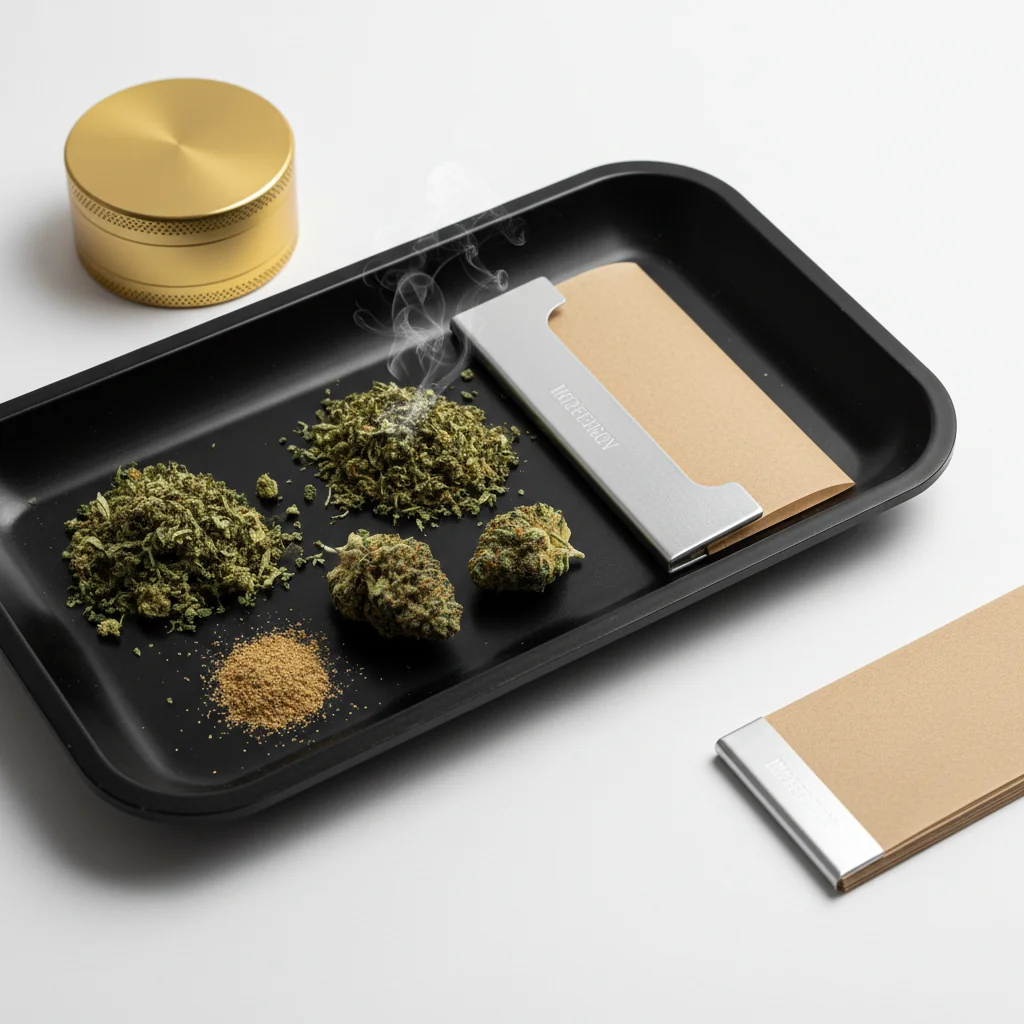
The "munchies" might be cannabis's most famous side effect. For some, it's a problem to manage. For others—particularly those with medical conditions causing appetite loss—it's the primary reason they use cannabis. Understanding how cannabis affects appetite helps you either maximize or minimize this effect.
Quick Answer
Cannabis stimulates appetite through THC's interaction with CB1 receptors in the brain's hunger centers, increasing the hunger hormone ghrelin and enhancing taste/smell perception. For maximum appetite stimulation, use indica strains high in myrcene and THC. To minimize munchies, try CBD-dominant strains, THCV strains, or eat before using cannabis.
Table of Contents
- Why Cannabis Causes Hunger
- Best Strains for Appetite
- Medical Applications
- How to Avoid Munchies
- Managing Healthy Eating
- FAQ
Why Cannabis Causes Hunger
The Science
THC affects appetite through multiple mechanisms:
CB1 receptor activation: THC binds to CB1 receptors in the hypothalamus (the brain's hunger control center), triggering hunger signals.
Ghrelin boost: Cannabis increases production of ghrelin, the "hunger hormone" that stimulates appetite.
Enhanced senses: THC heightens smell and taste, making food more appealing. That pizza doesn't just smell good—it smells amazing.
POMC neuron flip: Normally, certain neurons suppress hunger. THC flips their function, making them promote hunger instead.
Dopamine release: Eating while high triggers extra dopamine, making food feel more rewarding.
Why Food Tastes Better
Cannabis enhances taste through:
- Heightened sensory perception
- Increased olfactory sensitivity (smell)
- Altered reward processing
- Enhanced pleasure from eating
Best Strains for Appetite Stimulation
Top Strains for Munchies
OG Kush
- High THC
- Strong appetite stimulation
- Body relaxation
- Classic munchie strain
Purple Kush
- Pure indica
- Intense hunger
- Great for evening use
- Relaxing effects
Bubba Kush
- Heavy indica
- Powerful munchies
- Sedating
- Medical-grade appetite stimulation
Pineapple Express
- Hybrid
- Uplifting but hunger-inducing
- Functional munchies
- Less sedating
Tahoe OG
- Indica-dominant
- Strong appetite effects
- Pain relief bonus
- Evening use
Royal Cookies (GSC)
- Potent hybrid
- Major munchies
- Euphoric effects
- Popular for appetite issues
What Makes a Strain Appetite-Stimulating
High THC: Primary driver of munchies
Myrcene: Relaxing terpene associated with hunger
Limonene: Mood elevation, food enjoyment
Indica-dominant: More body effects, more munchies
Medical Applications
Conditions Where Cannabis Helps
Cancer and chemotherapy: Nausea and appetite loss from treatment
HIV/AIDS: Wasting syndrome, reduced appetite
Eating disorders: Anorexia nervosa, ARFID
Chronic illness: Various conditions causing appetite suppression
Depression/anxiety: When mental health affects eating
Medical Evidence
Cannabis for appetite is one of the most established medical uses:
- FDA-approved synthetic THC (Marinol/dronabinol) for appetite
- Multiple studies showing efficacy
- Long history of clinical use
- Included in most medical cannabis programs
Pharmaceutical Options
Marinol (dronabinol): Synthetic THC, FDA-approved for appetite
Cesamet (nabilone): Synthetic cannabinoid, appetite effects
Whole-plant cannabis: Often more effective than isolated THC
Medical User Tips
- Work with healthcare provider
- Start with low doses
- Time consumption before meals
- Track appetite and food intake
- Choose strains that work for you
- Consider multiple daily doses
How to Avoid Munchies
If You Don't Want the Hunger
Not everyone wants appetite stimulation. Here's how to minimize it:
Choose Different Strains
CBD-dominant strains: CBD doesn't cause munchies and may suppress appetite
THCV strains: THCV (tetrahydrocannabivarin) actively suppresses appetite
Durban Poison: Contains THCV, less likely to cause munchies
Jack the Ripper: THCV-containing sativa
Use Lower Doses
Munchies correlate with dose. Lower amounts = less hunger.
Eat Before Using
A full stomach before consumption reduces munchies. Have a balanced meal, then use cannabis.
Stay Busy
Much munchie eating is boredom-driven. Stay active or engaged to avoid mindless snacking.
Stay Hydrated
Sometimes thirst is confused with hunger. Drink water throughout.
Healthy Snacks Ready
If munchies hit, having healthy options prevents junk food binges:
- Fruits
- Vegetables with hummus
- Nuts
- Popcorn (plain)
Managing Healthy Eating
Meal Prep Strategy
Prepare healthy options before using cannabis:
1. Cut vegetables
2. Portion snacks
3. Remove unhealthy temptations
4. Make nutritious food accessible
Mindful Eating While High
Cannabis can actually enhance mindful eating:
- Slow down
- Taste each bite fully
- Notice textures and flavors
- Stop when satisfied
Avoid Trigger Foods
Don't keep highly palatable junk food around:
- Chips/crisps
- Candy
- Ice cream
- Fast food delivery apps (hide or delete)
Schedule Meals
Plan to use cannabis before meal times:
- Natural eating times
- Nutritious food ready
- Munchies become appetite
THCV: The Anti-Munchie Cannabinoid
What is THCV?
Tetrahydrocannabivarin (THCV) is a cannabinoid that suppresses rather than stimulates appetite. Some call it "diet weed."
Effects
- Appetite suppression
- Shorter duration than THC
- Energizing
- Clear-headed
High-THCV Strains
- Durban Poison
- Doug's Varin
- Pineapple Purps
- Jack the Ripper
- Willie Nelson
Availability
THCV strains are less common. Check with dispensaries or look for lab-tested products with THCV content listed.
FAQ
Why does weed make you hungry?
THC activates CB1 receptors in the brain's hunger centers, increasing the hunger hormone ghrelin and enhancing smell and taste perception. This combination triggers appetite and makes food more appealing and rewarding.
What strain gives the most munchies?
Indica strains high in myrcene and THC typically cause strongest munchies. Popular choices include OG Kush, Purple Kush, Bubba Kush, and Pineapple Express. High-THC strains generally cause more hunger than CBD-dominant varieties.
Can CBD stimulate appetite?
CBD itself doesn't strongly stimulate appetite and may even suppress it slightly. For appetite stimulation, THC is the primary driver. Some medical patients use balanced THC:CBD ratios for comfort.
How do I avoid munchies when using cannabis?
Eat a full meal before using, stay hydrated, choose low-THC or high-CBD strains, try THCV strains (appetite suppressant), keep healthy snacks available instead of junk food, or stay busy to avoid boredom eating.
Is cannabis prescribed for appetite loss?
Yes, in many medical cannabis programs. Cannabis is approved for appetite stimulation in conditions like cancer, HIV/AIDS, and eating disorders. Synthetic THC (Marinol/dronabinol) is also FDA-approved specifically for this purpose.
Will I always get munchies from cannabis?
Not necessarily. Effects vary by strain, dose, individual, and tolerance. Regular users often experience less intense munchies. Strain selection significantly affects appetite response.
Conclusion
Whether you want to maximize appetite for medical reasons or minimize munchies for dietary goals, understanding how cannabis affects hunger helps you choose the right approach. THC-dominant indicas boost appetite most; CBD strains and THCV minimize it.
For medical appetite stimulation, work with healthcare providers and choose strains that work for your condition. For recreational users managing munchies, strategic strain selection, timing, and preparation make cannabis use compatible with health goals.
For more on strain selection, see our terpenes guide and strains for pain.
Frequently Asked Questions
THC activates CB1 receptors in the brain's hunger centers, boosts ghrelin (hunger hormone), and enhances smell and taste, making food more appealing and triggering appetite.
Related Guides
Best Cannabis Strains for Anxiety: Complete Guide
Find the best cannabis strains for anxiety relief. Guide to CBD strains, low-THC options, calming terpenes, dosing tips, and our top 10 strain recommendations.
Best Cannabis Strains for Creativity: Unlock Your Creative Flow
Discover the best cannabis strains for creativity. Learn which sativa and hybrid strains boost creative thinking, artistic flow, and how to use cannabis for creative projects.
Best Cannabis Strains for Focus and Productivity
Discover the best cannabis strains for focus and productivity. Learn which sativas and terpenes enhance concentration, optimal dosing, and how to use cannabis for productive work.