
कैनाबिस डिकार्बोक्सीलेशन गाइड: खाद्य पदार्थों के लिए THC को सक्रिय करने का तरीका
कैनाबिस डिकार्बोक्सीलेशन गाइड: खाद्य पदार्थों के लिए THC को सक्रिय करने का तरीका
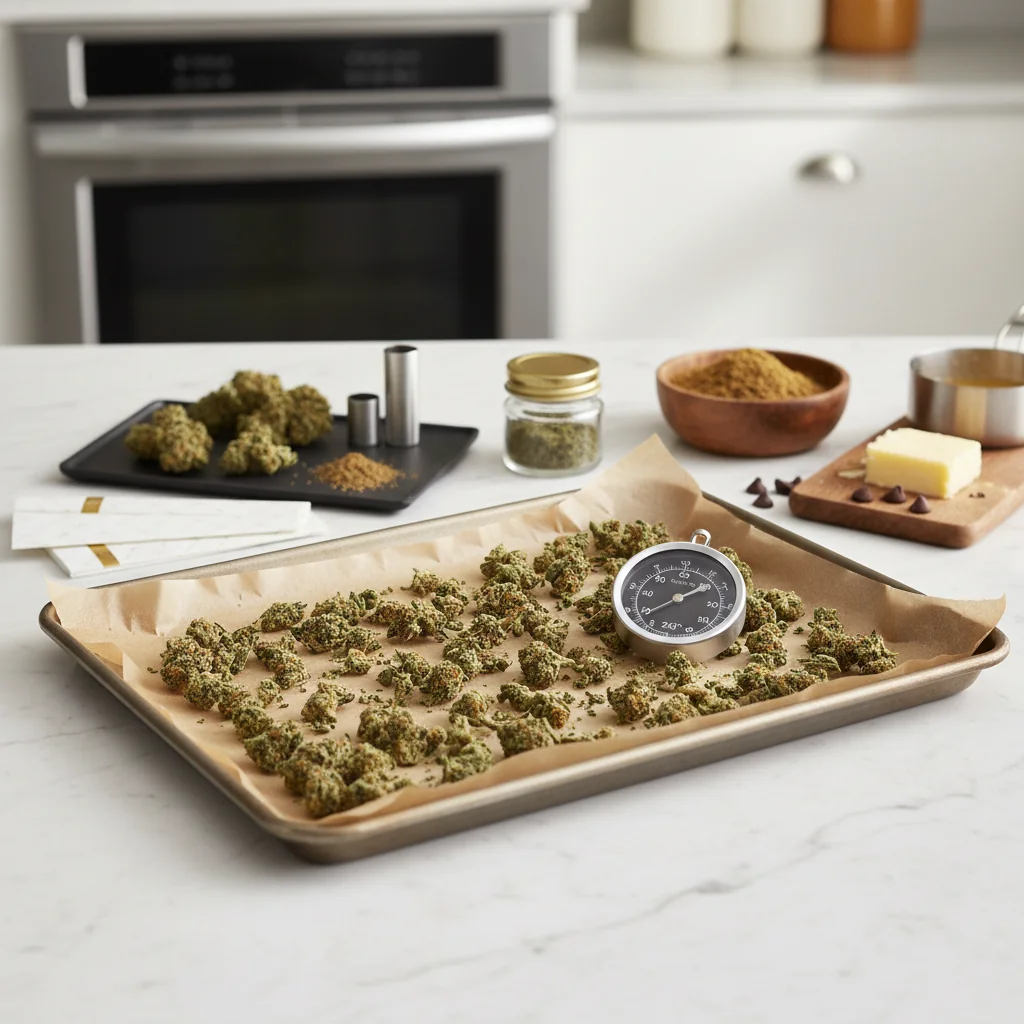
यदि आपने कभी अपने ब्राउनी बैटर में कच्ची कैनाबिस मिलाकर खाद्य पदार्थ बनाने की कोशिश की है, तो आपने शायद कुछ निराशाजनक देखा होगा: वे काम नहीं करते। इसका कारण यह है कि कच्ची कैनाबिस में THCA होता है, THC नहीं—और THCA आपको उच्च नहीं करेगा। अपनी कैनाबिस की मनोवैज्ञानिक क्षमता को अनलॉक करने के लिए, आपको पहले इसे डिकार्बोक्सीलेट करना होगा।
यह गाइड डिकार्बोक्सीलेशन के पीछे के विज्ञान को समझाता है और खाद्य पदार्थों, टिंचर्स और टॉपिकल्स के लिए अपनी कैनाबिस को सही तरीके से सक्रिय करने के लिए चरण-दर-चरण निर्देश प्रदान करता है।
त्वरित उत्तर
डिकार्बोक्सीलेशन ("डिकार्बिंग") वह प्रक्रिया है जिसमें कैनाबिस को गर्म किया जाता है ताकि THCA को THC में परिवर्तित किया जा सके। डिकार्ब करने के लिए, ग्राउंड कैनाबिस को बेकिंग शीट पर फैलाएं और 240°F (115°C) पर 30-40 मिनट तक बेक करें। गर्मी THCA से एक कार्बोक्सिल समूह को हटा देती है, जिससे यह मनोवैज्ञानिक THC में परिवर्तित हो जाता है। यह कदम खाद्य पदार्थों, कैनाबटर या टिंचर्स बनाने से पहले आवश्यक है।
सामग्री की तालिका
- डिकार्बोक्सीलेशन क्या है?
- डिकार्बिंग क्यों आवश्यक है
- सही तापमान और समय
- ओवन डिकार्बोक्सीलेशन विधि
- वैकल्पिक डिकार्बिंग विधियाँ
- सामान्य डिकार्बिंग गलतियाँ
- डिकार्बिंग के बाद: अगला क्या?
- प्रो टिप्स
- अक्सर पूछे जाने वाले प्रश्न
डिकार्बोक्सीलेशन क्या है?
डिकार्बोक्सीलेशन एक रासायनिक प्रतिक्रिया है जो एक अणु से एक कार्बोक्सिल समूह (COOH) को हटा देती है। कैनाबिस में, यह प्रक्रिया अम्लीय कैनाबिनोइड्स को उनके सक्रिय रूपों में परिवर्तित करती है।
विज्ञान की व्याख्या
ताजा कैनाबिस फूल मुख्य रूप से THCA (टेट्राहाइड्रोकैनाबिनोलिक एसिड), THC नहीं। THCA के अणु संरचना में एक अतिरिक्त कार्बोक्सिल समूह जुड़ा होता है। यह कार्बोक्सिल समूह THCA को आपके मस्तिष्क में CB1 रिसेप्टर्स से प्रभावी ढंग से बंधने से रोकता है—यही कारण है कि कच्ची कैनाबिस खाने से उच्च नहीं होता।
जब गर्मी लागू की जाती है:
1. कार्बोक्सिल समूह अस्थिर हो जाता है
2. यह CO2 (कार्बन डाइऑक्साइड) और जल वाष्प के रूप में टूट जाता है
3. THCA THC में परिवर्तित होता है
4. THC अब CB1 रिसेप्टर्स से बंध सकता है और मनोवैज्ञानिक प्रभाव उत्पन्न कर सकता है
THC से परे
डिकार्बोक्सीलेशन अन्य कैनाबिनोइड्स को भी प्रभावित करता है:
- CBDA → CBD: चिकित्सीय लाभों को सक्रिय करता है
- CBGA → CBG: "मदर कैनाबिनोइड" में परिवर्तित करता है
- THCVA → THCV: इस ऊर्जा देने वाले कैनाबिनोइड को सक्रिय करता है
डिकार्बिंग क्यों आवश्यक है
खाद्य पदार्थों के लिए
जब आप कैनाबिस को धूम्रपान या वेप करते हैं, तो आग या वेपोराइज़र से गर्मी तुरंत कैनाबिनोइड्स को डिकार्बोक्सीलेट कर देती है। लेकिन खाद्य पदार्थ बनाने के दौरान, आप कैनाबिस को ऐसे भोजन में मिला रहे हैं जो शायद कभी उचित डिकार्बोक्सीलेशन तापमान तक नहीं पहुंचेगा—या केवल बेकिंग के दौरान थोड़े समय के लिए।
उदाहरण के लिए, ब्राउनी बैटर बाहरी हिस्से में 350°F तक पहुँच सकता है जबकि केंद्र ठंडा रहता है। यह असंगत गर्मी अधूरे डिकार्बोक्सीलेशन और कमजोर खाद्य पदार्थों का परिणाम देती है।
पूर्व-डिकार्बिंग सुनिश्चित करता है:
- पूर्ण THCA → THC रूपांतरण
- आपके खाद्य पदार्थों में स्थिर शक्ति
- आपके कैनाबिस सामग्री का अधिकतम उपयोग
- पूर्वानुमानित प्रभाव
टिंचर्स के लिए
एल्कोहल आधारित टिंचर्स इन्फ्यूजन प्रक्रिया के दौरान गर्मी शामिल नहीं करते। पूर्व-डिकार्बोक्सीलेशन के बिना, आप THC के बजाय THCA निकालेंगे।
टॉपिकल्स के लिए
जबकि टॉपिकल्स आमतौर पर मनोवैज्ञानिक प्रभाव उत्पन्न नहीं करते (THC त्वचा के माध्यम से अच्छी तरह से अवशोषित नहीं होता), कुछ उपयोगकर्ता उनके संभावित चिकित्सीय गुणों के लिए सक्रिय कैनाबिनोइड्स को पसंद करते हैं।
सही तापमान और समय
तापमान और समय सही होना बहुत महत्वपूर्ण है। बहुत कम गर्मी THCA को अपरिवर्तित छोड़ देती है; बहुत अधिक THC और टरपीन को नष्ट कर देती है।
स्वीट स्पॉट
अनुशंसित सेटिंग्स:
- तापमान: 230-250°F (110-121°C)
- समय: 25-45 मिनट
सबसे सामान्य रूप से अनुशंसित प्रोटोकॉल: 240°F पर 30-40 मिनट
तापमान चार्ट
विभिन्न तापमान पर क्या होता है
बहुत कम (<200°F):
- अपूर्ण डिकार्बोक्सीलेशन
- अधिकतर THCA अपरिवर्तित रहता है
- कमजोर या निष्क्रिय खाद्य पदार्थ
सही (220-250°F):
- अनुकूल THCA → THC परिवर्तन
- टरपीन संरक्षण
- शक्तिशाली, स्वादिष्ट परिणाम
बहुत अधिक (>280°F):
- THC CBN में विघटित होना शुरू होता है
- टरपीन नष्ट हो जाते हैं
- कठोर स्वाद
- CBN से शांतिदायक प्रभाव
ओवन डिकार्बोक्सीलेशन विधि
यह घर पर डिकार्बोक्सीलेशन के लिए सबसे सामान्य और विश्वसनीय विधि है।
आपको क्या चाहिए
- कैनाबिस फूल (कोई भी मात्रा)
- बेकिंग शीट या ओवन-सुरक्षित बर्तन
- एल्यूमिनियम फॉयल या पार्चमेंट पेपर
- ओवन थर्मामीटर (बहुत सिफारिश की गई)
- ग्राइंडर (वैकल्पिक लेकिन सहायक)
चरण-दर-चरण निर्देश
#### चरण 1: अपने ओवन को प्रीहीट करें
अपने ओवन को 240°F (115°C) पर सेट करें। सत्यापित करने के लिए ओवन थर्मामीटर का उपयोग करें—कई ओवन गर्म या ठंडे चलते हैं। ओवन को स्थिर होने के लिए 15-20 मिनट का समय दें।
#### चरण 2: अपने कैनाबिस को तैयार करें
अपने कैनाबिस को छोटे टुकड़ों में तोड़ें। आप:
- इसे पीस सकते हैं (सतह क्षेत्र बढ़ता है, तेजी से डिकार्ब)
- हाथ से तोड़ें (कम बारीक, फिर भी काम करता है)
- छोटे कलियों को पूरे छोड़ दें (थोड़ा अधिक समय लेता है)
बहुत बारीक न पीसें—पाउडर किनारों पर जल सकता है।
#### चरण 3: बेकिंग शीट तैयार करें
एक बेकिंग शीट को पार्चमेंट पेपर या एल्युमिनियम फॉयल से लाइन करें। कैनाबिस को एक समान परत में फैलाएं। ढेर या गुच्छा न बनाएं।
गंध कम करने के लिए, आप:
- एक फॉयल पैकेट बनाएं (कैनाबिस को फॉयल में लपेटें, किनारों को सील करें)
- एक ओवन बैग का उपयोग करें
- एक मेसन जार का उपयोग करें जिसमें ढक्कन ढीला रखा गया हो
#### चरण 4: बेक करें
बेकिंग शीट को ओवन के केंद्र में रखें। 30-40 मिनट तक बेक करें।
डन डिकार्बिंग के दृश्य संकेत:
- रंग चमकीले हरे से हल्के भूरे/सोने के रंग में बदलता है
- संरचना सूखी और चुरचुरी हो जाती है
- मजबूत कैनाबिस की सुगंध (यह टरपीन का निकलना है—कुछ हानि सामान्य है)
#### चरण 5: ठंडा करें और स्टोर करें
ओवन से निकालें और पूरी तरह से ठंडा होने दें (15-30 मिनट)। कैनाबिस को छूने पर आसानी से चुरचुरा होना चाहिए।
इस्तेमाल करने के लिए तैयार होने तक एक एयरटाइट कंटेनर में स्टोर करें। डिकार्ब्ड कैनाबिस को नियमित फूल की तरह स्टोर किया जा सकता है—ठंडा, अंधेरा, और एयरटाइट।
वैकल्पिक डिकार्बिंग विधियाँ
मेसन जार विधि (गंध कम)
1. टूटे हुए कैनाबिस को मेसन जार में रखें
2. ढक्कन को हाथ से कसें (बहुत कसकर नहीं—दबाव निकलने की जरूरत है)
3. जार को ओवन-सुरक्षित डिश पर रखें
4. 240°F पर 40-45 मिनट तक बेक करें (कांच को गर्म होने में अधिक समय लगता है)
5. आधे समय में जार को धीरे से हिलाएं
6. खोलने से पहले पूरी तरह से ठंडा होने दें
लाभ: आपके रसोईघर से बहुत कम गंध निकलती है
सौस वीड विधि (सबसे सटीक)
1. कैनाबिस को वैक्यूम बैग में सील करें
2. सौस वीड को 203°F (95°C) पर सेट करें
3. 90-120 मिनट के लिए डुबोएं
4. निकालें और सुखाएं
लाभ: सटीक तापमान नियंत्रण, कोई गंध नहीं, अधिकतम टरपीन संरक्षण
इंस्टेंट पॉट / प्रेशर कुकर
1. इंस्टेंट पॉट में मेसन जार में कैनाबिस रखें
2. जार के चारों ओर पानी डालें (अंदर नहीं)
3. उच्च पर 40 मिनट तक प्रेशर कुक करें
4. प्राकृतिक दबाव रिलीज
5. यदि आवश्यक हो तो निकालें और सुखाएं
लाभ: लगातार परिणाम, सील किया हुआ वातावरण
Ardent Nova / डिकार्बोक्सीलेशन उपकरण
Ardent Nova जैसे समर्पित उपकरण प्रक्रिया को स्वचालित करते हैं:
- एक-बटन संचालन
- सटीक तापमान नियंत्रण
- पूर्ण रूपांतरण
- कोई गंध नहीं
लाभ: गलती से मुक्त, लगातार, गंध रहित
सामान्य डिकार्बिंग गलतियाँ
1. ओवन तापमान की गलत जानकारी
अधिकांश ओवन अपने प्रदर्शित तापमान से 10-25°F दूर होते हैं। एक ओवन थर्मामीटर एक छोटा निवेश है जो बर्बाद हुए बैचों को रोकता है।
2. ओवन को बार-बार खोलना
हर बार जब आप ओवन खोलते हैं, तो तापमान काफी गिर जाता है। जब संभव हो, खिड़की के माध्यम से दृश्य रूप से जांचें।
3. "ओवन खाद्य पदार्थों" के लिए डिकार्ब छोड़ना
"ब्राउनीज़ 350°F पर बेक होती हैं, यह डिकार्ब कर देगी" सोचना एक सामान्य गलती है। बेकिंग का समय छोटा होता है, आंतरिक तापमान भिन्न होते हैं, और गीला बैटर गर्मी को प्रभावी ढंग से संचालित नहीं करता।
4. बहुत बारीक पीसना
पाउडर सतह क्षेत्र को इतना बढ़ा देता है कि किनारे केंद्र से पहले जल सकते हैं। इसे मोटे पिसे हुए कॉफी से छोटे टुकड़ों में तोड़ें।
5. तेजी लाने के लिए बहुत अधिक गर्मी
उच्च तापमान ≠ तेज परिणाम। 300°F+ THC को सक्रिय करने से तेजी से नष्ट करता है।
6. रंग परिवर्तन की अनदेखी करना
सही तरीके से डिकार्ब की गई कैनाबिस सुनहरे भूरे रंग की होनी चाहिए, गहरे भूरे या काले नहीं। गहरा रंग ओवर-डिकार्बोक्सीलेशन और शक्ति की हानि का संकेत है।
7. पूरी तरह से ठंडा होने की अनुमति नहीं देना
गर्म कैनाबिस उंगलियों को जला सकता है और कैनाबिनोइड्स जारी करना जारी रखता है। इसे संभालने से पहले पूरी तरह से ठंडा होने दें।
डिकार्बिंग के बाद: अगला क्या?
आपकी डिकार्ब की गई कैनाबिस अब "सक्रिय" है और कई अनुप्रयोगों के लिए तैयार है:
कैनाबटर बनाना
किसी भी नुस्खे में उपयोग के लिए अपने डिकार्ब की गई कैनाबिस को मक्खन में मिलाएं:
1. मक्खन में डिकार्ब की गई कैनाबिस को उबालें (कम गर्मी, 2-3 घंटे)
2. पौधों की सामग्री को छान लें
3. रेफ्रिजरेट करें
हमारा पूरा कैनाबटर गाइड विस्तृत निर्देशों के लिए।
कैनाबिस तेल बनाना
कैनाबटर की तरह ही प्रक्रिया लेकिन नारियल के तेल, जैतून के तेल, या MCT तेल के साथ:
- बेकिंग और खाना पकाने के लिए बेहतरीन
- कैप्सूल में उपयोग किया जा सकता है
- टॉपिकल्स के लिए काम करता है
टिंचर बनाना
उच्च-प्रमाण शराब में डिकर्बेड कैनाबिस को भिगोएं:
1. कैनाबिस और एवरक्लियर को जार में मिलाएं
2. 24 घंटे से 2 सप्ताह तक समय-समय पर हिलाएं
3. छान लें
4. अंधेरे ड्रॉपर बोतलों में स्टोर करें
प्रत्यक्ष उपभोग
डिकर्बेड कैनाबिस को:
- खाने पर छिड़का जा सकता है
- स्मूदी में जोड़ा जा सकता है
- कैप्सूल में डाला जा सकता है
- प्रत्यक्ष रूप से खाया जा सकता है (स्वादिष्ट नहीं है, लेकिन काम करता है)
चूंकि यह पहले से सक्रिय है, कोई और तैयारी की आवश्यकता नहीं है।
प्रो टिप्स
1. ओवन थर्मामीटर का उपयोग करें—यह लगातार परिणामों के लिए सबसे अच्छा निवेश है
2. डिकर्बिंग के बाद पीसें सूखे सामग्री को संभालने में आसानी के लिए
3. स्टेम्स को बाद में बचाएं—इनमें कैनाबिनॉइड होते हैं और इन्हें भी डिकर्ब किया जा सकता है
4. मेसन जार विधि रसोई की गंध को काफी कम करती है
5. रंग आपका मार्गदर्शक है—सोने का भूरा = तैयार, गहरा भूरा = अधिक पक गया
6. अतिरिक्त डिकर्ब करें और भविष्य की परियोजनाओं के लिए स्टोर करें
7. लेबल और तारीख लगाएं अपने डिकर्बेड कैनाबिस पर
8. पोटेंसी की गणना करें उपयोग करने से पहले (हमारी जांच करें खाद्य पदार्थों की डोजिंग गाइड)
9. धीरे और धीरे तेज और गर्म से बेहतर है
10. ABV बर्बाद न करें—पहले से वाष्पित बड आंशिक रूप से डिकार्ब किया गया है और सीधे उपयोग किया जा सकता है
अक्सर पूछे जाने वाले प्रश्न
अगर मैं डिकार्बोक्सीलेशन छोड़ दूं तो क्या होगा?
आपके खाद्य पदार्थ बहुत कमजोर या निष्क्रिय होंगे। THCA मनोवैज्ञानिक प्रभाव नहीं उत्पन्न करता, इसलिए आप अपनी कैनाबिस बर्बाद कर देंगे। हमेशा खाद्य पदार्थों के लिए पहले डिकार्ब करें।
क्या मैं माइक्रोवेव में डिकार्ब कर सकता हूँ?
सिफारिश नहीं की जाती। माइक्रोवेव असमान रूप से गर्म होते हैं और गर्म स्थान बना सकते हैं जो कैनाबिनोइड्स को नष्ट कर देते हैं जबकि अन्य क्षेत्रों को अपरिवर्तित छोड़ देते हैं।
क्या डिकार्बिंग से गंध आती है?
हाँ, काफी। यह प्रक्रिया टेरपीनों को छोड़ती है जो एक मजबूत कैनाबिस की गंध उत्पन्न करती है। गंध को कम करने के लिए मेसन जार या सॉवाइड विधियों का उपयोग करें, या सुगंधित रसोई के लिए तैयार रहें।
मुझे कैसे पता चलेगा कि यह हो गया?
देखें: सुनहरा-भूरा रंग, सूखी चुरचुरी बनावट, और आकार में कमी। प्रारंभिक मजबूत गंध टेरपीनों के समाप्त होने के साथ कम हो जाएगी।
क्या मैं बहुत लंबे समय तक डिकार्ब कर सकता हूँ?
हाँ। अधिक डिकार्बिंग THC को CBN (कम मनोवैज्ञानिक, अधिक शांतिदायक) में परिवर्तित कर देती है। यदि आपकी कैनाबिस गहरा भूरा या काला हो जाता है, तो आप बहुत दूर चले गए हैं।
खाद्य पदार्थों के लिए सबसे अच्छी कैनाबिस कौन सी है?
कोई भी कैनाबिस काम करता है, लेकिन उच्च THC सामग्री का मतलब है कि इच्छित शक्ति के लिए कम फूलों की आवश्यकता होती है। ट्रिम और शेक का भी उपयोग किया जा सकता है—बस मात्रा को समायोजित करें।
क्या कीफ को डिकार्ब करने की आवश्यकता है?
हाँ, कीफ में केंद्रित ट्राइकोम होते हैं जिनमें वही THCA होता है जिसे परिवर्तन की आवश्यकता होती है। इन्सुलेशन के लिए कोई पौधों की सामग्री नहीं होने के कारण थोड़े कम तापमान (220°F) का उपयोग करें।
क्या मैं कंसंट्रेट को डिकार्ब कर सकता हूँ?
हाँ। कंसंट्रेट को पार्चमेंट पेपर पर फैलाएं और 220°F पर 20-25 मिनट तक गर्म करें। ध्यान से देखें—कंसंट्रेट जल्दी से अधिक डिकार्ब हो सकते हैं।
निष्कर्ष
डिकार्बोक्सीलेशन प्रभावी कैनाबिस खाद्य पदार्थों, टिंचर्स और इन्फ्यूज़न बनाने में महत्वपूर्ण पहला कदम है। इसके बिना, आप THC के बजाय THCA के साथ काम कर रहे हैं, और आपके अंतिम उत्पाद इच्छित प्रभाव उत्पन्न नहीं करेंगे।
यह प्रक्रिया सरल है: मानक ओवन में 240°F पर 30-40 मिनट। ओवन थर्मामीटर का उपयोग करें, सुनहरे-भूरे रंग में परिवर्तन के लिए देखें, और प्रक्रिया को जल्दी न करें। सही तरीके से डिकार्ब की गई कैनाबिस कैनाबिस खाना पकाने और शिल्प के लिए संभावनाओं की एक दुनिया खोलती है।
क्या आप अपनी डिकार्ब की गई कैनाबिस का उपयोग करने के लिए तैयार हैं? हमारी कैनाबटर रेसिपी देखें या हमारी खाद्य पदार्थों की डोजिंग गाइड का अन्वेषण करें ताकि आप सुरक्षित, आनंददायक इन्फ्यूज़न बना सकें।
Frequently Asked Questions
आपके खाद्य पदार्थ बहुत कमजोर या निष्क्रिय होंगे। THCA मनोवैज्ञानिक प्रभाव नहीं उत्पन्न करता, इसलिए आप अपनी कैनाबिस बर्बाद कर देंगे। हमेशा पहले डिकार्ब करें।
आदर्श सेटिंग 240°F (115°C) के लिए 30-40 मिनट है। यह THCA को THC में पूरी तरह से परिवर्तित करता है जबकि टरपीन को संरक्षित करता है।
हाँ, काफी। गंध को कम करने के लिए मेसन जार या सूस वीड विधियों का उपयोग करें, या सुगंधित रसोई के लिए तैयार रहें।
सोने-भूरे रंग, सूखी चुरचुरी बनावट और घटित आकार की तलाश करें। गहरा भूरा मतलब अधिक डिकार्ब किया गया।
हाँ। अधिक डिकार्बिंग THC को CBN (कम मनोवैज्ञानिक, अधिक शांतिदायक) में परिवर्तित करता है। यदि आपकी कैनाबिस गहरे भूरे रंग की हो जाती है, तो आप बहुत दूर चले गए हैं।
Related Guides

Best Cannabis Brownies Recipe: Classic Pot Brownie Guide
Perfect cannabis brownies recipe with step-by-step instructions. Learn proper cannabutter ratios, baking temperatures, dosing calculations, and tips for consistent, delicious pot brownies.

Calculating THC Dosage in Edibles: The Complete Math Guide
Master the math behind cannabis edible dosing. Complete formulas for calculating THC content, extraction efficiency charts, worked examples, and a quick reference cheat sheet.

How to Make Cannabis Chocolate Truffles: Infused Confection Recipe
Elegant cannabis chocolate truffle recipe with precise dosing. No-bake ganache method using cannabis coconut oil. Coating options, flavor variations, and storage tips.