
מדריך דקרבוקסילציה לקנאביס: איך להפעיל THC למאכלים
מדריך דקרבוקסילציה לקנאביס: איך להפעיל THC למאכלים
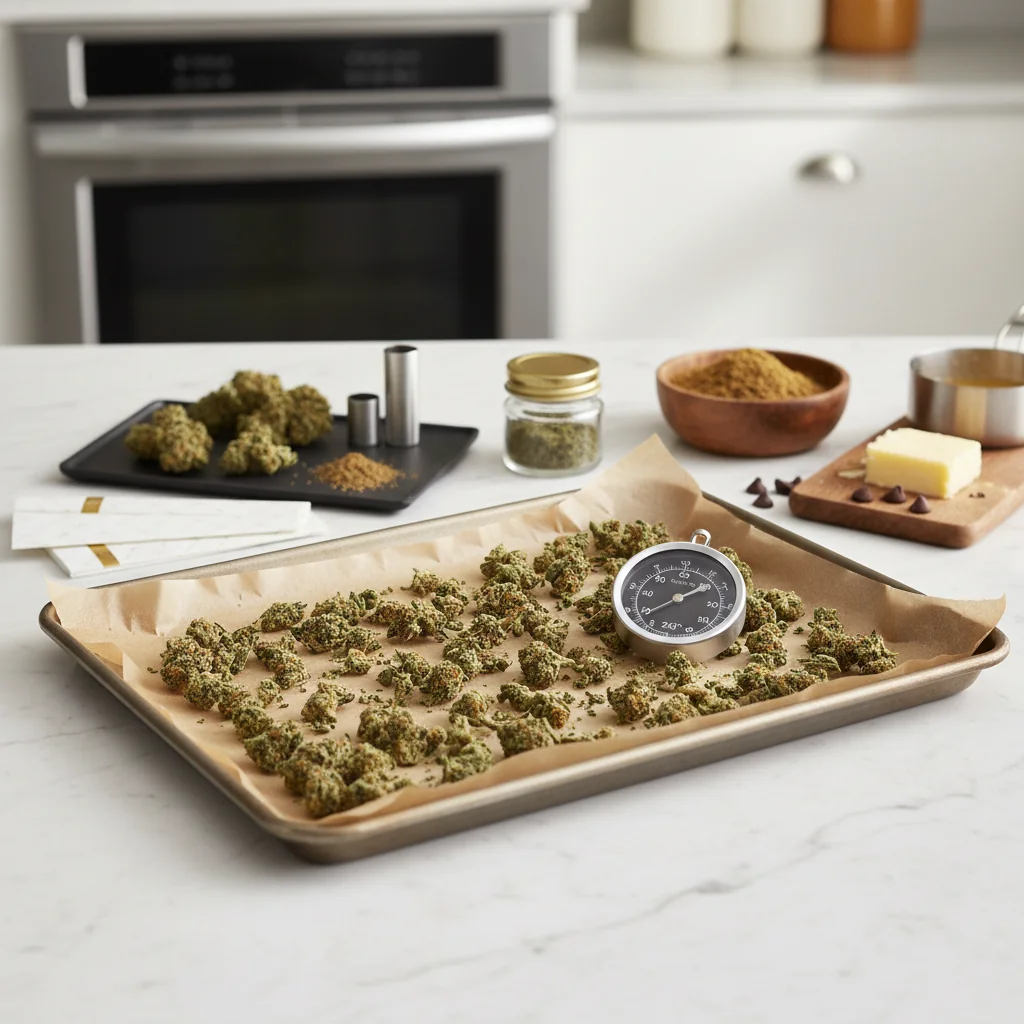
אם אי פעם ניסית להכין מאכלים על ידי ערבוב קנאביס גולמי בתערובת הבראוניז שלך, כנראה ששמת לב למשהו מאכזב: הם לא עבדו. זה בגלל שקנאביס גולמי מכיל THCA, לא THC—ו-THCA לא יגרום לך להיות גבוה. כדי לשחרר את הפוטנציאל הפסיכואקטיבי של הקנאביס שלך, אתה צריך לדקרב אותו קודם.
מדריך זה מסביר את המדע מאחורי הדקרבוקסילציה ומספק הוראות שלב אחר שלב להפעלת הקנאביס שלך למאכלים, טינקטורות ומוצרים חיצוניים.
תשובה מהירה
דקרבוקסילציה ("דקרב") היא התהליך של חימום קנאביס כדי להמיר THCA ל-THC. כדי לדקרב, פזר קנאביס טחון על תבנית אפייה ואפה ב-240°F (115°C) למשך 30-40 דקות. החום מסיר קבוצת קרבוקסיל מ-THCA, מה שהופך אותו ל-THC פסיכואקטיבי. שלב זה חיוני לפני הכנת מאכלים, חמאת קנאביס או טינקטורות.
תוכן עניינים
- מהי דקרבוקסילציה?
- למה דקרב הוא חיוני
- הטמפרטורה והזמן המושלמים
- שיטת דקרבוקסילציה בתנור
- שיטות דקרב חלופיות
- טעויות נפוצות בדקרב
- אחרי הדקרב: מה הלאה?
- טיפים מקצועיים
- שאלות נפוצות
מהי דקרבוקסילציה?
דקרבוקסילציה היא תגובה כימית שמסירה קבוצת קרבוקסיל (COOH) ממולקולה. בקנאביס, תהליך זה ממיר קנבינואידים חומציים לצורות הפעילות שלהם.
המדע מוסבר
פרח קנאביס טרי מכיל בעיקר THCA (חומצה טטרה הידרוקנאבינולית), לא THC. ל-THCA יש קבוצת קרבוקסיל נוספת מחוברת למבנה המולקולרי שלו. קבוצת הקרבוקסיל הזו מונעת מ-THCA להיקשר ביעילות לקולטי CB1 במוח שלך—וזה הסיבה שאכילת קנאביס גולמי לא מייצרת השפעה.
כאשר חום מוחל:
1. קבוצת הקרבוקסיל הופכת לא יציבה
2. היא מתפרקת כ-CO2 (פחמן דו-חמצני) ואדי מים
3. THCA מומר ל-THC
4. THC יכול כעת להיקשר לקולטי CB1 וליצור השפעות פסיכואקטיביות
מעבר ל-THC
דקרבוקסילציה משפיעה גם על קנבינואידים אחרים:
- CBDA → CBD: מפעילה יתרונות תרפויטיים
- CBGA → CBG: ממירה את "הקנבינואיד האם"
- THCVA → THCV: מפעילה את הקנבינואיד הממריץ הזה
למה דקרבינג הוא חיוני
למזון
כשאתה מעשן או מאדה קנאביס, החום מהלהבה או מהמאדה מדקרבוקסיל את הקנבינואידים מיד. אבל כשאתה מכין מזון, אתה מוסיף קנאביס למזון שעשוי לא להגיע לטמפרטורות דקרבוקסילציה נכונות—או רק לזמן קצר במהלך האפייה.
בצק בראוני, למשל, עשוי להגיע ל-350°F בחוץ בעוד שהמרכז נשאר קר יותר. חימום לא אחיד זה גורם לדקרבוקסילציה לא מלאה ולמזון חלש.
דקרבינג מראש מבטיח:
- המרה מלאה של THCA → THC
- עוצמה עקבית בכל המזון שלך
- שימוש מקסימלי בחומר הקנאביס שלך
- השפעות צפויות
לטינקטורות
טינקטורות על בסיס אלכוהול לא כוללות חום במהלך תהליך ההשריה. ללא דקרבוקסילציה מראש, תחלץ THCA במקום THC.
למוצרים חיצוניים
בעוד שמוצרים חיצוניים בדרך כלל לא מייצרים השפעות פסיכואקטיביות (THC לא נספג היטב דרך העור), חלק מהמשתמשים מעדיפים קנבינואידים מופעלים בגלל הפוטנציאל התרפויטי שלהם.
הטמפרטורה והזמן המושלמים
קביעת הטמפרטורה והזמן הנכונים היא קריטית. חום מועט מדי משאיר את THCA לא מומר; חום גבוה מדי הורס את ה-THC והטרפנים.
הנקודה המתוקה
הגדרות מומלצות:
- טמפרטורה: 230-250°F (110-121°C)
- זמן: 25-45 דקות
הפרוטוקול המומלץ ביותר: 240°F למשך 30-40 דקות
טבלת טמפרטורות
מה קורה בטמפרטורות שונות
נמוך מדי (<200°F):
- דקרבוקסילציה לא מלאה
- רוב ה-THCA נשאר לא מומר
- מזון חלש או לא פעיל
בדיוק נכון (220-250°F):
- המירה אופטימלית של THCA ל-THC
- שימור טרטנים
- תוצאות חזקות וטעימות
גבוה מדי (>280°F):
- THC מתחיל להתפרק ל-CBN
- הטרפנים נהרסים
- טעם חזק יותר
- השפעות הרדמה מ-CBN
שיטת דקרבוקסילציה בתנור
זו השיטה הנפוצה והאמינה ביותר לדקרבוקסילציה ביתית.
מה תצטרך
- פרחי קנאביס (כל כמות)
- תבנית אפייה או כלי בטוח לתנור
- נייר אלומיניום או נייר אפייה
- מדחום לתנור (מומלץ מאוד)
- טחנה (אופציונלי אך מועיל)
הוראות שלב אחר שלב
#### שלב 1: מחממים את התנור
הגדר את התנור שלך ל-240°F (115°C). השתמש במדחום לתנור כדי לאמת - הרבה תנורים פועלים בטמפרטורות גבוהות או נמוכות. המתן 15-20 דקות כדי שהתנור יתייצב.
#### שלב 2: הכנת הקנאביס שלך
שבור את הקנאביס שלך לחתיכות קטנות יותר. אתה יכול:
- לטחון אותו (מגדיל את שטח הפנים, דקרב מהיר יותר)
- שבר ביד (פחות דק, עדיין עובד)
- השאר ניצנים קטנים שלמים (לוקח קצת יותר זמן)
אל טחון דק מדי—אבקה יכולה להישרף בקצוות.
#### שלב 3: הכנת תבנית האפייה
שמים נייר אפייה או נייר כסף על תבנית האפייה. מפזרים את הקנאביס באופן אחיד בשכבה אחת. אל תערמו או תדחסו.
להפחתת ריחות, אתם יכולים:
- ליצור חבילה מנייר כסף (לקפל את הקנאביס בנייר כסף, לסגור את הקצוות)
- להשתמש בשקית אפייה
- להשתמש בצנצנת זכוכית עם מכסה מונח רופף
#### שלב 4: אפייה
שמים את תבנית האפייה במרכז התנור. אופים במשך 30-40 דקות.
סימנים חזותיים לסיום תהליך הדקרבינג:
- שינוי צבע מירוק בוהק לחום בהיר/זהוב
- מרקם הופך יבש ופירורי
- ארומה חזקה של קנאביס (זהו טרטנים בורחים—אובדן מסוים הוא נורמלי)
#### שלב 5: קירור ואחסון
מוציאים מהתנור ומניחים להתקרר לחלוטין (15-30 דקות). הקנאביס צריך להתפורר בקלות כשנוגעים בו.
אחסנים במיכל אטום עד לשימוש. קנאביס דקרב יכול להיות מאוחסן כמו פרח רגיל—קר, חשוך ואטום.
שיטות דקרבינג חלופיות
שיטת צנצנת זכוכית (הפחתת ריח)
1. שמים קנאביס שבור בצנצנת זכוכית
2. סוגרים את המכסה ביד (לא חזק מדי—הלחץ צריך לברוח)
3. מניחים את הצנצנת על צלחת שמתאימה לתנור
4. אופים ב-240°F במשך 40-45 דקות (זכוכית לוקחת יותר זמן להתחמם)
5. מנערים את הצנצנת בעדינות באמצע הזמן
6. נותנים להתקרר לחלוטין לפני הפתיחה
יתרונות: הרבה פחות ריח בורח מהמטבח שלכם
שיטת סו וויד (המדויק ביותר)
1. אוטמים את הקנאביס בשקית ואקום
2. מכוונים את הסו וויד ל-203°F (95°C)
3. טובלים במשך 90-120 דקות
4. מסירים ומייבשים
יתרונות: שליטה מדויקת בטמפרטורה, ללא ריח, שמירה מקסימלית על טרטנים
אינסטנט פוט / סיר לחץ
1. שמים קנאביס בצנצנת זכוכית באינסטנט פוט
2. מוסיפים מים סביב הצנצנת (לא פנימה)
3. מבשלים בלחץ גבוה במשך 40 דקות
4. שחרור לחץ טבעי
5. הסר וייבש אם צריך
יתרונות: תוצאות עקביות, סביבה סגורה
Ardent Nova / מכשירי דקרבוקסילציה
מכשירים ייעודיים כמו Ardent Nova אוטומטיים את התהליך:
- הפעלה בלחיצת כפתור אחת
- בקרת טמפרטורה מדויקת
- המרה מלאה
- אין ריח
יתרונות: חסין טעויות, עקביות, ללא ריח
טעויות נפוצות בדקרבוקסילציה
1. חוסר דיוק בטמפרטורת התנור
רוב התנורים חורגים ב-10-25°F מהטמפרטורה המוצגת. מד טמפרטורה לתנור הוא השקעה קטנה שמונעת הרס של קבוצות.
2. פתיחת התנור לעיתים תכופות
כל פעם שאתה פותח את התנור, הטמפרטורה צונחת משמעותית. בדוק באופן חזותי דרך החלון כאשר זה אפשרי.
3. דילוג על דקרב עבור "מאכלי תנור"
לחשוב "הבראוניז נאפים ב-350°F, זה ידקרב את זה" זו טעות נפוצה. זמן האפייה קצר, הטמפרטורות הפנימיות משתנות, ובצק רטוב לא מעביר חום ביעילות.
4. טחינה דקה מדי
אבקה מגדילה את שטח הפנים כל כך הרבה שהקצוות יכולים להישרף לפני שהמרכזים מוכנים. חתוך לחתיכות לא קטנות יותר מקפה טחון גס.
5. חום יתר בניסיון לזרז
טמפרטורה גבוהה יותר ≠ תוצאות מהירות יותר. 300°F+ הורס THC מהר יותר ממה שהוא מפעיל אותו.
6. התעלמות משינויים בצבע
קנאביס מדקרב כראוי צריך להיות חום זהוב, לא חום כהה או שחור. צבע כהה מעיד על דקרבוקסילציה יתרה ואובדן פוטנציה.
7. عدم允许 للتبريد الكامل
קנאביס חם יכול לשרוף אצבעות וממשיך לשחרר קנבינואידים. תן לו להתקרר לחלוטין לפני שיטפלו.
אחרי דקרב: מה הלאה?
הקנאביס שלך מדקרב עכשיו "מופעל" ומוכן להרבה יישומים:
הכנת חמאת קנאביס
החדר את הקנאביס המדקרב שלך בחמאה לשימוש בכל מתכון:
1. מבשלים קנאביס מדקרב בחמאה (חום נמוך, 2-3 שעות)
2. מסננים את חומר הצמח
3. מכניסים למקרר
ראה את המדריך המלא שלנו ל- חמאת קנאביס להוראות מפורטות.
הכנת שמן קנאביס
אותו תהליך כמו חמאת קנאביס אבל עם שמן קוקוס, שמן זית או שמן MCT:
- מעולה לאפייה ולבישול
- ניתן להשתמש בקפסולות
- עובד עבור משחות
הכנת טינקטורות
להשרות קנאביס מפורק באלכוהול חזק:
1. לשלב קנאביס ואברקליר בצנצנת
2. לנער מדי פעם במשך 24 שעות עד 2 שבועות
3. לסנן
4. לאחסן בבקבוקי טפטוף כהים
צריכה ישירה
קנאביס מפורק יכול להיות:
- מפוזר על אוכל
- מוסף לשייקים
- מוכנס לקפסולות
- נצרך ישירות (לא טעים, אבל עובד)
מכיוון שהוא כבר מופעל, אין צורך בהכנה נוספת.
טיפים מקצועיים
1. השתמש במד חום לתנור— זו ההשקעה הטובה ביותר לתוצאות עקביות
2. לטחון לאחר הפירוק כדי להקל על טיפול בחומר היבש
3. שמור גבעולים להמשך— הם מכילים קנבינואידים וניתן לפרק אותם גם כן
4. שיטת צנצנת מייסון מפחיתה משמעותית את הריח במטבח
5. צבע הוא המדריך שלך— חום זהוב = מוכן, חום כהה = מבושל יתר על המידה
6. פרק עודף ואחסן לפרויקטים עתידיים
7. סמן ותאריך את הקנאביס המפורק שלך
8. חשב את הפוטנציה לפני השימוש (בדוק את שלנו מדריך מינון למאכלים)
9. איטי ונמוך עדיף על מהיר וחם
10. אל תבזבז ABV—פרחים שכבר עברו אידוי הם חלקית דקרב וניתן להשתמש בהם ישירות
שאלות נפוצות
מה אם אני מדלג על דקרבוקסילציה?
המאכלים שלך יהיו מאוד חלשים או לא פעילים. THCA לא מייצר השפעות פסיכואקטיביות, כך שתבזבז את הקנאביס שלך. תמיד דקרב קודם למאכלים.
האם אני יכול לדקרב במיקרוגל?
לא מומלץ. מיקרוגלים מחממים באופן לא אחיד ויכולים ליצור אזורים חמים שמזיקים לקנבינואידים בעוד אזורים אחרים נשארים לא מומר.
האם לדקרב יש ריח?
כן, באופן משמעותי. התהליך משחרר טרפנים שמייצרים ריח חזק של קנאביס. השתמש בצנצנת מסון או בשיטות סו וויד כדי למזער את הריח, או היה מוכן למטבח ריחני.
איך אני יודע מתי זה מוכן?
חפש: צבע חום-זהב, מרקם יבש ומפורר, וגודל מופחת. הריח החזק בהתחלה יתמתן כשטרפנים מסיימים להשתחרר.
האם אני יכול לדקרב יותר מדי זמן?
כן. דקרב יתר עלול להמיר THC ל-CBN (פחות פסיכואקטיבי, יותר מרדימי). אם הקנאביס שלך הופך לחום כהה או שחור, הלכת רחוק מדי.
מהו הקנאביס הטוב ביותר למאכלים?
כל קנאביס עובד, אבל תכולת THC גבוהה יותר פירושה שצריך פחות פרחים כדי להשיג את העוצמה הרצויה. ניתן גם להשתמש בטרימ ושייק—רק להתאים את הכמות.
האם קיף צריך להיות דקרב?
כן, קיף מכיל טריכומות מרוכזות עם אותו THCA שצריך המרה. השתמש בטמפרטורות מעט נמוכות יותר (220°F) מכיוון שאין חומר צמחי לבידוד.
האם אני יכול לדקרב ריכוז?
כן. פזר את הריכוז על נייר אפייה וחמם ב-220°F במשך 20-25 דקות. צפה בזהירות—ריכוזים יכולים לדקרב יתר על המידה במהירות.
סיכום
דקרבוקסילציה היא הצעד הקריטי הראשון בהכנת מאכלי קנאביס, טינקטורות ואינפוזיות אפקטיביות. בלי זה, אתה עובד עם THCA במקום THC, והמוצרים הסופיים שלך לא יפיקו את ההשפעות הרצויות.
התהליך פשוט: 240°F במשך 30-40 דקות בתנור סטנדרטי. השתמש במד חום לתנור, שים לב לשינוי הצבע לחום-זהב, ואל תמהר בתהליך. קנאביס דקרב כראוי פותח עולם של אפשרויות לבישול ויצירה עם קנאביס.
מוכן להשתמש בקנאביס שלך שדקרבת? בדוק את המתכון שלנו ל חמאת קנאביס או חקור את מדריך המינון למאכלים שלנו
Frequently Asked Questions
המאכלים שלך יהיו מאוד חלשים או לא פעילים. THCA לא מייצר השפעות פסיכואקטיביות, כך שתבזבז את הקנאביס שלך. תמיד דקרב קודם.
ההגדרות האופטימליות הן 240°F (115°C) למשך 30-40 דקות. זה מספק המרה מלאה מ-THCA ל-THC תוך שמירה על טרפנים.
כן, באופן משמעותי. השתמש בשיטת צנצנת מסון או סו וויד כדי למזער את הריח, או היה מוכן למטבח ריחני.
חפש צבע חום-זהב, מרקם יבש ומתפורר, וגודל מופחת. חום כהה מעיד על דקרבוקסילציה יתרה.
כן. דקרבוקסילציה יתרה ממירה THC ל-CBN (פחות פסיכואקטיבי, יותר מרדמתי). אם הקנאביס שלך הופך לחום כהה, הלכת רחוק מדי.
Related Guides

Best Cannabis Brownies Recipe: Classic Pot Brownie Guide
Perfect cannabis brownies recipe with step-by-step instructions. Learn proper cannabutter ratios, baking temperatures, dosing calculations, and tips for consistent, delicious pot brownies.

Calculating THC Dosage in Edibles: The Complete Math Guide
Master the math behind cannabis edible dosing. Complete formulas for calculating THC content, extraction efficiency charts, worked examples, and a quick reference cheat sheet.

How to Make Cannabis Chocolate Truffles: Infused Confection Recipe
Elegant cannabis chocolate truffle recipe with precise dosing. No-bake ganache method using cannabis coconut oil. Coating options, flavor variations, and storage tips.