
How to Make Cannabis Infused Oil: Complete Guide
How to Make Cannabis Infused Oil: Complete Guide
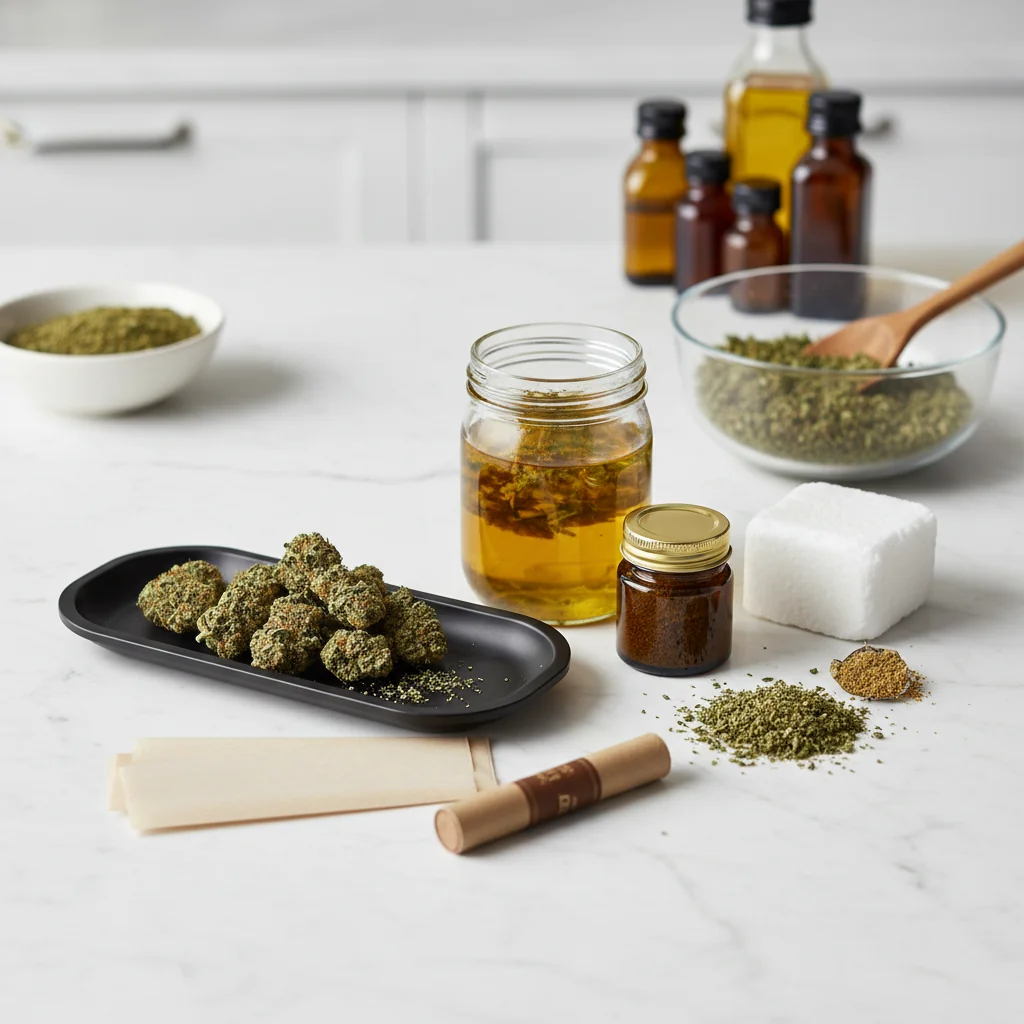
Cannabis infused oil is one of the most versatile ways to use cannabis in cooking. Unlike cannabutter, oil works in virtually any recipe, from baked goods to salad dressings to capsules. With proper technique, you can make consistent, accurately dosed oil at home.
Quick Answer
To make cannabis oil: 1) Decarboxylate flower at 240°F for 40 minutes, 2) Combine with coconut or MCT oil at 1:1 ratio (1 cup oil to 7-10g flower), 3) Simmer at 160-200°F for 2-4 hours, 4) Strain through cheesecloth, 5) Store in airtight container. Coconut oil works best due to high fat content. Always calculate dosage before use.
Table of Contents
- Why Make Cannabis Oil?
- Best Oils for Infusion
- Equipment Needed
- Step-by-Step Instructions
- Alternative Methods
- Calculating Dosage
- Storage and Shelf Life
- Using Your Cannabis Oil
- Troubleshooting
- FAQ
Why Make Cannabis Oil?
Advantages Over Butter
- Vegan-friendly: No animal products
- Versatile: Works in any recipe calling for oil
- Higher fat content (coconut/MCT): Better cannabinoid binding
- Longer shelf life: Especially coconut oil
- Capsule-ready: Easy to fill gel caps
What You Can Make
- Baked goods
- Salad dressings
- Pasta sauces
- Stir-fries
- Smoothies
- Capsules
- Topicals
- Coffee/tea additions
- Any recipe using oil
Best Oils for Cannabis Infusion
Coconut Oil (Best Overall)
Why it's #1:
- 82% saturated fat (binds cannabinoids efficiently)
- Long shelf life
- Solid at room temperature (easy handling)
- Neutral taste when refined
- Works for cooking and topicals
Types:
- Refined: Neutral taste, higher smoke point
- Virgin/Unrefined: Coconut flavor, more nutrients
MCT Oil (Runner-Up)
Advantages:
- 100% saturated fat (maximum absorption)
- Stays liquid (easier to dose)
- Flavorless
- Fast absorption in body
- Ideal for tinctures and capsules
Considerations:
- Lower smoke point (not for high-heat cooking)
- More expensive
Olive Oil
Advantages:
- Heart-healthy fats
- Great for savory dishes
- No tropical flavor
- Widely available
Considerations:
- 14% saturated fat (less efficient binding)
- Strong flavor
- Best for salad dressings and low-heat cooking
Avocado Oil
Advantages:
- High smoke point (great for cooking)
- Neutral taste
- Healthy fat profile
Considerations:
- Lower saturated fat
- More expensive
Oil Comparison Chart
Equipment Needed
Essential
- Oven and baking sheet (for decarb)
- Saucepan or slow cooker
- Thermometer (candy/kitchen)
- Cheesecloth or fine strainer
- Glass storage container
- Grinder (for cannabis)
Helpful Additions
- Double boiler (temperature control)
- Sous vide device (precise temps)
- Mason jars
- Funnel
- Rubber gloves (for handling/squeezing)
- Kitchen scale
Step-by-Step Instructions
Step 1: Calculate Your Amounts
Standard ratio: 1 cup oil to 7-10 grams flower
For stronger oil, use more cannabis. For milder, use less.
Step 2: Decarboxylate Your Cannabis
This step is crucial. Raw cannabis contains THCA, which isn't psychoactive. Heat converts it to THC.
Oven method:
1. Preheat oven to 240°F (115°C)
2. Break cannabis into small pieces (don't powder)
3. Spread evenly on parchment-lined baking sheet
4. Bake for 40-50 minutes
5. Cannabis should be golden brown, dry, crumbly
Signs of proper decarb:
- Color change to brownish
- Dry, crumbly texture
- Distinct smell (ventilate your kitchen)
See our detailed decarboxylation guide for more information.
Step 3: Combine Oil and Cannabis
1. Add oil to saucepan or slow cooker
2. Add decarbed cannabis
3. Stir to coat all plant material
Step 4: Infuse (Low and Slow)
Temperature: 160-200°F (70-93°C)
Time: 2-4 hours minimum
Stovetop method:
1. Heat on lowest setting
2. Monitor temperature constantly
3. Stir every 30 minutes
4. Never let it boil or smoke
Slow cooker method (easier):
1. Set to low or warm
2. Add oil and cannabis
3. Leave 4-6 hours (or overnight on warm)
4. Stir occasionally
Double boiler method (safest):
1. Fill bottom pot with water
2. Place oil/cannabis mixture in top pot
3. Simmer water (controls temperature)
4. Infuse 3-4 hours
Step 5: Strain
1. Set cheesecloth over container
2. Pour oil through cheesecloth
3. Let drain fully
4. Squeeze remaining oil from plant material
5. Discard plant material
Pro tips:
- Wear gloves (oil is messy and sticky)
- Don't over-squeeze (bitter plant matter)
- Let oil cool slightly before handling
Step 6: Store
1. Transfer to airtight container
2. Label with strain, date, and estimated potency
3. Store in refrigerator
4. Use within 2-3 months
Alternative Methods
Mason Jar Method
Benefits: Contained smell, precise temperature control
1. Decarb cannabis first
2. Add cannabis and oil to mason jar
3. Place jar in pot of water
4. Simmer water for 3-4 hours
5. Shake jar occasionally
6. Remove, cool, strain
Sous Vide Method
Benefits: Precise temperature, no smell, hands-off
1. Decarb cannabis
2. Combine oil and cannabis in vacuum or zip bag
3. Remove air, seal bag
4. Set sous vide to 185°F
5. Submerge for 4+ hours
6. Remove, strain
Instant Pot Method
Benefits: Fast, contained
1. Add water to pot
2. Place jar with oil/decarbed cannabis inside
3. Pressure cook 40-60 minutes
4. Natural release
5. Strain
Magical Butter Machine / Infusion Devices
Dedicated devices like Magical Butter or Levo automate the process:
- Set time and temperature
- Machine does the work
- Built-in straining (some models)
- Consistent results
Calculating Dosage
The Formula
Step 1: Determine THC in your flower
Example: 7g flower at 20% THC = 1,400mg THC total
Step 2: Account for extraction efficiency
Not all THC transfers to oil. Assume ~85% extraction.
1,400mg × 0.85 = 1,190mg THC in oil
Step 3: Calculate per-serving dose
If you made 1 cup oil (237ml):
1,190mg ÷ 237ml = ~5mg THC per ml
Step 4: Plan your servings
- 1 teaspoon (5ml) = ~25mg THC
- 1 tablespoon (15ml) = ~75mg THC
Dosing Tips
- Start low: 5-10mg for beginners
- Wait 2 hours before taking more
- Be consistent: Same recipe, same dose each time
- Keep records: Track potency for future batches
For detailed edibles dosing, see our edibles dosing guide.
Using AVB (Already Vaped Bud)
AVB is already decarbed. To use:
- Skip decarboxylation step
- Use 1.5-2x the amount of flower (potency reduced)
- Expect milder results
Storage and Shelf Life
Optimal Storage
- Container: Airtight glass jar
- Location: Refrigerator (best) or cool, dark place
- Light: Avoid (degrades cannabinoids)
- Temperature: Cool and consistent
Shelf Life
Signs of Spoilage
- Off or rancid smell
- Mold growth
- Unusual color change
- Bad taste
When in doubt, throw it out.
Using Your Cannabis Oil
Cooking Tips
- Don't overheat: High temps degrade THC. Add oil after cooking or use in low-heat recipes
- Mix thoroughly: Ensure even distribution in recipes
- Start with familiar recipes: Replace regular oil 1:1
- Fat helps absorption: Combine with other fats for better effects
Recipe Ideas
Savory:
- Salad dressings
- Pasta sauce (add at end)
- Stir-fry finishing oil
- Hummus
Sweet:
- Brownies
- Cookies
- Granola
- Energy balls
Drinks:
- Smoothies
- Coffee (bulletproof style)
- Hot chocolate
Other:
- Capsules
- Topicals
- Massage oil
Direct Consumption
You can take cannabis oil directly:
- Under tongue (faster absorption)
- Swallowed (standard edible onset)
- In capsules (easy dosing)
Troubleshooting
Oil Isn't Working
Possible causes:
- Didn't decarboxylate properly
- Temperature too high during infusion (burned off THC)
- Not enough fat
- Ate on empty stomach (less absorption)
- Individual metabolism differences
Solutions:
- Always decarb first
- Keep temperature below 200°F
- Use high-fat oil (coconut/MCT)
- Consume with fatty food
- Try slightly higher dose next time
Oil Tastes Too "Weedy"
Causes and solutions:
- Too much plant material: Use less cannabis or better flower
- Over-infused: Reduce infusion time
- Squeezed too hard: Be gentle when straining
- Use it in strongly flavored recipes
Oil is Cloudy
This is often just plant matter. It's safe but can be re-strained through coffee filter for clarity.
Oil Separated
Coconut oil can separate. Stir thoroughly before use. If using olive oil and seeing separation, it's likely water—ensure cannabis was dry.
Pro Tips
1. Water cure your cannabis before infusing to remove chlorophyll (reduces plant taste)
2. Freeze your oil in ice cube trays for pre-portioned doses
3. Label everything with strain, date, and potency
4. Test your batch before cooking with it—try a small amount first
5. Use lecithin (optional): 1 tsp per cup oil may improve absorption
6. Keep infusion temperatures low: Patience produces better results
FAQ
What oil is best for cannabis infusion?
Coconut oil is best due to high saturated fat content (82%) that binds cannabinoids efficiently. MCT oil (100% saturated fat) is even better for absorption but has a lower smoke point. Olive oil and avocado oil work but are less efficient.
How long does cannabis oil last?
Properly stored in an airtight container in the refrigerator, cannabis oil lasts 2-3 months. Frozen, it can last 6+ months. Look for off smells, mold, or color changes as signs of spoilage.
Why didn't my cannabis oil work?
Most likely causes: didn't decarboxylate properly (most common), infusion temperature too high (burned off THC), not enough fat in oil, or consumed on empty stomach. Always decarb first and keep temperatures below 200°F.
How do I dose cannabis oil?
Calculate: (mg THC in flower) × 0.85 efficiency ÷ total oil volume = mg per ml. Start with 5-10mg per serving for beginners. A teaspoon typically contains 5ml. Keep detailed records.
Can I make oil with AVB (already vaped bud)?
Yes! AVB is already decarboxylated from vaping. Skip the decarb step and use 1.5-2x the amount you'd use of fresh flower since potency is reduced. Works well but expect milder results.
Do I have to strain out the plant material?
Recommended but not required. Leaving plant material adds fiber but creates texture issues and stronger plant taste. Straining produces a cleaner, more versatile oil.
Conclusion
Cannabis infused oil is a kitchen essential for anyone cooking with cannabis. With proper decarboxylation, appropriate oil choice, and patience during infusion, you can create consistent, accurately dosed oil for endless culinary applications.
Start with coconut oil for best results, always decarb your cannabis, keep temperatures low, and calculate your dosage before cooking. Your homemade cannabis oil will be as good as—or better than—anything you can buy.
For related guides, see our cannabutter guide, decarboxylation guide, and edibles dosing guide.
Frequently Asked Questions
Coconut oil is best due to high saturated fat content that binds cannabinoids well. MCT oil, olive oil, and avocado oil also work. Avoid low-fat oils.
Related Guides

Best Cannabis Brownies Recipe: Classic Pot Brownie Guide
Perfect cannabis brownies recipe with step-by-step instructions. Learn proper cannabutter ratios, baking temperatures, dosing calculations, and tips for consistent, delicious pot brownies.

Calculating THC Dosage in Edibles: The Complete Math Guide
Master the math behind cannabis edible dosing. Complete formulas for calculating THC content, extraction efficiency charts, worked examples, and a quick reference cheat sheet.

How to Make Cannabis Chocolate Truffles: Infused Confection Recipe
Elegant cannabis chocolate truffle recipe with precise dosing. No-bake ganache method using cannabis coconut oil. Coating options, flavor variations, and storage tips.