
Cannabis and Meditation: Enhancing Mindfulness Practice
Cannabis and Meditation: Enhancing Mindfulness Practice
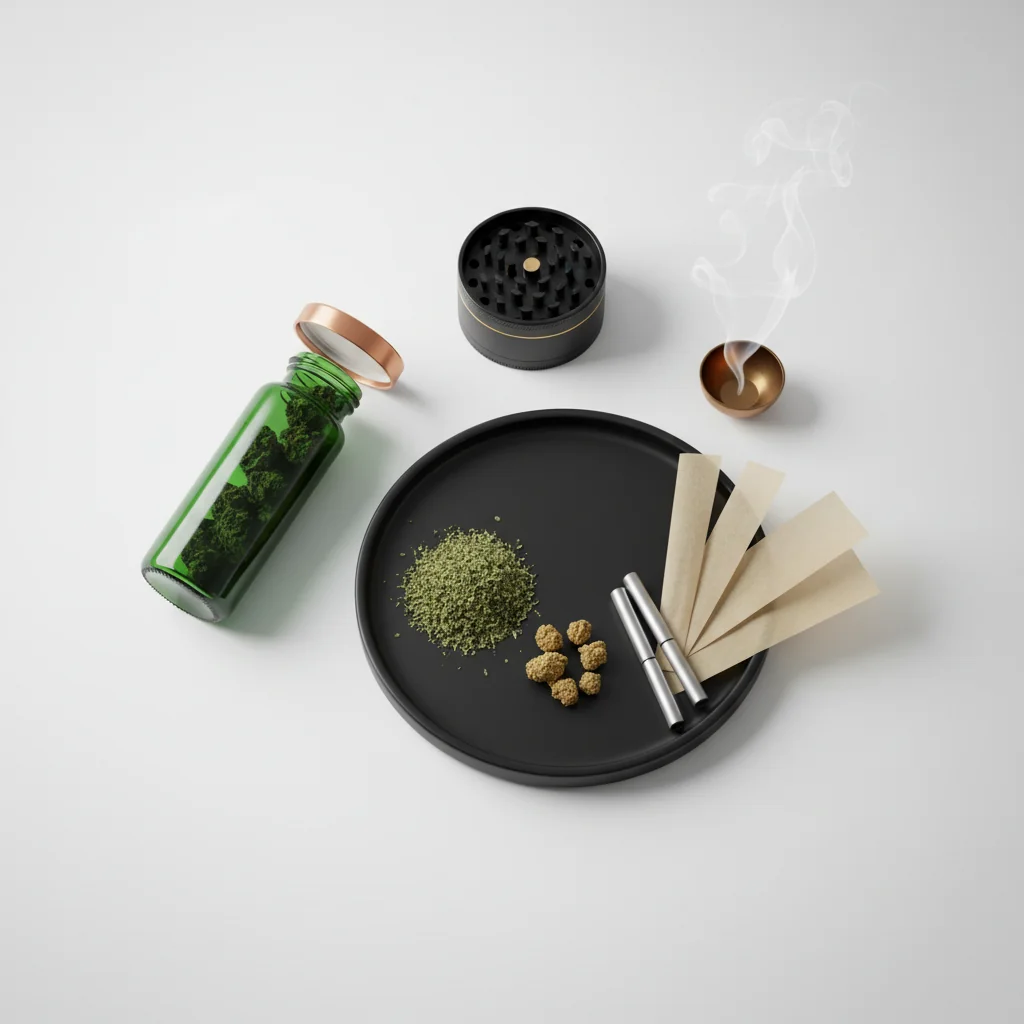
Cannabis and meditation share a goal: altered states of consciousness that promote insight, relaxation, and presence. For thousands of years, various cultures have combined cannabis with contemplative practice. Today, many practitioners find the combination deepens their meditation experience.
Quick Answer
Cannabis can enhance meditation by quieting mental chatter, increasing body awareness, and promoting relaxation. Use low doses (2.5-5mg or 1-2 puffs) 15-30 minutes before sitting. Choose balanced hybrids or CBD-dominant strains. Start with your normal meditation practice but allow for the altered state. Not everyone benefits—some find cannabis distracting.
Table of Contents
- Why Combine Cannabis and Meditation?
- The Historical Connection
- Best Strains for Meditation
- Timing and Dosing
- Meditation Techniques
- Cannabis Yoga
- Potential Pitfalls
- FAQ
Why Combine Cannabis and Meditation?
What Cannabis Adds
Mental quieting: Cannabis can reduce the constant mental chatter that beginners struggle against.
Body awareness: Enhanced interoception (feeling your body) helps with body-scan practices.
Present-moment focus: Time distortion can make it easier to stay in the now.
Relaxation: Reduced physical tension allows deeper settling.
Pattern interruption: Different mental state can break through habitual thought loops.
What Meditation Adds
Intentional direction: Cannabis effects are shaped by intention; meditation provides focus.
Anxiety reduction: Meditation techniques counter any cannabis-induced anxiety.
Integration: Practices help integrate insights that may arise.
Depth: Meditation deepens what might otherwise be "just getting high."
The Synergy
Together, they can produce:
- Deeper relaxation than either alone
- Enhanced mindfulness and presence
- Greater introspective capacity
- Unique contemplative states
- Integration of mind and body
The Historical Connection
Ancient Use
Cannabis has been used in spiritual practices for millennia:
Hinduism: Sadhus (holy men) have used cannabis for centuries in meditation and devotion
Buddhism: Some texts reference cannabis; Tibetan traditions may have used it
Taoism: Ancient Chinese texts mention cannabis in contemplative contexts
Rastafari: Sacramental use combined with meditation and reasoning sessions
Modern Revival
Today's cannabis meditation movement includes:
- Cannabis yoga studios
- Mindfulness-focused cannabis retreats
- Integration of cannabis into wellness practices
- Growing research interest
Best Strains for Meditation
Ideal Characteristics
What to look for:
- Calming, not stimulating
- Clear-headed, not foggy
- Body relaxation
- Low anxiety potential
- Moderate THC or CBD-dominant
Top Strains for Meditation
ACDC (CBD-dominant)
- Minimal intoxication
- Clear, calm focus
- Excellent for beginners
Harlequin (Balanced)
- Gentle, functional effects
- Reduces anxiety
- Good for active meditation
Granddaddy Purple (Indica)
- Deep relaxation
- Body focus
- Best for evening/restorative practice
Northern Lights (Indica)
- Peaceful, introspective
- Reduces mental noise
- Classic meditation strain
Blue Dream (Hybrid)
- Balanced, gentle
- Creative but calm
- Versatile for various practices
What to Avoid
- High-THC sativas (racing thoughts)
- Strains that cause anxiety for you
- Very potent concentrates
- Anything stimulating
Terpenes That Help
See our terpenes guide:
- Linalool: Calming, anxiety-reducing
- Myrcene: Relaxing, sedating
- Limonene: Mood elevation without stimulation
Timing and Dosing
The Right Dose
Key principle: Less is more for meditation.
Recommended: 2.5-5mg THC or 1-2 small puffs
You want enhancement, not overwhelming effects. The goal is a light, functional state that supports practice, not replaces it.
See our microdosing guide for detailed dosing information.
Timing Your Session
If smoking/vaping:
1. Consume 15-30 minutes before sitting
2. Allow effects to settle
3. Begin practice as peak arrives
4. Effects will plateau during meditation
If using edibles:
1. Take 1-2 hours before planned meditation
2. Begin sitting as effects arrive
3. Ride the longer wave
4. Allow extended practice time
Duration Considerations
Cannabis can alter time perception, making meditation feel:
- Longer than actual duration
- More immersive
- Less tied to clock-watching
This can be helpful—use a timer so you don't need to track time.
Meditation Techniques
Body Scan
Particularly enhanced by cannabis:
1. Lie down or sit comfortably
2. Move attention through body systematically
3. Cannabis heightens body sensations
4. Notice areas of tension and release
5. Feel each body part fully
Breath Awareness
The classic meditation object:
1. Focus on natural breath
2. Cannabis can make breathing feel more prominent
3. Follow inhalation and exhalation
4. Return when mind wanders
5. Don't try to control breath
Mantra Meditation
Repetitive focus works well:
1. Choose a word, phrase, or sound
2. Repeat silently or aloud
3. Cannabis can enhance the "entrancing" quality
4. Let repetition carry you deeper
Open Awareness
Letting everything be:
1. Sit without specific focus
2. Let awareness be spacious
3. Notice what arises without attachment
4. Cannabis can support "floating" quality
5. Don't chase or reject thoughts
Guided Meditation
External guidance can help:
1. Use an app or recording
2. Especially useful for beginners
3. The guide keeps you on track
4. Prevents getting lost
5. Many cannabis-specific guided meditations exist
Cannabis Yoga
The Practice
Cannabis yoga (sometimes called "ganja yoga") combines:
- Traditional yoga postures
- Breathwork (pranayama)
- Cannabis consumption
- Meditation components
Benefits
- Enhanced body awareness in poses
- Deeper muscle relaxation
- Greater patience with challenging poses
- Heightened breath awareness
- Integration of movement and mind
Considerations
- Lower doses than you might think
- Balance can be affected—be careful
- Stick to gentle flows at first
- Restorative yoga pairs particularly well
- Stay hydrated
Finding Classes
Cannabis yoga classes exist in many legal areas:
- Look for licensed studios
- Experienced teachers
- Appropriate dose guidance
- Safe environments
Potential Pitfalls
When It Doesn't Work
Cannabis meditation isn't for everyone:
Racing thoughts: Some people get more mental chatter from cannabis
Anxiety: If cannabis causes anxiety, meditation won't fix it
Distraction: Some find cannabis makes focus harder
Sleepiness: Meditation becomes nap time
Dependency: Using cannabis every time you sit
How to Avoid Issues
1. Start with established practice: Know meditation first
2. Use low doses: Less is almost always more
3. Try without first: Don't abandon sober meditation
4. Be honest: If it's not working, stop
5. Alternate: Don't use cannabis every session
Signs to Reduce or Stop
- Anxiety during practice
- Can't sit without cannabis
- Less effective over time
- Practice becoming purely recreational
- Losing benefits of sober sitting
Building a Practice
For Beginners
Week 1-2: Establish sober meditation practice first
Week 3-4: Try one cannabis session, very low dose
Week 5+: Alternate sober and cannabis sessions
For Experienced Meditators
- Use cannabis as occasional enhancement
- Don't abandon what already works
- Experiment with different strains
- Note what adds vs distracts
- Maintain mostly sober practice
Tracking Progress
Keep notes on:
- Strain used
- Dose
- Time before sitting
- Quality of session
- Insights or difficulties
- Compare to sober sessions
FAQ
Does weed help meditation?
For many people, yes. Cannabis can quiet mental chatter, enhance body awareness, and deepen relaxation. Others find it distracting or anxiety-producing. Experiment with low doses to find what works for you personally.
What strain is best for meditation?
Balanced hybrids or indica-dominant strains with calming terpenes (linalool, myrcene). Avoid high-THC sativas that may cause racing thoughts. Many practitioners prefer CBD-dominant strains like ACDC or Harlequin for clear-headed calm.
Should I meditate before or after smoking?
Most recommend consuming 15-30 minutes before sitting. This allows effects to settle in as you begin, providing the ideal relaxed, focused state for practice. Some prefer to smoke mindfully as the meditation itself.
How much should I use before meditation?
Less than you'd use recreationally. Low doses (2.5-5mg THC or 1-2 small puffs) enhance without overwhelming. Too much makes focus difficult and may cause anxiety. The goal is subtle enhancement, not intoxication.
Is cannabis meditation spiritual?
It can be, depending on your approach. Cannabis has been used in spiritual practices across cultures for millennia. Whether you approach it spiritually or practically as a mental tool, the combination can deepen contemplative experience.
Will I become dependent on cannabis for meditation?
Risk exists if you always use cannabis when meditating. Maintain a regular sober practice and use cannabis occasionally. If you find you can't sit without it, take a break from cannabis meditation.
Conclusion
Cannabis and meditation can complement each other beautifully when approached with intention. Low doses, calming strains, and an established practice form the foundation. The combination offers deeper relaxation and enhanced awareness for those who respond well to it.
Remember: cannabis should enhance your meditation, not replace it. Maintain a regular sober practice, use cannabis mindfully and occasionally, and stay honest about whether it's serving your growth.
For related guides, see our strains for anxiety, microdosing guide, and terpenes guide.
Frequently Asked Questions
For many, yes. Cannabis can quiet mental chatter, enhance body awareness, and deepen relaxation. Others find it distracting. Experiment with low doses to find what works for you.
Related Guides
Best Cannabis Strains for Anxiety: Complete Guide
Find the best cannabis strains for anxiety relief. Guide to CBD strains, low-THC options, calming terpenes, dosing tips, and our top 10 strain recommendations.
Best Cannabis Strains for Creativity: Unlock Your Creative Flow
Discover the best cannabis strains for creativity. Learn which sativa and hybrid strains boost creative thinking, artistic flow, and how to use cannabis for creative projects.
Best Cannabis Strains for Focus and Productivity
Discover the best cannabis strains for focus and productivity. Learn which sativas and terpenes enhance concentration, optimal dosing, and how to use cannabis for productive work.