

أساسيات طهي القنب: دليل المبتدئين الكامل للأكل
أساسيات طبخ القنب: دليل المبتدئين الكامل
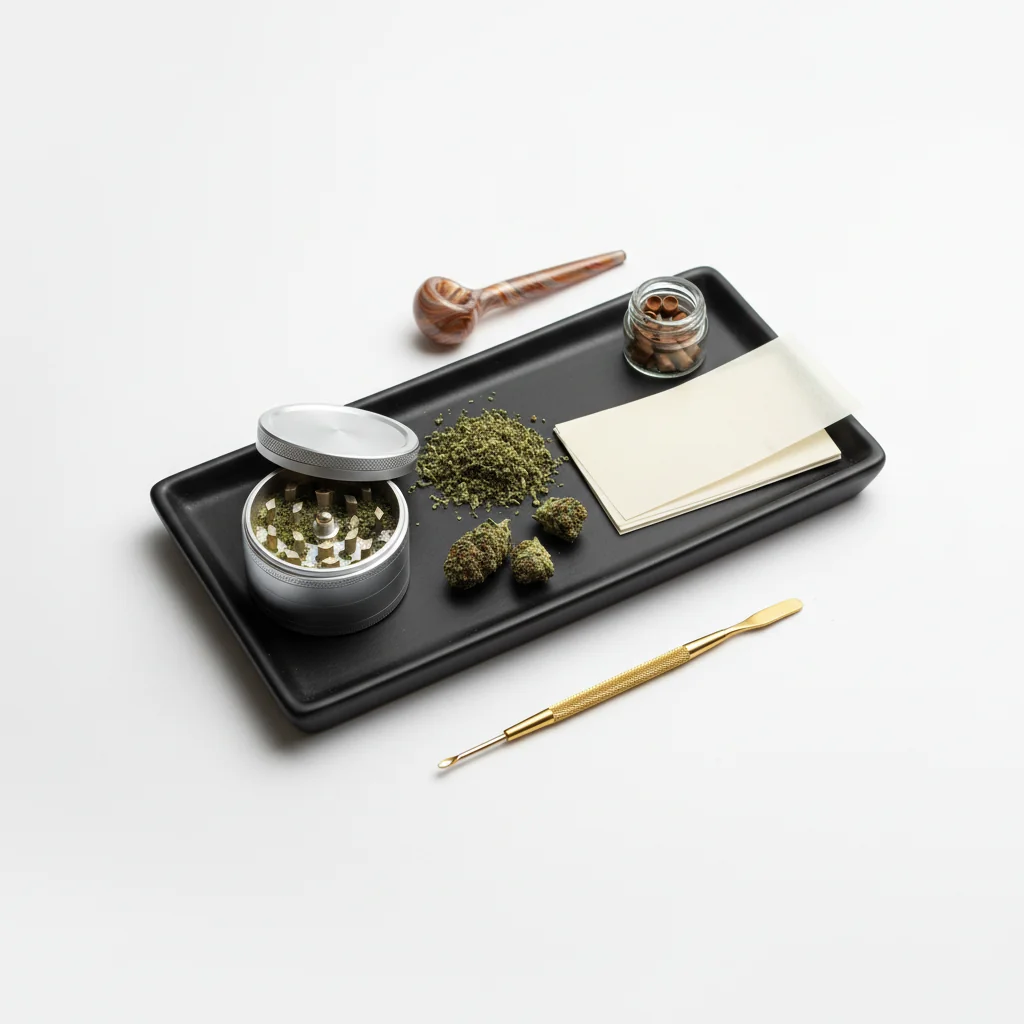
يفتح طهي القنب عالماً من الأطعمة اللذيذة ذات الجرعات التي يمكنك صنعها في المنزل. يغطي هذا الدليل كل ما يحتاج المبتدئين إلى معرفته قبل الدخول إلى مطبخ القنب.
إجابة سريعة
يتطلب طهي القنب ثلاث خطوات أساسية:نزع الكربوكسيل(تسخين القنب الخام لتنشيط THC) ، والتسريب (استخراج القنب إلى مكونات دهنية مثل الزبدة أو الزيت) ، والدمج (إضافة المكونات المنقوعة إلى الوصفات). تستغرق العملية بأكملها 2-4 ساعات ولكنها تنتج أطعمة منزلية متسقة.
لماذا تطبخ مع الحشيش؟
فوائد التدخين
تأثيرات طويلة الأمد: الطعام يوفر 4-8 ساعات من التأثيرات مقارنة بـ 1-3 ساعات من التدخين.
لا تهيج في الرئة: مثالي لأولئك الذين لا يستطيعون أو لا يفضلون التدخين.
جرعات دقيقة: بمجرد حساب الفاعلية ، تكون كل وجبة متسقة.
حذر: لا دخان أو رائحة باقية أثناء الاستهلاك.
تعددية الاستخدامات: من البراونيز إلى صلصة المعكرونة ، يعمل القنب في وصفات لا حصر لها.
فهم الأساسيات
قبل البدء في الطهي، افهم هذه المفاهيم الأساسية:
نزع الكربوكسيل: يحتوي القنب الخام على THCA ، وهو ليس مؤثرًا نفسيًا. الحرارة تحول THCA إلى THC. هذه الخطوة ضرورية.
ذوبان الدهون: THC والقنب الآخر يذوب في الدهون وليس الماء. استخدم دائمًا الزبدة أو الزيت أو أي وسيلة أخرى تعتمد على الدهون.
حساسية درجة الحرارة: THC يتحلل فوق 315 درجة فهرنهايت (157 درجة مئوية). حافظ على درجة حرارة الطهي معتدلة.
المعدات الأساسية
أساسيات المطبخ
فرن أو جهاز نزع الكربوكسيل: لتنشيط القنب.
غلاية مزدوجة أو طباخ بطيء: للتسريب اللطيف دون حرق.
مصفاة شبكية دقيقة أو قماشة جبن: لفصل المواد النباتية عن التسريب.
ميزان مطبخ: لقياس القنب بدقة.
ميزان الحرارة: لمراقبة درجات الحرارة أثناء التسريب.
حاويات محكم الغلق: لتخزين المنتجات النهائية.
اختياري ولكنه مفيد
حصائر سيليكون: سطح غير لاصق لنزع الكربوكسيل.
الليستين مادة سامة: يساعد القنب على الارتباط بالدهون بشكل أكثر كفاءة.
آلات التسريب: أجهزة مثل آلة الزبدة السحرية تعمل على أتمتة العملية.
الركائز الثلاث لطهي القنب
1. نزع الكربوكسيل
هذه الخطوة الأولى الحاسمة تنشط القنب. بدونها ، لن تنتج أطعمتك تأثيرات نفسية.
الطريقة الأساسية:
- سخن الفرن إلى 240 درجة فهرنهايت (115 درجة مئوية)
- كسر القنب إلى قطع بحجم حبة البازلاء
- انتشر على ورقة الخبز المبطنة بالرق
- اخبزيها لمدة 40-60 دقيقة حتى يصبح لونها بنياً ذهبياً
- تبرد تمامًا قبل التسريب
2 .
إن استخراج القنب في ناقل يعتمد على الدهون يخلق قاعدة الطهي الخاصة بك.
وسائط التسريب الشعبية:
- زبدة (خادمة المستنشق) - اختيار كلاسيكي للخبز
- زيت جوز الهند - محتوى دهون عالية، متعدد الاستخدامات
- زيت الزيتون - رائع للأطباق اللذيذة
- زيت MCT - امتصاص سريع، جيد للصبغات
عملية التسريب الأساسية:
- الجمع بين القنب الدسم مع الدهون في غلاية مزدوجة
- الحفاظ على حرارة منخفضة (160-200 درجة فهرنهايت) لمدة 2-4 ساعات
- يقلب من حين لآخر
- إجهاد وتخزين
3. التأسيس
إضافة ضخك إلى الوصفات يتطلب جرعات دقيقة.
المبادئ الأساسية:
- احسب إجمالي THC في التسريب الخاص بك
- قسّم على عدد الحصص
- تخلط جيدا لتوزيع متساوي
- ابدأ بجرعات أقل للدفعات الأولى
فهم الفاعلية والجرعات
حساب محتوى THC
صيغة: (ملغ THC لكل جرام من القنب) X (الجرام المستخدم) X (كفاءة التسريب ، عادةً 0.7-0.9)
حساب مثال:
- 7 جرام من القنب بنسبة 20٪ THC = 1400 مجم من THC الإجمالي
- بعد التسريب (كفاءة 70%): 980 مجم THC
- مقسمة إلى 24 كعكة: 41 مجم لكل كعكة
جرعات البدء الموصى بها
مستهل: 2.5-5 مجم THC لكل وجبة
المستخدمون العرضيون: 5-15 مجم THC لكل وجبة
المستخدمون العاديون: 15-30 مجم THC لكل وجبة
المستخدمين ذوي الخبرة: 30-50 مجم THC لكل وجبة
ابدأ دائمًا منخفضًا وانطلق ببطء.تستغرق المأكولات من 30 دقيقة إلى ساعتين لتصبح سارية المفعول.
الأخطاء الشائعة التي يجب تجنبها
الخطأ 1: تخطي نزع الكربوكسيل
لن يجعلك الحشيش الخام منتشيًا. دائما ينتفخ أولا.
الخطأ 2: ارتفاع درجة الحرارة
درجات الحرارة العالية تدمر THC. حافظ على التسريب أقل من 200 درجة فهرنهايت وخبز أقل من 315 درجة فهرنهايت عندما يكون ذلك ممكنًا.
الخطأ 3: الاختلاط غير المتسق
يجب خلط Cannabuter جيدًا في الخلاط لضمان الجرعات المتساوية. جيوب غير مختلطة تخلق نقاط ساخنة.
الخطأ 4: نفاد الصبر مع التأثيرات
تستغرق الأطعمة وقتًا أطول للركل من التدخين. انتظر ساعتين على الأقل قبل استهلاك المزيد.
الخطأ 5: عدم اختبار الفاعلية
قم بعمل دفعة اختبار أولاً. استهلك كمية صغيرة وانتظر 24 ساعة قبل ضبط الجرعات.
التخزين ومدة الصلاحية
الزبدة والزيوت المنقوعة
ثلاجة: 2-3 أشهر في حاوية محكمة الإغلاق.
فريزر: 6-12 شهرا. جمدجليدصواني مكعبات للتحكم في جزء.
الأكلات الجاهزة
درجة حرارة الغرفة: 3-5 أيام لمعظم المخبوزات.
ثلاجة: 1-2 أسابيع.
فريزر: 2-3 أشهر.
قم بتسمية كل شيء بوضوح بالجرعة والتاريخ المصنوع.
اعتبارات قانونية
تختلف شرعية طهي القنب حسب الولاية القضائية. في الأسواق القانونية:
- طبخ فقط مع الحشيش الذي تم الحصول عليه بشكل قانوني
- لا تبيع أبدًا الأطعمة محلية الصنع بدون ترخيص مناسب
- احتفظ بالأكلات بعيدًا عن الأطفال والحيوانات الأليفة
- تخزينها في حاويات مقاومة للأطفال
- تسمية مع محتوى THC
البدء: أول طعام لك
للمبتدئين، ابدأ بهذا النهج البسيط:
1. ديكير3.5 جرام من القنب (1/8 أونصة)
2. نفخ فيفي 1 عود زبدة (4 أونصة)
3. حضرعلبة كعكة بسيطة بمزيج كعكة بديلة للزبدة العادية
4. غلةإلى 12 قطعة
5. جربنصف قطعة، انتظر ساعتين أو أكثر
ينتج عن هذا ما يقرب من 10-15 مجم لكل كعكة (حسب فاعلية القنب) - جرعة بداية معتدلة.
الخطوات التالية
بمجرد إتقان الأساسيات:
- جرب طرق التسريب المختلفة
- جرب الأطباق اللذيذة مثل المعكرونة والصلصات
- تعلم كيفية صنع صبغات القنب
- استكشاف المنتجات المركزة لقوة أعلى
- اتقن حسابات الجرعات الخاصة بك
هذا الدليل للأغراض التعليمية. تختلف قوانين القنب حسب الولاية القضائية. تستهلك دائما بمسؤولية.
Frequently Asked Questions
نعم ، نزع الكربوكسيل ضروري. يحتوي القنب الخام على THCA وهو ليس مؤثرًا نفسيًا. التسخين عند 240 درجة فهرنهايت لمدة 40-60 دقيقة يحول THCA إلى THC ، مما يؤدي إلى تنشيط تأثيراته.
تستغرق الأطعمة الضارة عادةً من 30 دقيقة إلى ساعتين لتصبح سارية المفعول ، اعتمادًا على التمثيل الغذائي ومحتويات المعدة والعوامل الفردية. انتظر دائمًا ساعتين على الأقل قبل استهلاك المزيد.
الزبدة وزيت جوز الهند هي الأكثر شعبية بسبب نسبة عالية من الدهون. يحتوي زيت جوز الهند على أعلى دهون مشبعة تربط القنب بفعالية. زيت الزيتون يعمل بشكل جيد مع الأطباق اللذيذة.
اضرب وزن القنب (جرام) في نسبة THC للحصول على إجمالي ملغ THC. اضرب بكفاءة التسريب (0.7-0.9). قسّم على عدد الحصص. ابدأ بـ 5-10 مجم لكل وجبة للمبتدئين.
Related Guides

Best Cannabis Brownies Recipe: Classic Pot Brownie Guide
Perfect cannabis brownies recipe with step-by-step instructions. Learn proper cannabutter ratios, baking temperatures, dosing calculations, and tips for consistent, delicious pot brownies.

Calculating THC Dosage in Edibles: The Complete Math Guide
Master the math behind cannabis edible dosing. Complete formulas for calculating THC content, extraction efficiency charts, worked examples, and a quick reference cheat sheet.

How to Make Cannabis Chocolate Truffles: Infused Confection Recipe
Elegant cannabis chocolate truffle recipe with precise dosing. No-bake ganache method using cannabis coconut oil. Coating options, flavor variations, and storage tips.