

THC vs CBD:了解两种主要的大麻素

Sarah Green
Cannabis Educator
THC vs CBD:了解两种主要的大麻素
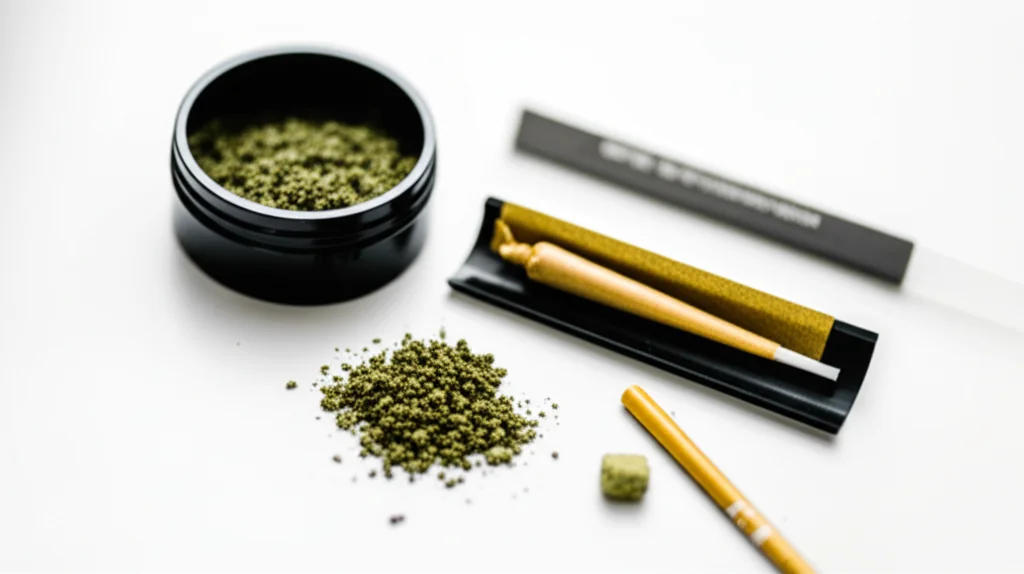
THC 和 CBD 是大麻中最著名的两种化合物,但它们在您的身体中的作用非常不同,并产生不同的效果。 根据编制的研究项目CBD,了解差异有助于您选择与您的目标相匹配的产品,无论您是在寻求放松、缓解疼痛、减少焦虑还是只是对大麻感到好奇。
本指南解释了 THC 和 CBD 是什么,它们有何不同,它们的作用以及它们如何协同工作。 到最后,您将了解为什么有些产品是仅限 CBD 的,为什么其他产品是高 THC,以及如何找到适合您需求的平衡。
快速回答
THC(四氢大麻酚)是产生大麻“高”的精神活性化合物——欣快感、感知改变和心理影响。 CBD(大麻二酚)是非精神活性的,不会让你兴奋,而是提供潜在的好处,如减少焦虑、缓解疼痛和放松而不会受到损害。 它们通过您身体的不同途径工作,并且在一起使用时通常最有效。
什么是THC?
THC(四氢大麻酚)是大麻中的主要精神活性大麻素 - 负责“高”的化合物。
THC 的工作原理
THC 直接与大脑和神经系统中的 CB1 受体结合,产生特征性的大麻效应。 这种直接绑定是 THC 在意识、感知和情绪中产生明显变化的原因。
四氢大麻烦
心理/心理:
- 欣快和情绪高涨
- 改变对时间的看法
- 增强的感官体验
- 创造力和哲学思维
- 短期记忆障碍
- 可能的焦虑或妄想症(依赖于剂量)
物理:
- 疼痛缓解
- 肌肉松弛
- 食欲增加(零食)
- 红眼睛和干巴巴
- 减少恶心
效力
现代大麻花通常含有 15-30% THC,一些菌株超过 30%。 浓缩物可为 60-90% THC。 较高的百分比意味着更强的效果 - 初学者应从较低的 THC 产品开始 (15-18%)。
什么是CBD?
CBD(大麻二酚)是大麻中第二丰富的大麻素。 与 THC 不同,它完全是非精神活性的——它不会让你兴奋。
CBD的工作原理
CBD 与 CB1 或 CB2 受体没有强烈结合。 相反,它通过防止人体天然内源性大麻素的分解以及与血清素和其他受体相互作用而间接发挥作用。 这种间接作用产生治疗效果而不会受到损害。
中控作用
潜在好处:
- 减少焦虑和压力
- 疼痛和炎症缓解
- 改善睡眠质量
- 神经保护特性
- 抗 - 癫痫发作(FDA批准的某些癫痫症)
- 减少恶心
CBD 不做的事情:
- 不会让你高涨或欣快
- 不会损害您的判断或协调
- 不会出现在标准药物测试中(如果纯CBD)
- 不会显着增加食欲
中华民国药效
CBD 产品的范围从每剂 5mg 到 100mg+。 大麻衍生的 CBD(在美国联邦合法)的 THC 含量低于 0.3%。 大麻衍生的 CBD 可以含有不同的 THC 量,具体取决于源植物。 食用大麻产品,适当大麻配件确保优质体验。
THC与CBD:直接比较
心理活动
四氢大麻:高度精神活性 - 改变意识,产生欣快感
中央商务区:非精神活性 - 没有精神障碍或高
地位
四氢大麻:美国联邦(许多州合法)的非法联邦控制,国际控制
中央商务区:大麻衍生的CBD在美国联邦合法,大麻衍生的遵循THC法律
医疗用途
四氢大麻:疼痛,恶心,食欲刺激,青光眼,PTSD
中央商务区:焦虑、癫痫、炎症、睡眠障碍、疼痛
副作用
四氢大麻:焦虑/偏执(剂量依赖性)、协调障碍、口干、红眼睛
中央商务区:一般轻度 - 可能嗜睡,口干,腹泻(高剂量)
药物测试
四氢大麻:会导致药物检测呈阳性
中央商务区:纯CBD不会,但全光谱CBD产品包含微量THC,可能会触发测试
他们如何合作
随行人员的影响
THC 和 CBD 的效果比单独使用得更好——这被称为“随行人员效应”。 CBD 调节 THC 的作用,减少焦虑和偏执,同时保持治疗益处。
CBD对THC的影响:
- 减少来自THC的焦虑和偏执
- 延长效果持续时间
- 可以减少短期记忆障碍
- 可以降低THC的快速心率
这就是为什么许多用户更喜欢同时使用两种大麻素而不是纯 THC 分离物的产品。
THC:CBD比率
产品通常标有比率,表示平衡:
高THC(20:1, 10:1):强烈的精神活性,娱乐用途
平衡(1:1, 2:1):中等效果,医疗益处,减少焦虑
高CBD(1:20, 1:10):最小的高,治疗焦点,缓解焦虑
仅限CBD (0:1):没有高纯度的治疗用途
在 THC 和 CBD 之间进行选择
如果您愿意,请选择 THC:
- 娱乐享受和欣快感
- 强烈的疼痛缓解
- 食欲刺激
- 助眠剂(镇静作用)
- 创意增强
如果您愿意,请选择 CBD:
- 无障碍的减少焦虑
- 白天使用,同时保持功能性
- 抗 - 炎症性好处
- 更多司法管辖区的合法产品
- 没有感觉“太高”的风险
如果您愿意,请选择平衡 THC:CBD:
- 具有可控效果的医疗福利
- 减少来自 THC 的焦虑
- 两全其美
- “随行效应”的好处
常见的误解
“CBD只是没有高的THC”
假 - 它们是具有不同机制和作用的完全不同的分子。
“更多的THC总是更好”
错误 - 较高的 THC 会增加焦虑,不一定更具治疗性。
“CBD 什么都不做,因为它不会让你兴奋”
错误 - CBD 具有可测量的影响,只是没有精神活性的效果。
“所有大麻都具有相同的THC和CBD”
错误 - 菌株和产品之间的比率差异很大。
产品类型
高THC产品
- 大多数大麻花(15-30% THC,<1% CBD)
- 浓缩物和轻拍
- 四大食物
- 休闲 Vape 墨盒
高CBD产品
- 大麻花(CBD丰富,<0.3% THC)
- CBD油和酊剂
- CBD软糖和食用
- 中华民国专题
平衡产品
- 医用大麻菌株(通常为1:1或2:1的比例)
- 全光谱CBD产品
- 平衡的 VAPE 墨盒
安全和合法性
法律考虑
- 美国联邦非法(附表一)
- 合法用于 24+ 州的娱乐用途
- 合法用于38个以上的医疗用途
- 国际:因国家而异
中央商务区法律注意事项
- 大麻衍生的CBD:美国联邦合法(2018年农场法案)
- 必须包含<0.3% THC
- 在大多数国家有例外的合法
- 大麻衍生的CBD:遵循THC法律
药物测试
- THC 出现在标准测试中
- 纯 cbd 不应该触发测试
- 全光谱CBD含有微量THC,可能导致阳性结果
- 测试无法区分医疗/娱乐用途
医疗应用
四氢大麻酚可能有帮助的条件:
- 病痛
- 恶心和呕吐(化疗)
- 食欲减退(艾滋病/艾滋病、癌症)
- 失眠
- 创伤后应激障碍
- 青光眼
CBD 可能提供帮助的条件:
- 焦虑症
- 癫痫(FDA批准的Epidiolex)
- 炎
- 关节炎疼痛
- 睡眠障碍
- 炎症性肠病
注意:始终咨询医疗保健提供者以获取医疗建议。 这只是教育信息。
寻找你的平衡
对于初学者
如果寻求精神活性效果,则从较低的 THC (15-18%) 开始,如果想要避免损伤,则仅使用 CBD。 您可以随时增加 THC,但无法撤消过度消费。
用于医疗用途
考虑平衡比率(1:1 或 2:1 CBD:THC),这些比率提供了治疗益处,减少了精神活动力。 CBD 主导的产品在白天使用,同时保持功能。
对于有经验的用户
尝试不同的比率以找到最有效的方法。 有些人更喜欢高 THC 来放松晚间,以 CBD 为主,白天以平衡产品为主,而平衡产品则适合特定症状。
总结
THC 和 CBD 都是具有不同特性的有价值的大麻素。 THC 提供高特征大麻以及缓解疼痛和食欲刺激,而 CBD 提供治疗益处而不会受到损害。 大多数用户发现同时包含(随行效应)的产品提供了最佳的整体体验和优势。
了解 THC 和 CBD 可帮助您对大麻产品做出明智的选择,无论您是在寻求医疗福利、娱乐享受还是第一次探索大麻。
本指南是用于教育目的。 大麻法律因司法管辖区而异。 咨询医疗保健提供者以获取医疗指导。
Frequently Asked Questions
THC(四氢大麻酚)具有精神活性,产生“高”感觉,而 CBD(大麻二醇)具有非精神活性,不会让你兴奋。 两者都提供潜在的好处,但在身体中工作不同。
不,CBD 不会产生高。 它是非精神活性的,这意味着它不会像 THC 那样改变你的精神状态。 您可能会感到放松或注意到焦虑减少,但您不会感到欣快或受损。
是的,THC 和 CBD 经常通过“随行人员效应”更好地协同工作。 CBD 实际上可以缓解一些 THC 的影响,在保持益处的同时减少焦虑和偏执。 大多数大麻产品都以不同的比例包含两者。
大麻衍生的 CBD(低于 0.3% THC)在美国是合法的,在许多国家是合法的,但大麻衍生的 CBD 遵循与大麻相同的法律。 法律因司法管辖区而异 - 始终检查当地法规。
Related Guides

Common Beginner Mistakes to Avoid When Using Cannabis
Learn the most common mistakes first-time and new cannabis users make, why they happen, and how to avoid them for a better experience.
Best Snacks to Enjoy When High: Ultimate Munchies Guide
Comprehensive guide about best snacks to enjoy when high: ultimate munchies guide. Learn everything you need to know with expert tips and detailed instructions.
Best Time of Day to Smoke Cannabis: Morning vs Evening Effects
Comprehensive guide about best time of day to smoke cannabis: morning vs evening effects. Learn everything you need to know with expert tips and detailed instructions.