

比例精度与精度:数字的真正含义

Lisa Thompson
Storage & Preservation Specialist
比例精度与精度:数字的真正含义
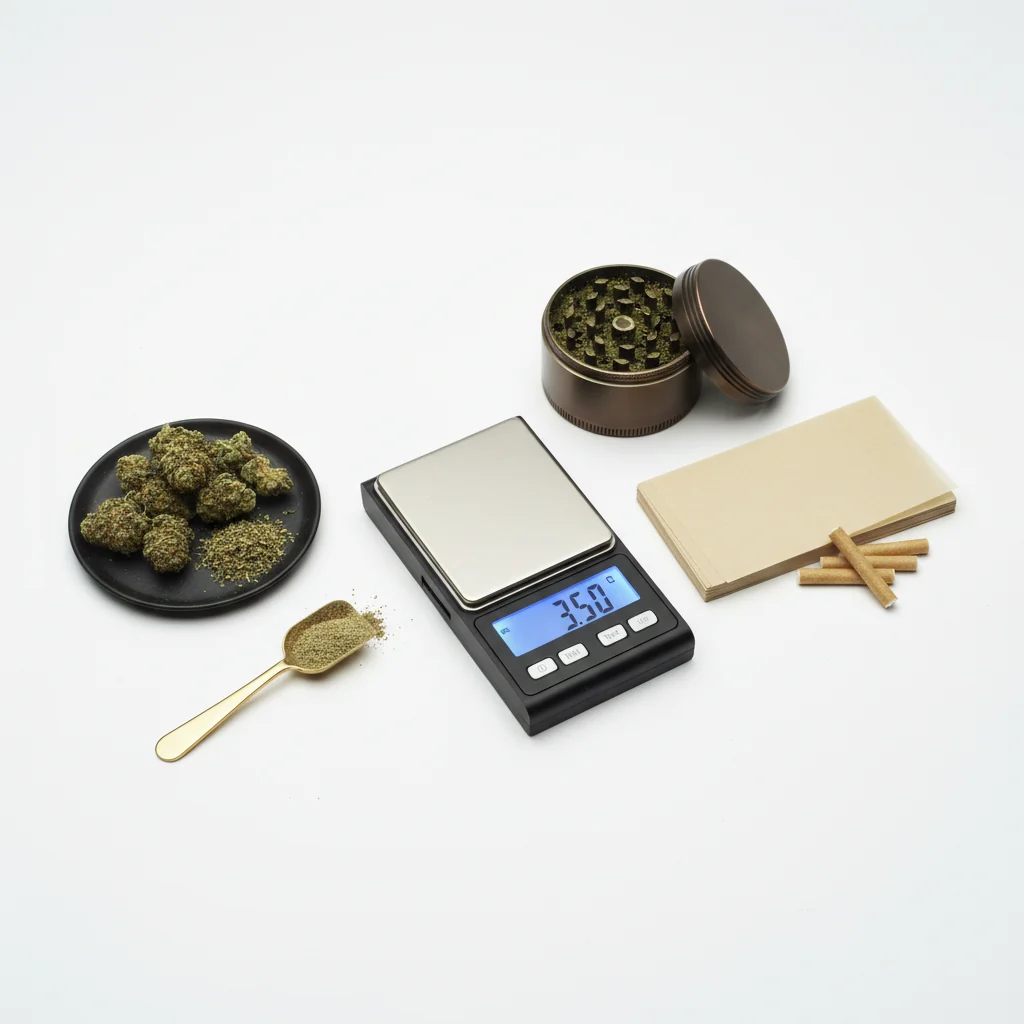
规模规格可能会令人困惑。 “0.1g 准确度”的实际含义是什么? “可读性”与“准确性”相同吗? 本指南以纯语言解释比例规格,以便您可以选择正确的比例并了解您的阅读内容真正告诉您的内容。
快速回答
准确性是接近真实权重的程度;精度是多么一致。 0.1g 的比例可以检测到 0.1g(十分之一克)的差异。 对于花,0.1g 工作正常。 对于浓缩物,您需要 0.01g 或 0.001g,可读性 = 显示最小增量。 准确度 = 实际测量可靠性。 它们是相关的,但不相同。
了解规模规格
对测量精度的统计学概念,NIST 工程统计手册提供技术指导。
可读性(分辨率)
它是什么:显示的最小重量增量。
例:
- 0.1g 可读性显示:1.0、1.1、1.2 等。
- 0.01g 可读性显示:1.00、1.01、1.02 等。
- 0.001G 可读性显示:1.000、1.001、1.002 等。
关键点:这是你所看到的,不一定是真的。
准确
它是什么:读数与实际重量有多接近。
例:
实际重量为3.48g或3.52g时,标尺可能显示3.5g,准确度告诉你预期的偏差。
常见的精度规格:
- “±0.1g”表示读数最多可关闭 0.1g
- 3.5g的读数实际上可能是3.4g到3.6g
精度(可重复性)
它是什么:量表的一致性如何为同一项目提供相同的读数。
精度好:同一件物品称重5次,每次3.50克。
精度差:同一件物品称重5次,获得3.48g、3.52g、3.49g、3.51g、3.50g。
关系
不同的精度在实践中意味着什么
0.1g 精度(口袋秤)
您可以可靠地衡量的内容:
- 1g 及以上充满信心
- 0.5g 精度合理
- 低于0.5g变得不可靠
最适合:
- 验证八分之一、四分之一、盎司
- 一般花称重
- 日常使用
不适合:
- 单半克购买
- 浓缩
- 精度计量
阅读解读:
当规模显示3.5g时,实际重量可能为3.4-3.6g。
0.01g 精度(精密口袋秤)
您可以可靠地衡量的内容:
- 0.1g 及更高的信心
- 0.05g 精度合理
- 适合少量
最适合:
- 验证较小的采购
- 更准确的花称重
- 预算浓缩物称重
- 更好的食用剂量
阅读解读:
当秤显示3.50g时,实际重量可能为3.48-3.52g。
0.001g 精度(毫克级)
您可以可靠地衡量的内容:
- 0.01g 及更高的信心
- 0.005g 精度合理
- 极致精度
最适合:
- 浓缩
- 精确的食用制作
- 科学准确性
- 专业用途
阅读解读:
当量表显示3.500g时,实际重量可能为3.498-3.502g。
精度与精度图示
两者都很好(理想)
读数:3.50、3.50、3.50、3.50、3.50
真实重量:3.50g
结果:完美——准确和精确。
精确但不准确
读数:3.55、3.55、3.55、3.55、3.55
真实重量:3.50g
结果:始终错误。 需要校准。
准确但不准确
读数:3.48、3.52、3.49、3.51、3.50
真实重量:3.50g
结果:平均值正确,但个别读数各不相同。 可能是环境问题。
两者都没有(差的规模)
读数:3.45、3.58、3.42、3.61、3.49
真实重量:3.50g
结果:不靠谱。 更换或修理秤。
与目的匹配的准确性
大麻花
底线:0.1g 适用于大多数花卉用途。 0.01g 对少量更好。
用于浓缩物
底线:0.001g 确实是浓缩物唯一合适的准确度。
用于食用
了解误差范围
什么 ± 是什么意思
当规格说“±0.1g”时:
- 5.0g的读数意味着实际可能是4.9-5.1g
- 3.5g的读数意味着实际可能是3.4-3.6g
重量较小的误差化合物
较大的权重:
5.0g ± 0.1g = 2% 潜在误差
较小的权重:
0.5g ± 0.1g = 20% 潜在误差
教训:对于较小的数量,准确性更重要。
为什么便宜的秤更糟
更好的规模:
- 比规格更严格的实际精度
- 更一致
- 更适合范围边缘
廉价的秤:
- 可能不符合规定的规格
- 小重量时更糟
- 更具环境敏感性
测试您的秤的准确性
使用已知权重
校准权重(最佳):
- 已知精确重量
- 用于验证和校准
硬币(足够):
- 美国镍= 5.00g
- 美便士(1982年后)= 2.50g
- 堆叠以获得更大的权重
精密测试
1。 5次称重同一物品
2. 记录每次阅读
3。 都一样 = 良好的精度
4. 变异 = 精度问题
准确性测试
1。 称重已知重量(校准重量或硬币)
2. 与已知值进行比较
3.关闭=良好的准确性
4。 关闭 = 需要校准或更换
改善您的阅读量
环境因素
为获得最佳准确性:
- 水平,稳定的表面
- 远离气流
- 恒温
- 没有振动
使用因素
为获得最佳准确性:
- 定期校准
- 新鲜电池
- 让规模热身
- 不要急于阅读
尺度因素
为获得最佳准确性:
- 品质品牌
- 任务的适当准确性
- 正当维护
- 不超过容量
快速参考
按比例类型准确度
当阅读最重要时
- 验证购买:需要准确性
- 一致剂量:需要精确
- 制作食用:两者都需要
- 随意使用:任一作品
总结
了解规模规格可帮助您:
1. 选择正确的准确性满足您的需求
2. 解读读数正确地
3. 确定问题当它们发生时
4. 不多付不必要的精度
对于大多数大麻花的使用,0.1g 的准确性就足够了。 对于浓缩或精密工作,0.001g 是必不可少的。 不要被额外的小数点所迷惑——可读性与准确性不同。
本指南是用于教育目的。 始终遵守有关大麻的当地法律。
Frequently Asked Questions
准确度是量表读取的真实权重的距离。 精确度是它给出相同读数的一致性。 一个尺度可以是精确但不准确的(一致错误),也可以是准确但不精确的(不同但平均值是正确的)。 好的规模两者都是。
对于花,0.1g 足以满足大多数目的。 0.01g 有助于更精确地验证更小的量(半克)。 对于浓缩物,0.01g 是最小的,0.001g 是首选。 价格差通常为 5-15 美元。
变化来自:不稳定的表面、气流、低电池、温度变化或平台上的物品移动。 此外,尺度的准确度限制为±边距。 定期校准并确保稳定的条件。
Related Guides

Best Scales for Cannabis: Complete Buying Guide
Find the perfect scale for weighing cannabis. Compare pocket scales, milligram scales, and kitchen scales with recommendations for different needs and budgets.

How to Calibrate a Digital Scale: Step-by-Step Guide
Learn how to properly calibrate your digital scale for accurate cannabis measurements. Step-by-step instructions for calibration weights, DIY methods, and troubleshooting.

Understanding Cannabis Measurements: Grams to Ounces Explained
# Understanding Cannabis Measurements: Grams to Ounces Explained ## Introduction Navigating the world of cannabis can be a bit daunting, especially when it comes to understanding the various measurements used to quantify it. Whether you're a seasoned consumer or new to the scene, knowing the standa