

打火机安全提示:安全使用的基本指南

James Wilson
Cannabis Culture Writer
打火机安全提示:安全使用的基本指南
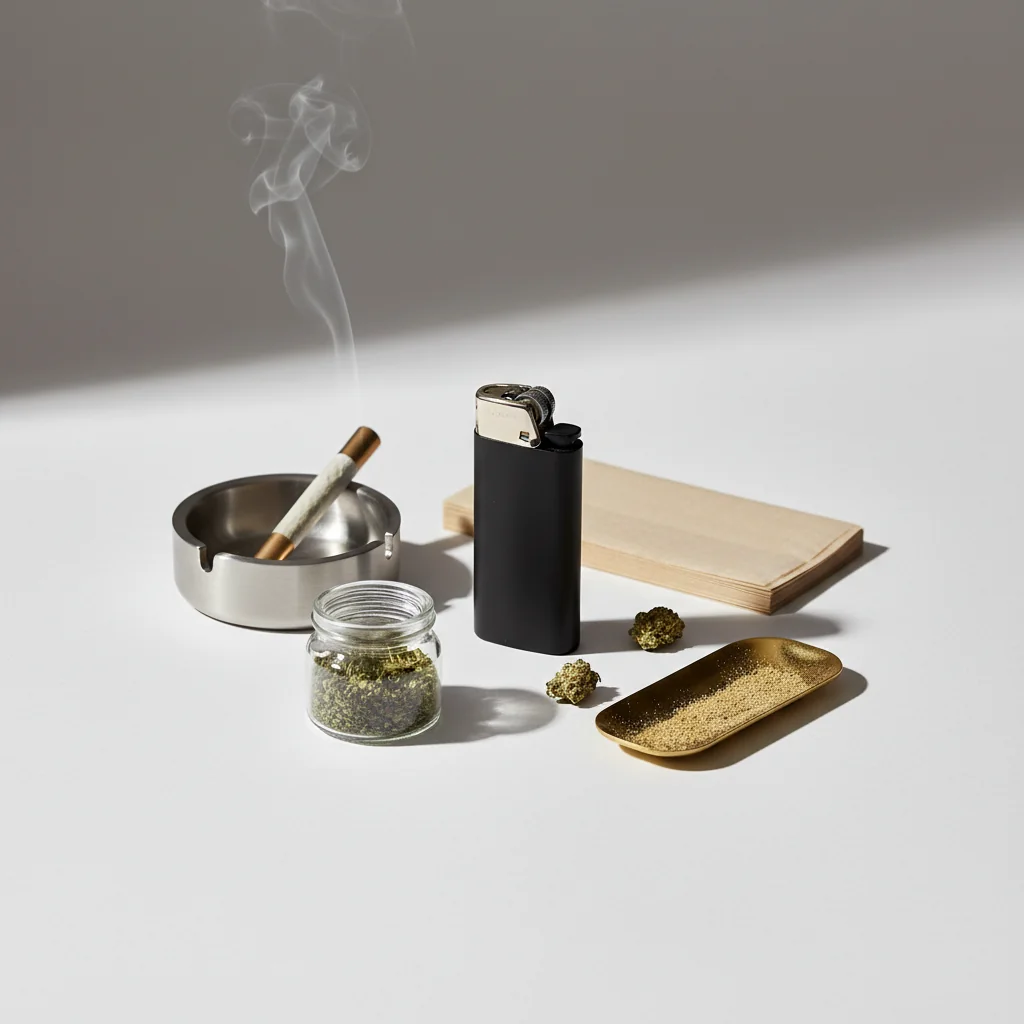
打火机是我们每天使用的便利工具,但它们含有压力下的易燃燃料。 了解适当的安全措施可防止事故、烧伤和财产损失。 本指南涵盖了所有打火机类型的基本安全提示。
快速回答
关键打火机安全规则:切勿在热车(可能爆炸)、远离热/阳光、远离儿童、长时间保持火焰(过热)、不修改或篡改机制、在通风区域重新填充火焰、以及不要重新填充不可再填充的打火机时,不要离开热车(可能会爆炸)。
一般安全规则
为产品安全和召回信息,安全产品.gov跟踪消费者安全报告。
基础知识
切勿在炎热的环境中离开:
- 热车(温度可超过150°F)
- 直射阳光
- 靠近炉灶、加热器或散热器
- 长时间在温暖的口袋里
为什么:丁烷加压。 热量增加压力,可能导致破裂或爆炸。
远离儿童:
- 商店遥不可及
- 使用防儿童打火机
- 教孩子打火机不是玩具
- 监督任何教育演示
不要把火焰抱得太久:
- 金属零件变得非常热
- 可以烧你的手
- 会损坏打火机
- 如果需要,释放并重新点燃
切勿篡改机制:
- 不要修改火焰调节器超出正常范围
- 不要删除安全功能
- 不要刺穿燃油室
- 不要尝试 DIY 维修
存储安全
正常存储
做:
- 常温下储存
- 保持阴凉干燥处
- 直立式(防止泄漏)
- 留在一个专门的位置
不要:
- 留在车里
- 储存在热源附近
- 保持阳光直射
- 储存在易燃材料附近
旅行存储
在车辆中:
- 保存在手套箱(不是仪表板)
- 在炎热的天气中移除
- 夏季切勿乘坐停放的汽车
飞机上:
- 检查当前的 TSA/航空公司规定
- 通常允许在随身行李中使用,而不是托运行李
- 通常每人一打火机
再装安全
补充前
- 在通风良好的地区工作
- 远离任何火焰或火花
- 在稳定、不易燃的表面上
- 让打火机达到室温
在重新填充期间
- 使用适当的丁烷
- 遵循制造商说明
- 不要过度填充
- 离脸的点
- 避免皮肤接触丁烷
重新填充后
- 使用前等待(至少 2-3 分钟)
- 擦拭任何溢出的燃料
- 正确储存丁烷
- 起火前检查泄漏
问题的迹象
如果:
- 你闻到气体而不点燃
- 接缝处的燃油泄漏
- 火焰不规则或非常高
- 身体破裂或损坏
喷火山保险
高温温度下,喷灯需要格外小心:
使用期间
- 永远不要指向人或动物
- 小心使用火焰锁
- 让手指远离火焰路径
- 仅在耐热表面上使用
- 永远不要让燃烧无人看管
热表面
- 火炬头变得非常热
- 触摸前让凉爽
- 热时不要在易燃表面上设置
- 远离织物和纸张
特定危险
- 可以从远处点燃材料
- 比标准打火机更强大
- 烧伤更严重
- 油耗较高
烧伤和急救
防止烧伤
- 知道火焰会出现在哪里
- 让手指远离火焰
- 处理前让热打火机冷却
- 不要重新填充温暖的打火机
- 切勿在皮肤上测试火焰
如果被烧了
轻微烧伤:
1。 用冷水(不冷)水过烧
2. 涂抹芦荟或烧奶油
3. 用无菌绷带覆盖
4.不要弹出水泡
严重烧伤:
1。 呼叫紧急服务
2 . 如果可能,运行冷水
3. 不要脱掉卡住的卡住燃烧
4。 用干净的布松散地覆盖
5. 立即就医
消防安全
防止火灾
- 仅将打火机用于预期目的
- 使用前清除易燃物区域
- 不要使用附近的燃料/化学品
- 使用后完全熄灭
- 永远不要让燃烧无人看管
如果打火机着火
1. 立即掉落在非易燃表面上
2. 回去赶忙
3. 不要扔- 传播火
4. 让烧掉处处安全
5. 使用灭火器假如有
6. 呼叫紧急服务有需要的话
灭火器类型
与轻型火灾相关的火灾:
- 二氧化碳灭火器(最佳)
- 干式化学灭火器(好)
- 不要在丁烷火灾中使用水
儿童安全
在家
- 将所有打火机存放在遥不可及的地方
- 使用儿童防护模型
- 如果孩子在场,请锁定
- 定期数数您的打火机
- 尽早教消防安全
教育孩子
- 打火机是工具,不是玩具
- 永远不要玩打火机
- 告诉一个成年人如果他们找到了一个
- 火是危险的
- 如果衣服着火,停下来,跌落,滚动
儿童防护功能
- 法律规定的一次性用品
- 使点火更难
- 不儿童——只是抵抗
- 随着时间的推移会磨损
- 仍然监督孩子
处置
适当处置
一次性打火机:
- 完全用完燃料
- 丢弃在普通垃圾桶中
- 有些地区有具体规定
- 切勿燃烧或粉碎
可再充式打火机:
- 废物处理前
- 可以在某些地区回收
- 检查当地法规
从来没有:
- 扑进火里
- 穿刺或粉碎
- 用燃料处置
- 无需检查即可进行回收
紧急情况
打火机不会停止燃烧
1。 立即掉落
2. 用非易燃材料压制
3. 退后
4。 让燃料燃烧掉
5。 不要试图吹出
疑似气体泄漏
1. 不要点燃任何东西
2 . 通风区域
3. 将打火机移到户外
4。 妥善处理泄漏的打火机
5. 固定(可再填充)
打火机爆炸
1。 如有需要,致电紧急服务
2.扑灭任何火灾
3. 检查受伤情况
4.通风区域
5. 冷却后不要碰碎片
总结
基本安全习惯:
- 正确储存(冷、干燥、远离热源)
- 远离儿童
- 永远不要在热车里离开
- 不要修改或篡改
- 安全地补充(通风,无火焰)
- 处理前让冷却
- 适当地处置
大多数较轻的事故是可以在基本意识和负责任的情况下预防的。
本指南是用于教育目的。 遵守所有当地法规和制造商指南。
Frequently Asked Questions
是的,当暴露于 120°F 以上的温度时,打火机可能会爆炸。 切勿将打火机留在热车、阳光直射或靠近热源的地方。 加压的丁烷会使容器破裂。
Related Guides

Best Lighters for Smoking: Complete Buying Guide
Find the best lighter for smoking cannabis. Compare Bic, Clipper, torch lighters, and plasma lighters. Learn which lighter type suits your needs and why it matters.
Best Torch Lighters for Dabbing: Top Picks for 2025
Comprehensive guide about best torch lighters for dabbing: top picks for 2025. Learn everything you need to know with expert tips and detailed instructions.
How to Refill a Butane Lighter: Step-by-Step Guide
Comprehensive guide about how to refill a butane lighter: step-by-step guide. Learn everything you need to know with expert tips and detailed instructions.