

如何为初学者滚动完美的关节:分步教程2026

Mike Rodriguez
Rolling Expert
如何为初学者滚动完美的关节:分步教程2026
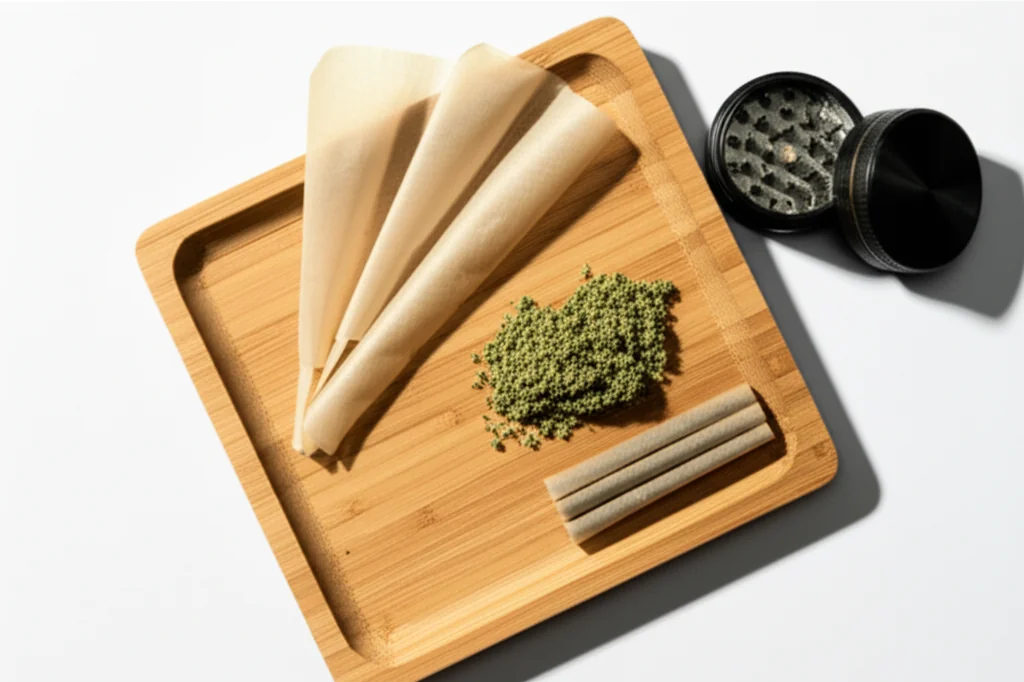
滚动关节是一种基本的大麻技能,看起来令人生畏,但随着实践而变得自然。 根据大麻教育者的说法,普通人在 10-15 次练习后获得一致的结果。 这个全面的 2026 教程将引导您完成滚动经典关节的每一步,从选择纸张和准备过滤器到最终密封。 有了正确的技术和一点耐心,您将立即滚动一致、可吸烟的关节。
相关指南:在开始之前,请查看我们的指南选择正确的[ 磨床](https://guides.munchmakers.com/guide/grinder-maintenance-schedule)和选择 [ 卷纸](https://guides.munchmakers.com/guide/best-rolling-papers-beginners) 以获得最佳结果。
快速回答
滚动接头:创建一个手风琴折叠过滤器,均匀地研磨大麻,将过滤器放在纸上,将大麻沿折痕分布,通过来回滚动成圆柱形,将非口香糖边缘塞在大麻下,向上滚动到胶条,舔并密封。 需要练习,但大多数人可以在 3-5 次尝试内滚动可吸食的关节。
视频教程
观看此分步可视化指南,了解整个滚动过程的实际应用:
你需要什么
必填:
- 卷纸(建议初学者1¼尺寸)
- 地面大麻(0.5-0.75克)
- 过滤器提示(薄纸板,可以使用名片)
- 磨床(或必要时手指)
- 驳运
推荐:
- 滚动托盘(或干净的书/杂志)
- 笔或包装工具
- 额外的实践论文
初学者选纸
有关优质滚动耗材,请查看来自咀嚼者的定制卷纸。 对于一般滚动技术技巧,维基豪提供插图指南。
2026年最佳选择:
- 生有机大麻- 自然,易于使用,为初学者宽容。 大麻教育工作者最推荐的学习。
- 元素 米纸- 薄而坚固,缓慢燃烧,最小的口味干扰
- 锯齿形 1¼- 经典,广泛可用,价格实惠。 数十年的行业标准。
- 有机有机碳酸酯有机- 超薄天然口香糖,有经验的滚筒首选
尺寸:从 1¼ (78mm) 开始。 国王的大小可能难以学习。 专家提示:较小的论文会迫使更好的技术发展。
了解更多:查看我们的综合指南适合初学者的最佳卷纸进行详细比较。
逐步滚动过程
步骤一:准备过滤器提示
过滤器(也称为拐杖或尖端)提供结构,防止大麻进入您的嘴巴,并为您提供一些可以容纳的东西。
折叠方法:
1。 撕裂或切割滤纸至约 1/2 英寸宽,2 英寸长
2 。 一端,来回折叠3-4次(手风琴图案)
3。 将其余的纸张绕到手风琴周围
4. 应该是铅笔直径的圆柱体
手风琴为何重要:提供稳定性和气流。 没有它,过滤器会在吸烟时塌陷。
第二步:磨你的大麻
专家见解:研磨一致性是影响燃烧质量的第一因素。 专业滚轮强调正确的研磨比滚动技术本身更重要。
使用优质磨床实现一致、蓬松的质地:
- 不太好:粉末状的稠度穿过纸张并限制气流。 造成严重的打击。
- 不太粗糙:大块会产生肿块和不均匀的燃烧。 创建“跑步者”或“独木舟”。
- 正好:蓬松,甚至类似于干牛至纹理的碎片。 按压时应保持形状。
移除茎:它们在关节上形成孔并味道刺耳。 即使是小茎也会影响燃烧质量。
数量:标准接头为 0.5-0.75 克。 最好从更小的开始 - 你可以随时滚动另一个。
磨床推荐:优质的4件式磨床[ 主妇捕手](https://munchmakers.com/blog/the-ultimate-guide-to-weed-grinders-with-kief-catchers-2/) 确保一致的结果。 请参阅我们的指南最好的大麻研磨机或浏览蒙克制造商的优质磨床.
第三步:创建折痕
用胶带放在上面,面向你。 将准备好的过滤器放在一端(通常是右撇子的左端)。
创建频道:轻轻地将纸张纵向折叠,形成轻微的 V 形或波谷。 这种折痕将容纳您的大麻并使滚动更容易。
第四步:填满地面大麻
沿折痕均匀分布大麻:
- 更多在中间,稍微向末端逐渐变细
- 积在胶带和附近的过滤器
- 不要过度填充- 更少更容易滚动
常见错误:加载太多的大麻。 您可以随时滚动第二个关节。 对初学者来说,过多的关节几乎不可能正确滚动。
第五步:塑造关节
这是滚动技能的发展:
动议:
- 将大麻两侧的拇指和食指夹住纸张
- 轻轻地来回滚动(不是左右 - 来回运动)
- 大麻应包装成圆柱体
- 过滤器有助于保持形状
目标:均匀包装的大麻圆柱体坚固但不压缩。
所需时间:15-30秒的成型。 不要着急。
第六步:Tuck(关键步骤)
这是大多数初学者挣扎的地方。 褶皱决定了成功或失败。
怎么收拾:
1。 从过滤器端工作(更容易)
2 。 将纸的底部边缘(非口香糖面)塞在大麻下方和过滤器上方
3. 用拇指塞住食指,用力向下压
4。 开始后,折叠应在您滚动时沿长度继续
感觉:你应该感觉到大麻下的纸被卡住了。 如果它没有收拾,请更紧地重塑大麻。
常见问题:纸折叠起来,没有抓到大麻。 解决方案:先将大麻更紧地装入圆柱形。
第7步:滚到胶条上
开始收拾起:
1。 用均匀压力继续向上滚动
2 。 纸应该包裹在大麻圆柱体上
3。 滚动直到只有牙龈条出现
4. 保持整个长度的张力一致
检查:密封前,向下看长度。 它应该是均匀的,不是块状的或松散的。
第八步:密封接头
舔牙龈:
- 慷慨地舔整个口香糖条(不要害羞)
- 有些纸张比其他纸需要更多的水分
- 从一端开始,再到另一端工作
- 密封时用力按压
- 保持密封接头 5-10 秒
现代替代:有些人用湿布代替舔卫生。
第九步:打包完成
打包开口:
- 使用笔、小棍或小指
- 从开口轻轻地包装大麻
- 这使整个关节收紧并确保燃烧
- 不要太用力包装,以免限制气流
关闭提示:
- 扭转多余的纸张(经典方法)
- 或保持打开状态,并在照明时小心地烧掉多余的部分
- 扭曲的尖端防止大麻脱落
第 10 步:质量检查
一个好的联合:
- 坚定但不坚硬
- 沿长度均匀的厚度
- 可以轻松地通过空气
- 完全密封,无间隙
- 过滤器安全且不旋转
如果失败检查:反正抽烟! “丑陋但实用”比把它扔掉的教训更能教你。
常见的滚动问题和修复
问题:关节是块状/不均匀
原因:大麻分布不均或滚动前成型不充分。
修复:花更多时间在步骤 5 塑造上。 如果需要在折叠之前重新分发大麻。
问题:关节太松,散开
原因:滚动或过度填充时的张力不足。
修复:下次使用更少的大麻。 在滚动过程中施加更一致的压力。
问题:关节太紧,不会画
原因:压缩大麻或包装得太牢固。
修复:轻轻地打包。 密封前测试抽签 - 应具有轻松的气流。
问题:滚动时的纸撕裂
原因:压力过大、手干或质量差的纸张。
修复:使用更温和的触摸。 指尖略微湿润。 买更好的纸。
问题:滤波器掉出
原因:过滤太小或没有正确集成到辊中。
修复:使过滤器直径稍大。 确保它滚入关节,而不仅仅是放置在末端。
问题:锥形而不是圆柱体
原因:一端的大麻比另一端多。
修复:这其实很好! 锥形接头很受欢迎(胖端,窄过滤端)。 许多人更喜欢这种形状。
问题:联合跑或独木舟
原因:吸烟时包装不均或风不平整。
修复:专注于步骤 4 中的均匀分布。在照明的同时旋转关节以确保均匀。
专家的滚动技巧
提示 1:从比您想象的更多的纸张开始
初学者经常使用太小的纸张。 1¼ 尺寸为您提供工作空间。
提示 2:首先使用烟草或草药进行练习
有些人在“浪费”大麻之前用廉价烟草或干香草练习滚动技术。 发展肌肉记忆。
技巧三:使用美元钞票滚动方式
将过滤器和大麻放入美元钞票中,形状,然后将纸张放入钞票中,并以纸币作为滚动指南。 学习的训练轮。
提示 4:存在预制锥体
使用没有羞耻感预卷锥你只是填写。 许多有经验的滚筒使用它们以保持一致性。
提示5:前10个会很丑
接受早期的尝试充其量将是有效的。 联合滚动是一项需要练习的技能。 15-20 号是大多数人达到一致性的时候。
高级考虑
纸张类型影响
麻纸:慢,甚至燃烧。 自然风味。 厚到足以容忍。
米纸:很瘦。 味道更干净。 对初学者的宽容程度较低。
木浆:经典论文。 更快的燃烧。 味道浓郁。
不用过滤器滚动
有些人更喜欢无过滤接头。 捏住末端或将其折叠起来。 提供稍微更好的气流,但需要小心吸烟,以避免口腔中松动的大麻。
锥方法
而不是圆柱体,故意塑造一个锥体(尖端更宽,过滤器处变窄)。 许多人发现这更容易。 用更多的大麻填充宽端,创造自然的锥形。
实践使完美
现实时间线:
- 关节1-3:可能很丑,可能是吸烟的
- 关节4-7:功能性,改进
- 关节 8-15:持续吸烟
- 关节15+:发展你的个人风格
不要放弃!即使是经验丰富的滚筒,也记得最初的挣扎。 这是一种身体技能,比如系鞋带——似乎不可能,直到它突然发出咔哒声。
手工滚动的替代方案
预卷锥:
- 购买已经成型的纸
- 只需填满地面大麻
- 包装和扭曲
- 每次都一致的结果
- 了解更多:看我们的预卷锥与手滚比较
滚动机:
- 为您滚动的 5-10 美元设备
- 装入纸和大麻,转动手柄
- 完美的圆柱体,但不如手工滚动令人满意
- 最佳选择:查证接头滚轮指南
要求某人滚动:
- 在学习的同时让一个有经验的朋友为你滚动并不可耻
- 仔细观察他们的技术
专家提示以获得更好的结果
来自专业滚轮(2026版):
1. 温度问题:稍微温暖、干的手效果最好。 冰冷或湿冷的手使纸张变得笨拙。
2. 照明技术影响滚动质量:即使是最好的滚动关节也需要适当的照明。 旋转时点亮尖端以确保均匀。
3. 储存保存:正确滚动的关节可以储存数月。 得悉大麻储存技术保持预卷接头的新鲜。
4. 升级您的设置:投资质量滚动托盘整理您的材料并防止浪费。
相关滚动技术
掌握了基本的联合,探索以下高级技术:
- 如何滚动锥形接头- 锥形形状,使命中更平滑
- 内向外滚动(荷兰风格)- 纸张少,口感更干净
- 如何滚动 [ 交叉接头](https://guides.munchmakers.com/guide/how-to-roll-cross-joint)- 特殊场合的先进技术
- 不用过滤器滚动- 传统方法
店铺质量用品:放牧定制卷纸, 高级磨床, 和滚动配件在蒙克制造商。
本指南适用于大麻合法的地区的教育目的。 大麻法律因司法管辖区而异。 始终检查当地法规。
Step 1:
Step 2:
Step 3:
Step 4:
Step 5:
Step 6:
Step 7:
Step 8:
Frequently Asked Questions
1¼ 尺寸的纸(78 毫米)非常适合初学者。 它们足够大,可以使用,但不是很大以至于您浪费了大麻。 国王的大小可能会对第一次尝试感到恐惧。
坚定但不压缩。 您应该能够在照明之前轻松地将空气通过。 太紧会限制气流,使人难以吸烟。 太松了,燃烧得太快,可能会散开。
通常是因为包装太紧(限制氧气)或太湿的大麻。 确保均匀、适度的包装和使用适当固化、干燥的大麻。
0.5-1克是标准的。 初学者应从 0.5g 开始,这对于 2-3 人或多次单独课程来说是足够的。
Related Guides
Rolling Paper Sizes Explained: 1 1/4, King Size, and More
Comprehensive guide about rolling paper sizes explained: 1 1/4, king size, and more. Learn everything you need to know with expert tips and detailed instructions.

Best Rolling Papers for Beginners: Complete Buying Guide 2026
Discover the best rolling papers for beginners including RAW, Zig-Zag, and OCB. Learn about sizes, materials (rice vs hemp vs wood pulp), and which papers are easiest to roll with.
Clear Rolling Papers: Are Cellulose Papers Worth It?
Comprehensive guide about clear rolling papers: are cellulose papers worth it?. Learn everything you need to know with expert tips and detailed instructions.