

如何制作和折叠过滤器技巧:完美拐杖的多种技术

Mike Rodriguez
Rolling Expert
如何制作和折叠过滤器技巧:多种技术
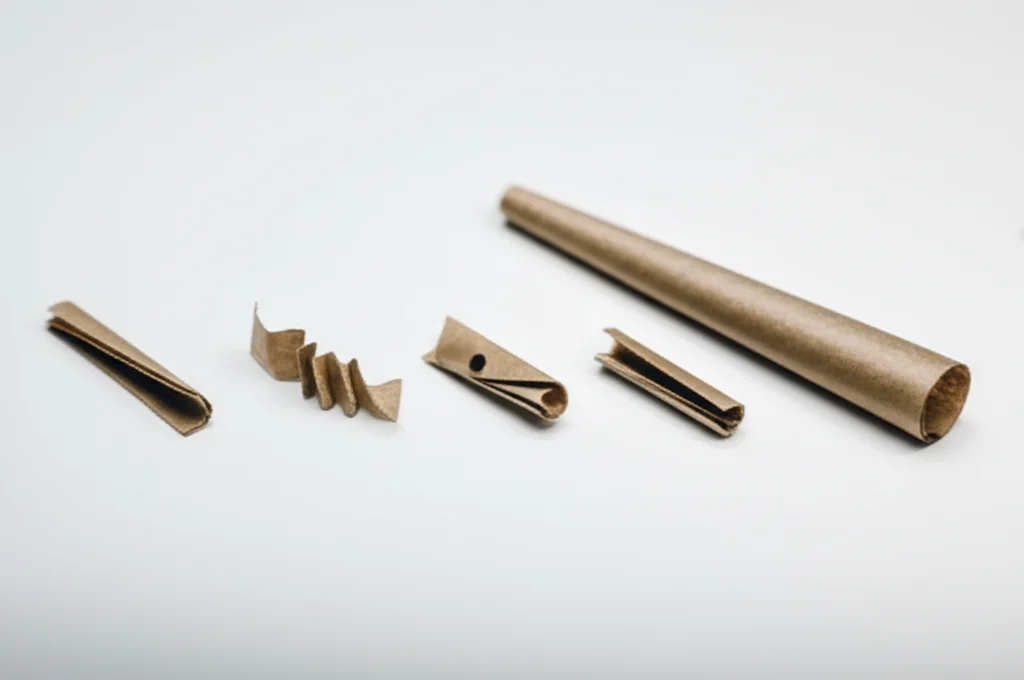
过滤尖(也称为拐杖)对于关节滚动、提供结构、防止大麻进入您的嘴巴并给您提供一些东西是必不可少的。 本指南教授多种折叠技术以及如何每次创建完美的过滤器。
快速回答
制作基本过滤器:将纸板剪成 2"×0.5",将一端来回折叠 3-4 次(手风琴),将剩余的纸卷在手风琴周围。 手风琴防止倒塌。 替代技术包括螺旋法、M 形和 W 形 - 所有这些都很好地工作,并且气流差异很小。
为什么使用过滤器?
好处:
- 提供结构和形状
- 防止口腔中的大麻/灰烬
- 较冷的烟雾(超距离)
- 不燃烧手指可以握住的东西
- 可以完全吸烟关节
- 防止关节在嘴端湿透
无过滤器:
- 关节可以塌陷
- 蟑螂废物(不能最后一点吸烟)
- 严酷的最终命中
- 小的时候很难握
查找优质过滤器提示和滚动耗材咀嚼者。 滤镜折叠技术,r/树在 Reddit 上有一个支持性的大麻社区。
物料
最佳:
- 专用过滤器提示纸(在小册子中出售,完美的厚度)
- 名片(无涂层,白色)
- 索引卡(切割成尺寸)
可接受:
- 包装上的薄纸板
- 扑克牌(如果绝望)
避免:
- 光面或涂层纸(加热时释放化学物质)
- 普通纸(太薄,折叠)
- 杂志页面(墨水和涂层)
技术 #1:手风琴/风扇折叠(最常见)
为什么它工作:
手风琴防止过滤器塌陷,同时提供通过褶皱的良好气流。
步进:
1. 切割材料到大约 2 英寸长,1/2 英寸宽
2. 折叠一端:向前折,然后向后,然后再次向前(3-4 折)
3. 滚动其余部分手风琴周围的纸张
4. 调整紧度匹配您的关节直径
5.应该是圆柱形手风琴在中心可见
直径: 关于标准接头的铅笔橡皮擦尺寸
练习技巧:连续做 10 次以提高一致性
技术二:螺旋法
为何不同:
通过螺旋中心创造更集中的气流。 有些人更喜欢抽奖。
如何:
1。 从过滤材料的一端开始
2. 非常紧紧地滚成螺旋(如肉桂卷)
3. 继续滚动外纸围绕螺旋
4. 应在中心用卷纸在中心形成密集螺旋
最适合:喜欢更紧的抽签和更多抵抗力的人
技术 3:M 形/W 形
为何不同:
沿整个滤波器长度创建结构通道。 非常稳定,不会崩溃。
如何:
1。 将整个滤芯材料折叠成m或w形(沿全长锯齿形)
2. 可以以锯齿形或自行滚动
3.创建多个气流通道
最适合:结构完整性,较少关于气流
技术#4:简单滚动(最简单)
对于绝对的初学者:
1。 只需将过滤材料滚入紧筒中
2 。 没有手风琴或折叠
3。 吸烟时可以工作但会倒塌
职业家: 最快、最简单
缺点:可压缩,不稳定
尺寸考虑
标准尺寸:
- 长短:2英寸材料
- 终径:6-8mm(铅笔橡皮擦)
- 1¼ 论文: 完美贴合
较大的过滤器:
- 适用于特大号纸:直径8-10mm
- 直达钝器:10-12mm
- 使用更多材料(2.5-3 英寸)
较小的过滤器:
- 用于超薄/欧洲纸张:5-6mm
- 所需材料较少(1.5 英寸)
主宰:过滤器应比接头直径略小,以配合舒适
常见的过滤器问题
问题:滤波器掉出
惹:太小,不整合到卷中
安装:使过滤器直径较大,确保将其滚入关节,而不仅仅是放置在末端
问题:吸烟时过滤器塌陷
惹:使用简单的卷而不是手风琴,或材料太薄
安装:使用手风琴法,使用较厚的材料
问题:太紧,无法绘制
惹: 卷得太浓了,手风琴太压缩了
安装:卷稍稍松,使用较少的手风琴褶皱(2-3 代替 4-5)
问题:不均匀/弯曲
惹:滚动压力不一致
安装:练习均匀滚动,滚动时旋转
预制与手工过滤器
预制过滤器提示(小册子):
- 一致的大小
- 穿孔便于撕裂
- 专为目的而设计
- 各种有趣的设计
- 每本小册子2-5美元(50-100个过滤器)
手工制造的(名片等):
- 空闲的
- 随时可用
- 可以自定义尺寸
- 需要切割
大多数人都使用: 预制的时候可以,需要的时候即兴
高级:玻璃和金属过滤器
玻璃提示:
- 可重复使用,可清洁
- 很酷的烟
- 不会湿透
- 更贵(5-20美元)
- 可以破裂
金属过滤器:
- 超耐用
- 可清洁
- 多种设计
- 凉烟
- 可以变得很热
纸板仍然最受欢迎由于一次性和完善的功能。
本指南是用于教育目的。 大麻法律因司法管辖区而异。
Step 1:
Step 2:
Step 3:
Step 4:
Step 5:
Step 6:
Frequently Asked Questions
专业的过滤器尖端纸是理想的(薄的食品级纸板)。 名片运作良好。 避免在加热时会释放化学物质的光泽或涂层纸。
Related Guides
Rolling Paper Sizes Explained: 1 1/4, King Size, and More
Comprehensive guide about rolling paper sizes explained: 1 1/4, king size, and more. Learn everything you need to know with expert tips and detailed instructions.

Best Rolling Papers for Beginners: Complete Buying Guide 2026
Discover the best rolling papers for beginners including RAW, Zig-Zag, and OCB. Learn about sizes, materials (rice vs hemp vs wood pulp), and which papers are easiest to roll with.
Clear Rolling Papers: Are Cellulose Papers Worth It?
Comprehensive guide about clear rolling papers: are cellulose papers worth it?. Learn everything you need to know with expert tips and detailed instructions.