

传导与对流蒸发器:加热方法

David Martinez
Concentrate Expert
传导与对流蒸发器:加热方法
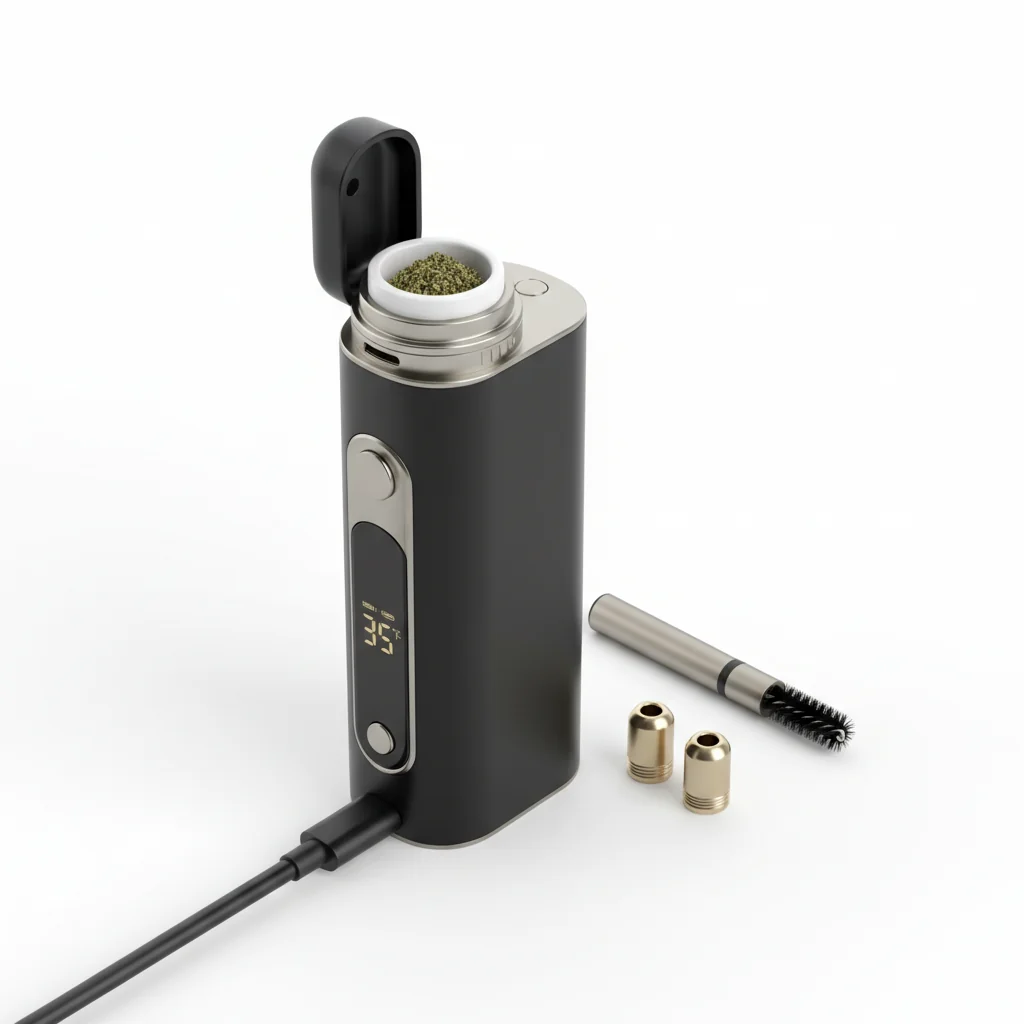
购买干香草蒸发器时,您会遇到两种主要的加热方法:传导和对流。 了解每种工作方式有助于您选择适合您的偏好的设备。 本指南分解了每种加热类型的科学、优点和缺点。
优质的vape电池,请退房来自Munchmakers的510个螺纹电池。 对于传热科学,工程工具箱提供有关传导和对流的技术信息。
快速回答
传导蒸发器通过与热表面(如炉子上的平底锅)直接接触来加热大麻。 对流蒸发器使用流过材料(如对流烤箱)的热空气加热大麻。 对流提供更好的风味和效率,但成本更高。 传导加热更快,更实惠。 混合汽化器结合了两种方法。
导热加热的工作原理
传导是最简单的蒸发方法。 您的大麻直接位于加热的表面上或贴在加热表面上——通常是金属或陶瓷室壁。
把它想象成烹饪:
煎锅将热量直接传递到接触其表面的食物。 同样,传导蒸发器将热量从室壁直接传递到接触它们的大麻。
过程:
1。 室壁热达到目标温度
2. 大麻接触墙开始蒸发
3. 内材直接受热
4。 搅拌有助于确保均匀提取
传导优点
- 快速加热:典型的 15-30 秒
- 简单的设计:零件更少,更可靠
- 实惠:预算友好的选择(50-150美元)
- 一致的命中: 稳定蒸汽生产
- 使用方便: 最小的学习曲线
传导性缺点
- 不均匀提取:材料接触墙壁比中心烹饪更快
- 需要搅拌:需要混合会话以获得最佳效果
- 燃烧风险:热点可以燃烧材料
- 持续加热: 抽奖之间的废药
- 味道更少: 可以尝到更“吐司”的味道
流行的传导蒸发器
- PAX 3(200美元) - 具有传导优势的混合动力
- Davinci IQ2 ($250) - 配料质量传导
- Xmax V3 Pro(100美元) - 预算友好的选项
- G Pen Elite ($100) - 入门级导通
对流加热的工作原理
对流使用热空气而不是直接表面接触加热大麻。 空气通过加热元件,达到目标温度,然后流过大麻。
把它想象成烹饪:
对流烤箱在食物周围循环热空气,从四面八方均匀烹饪。 对流蒸发器将热空气通过大麻,均匀地提取蒸汽。
过程:
1。 加热元件将空气加热到目标温度
2 。 当你吸入时,空气会通过腔室吸入
3。 热空气均匀地通过所有材料
4. 大麻素在空气流过时蒸发
对流优点
- 特异的味道: 低温下保存的萜烯
- 均匀提取:所有材料均匀蒸发
- 爽利:仅在您绘制时加热(按需)
- 无需搅拌: 热空气到达一切
- 更好的萜烯配置文件:尝起来像菌株的味道
对流连接
- 贵: 质量对流起价约 200 美元以上
- 慢热:典型的 30-90 秒
- 技术很重要:拉动速度影响蒸汽
- 复杂的设计: 更多潜在故障点
- 电池漏极:加热元件需要功率
流行的对流蒸发器
- Storz & Bickel Mighty+ ($ 400) - 黄金标准便携式
- 萤火虫2+(250美元) - 真实的按需对流
- Arizer Solo 2 ($200) - 可靠的对流
- TinyMight ($300) - 爱好者的最爱
混合汽化器:两者兼而有之
许多现代蒸发器结合了传导和对流加热。 这些混合动力车旨在提供具有传导风格一致性的对流品质风味。
混合动力的工作原理:
- 来自腔室壁的传导提供一致的基线热量
- 气流对流增加绘图时均匀提取
- 比例因设备而异(一些瘦传导,另一些对流)
流行的混合动力车:
- Mighty+/Crafty+(对流占主导地位)
- PAX 3(传导占主导地位)
- Dynavap(手动混合)
我们的拍摄:真正的混合动力车提供了出色的性能。 Mighty+ 被许多爱好者认为是最好的便携式蒸发器,因为它的混合方法最大限度地提高了风味和蒸汽的产生。
直接比较
哪种加热方法适合您?
在以下情况下选择导电:
- 预算很重要: 需要 150 美元以下的质量
- 你是新来的电子烟:操作简单
- 快速会话: 想要快速加热时间
- 分享:小组会议的一致蒸汽
- 可靠性优先:更简单=更少的问题
在以下情况下选择对流:
- 味道是优先的: 想要最纯净的味道
- 效率很重要:提取最后一点
- 独奏课程:按需供暖一
- 鉴赏家的方法: 欣赏细微的效果
- 愿意投资:预算 200 美元以上
如果:
- 最佳整体体验: 想要两个优势
- 灵活使用: 独奏和小组会议
- 预算:200-350美元范围
- 成熟的表演者: Mighty+, Crafty+, etc.
温度和加热方法
传导和对流蒸发器都受益于温度控制,但效果不同:
低温 (320-350°F / 160-175°C):
- 对流发光:保存的细腻萜烯
- 传导: 还是不错的,有一些烧焦的风险
中温(350-390°F / 175-200°C):
- 两者都表现良好: 大多数用户的最佳位置
- 均衡提取: 好蒸气+风味
高温 (390-430°F / 200-220°C):
- 传导追赶:高温下的风味差异较小
- 最大提取:浓稠的蒸汽,更具镇静作用
专业提示:如果您有传导蒸发器,保持中等温度通常会产生比尝试追逐低温对流风味更好的效果。
效率:加热方法有意义吗?
是的,但技术比大多数人意识到的更重要。
对流效率:
- 仅在绘图时加热 = 没有间接废物
- 甚至提取=没有留下任何东西
- 典型:一碗10-15分钟的课程
传导效率:
- 连续加热 = 抽签之间的一些浪费
- 不均匀萃取 = 可能需要搅拌
- 典型:一碗5-10分钟
现实:具有适当技术(快速、偶尔搅拌)的良好传导蒸发器接近对流效率。 差异并不像某些人声称的那么戏剧化。
会话风格:另一个关键区别
会话蒸发器(主要是传导)
加热后,您有一个窗口(5-15 分钟)来消耗碗。 设备保持热状态,持续烹饪您的材料。
最适合:
- 更长、更轻松的课程
- 群组共享
- 可预见的经验
按需蒸发器(主要是对流)
只有在你想要击球时才加热。 抽签,放下,稍后再回来——材料没有浪费。
最适合:
- 微剂量
- 单人使用
- 保存材料
重要提示:并非所有对流蒸发器都是按需的,一些传导装置具有“会话”模式。 检查各个规格。
做出你的决定
1. 首先设置您的预算: 这通常会为您决定
2. 考虑您的使用模式: 会话还是按需?
3. 优先考虑重要的事情: 味道? 速度? 简单?
4. 研究特定模型:加热类型是众多因素之一
5. 阅读用户评论: 真实世界的经验胜过规格
我们对大多数人的建议:像 Mighty+ 这样的优质混合汽化器提供了最佳的整体体验。 如果预算紧张,Xmax V3 Pro 等现代导电蒸发器可提供极佳的价值。
本指南是用于教育目的。 大麻法律因司法管辖区而异。 从授权零售商处购买蒸发器。
Frequently Asked Questions
两者都不是客观的“更好”——它们适合不同的需求。 对流提供了优越的风味和效率,但成本更高。 传导加热更快,使用更简单,更实惠。 许多电子烟用户在不同的情况下都拥有这两种类型。
Related Guides

510 Thread Batteries: Complete Guide to Vape Pen Batteries
Everything you need to know about 510 thread batteries for vape cartridges. Learn about voltage settings, battery types, features to look for, and how to choose the right battery for your cartridges.
Best Vaporizer Temperature Settings: Effects at Each Level
Comprehensive guide about best vaporizer temperature settings: effects at each level. Learn everything you need to know with expert tips and detailed instructions.
Convection vs Conduction Vaporizers: Complete Comparison
Comprehensive guide about convection vs conduction vaporizers: complete comparison. Learn everything you need to know with expert tips and detailed instructions.