

較輕的安全提示:安全使用基本指南

James Wilson
Cannabis Culture Writer
較輕的安全提示:安全使用基本指南
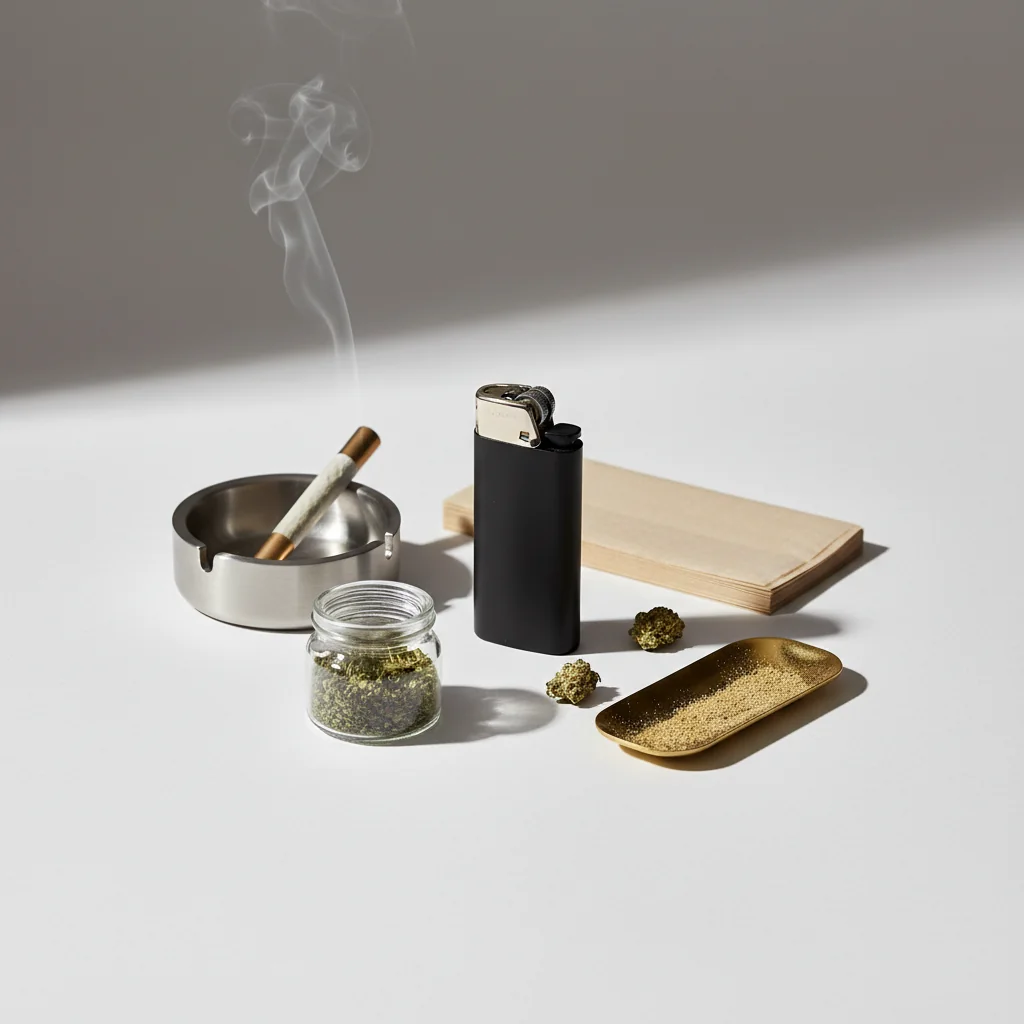
打火機是我們每天使用的便利工具,但它們在壓力下含有易燃燃料。 了解適當的安全做法可以防止事故、燒傷和財產損失。 本指南涵蓋所有較輕類型的基本安全提示。
快速回答
關鍵較輕的安全規則:永遠不要在熱車中離開(可以爆炸),遠離熱量/陽光,遠離兒童,永遠不要長時間保持火焰(過熱),不要修改或篡改機構,在遠離火焰的通風區域重新填充,並且永遠不要嘗試補充不可再填充的打火機。
一般安全規則
有關產品安全和召回資訊,saferproducts.gov追蹤消費者安全報告。
基礎知識
永遠不要在炎熱的環境中離開:
- 熱車(溫度可超過 150°F)
- 陽光直射
- 靠近爐灶、加熱器或散熱器
- 長時間在溫暖的口袋裡
為什麼:丁烷加壓。 熱量會增加壓力,可能導致破裂或爆炸。
遠離孩子:
- 商店遙不可及
- 使用兒童防火燈
- 教孩子打火機不是玩具
- 監督任何教育示範
不要保持火焰太久:
- 金屬部件變得非常熱
- 會燒傷你的手
- 會損壞打火機
- 如果需要,釋放和重新點燃
永遠不要篡改機制:
- 不要修改超出正常範圍的火焰調節器
- 不要刪除安全功能
- 不要刺穿燃料室
- 不要嘗試 DIY 維修
儲存安全
適當的儲存
做:
- 室溫儲存
- 保持在涼爽乾燥的地方
- 直立(防止洩漏)
- 保持在專用位置
不要:
- 留在車輛
- 儲存在熱源附近
- 保持陽光直射
- 靠近易燃材料
旅行存儲
在車輛中:
- 放在手套箱裡(不是儀表板)
- 炎熱天氣中取出
- 夏天永遠不要在停放的車上離開
在飛機上:
- 檢查目前的 TSA/航空公司法規
- 通常允許攜帶,而不是托運行李
- 每人通常一個打火機
補充安全
重新填充前
- 在通風良好的地區工作
- 遠離任何火焰或火花
- 在穩定、不易燃的表面上
- 讓較輕的達到室溫
在補充過程中
- 使用適當的丁烷
- 遵循製造商的說明
- 不要過度填充
- 遠離臉部
- 避免皮膚接觸丁烷
補充後
- 使用前等待(最少 2-3 分鐘)
- 擦拭任何溢出的燃料
- 正確儲存丁烷
- 點燃前檢查是否有洩漏
問題的跡象
如果:
- 你聞到氣體而不點燃
- 接縫燃料洩漏
- 火焰不規則或非常高
- 身體破裂或損壞
火炬安全
由於溫度較高,手電筒需要格外小心:
使用期間
- 永遠不要指向人或動物
- 小心使用火焰鎖
- 讓手指遠離火焰路徑
- 僅用於耐熱表面
- 永遠不要讓燃燒無人看管
熱表面
- 火炬頭變得非常熱
- 觸摸前先冷卻
- 熱時不要放在易燃表面上
- 遠離織物和紙張
具體危險
- 可以從遠處點燃材料
- 比標準打火機更強大
- 燒傷更嚴重
- 更高的油耗
燒傷和急救
防止燒傷
- 知道火焰會出現在哪裡
- 讓手指遠離火焰
- 處理前讓熱火器冷卻
- 不要補充暖和的打火機
- 切勿在皮膚上測試火焰
如果被燒毀
輕微燒傷:
1. 在燒傷上運行涼爽(不冷)水
2. 塗上蘆薈或燒傷霜
3. 用無菌繃帶覆蓋
4. 不要彈出水泡
嚴重燒傷:
1. 致電緊急服務
2 . 如果可能,用冷水運行
3. 不要脫掉黏在燃燒的衣服
4. 用乾淨的布鬆鬆地蓋住
5. 立即就醫
消防安全
防止火災
- 僅用於預期目的使用打火機
- 使用前清除易燃物的區域
- 不要使用附近燃料/化學品
- 使用後完全熄滅
- 永遠不要讓燃燒無人看管
如果打火機著火了
1. 立即下降在不易燃的表面上
2. 退遄
3. 不要扔- 散火
4. 讓我們燃燒掉如果安全
5. 使用滅火器如果有
6. 致電緊急服務如果需要
滅火器類型
對於較輕的火災:
- 二氧化碳滅火器(最佳)
- 乾化學滅火器(好)
- 不要在丁烷火上使用水
兒童安全
在家裡
- 將所有打火機存放在遙不可及的地方
- 使用兒童抗性模型
- 如果孩子在場,則鎖定
- 定期計算你的打火機
- 早點教消防安全
教育孩子
- 打火機是工具,不是玩具
- 永遠不要玩打火機
- 告訴大人是否找到
- 火是危險的
- 如果衣服著火了,請停下來,滾動
兒童抗性特徵
- 關於一次性法律要求的
- 使點火更難
- 不耐兒童——只是抵抗
- 會隨著時間的推移而磨損
- 仍然監督孩子
處置
正當處理
一次性打火機:
- 完全用完燃料
- 丟棄
- 某些地區有具體的規定
- 永遠不要燃燒或粉碎
可再填充的打火機:
- 處置前清空燃料
- 可以在某些地區回收
- 檢查當地法規
從來沒有:
- 燃放
- 穿刺或粉碎
- 用內置燃料處理
- 不檢查就放回回收
緊急情況
打火機不會停止燃燒
1. 立即下降
2. 用不易燃的材料窒息
3. 退後
4. 讓燃料燃燒掉
5. 不要試圖吹氣
疑似氣體洩漏
1. 不要點燃任何東西
2 .通風區
3. 在戶外移動較輕的
4. 正確處理打火機洩漏
5. 固定後不要使用(可補充裝備)
更輕的爆炸
1. 如果需要,請致電緊急服務
2. 滅火
3. 檢查受傷情況
4. 通風區
5. 冷卻後不要碰碎屑
總結
基本安全習慣:
- 儲存得當(冷卻、乾燥、遠離熱)
- 遠離孩子
- 永遠不要在熱車中離開
- 不要修改或篡改
- 安全地補充(通風,無火焰)
- 處理前先冷卻
- 妥善處理
大多數較輕的事故可以透過基本意識和負責任的使用來預防。
本指南用於教育目的。 遵循所有當地法規和製造商指南。
Frequently Asked Questions
是的,打火機在暴露於 120°F 以上的溫度時會爆炸。 切勿將打火機留在熱車、陽光直射或熱源附近。 加壓丁烷會使容器破裂。
立即將打火機放在不易燃的表面上,退後,讓它用滅火器燒毀或熄滅。 永遠不要試圖扔掉它——這會蔓延火災。 如果需要,請致電緊急服務。
在美國,是的。 自 1994 年以來,所有一次性打火機都必須具有兒童抗性機制。 一些可補充的打火機是豁免的。 這種機制使點火更加困難,但並非不可能。
Related Guides

Best Lighters for Smoking: Complete Buying Guide
Find the best lighter for smoking cannabis. Compare Bic, Clipper, torch lighters, and plasma lighters. Learn which lighter type suits your needs and why it matters.
Best Torch Lighters for Dabbing: Top Picks for 2025
Comprehensive guide about best torch lighters for dabbing: top picks for 2025. Learn everything you need to know with expert tips and detailed instructions.
How to Refill a Butane Lighter: Step-by-Step Guide
Comprehensive guide about how to refill a butane lighter: step-by-step guide. Learn everything you need to know with expert tips and detailed instructions.