

如何製作和折疊過濾器技巧:完美拐杖的多種技術

Mike Rodriguez
Rolling Expert
如何製作和折疊過濾器技巧:多種技術
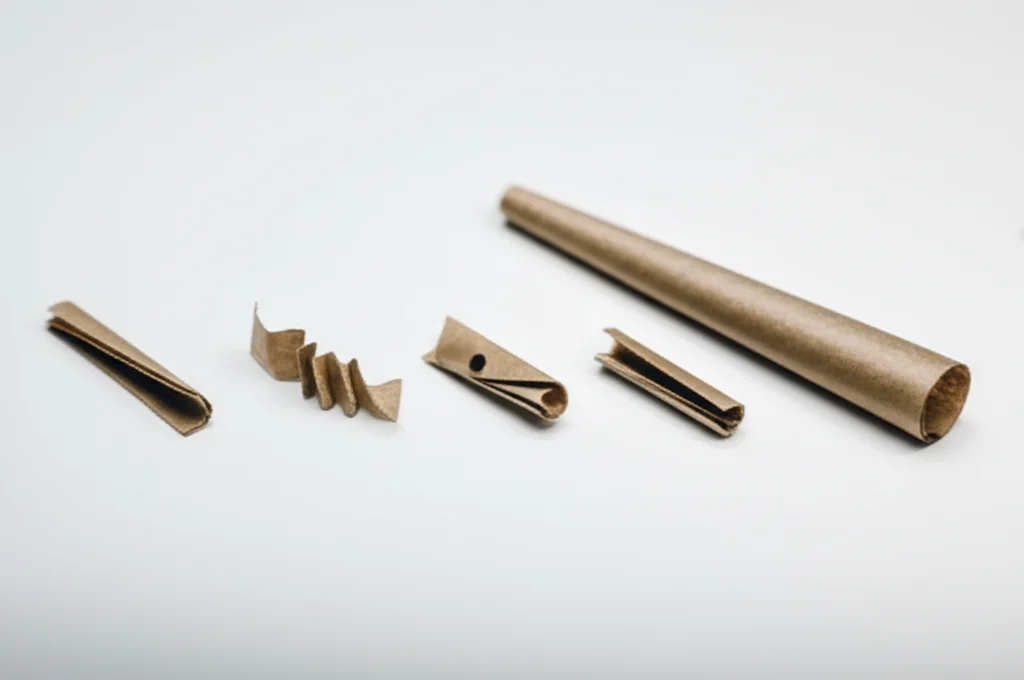
過濾器尖端(也稱為拐杖)對於關節滾動、提供結構、防止大麻進入您的嘴巴以及讓您的東西保持一定要素。 本指南教授多種折疊技術,以及如何每次創建完美的濾鏡。
快速回答
要製作基本過濾器:將紙板切成 2"×0.5",一端前後折 3-4 次(手風琴),將剩餘的紙捲在手風琴周圍。 手風琴防止倒塌。 替代技術包括螺旋法、M 形和 W 形 - 所有這些都很好地處理,但氣流差異很小。
為什麼要使用濾鏡?
好處:
- 提供結構和形狀
- 預防口腔中的大麻/灰燼
- 較冷的煙霧(超遠距離)
- 不燃手指可握的東西
- 可以完全抽煙
- 防止關節在口端弄濕
沒有濾鏡:
- 關節會塌陷
- 蟑螂廢物(不能抽煙)
- 嚴酷的最後一擊
- 小的時候很難拿
在處尋找優質的過濾器尖端和滾動用品咀嚼者。 對於濾波器折疊技術,r/樹on Reddit 有一個支持性的大麻社區。
材
最佳:
- 專用濾紙(以小冊子出售,厚度完美)
- 名片(未塗層,白色)
- 索引卡(切成尺寸)
可接受:
- 包裝薄紙板
- 打牌(如果絕望)
避免:
- 有光澤或塗層紙(加熱時會釋放化學物質)
- 普通紙(太薄,塌陷)
- 雜誌頁面(墨水和塗層)
技術#1:手風琴/風扇折疊(最常見)
為什麼有效:
手風琴可防止過濾器塌陷,同時提供良好的氣流通過褶皺。
一步一步:
1. 切材長約 2 英吋,寬 1/2 英吋
2. 手風琴折疊一端:向前折,然後再向後折,然後再向前折疊(3-4 折)
3. 滾動其餘的手風琴周圍的紙
4. 調整緊密度匹配您的關節直徑
5. 應該是圓柱形中心可見手風琴
直徑: 關於標準接頭的鉛筆橡皮擦尺寸
練習小貼士: 連續製作 10 個以發展一致性
技術#2:螺旋法
為什麼不同:
通過螺旋中心產生更集中的氣流。 有些人更喜歡平局。
如何:
1. 從過濾材料的一端開始
2. 非常緊密地捲成螺旋狀(如肉桂捲)
3. 繼續在螺旋周圍滾動外紙
4. 應該在中間形成密集的螺旋,外面有捲紙
最好的: 喜歡更緊密、更抗拒的人
技術#3:M-shape/W-Shape
為什麼不同:
沿著整個過濾器長度創建結構通道。 非常穩定,不會崩潰。
如何:
1. 將整個過濾材料折成 M 或 W 形狀(沿著全長曲折)
2. 可以像鋸齒一樣離開或在自身周圍滾動
3. 創建多個氣流通道
最好的: 結構完整性,關於氣流的較少
技術#4:簡單滾動(最簡單)
對於絕對初學者:
1. 只需將過濾材料滾入緊密的圓柱體中
2 。 沒有手風琴或折疊
3. 工作但抽煙時會崩潰
優點: 最快、最簡單
弊病: 可以壓縮,不太穩定
尺寸 考慮
標準尺寸:
- 長: 2 英吋材料
- 最終直徑: 6-8 毫米(鉛筆橡皮擦)
- 1¼ 論文: 完美貼合
較大的濾鏡:
- 用於特大號紙: 直徑 8-10 毫米
- 對於鈍器: 10-12 毫米
- 使用更多材料(2.5-3 英寸)
較小的濾鏡:
- 用於苗條/歐洲論文: 5-6 毫米
- 所需的材料更少(1.5 英寸)
規: 過濾器應略小於接頭直徑以獲得舒適感
常見的過濾器問題
問題:過濾器掉落
因: 太小,沒有整合到卷中
定:使過濾器直徑更大,確保它滾入接頭,而不僅僅是放在末端
問題:吸煙時過濾器塌陷
因: 使用簡單的捲代而不是手風琴,或材料太薄
定: 使用手風琴法,使用較厚的材料
問題:太緊而無法畫畫
因: 捲得太密,手風琴太壓縮
定:稍微鬆動,使用更少的手風琴褶皺(2-3 而不是 4-5)
問題:不均勻/彎曲
因: 滾動壓力不一致
定: 練習滾動,滾動時旋轉
預製與手工過濾器
預製過濾器尖端(小冊子):
- 一致的尺寸
- 穿孔方便撕裂
- 專為目的而設計
- 各種有趣的設計
- 每本小冊子 2-5 美元(50-100 濾鏡)
手工製作(名片等):
- 自由
- 隨時可用
- 可以自訂大小
- 需要切割
大多數人都使用: 有空時預製,需要時即興創作
進階:玻璃和金屬過濾器
玻璃尖端:
- 可重複使用、可清潔
- 很酷的煙
- 不會濕透
- 更貴(5-20)
- 可以打破
金屬過濾器:
- 過於耐用
- 可清潔
- 多種設計
- 涼煙
- 會變得很熱
紙板仍然最受歡迎由於可處置性和完美的功能。
本指南用於教育目的。 大麻法因司法管轄區而異。
Step 1:
Step 2:
Step 3:
Step 4:
Step 5:
Step 6:
Frequently Asked Questions
專用濾紙筆尖紙是理想的(薄,食品級紙板)。 名片運作良好。 避免加熱時會釋放化學物質的光澤或塗層紙。
過濾器提供結構,防止大麻進入口腔,給你一些可以握住的東西,讓你完全抽吸關節,而不會灼傷手指。
標準是鉛筆橡皮擦直徑。 更大的過濾器浪費更少的雜草,但使關節更難滾動。 較小的過濾器更容易滾動,但會留下更多的浪費。
Related Guides
Rolling Paper Sizes Explained: 1 1/4, King Size, and More
Comprehensive guide about rolling paper sizes explained: 1 1/4, king size, and more. Learn everything you need to know with expert tips and detailed instructions.

Best Rolling Papers for Beginners: Complete Buying Guide 2026
Discover the best rolling papers for beginners including RAW, Zig-Zag, and OCB. Learn about sizes, materials (rice vs hemp vs wood pulp), and which papers are easiest to roll with.
Clear Rolling Papers: Are Cellulose Papers Worth It?
Comprehensive guide about clear rolling papers: are cellulose papers worth it?. Learn everything you need to know with expert tips and detailed instructions.