

如何拐彎碗:正確分享果嶺

Emma Chen
Glass Specialist
如何拐彎碗:正確分享果嶺
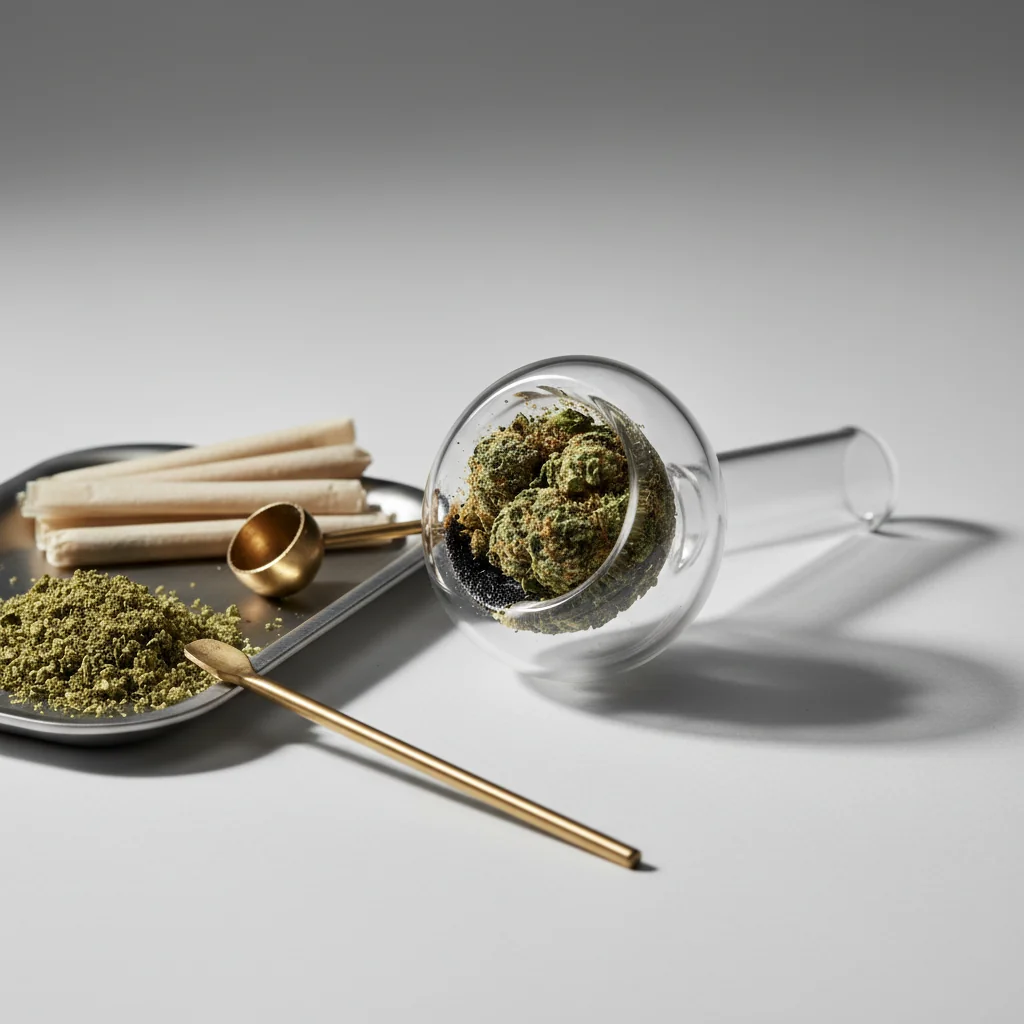
轉角是一項必不可少的吸煙禮儀技能 - 只點燃一部分碗,以保持每個人的新鮮綠色。 無論您是與朋友分享還是最大限度地利用獨奏課程,這種技術都會給每個人一個新鮮、美味的熱門歌曲,而不是灰燼和殘留物。
快速回答
要拐彎一個碗:在碗的邊緣而不是中心保持你的打火機。 只點亮綠色大麻的一個小楔子(角落)。 吸氣,而火焰觸及那個部分。 為下一個旋轉碗,讓他們得到自己的新鮮角落。 繼續在碗周圍,直到使用所有綠色。
為什麼要把你的碗轉過來?
小組會議:
- 每個人都受到綠色打擊
- 公平分享新鮮大麻
- 沒有人被灰燼困住
- 尊重他人
單獨使用:
- 多次新鮮的熱門歌曲
- 整個過程中的味道更好
- 更有效率的使用
- 延長碗壽命
差別在角落和中點亮的碗之間很重要 - Cornered 提供了 4-6 次新鮮的安打,而中點則提供了 1 次不錯的命中和 3-5 次灰分。
使用品質[ 磨床來自 Munchmakers](https://munchmakers.com/product-category/custom-grinders/) 有助於實現即使是這個轉彎的包裝。 大麻禮儀技巧,橚爽涵蓋適當的吸煙方案。
漸次過彎
步驟 1:正確包裝碗
過轉彎設定:
- 均勻地包裝在整個碗中
- 平坦的平面
- 不太緊(需要氣流)
- 填滿邊緣但不要過度填充
為什麼這很重要?: 不均勻的包裝會產生燃燒得更快的熱點,使轉彎變得困難。
步驟 2:定位你的打火機
關鍵技術:
- 在碗邊緣保持較輕的,而不是中心
- 傾斜較輕,因此火焰以角度向內
- 只有火焰的邊緣接觸大麻
- 想想「邊緣」而不是「中心向下」
常見的錯誤: 將較輕的放在中心上方 - 這會燃燒整個碗。
步驟 3:吸氣時輕
動議:
1. 在火焰觸碰之前開始吸氣
2 . 觸摸碗的邊緣
3. 只點一個小楔子(1/4 到 1/6 的碗)
4. 切開櫻桃後立即清除火焰
5. 繼續吸入
櫻桃色的: 繼續燃燒的發光餘燼 - 一旦它被點燃,你就不需要火焰。
步驟 4:清除您的命中
照明後:
- 立即移除較輕的
- 繼續吸入
- 櫻桃燒傷了你的部分
- 清除後,停止繪圖(防止燃燒他人的綠色)
不要過度繪製: 吸力過多會將櫻桃拉過整個碗。
步驟 5:通過並旋轉
小組會議:
- 旋轉碗 如此新鮮的綠色面孔 下一個人
- 指向未燃的部分
- 說“這裡的綠色”或類似
- 順從
碗旋轉導軌
全碗轉角(4 人組)
` ` `
第一擊:右上角
第二次命中:右下角
第三擊:左下角
第四次命中:左上角
決賽:中鋒(現金)
` ` `
單人轉彎(最大化命中)
較小的角落 = 更多新鮮點擊:
- 採取 1/6 部分而不是 1/4
- 首先繞著周邊工作
- 將中心保存到最後
- 可以從一個碗中獲得 6-8 次新鮮命中
更好的轉彎工具
麻柳
好處:
- 精確的火焰控制
- 比丁烷低溫度
- 更容易觸摸邊緣
- 更好的味道(沒有更輕的液體)
技巧: Hemp Wick 的較小火焰使精密過彎更容易。
角打火機
圖案: 有些打火機有專門用於轉彎的角度噴嘴 - 火焰自然指向碗邊緣而不是中心。
雷射打火機(火炬)
優點: 非常精確,防風
弊病: 燃燒得更熱,可以快速烤大麻 - 使用快速、受控的爆發
常見的轉彎錯誤
錯誤:撕毀中心
成果: 整個碗表面被燒毀,其他人沒有綠色
定: 總是從邊緣接近,從不直接從中心上方
錯誤:照明太長
成果: 櫻桃醬超出你的部分
定: 看到櫻桃後移除火焰 - 它繼續燃燒而沒有火焰
錯誤:畫太難
成果: 整個碗裡都吸櫻桃,燒掉別人的份量
定: 溫和、穩定的吸氣 - 激進的繪畫傳播燃燒
錯誤:忘記輪換
成果: 下一個人點亮同一區域,廢棄大麻
定: 在通過前物理轉動碗,指出新鮮的部分
過彎的不同碗類型
湯匙
標準技術適用。
小碗 = 更少的角落(最多 2-3 人)
大碗 = 更多角落(4-5 人)
煙碗
較大的表面積:
- 可能更多的角落
- 更容易看到你在哪裡照明
- 可以容納更多人
- 通常有 4-6 個好角落
小費: 較大的碗允許更精確的轉彎,因為尺寸。
單擊/冷
不可能轉彎- 專為單擊而設計。 包裝較少的數量以供共享。
轉彎禮儀
在小組會議中
不成文的規則:
- 第一個角落通常去碗包裝工
- 永遠不要火炬別人的綠色
- 持續旋轉(左或右,堅持)
- 宣布碗兌現的時間
- 如果您兌現,請提議重新包裝
口頭暗示
- “綠色”= 新鮮碗,你先打
- “角落左”= 一些綠色殘留物在邊緣
- “它有兌現”= 碗做完了,需要重新包裝
- “你的角落在這裡”= 指向新鮮的部分
什麼時候點燃它
有時轉角是不切實際的:
- 當您想要快速一擊時,單人會議
- 很小的碗
- 當樹脂防止乾淨的角落
- 當你是最後一個
為什麼綠色味道更好?
科學:
- 第一首熱門歌曲:新鮮萜烯,全口味
- 後續命中:一些萜烯被燒毀
- 灰燼:主要是碳,粗糙,味道很少
過彎保護區透過確保每個人都能獲得一些新鮮的味道,每個人都可以體驗到。
練習技巧
對於初學者
1. 先獨自練習- 無壓力學習火焰控制
2. 使用大麻燈芯- 比打火機更容易精度
3. 觀看有經驗的人- 觀察他們的技術
4. 從更大的碗開始- 更多錯誤的空間
發展精確度
- 輕輕的未裝碗,看看你的火焰自然去哪裡
- 練習在沒有大麻的情況下觸摸較輕的碗邊緣
- 在點燃真正的碗之前,對角度感到舒適
當過彎時出錯
你不小心點燃了它
怎麼辦:
- 簡單道歉:「我的錯,我燒了」
- 提議打包下一個碗
- 從錯誤中學習
- 不要大吃一驚
有人撕毀了你的綠色
怎麼辦:
- 它發生了 - 不要製造場景
- 也許禮貌地提醒他們角落
- 新吸煙者可能不知道這項技術
- 教,不要批評
常見問題
拐彎碗是什麼意思?
轉彎意味著只照亮碗的一小部分(角落),而不是整個表面。 這為其他人分享碗保存了新鮮的綠色大麻。 每個人都點燃自己的新鮮部分,圍繞碗旋轉直到完成。
一個碗能得到多少個角落?
一個典型的湯匙管碗有 4-6 個角落。 較大的煙斗可以得到 6-8。 這取決於碗的大小、包裝密度以及您過彎的精確程度。 小碗可能只能給 2-3 個好的角落。
只為團體吸煙而走彎?
不,過彎也有好處。 透過點亮小部分,您可以獲得多個新鮮的熱門歌曲,而不是一次好的命中,然後是灰色的。 它最大限度地提高了每個碗的風味和效率。
本指南用於教育目的。 大麻法因司法管轄區而異。
Step 1:
Step 2:
Step 3:
Step 4:
Frequently Asked Questions
轉彎意味著只照亮碗的一小部分(角落),而不是整個表面。 這為其他人分享碗保存了新鮮的綠色大麻。 每個人都點燃自己的新鮮部分,圍繞碗旋轉直到完成。
Related Guides
Best Pipes for Flavor: Materials and Designs That Taste Best
Comprehensive guide about best pipes for flavor: materials and designs that taste best. Learn everything you need to know with expert tips and detailed instructions.
Bubbler vs Dry Pipe: Which is Better for You?
Comprehensive guide about bubbler vs dry pipe: which is better for you?. Learn everything you need to know with expert tips and detailed instructions.

Chillum Pipes: History, Types, and How to Use
Learn about chillum pipes - their ancient Indian origins, different types (glass, clay, stone), and proper cupped-hand smoking technique. Complete guide to this traditional straight-tube pipe.