

大麻用麻繩與打火機的比較 2026:哪一種更好?

James Wilson
Cannabis Culture Writer
大麻用麻繩與打火機的比較 2026:哪一種更好?
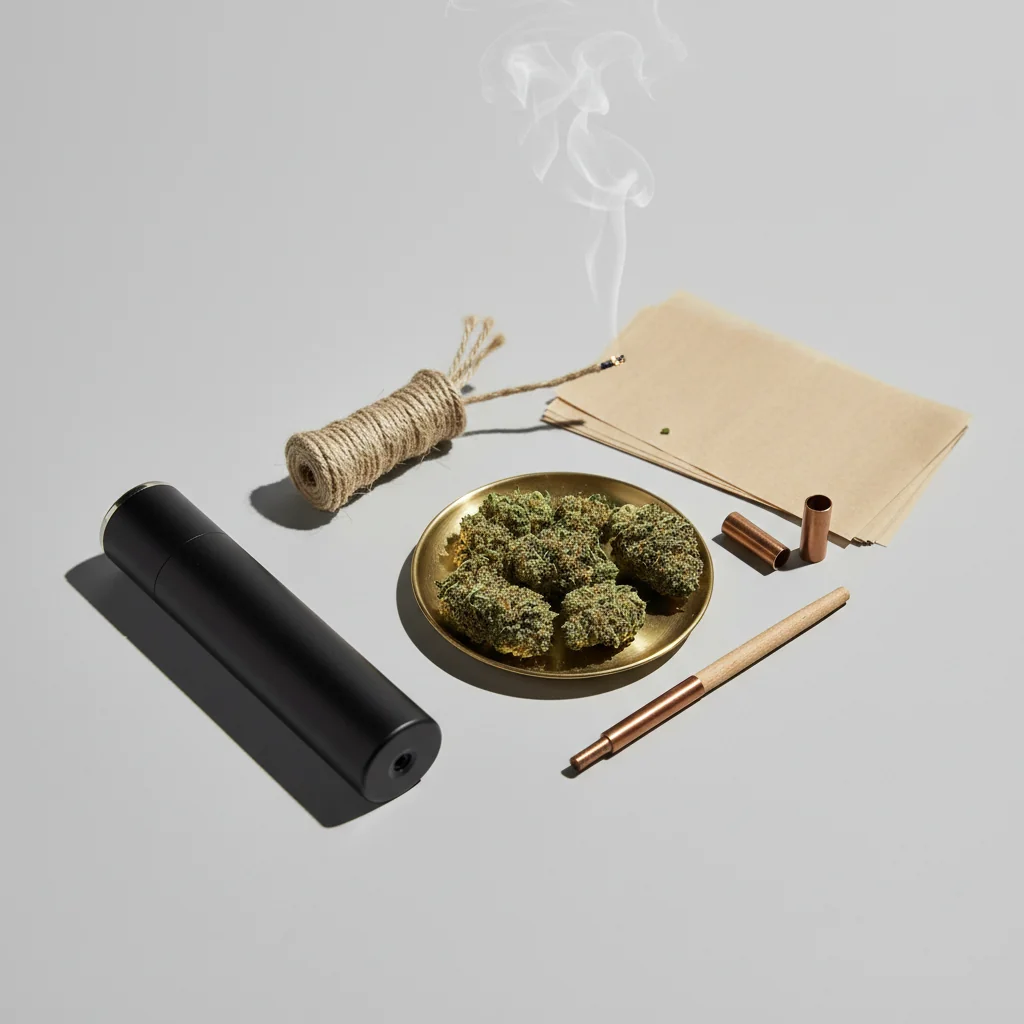
麻繩與傳統打火機之間的辯論多年來一直分裂著大麻愛好者。兩者都有熱情的支持者聲稱其味道、健康益處和整體體驗更佳。本綜合指南客觀地比較了這兩種方法。
快速回答
麻繩提供低溫、無丁烷的火焰,許多人聲稱其產生更乾淨的味道和更順暢的吸食體驗。打火機則提供便利性、可靠性和較低的成本。"最佳"選擇取決於您的優先事項:口味純粹主義者通常偏好麻繩,而注重便利性的用戶則選擇打火機。許多有經驗的用戶會同時準備兩者。
什麼是麻繩?
對於燃燒科學和溫度研究, NIST(國家標準與技術研究所) 提供標準化的測量數據。
麻繩是丁烷打火機的天然替代品,由以下組成:
- 核心:有機麻繩
- 塗層:天然蜂蠟
- 燃燒:緩慢、可控的火焰
- 溫度:低於丁烷(約700°F對比3,500°F)
如何使用:用打火機點燃麻繩,然後用麻繩的火焰點燃您的大麻。通過搖晃或捏來熄滅。
麻繩:優缺點
優勢
口味益處:
- 無丁烷味道干擾
- 許多人報告稱大麻味道更"乾淨"
- 更好地保留萜烯特徵
- 吸食更順暢,刺激性較小
控制益處:
- 較低的溫度 = 減少燃燒
- 更精確的火焰位置
- 燃燒速度較慢
- 降低燒焦的風險
潛在健康益處:
- 無丁烷吸入
- 天然蜂蠟(通常被認為是安全的)
- 較低的燃燒溫度
- 有機大麻纖維
缺點
便利性問題:
- 最初需要打火機點燃
- 風對火焰影響顯著
- 點燃過程較慢
- 需要管理/包裹燭芯
實際考量:
- 長期成本高於打火機
- 可能會很麻煩(蜂蠟殘留)
- 初學者的學習曲線
- 不如便攜
打火機:優缺點
打火機的類型
BIC風格(柔焰):
- 標準一次性打火機
- 自訂BIC打火機 具有個性化設計
- 可靠、實惠、廣泛可用
噴射/火炬火焰:
- 自訂噴射火焰打火機 具有抗風能力
- 較高的溫度,集中火焰
- 更適合戶外使用
Clipper/可重填:
- 環保選擇
- 內建撥弄工具
- 長期成本效益高
打火機的優勢
便利性:
- 單手操作
- 在任何條件下均可使用
- 即時火焰
- 高度便攜
- 無需準備
可靠性:
- 穩定的性能
- 提供抗風選項
- 每單位壽命長
- 隨處可得
成本:
- 長期來看比麻繩便宜
- BIC 打火機可持續數週到數月
- 不需要額外工具
打火機的缺點
潛在的擔憂:
- 丁烷味(輕微,存在爭議)
- 較高的燃燒溫度
- 短暫的丁烷暴露
- 火焰控制不夠精確
直接比較
味道測試
大麻燭芯使用者的評價:
- 「味道差異如同白天與黑夜」
- 「味道像是大麻本身,而不是燒焦的味道」
- 「吸入更順滑,喉嚨刺激減少」
- 「能更好地品嚐到品種差異」
打火機使用者的評價:
- 「我完全聞不到丁烷的味道」
- 「沒有明顯的差異」
- 「任何丁烷在吸入前都會燃燒掉」
- 「偏好,而非必要」
現實情況:
味覺敏感度因人而異。那些味覺敏銳或經常吸食高級大麻的人通常會注意到差異。偶爾使用者可能不會察覺到顯著的變化。
健康考量
丁烷暴露
事實:
- 丁烷通常被認為是低毒性的
- 在燃燒時幾乎完全燃燒掉
- 點燃時的短暫暴露
- 沒有顯著的研究顯示有害
大麻燭芯替代品:
- 完全不含丁烷
- 蜂蠟是食品安全的
- 大麻是有機植物材料
- 較低的燃燒可能減少焦油
結論: 兩者都不會帶來顯著的健康風險。大麻燭芯消除了其中一個變數(丁烷),但無論點燃來源如何,大麻燃燒仍然是主要的健康問題。
溫度與燃燒
為什麼溫度重要
大麻燃燒:
- 大麻素在315-440°F時蒸發
- 完全燃燒發生在450°F以上
- 較高的溫度 = 更完全的燃燒
- 較低的溫度 = 更多的風味,較少的刺激
大麻燭芯(約700°F):
- 仍然高於燃燒閾值
- 燃燒較不激烈
- 保留更多的萜類化合物
- 較慢、可控的加熱
丁烷打火機(約3500°F):
- 遠超所需的溫度
- 瞬間、激烈的燃燒
- 可能會破壞某些萜類化合物
- 快速且高效
成本分析
大麻燭芯成本
典型價格:
- 50英尺卷:$5-8
- 200英尺卷:$12-18
- 持續2-3個月(正常使用)
- 年成本:$40-60
加上:仍需打火機點燃燭芯
打火機成本
BIC/一次性:
- $2-3 每個打火機
- 持續3-4週(正常使用)
- 年成本:$25-40
- $3-8 每個單位
- 相同的使用壽命
- 可提供個性化設計
可重填(Clipper/Zippo):
- $5-15 初始成本
- $3-5 每年的補充
- 年成本:$5-10
最佳使用情境
如果選擇大麻燭芯:
- 風味是你的首要考量
- 你消費高品質的大麻
- 你偏好儀式感和意圖
- 健康優化對你很重要
- 你主要在室內吸煙
- 你想要精確的溫度控制
如果選擇打火機:
- 便利性是必需的
- 你經常在戶外吸煙
- 成本意識是首要考量
- 你偏好簡單
- 你不注意口味差異
- 快速的會議是典型的
如果你:
- 想要兩全其美
- 不同的情況需要不同的工具
- 你仍在決定你的偏好
- 你與有不同偏好的人分享
如何使用麻繩
設置
1. 將麻繩繞在打火機上 以便存放
2. 留出1-2英寸的部分
3. 保持線圈可及
點燃
1. 用打火機點燃麻繩的一端
2. 等待丁烷燃燒掉(1-2秒)
3. 將麻繩的火焰應用於大麻
4. 通過傾斜或移動麻繩來控制
5. 通過搖晃或捏熄滅
提示
- 風:用手圍住火焰
- 長度:保持2-3英寸點燃以獲得最佳控制
- 存放:存放在乾燥的地方
- 搭配:與優質的 [捲煙托盤](https://munchmakers.com/product-category/custom-rolling-trays/) 以捕捉蠟滴
推薦產品
麻繩
熱門品牌:
- Bee Line
- Humboldt 麻繩
- Raw 麻繩
- I-Tal 麻繩
尋找的要素:
- 有機大麻
- 純蜂蠟塗層
- 均勻燃燒率
- 無添加劑
打火機
最佳選擇:
- 自訂 BIC 打火機 - 可靠且具個人風格
- 噴火打火機 - 抗風
- Clipper 可重填 - 環保選擇
- Zippo - 經典耐用
混合方法
許多經驗豐富的用戶同時使用兩者:
在家(大麻燭):
- 適合進行正確的儀式
- 可控環境
- 專注於風味
- 無風擔憂
隨身攜帶(打火機):
- 快速便利
- 抗風(噴火)
- 最少配件
- 可靠的性能
搭配:
總結
大麻燭最適合:
- 風味鑑賞家
- 注重健康的用戶
- 室內會議
- 高級大麻
打火機最適合:
- 追求便利的人
- 戶外使用
- 快速會議
- 注重預算的用戶
結論: 兩者並沒有客觀上的「更好」 - 這取決於你的優先考量。如果你還沒有嘗試過麻繩,值得一試看看是否能感受到差異。許多嘗試過的用戶不會再回去;而另一些則覺得打火機完全足夠。
本指南僅供教育用途。大麻法律因地區而異。
Frequently Asked Questions
麻繩的燃燒溫度低於丁烷(避免潛在的丁烷吸入),並使用天然蜂蠟塗層。許多用戶報告稱其味道更乾淨,體驗更順暢,儘管關於健康差異的科學研究有限。
一卷50英尺的麻繩對於普通用戶(每天5-10次)通常可以使用2-3個月。每卷價格在5-10美元之間,長期來看成本略高於打火機,但許多人更喜歡其味道和控制感。
麻繩在戶外使用是可行的,但比噴火打火機更容易受到風的影響。您需要用手圍住火焰。許多戶外用戶更喜歡火炬打火機以確保可靠性。
Related Guides

Best Lighters for Cannabis 2026: BIC, Torch, Hemp Wick & More
Complete guide to choosing the best lighter for cannabis. Compare soft flame BICs, torch lighters, hemp wick, and electric plasma options. Find the perfect lighter for your consumption method.

Budget Smoking Setup Under $50: Complete Starter Kit 2026
Build a complete quality smoking setup for under $50. Smart shopping guide for grinders, rolling trays, storage, and accessories without sacrificing quality.

Ultimate Cannabis Gift Guide 2026: Accessories for Every Budget
Complete cannabis gift guide with accessory recommendations for every budget. From stocking stuffers to premium gifts, find perfect presents for cannabis enthusiasts.