

如何修復一根翹曲的煙捲:預防和修復不均勻燃燒

Mike Rodriguez
Rolling Expert
如何修復一根翹曲的煙捲:預防和修復不均勻燃燒
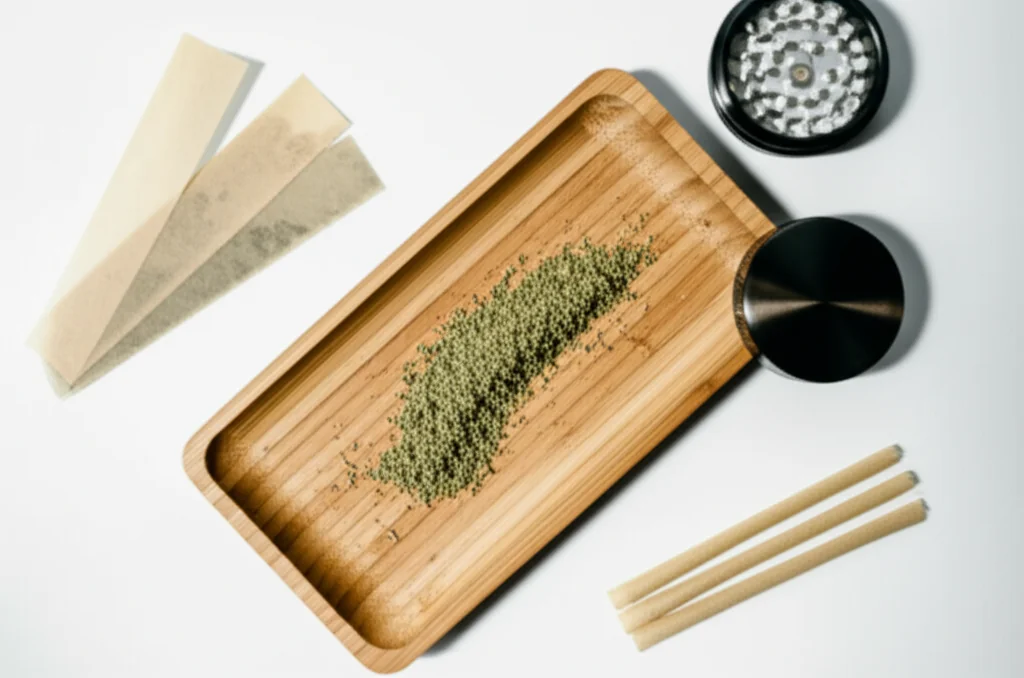
翹曲的煙捲(也稱為跑火或隧道燃燒)在一側燃燒不均,浪費大麻並造成刺鼻的煙霧。本指南教你如何在吸煙時修復翹曲,並預防其再次發生。
快速回答
要修復翹曲的煙捲:用唾液潤濕燃燒較快的一側以減慢速度,吸煙時經常旋轉煙捲,或小心地燒掉燃燒較快一側的多餘紙張。通過均勻分佈大麻、整體緊實捲動、磨得細膩以及避免風來預防翹曲。
什麼是翹曲?
翹曲 發生在你的煙捲一側燃燒速度快於另一側,形成不均勻的燃燒模式,看起來像一艘獨木舟或船。
視覺:
- 一側燃燒得顯著較快
- 另一側仍然有紙張/火櫻桃完整
- 形成一條「跑火」 - 快速燃燒的線條沿著一側上升
- 看起來就像有人在你的煙捲上雕刻了一艘獨木舟
結果: 浪費的大麻、刺鼻的煙霧、沮喪
使用均勻磨碎的產品來預防翹曲, 質量 [磨碎機 來自 MunchMakers](https://munchmakers.com/product-category/custom-grinders/)。有關捲煙故障排除技巧, Grasscity Blog 涵蓋常見的吸煙問題。
為什麼會有劣質煙卷
原因 #1:大麻分佈不均(最常見)
問題:
- 一側的大麻比另一側多
- 有間隙或空氣口袋
- 某些區域有密集的團塊
如何導致劣質煙卷:
- 密集的一側燃燒較慢(材料較多)
- 稀疏的一側燃燒較快(阻力較小)
- 造成不均勻燃燒
原因 #2:捲製緊度不一致
問題:
- 一側捲得較緊
- 煙卷中的鬆弛區域
- 捲製時的壓力不均
如何導致劣質煙卷:
- 鬆弛的區域獲得更多氧氣
- 更多氧氣 = 燃燒更快
- 緊實的區域燃燒較慢
原因 #3:濕度不平衡
問題:
- 一側因封口而有唾液
- 一側的大麻潮濕
- 大麻乾燥不均
如何導致劣質煙卷:
- 潮濕的一側燃燒較慢
- 乾燥的一側燃燒較快
- 在乾燥的一側形成跑道
原因 #4:莖和塊狀物
問題:
- 研磨中有大塊或莖
- 研磨大小不一致
- 塊狀物造成間隙
如何導致劣質煙卷:
- 莖燃燒不良
- 塊狀物形成空氣通道
- 不均勻的材料密度
原因 #5:風和氣流
問題:
- 在風中戶外吸煙
- 風扇吹在煙卷上
- 不均勻的空氣暴露
如何導致船槳效應:
- 面對風的一側獲得更多氧氣
- 燃燒得更快
- 產生持續的船槳效應
立即修正(吸煙時)
修正 #1:唾液濕潤
何時使用:早期船槳效應(剛開始)
方法:
1. 舔一下你的手指
2. 濕潤快速燃燒的一側(跑者)
3. 這會暫時減慢那一側的燃燒
4. 另一側趕上來
專業提示:不要過度濕潤,否則煙卷會變得潮濕
修正 #2:旋轉和吸煙
何時使用:防止船槳效應或輕微的船槳效應
方法:
1. 吸一口
2. 旋轉煙卷90-180度
3. 從旋轉的位置吸下一口
4. 每2-3口繼續旋轉
為什麼有效:所有側面均勻的空氣暴露
修正 #3:燒掉跑者
何時使用:嚴重的船槳效應(一側明顯領先)
方法:
1. 小心點燃快速側的紙張
2. 燒回到與慢側相匹配
3. 不要燒掉大麻
4. 當均勻時吹熄
警告:進階技巧,容易燙傷自己或浪費大麻
修正方案 #4:策略性灰燼處理
何時使用:輕微的船槳效應,長灰燼
方法:
1. 先處理快速燃燒的一側的灰燼
2. 讓慢燃燒的一側再燃燒 1-2 吸
3. 然後處理那一側的灰燼
4. 創造平衡效果
預防:捲煙技巧
預防措施 #1:均勻分佈
關鍵步驟 以防止船槳效應:
1. 磨得細緻且均勻 - 無塊狀物,無莖
2. 均勻分佈 在整個紙張長度上
3. 輕拍和搖晃 成型的煙捲以穩定大麻
4. 視覺檢查 - 應該看起來密度均勻
測試:在封口之前,從側面查看煙捲 - 大麻應該是平整的,而不是歪斜的
預防措施 #2:一致的緊實度
如何均勻緊實地捲:
1. 雙手使用 施加均勻的壓力
2. 從濾嘴捲到尖端 保持相同的壓力
3. 不要將一端捲得過緊 而另一端捲得過鬆
4. 繪製測試 在封閉之前 - 應該有一致的阻力
比較應該感覺像一個連續的堅固圓柱,而不是緊-鬆-緊的模式
預防措施 #3:品質研磨
研磨機技巧:
- 研磨 10-15 秒(而不是 3-5 秒)
- 多次轉動研磨機
- 檢查一致性 - 應該是蓬鬆的,而不是塊狀的
- 在研磨之前去除莖
手動破碎替代方案:
- 非常細地破碎
- 去除所有莖
- 雖然耗時但有效
預防措施 #4:適當的包裝
在捲好但在吸煙之前:
1. 從尖端開始包裝 輕輕地
2. 在桌子上輕拍關節 以安定大麻
3. 如果需要,再次包裝 4.
目標 :整體堅固、均勻的密度不要
:過度包裝(限制氣流,造成問題)預防措施 #5:受控環境
理想的吸煙條件:
室內或平靜的戶外區域
- 沒有風或風扇
- 吸煙時自然旋轉關節
- 不要總是以相同的方式握住
- 避免:
多風的日子(保證會有船槳效應)
- 直接的風扇氣流
- Direct fan airflow
- 整個過程中保持關節在同一位置
進階的煙卷預防
四分之一轉動法
吸煙時:
- 每吸一口,將煙卷轉90度
- 創造均勻的燃燒接觸
- 隨著練習變得自動
為什麼這樣有效:沒有單一的一面持續面對風或主導
點燃前檢查
點燃前:
1. 持著點燃 - 檢查是否有密集區域(較暗的區域)
2. 感覺是否有塊狀物 - 如果發現,重新分配
3. 抽吸測試 - 應該有一致的阻力
4. 視覺掃描 - 應該是對稱的
如果你發現問題:拆開並重新捲。比起煙卷偏斜要好。
紙張選擇很重要
不易偏斜的紙張:
- 薄米紙(Elements, OCB)
- 高品質大麻紙(RAW Black)
- 均勻燃燒的品牌
易偏斜的紙張:
- 厚木漿紙
- 不一致的廉價品牌
- 調味紙(不均勻塗層)
常見的煙卷偏斜情況
情況:"總是在同一側偏斜"
診斷:你每次都以相同的方式持著它
解決方案:在吸煙時有意識地旋轉,交替哪隻手持著煙卷
情境:"在濾嘴端的船"
診斷:尖端緊,濾嘴處鬆動或口腔濕氣
解決方案:
- 將濾嘴端捲得更緊
- 封閉濾嘴區域時不要過度舔舌
- 輕輕吸取(減少口腔濕氣)
情境:"中間的船"
診斷:中間有空氣袋或鬆動的地方
解決方案:
- 更小心地包裝
- 在吸煙前輕拍接合處以穩定中間
- 捲的時候注意中間部分
情境:"在風中外面的船"
診斷:風的影響
解決方案:
- 用手捧住接合處以阻擋風
- 面對背風的方向
- 找一個有遮蔽的地方
- 更頻繁地旋轉
划船危險嗎?
不,划船只是令人煩惱,並無害。
人們的擔憂:
- "我在浪費大麻嗎?" - 是的,確實是
- "這樣會更刺喉嗎?" - 是的,不均勻燃燒 = 刺喉的吸入
- "這意味著我不能捲嗎?" - 不一定,可能只是環境問題
真正的問題:浪費的大麻和糟糕的吸煙體驗,而不是安全問題
划船 vs. 燒焦 vs. 隧道效應
划船:側燒(最常見的術語)
燒焦:與划船相同
隧道效應中心燃燒速度比外圍快(不同的問題)
本指南涵蓋划獨木舟和跑步(同樣的事情)
何時應該重新捲
如果你的聯合煙捲嚴重 在前幾口:
重新捲的跡象:
- 聯合煙捲的前25%
- 嚴重不均勻燃燒(超過1厘米的差異)
- 無法通過潮濕/旋轉來修復
- 浪費太多大麻
如何挽救:
1. 小心地拆開剩餘的煙捲
2. 保存大麻
3. 正確地重新捲
4. 比抽不良捲煙要好
不要固執有時重新捲是明智的選擇
練習練習:完美燃燒測試
測試你的捲煙進步:
1. 小心地捲一支煙捲,使用所有預防技術 2. 在受控環境中抽煙(室內,無風)
3. 不要故意旋轉 - 讓它自然燃燒
4. 看看它是否會划船
結果:
沒有划船
- 你的捲煙技術很穩固輕微划船
- 需要改進但可以接受嚴重划船
- 多練習預防步驟目標
自然燃燒,無需划船,無需旋轉專業提示
提示 #1
大多數「划船」實際上只是捲煙時分佈不均。通過更好的分佈修復90%的划船。提示 #2
抽煙時的旋轉應該成為習慣。即使是完美的煙捲也會受益於旋轉。: Rotation while smoking should be HABIT. Even perfect joints benefit from rotation.
提示 #3:研磨的質量比你想的更重要。花時間保持研磨的一致性。
提示 #4:如果捲煙總是向同一側傾斜,你有捲煙偏差。要有意識地進行補償。
提示 #5:米紙比木漿紙更不容易傾斜(燃燒得更慢,更均勻)。
本指南僅供教育用途。大麻法律因地區而異。
Step 1:
Step 2:
Step 3:
Step 4:
Step 5:
Step 6:
Frequently Asked Questions
煙捲翹曲是由於大麻分佈不均、捲得鬆散、磨碎時有莖/塊、風吹到一側或濕度不平衡造成的。通過均勻分佈、緊實捲動、磨得更細以及在平靜的環境中吸煙來修復。
Related Guides
Rolling Paper Sizes Explained: 1 1/4, King Size, and More
Comprehensive guide about rolling paper sizes explained: 1 1/4, king size, and more. Learn everything you need to know with expert tips and detailed instructions.

Best Rolling Papers for Beginners: Complete Buying Guide 2026
Discover the best rolling papers for beginners including RAW, Zig-Zag, and OCB. Learn about sizes, materials (rice vs hemp vs wood pulp), and which papers are easiest to roll with.
Clear Rolling Papers: Are Cellulose Papers Worth It?
Comprehensive guide about clear rolling papers: are cellulose papers worth it?. Learn everything you need to know with expert tips and detailed instructions.