
Cách Sử Dụng Nectar Collector: Hướng Dẫn Dành Cho Người Mới Bắt Đầu

David Martinez
Concentrate Expert
Cách Sử Dụng Nectar Collector: Hướng Dẫn Dành Cho Người Mới Bắt Đầu
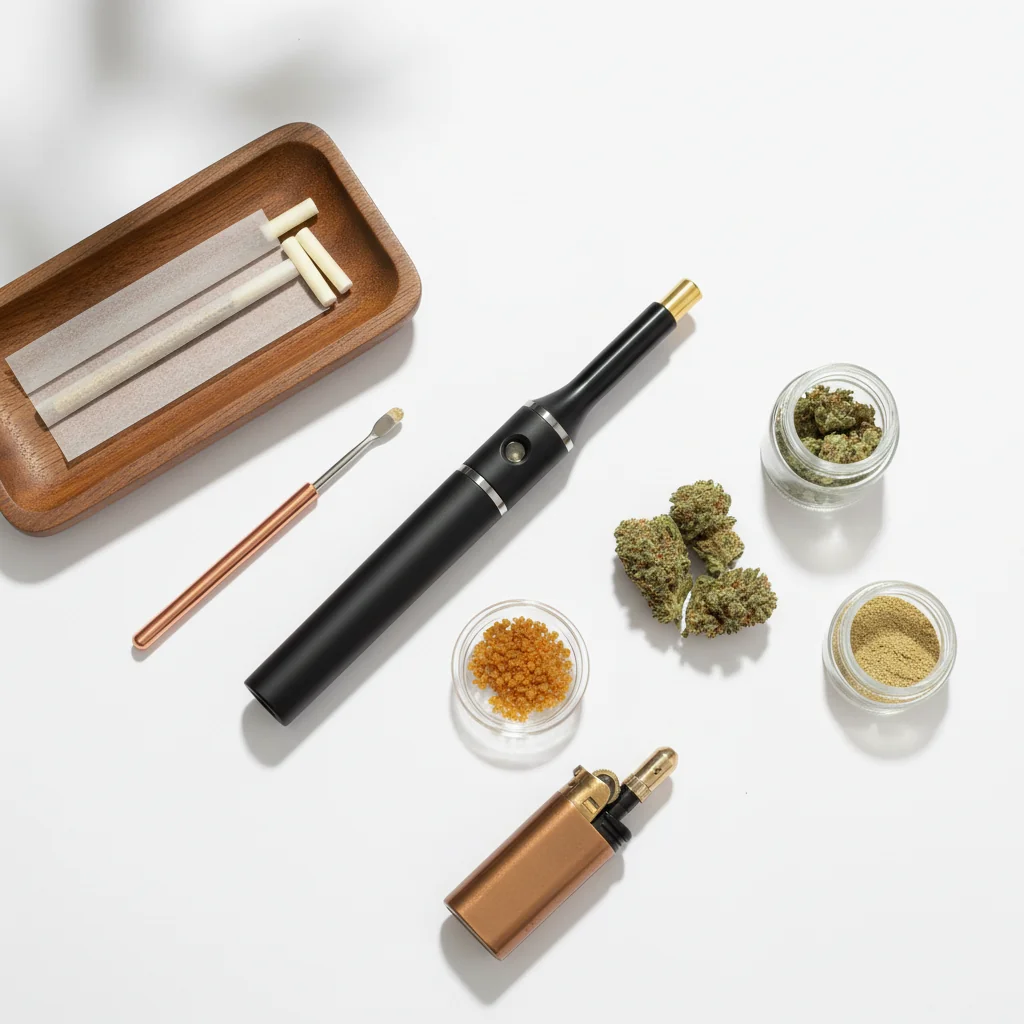
Nectar collectors đã cách mạng hóa cách mọi người tiêu thụ các loại tinh chất cannabis. Khác với các dab rigs, yêu cầu nạp tinh chất lên một đinh nóng, nectar collectors cho phép bạn nhúng trực tiếp vào tinh chất của mình—khiến chúng đơn giản hơn, di động hơn và cực kỳ hiệu quả.
Cho dù bạn là người mới bắt đầu với tinh chất hay đang tìm kiếm một giải pháp dab tiện lợi hơn, hướng dẫn này bao gồm mọi thứ bạn cần biết về nectar collectors, từ thiết lập cơ bản đến các kỹ thuật nâng cao.
Câu Trả Lời Nhanh
Một nectar collector (còn được gọi là dab straw hoặc honey straw) là một thiết bị dab thẳng đứng với đầu nóng mà bạn nhúng trực tiếp vào tinh chất. Làm nóng đầu bằng đèn khò cho đến khi nó phát sáng, để nguội một chút, sau đó chạm vào tinh chất trong khi hít vào qua ống ngậm. Nó đơn giản và di động hơn so với một dab rig truyền thống.
Mục Lục
- Nectar Collector là gì?
- Các Loại Nectar Collectors
- Cách Sử Dụng Nectar Collector
- Nectar Collector so với Dab Rig
- Chọn Đầu Phù Hợp
- Nhiệt Độ và Kỹ Thuật
- Vệ Sinh và Bảo Trì
- Các Loại Tinh Chất Tốt Nhất Cho Nectar Collectors
- Mẹo Chuyên Nghiệp
- Câu Hỏi Thường Gặp
Nectar Collector là gì?
Nectar collector là một thiết bị dab di động giống như một ống hút lớn hoặc một ống nhỏ. Khác với các dab rigs truyền thống, nơi bạn làm nóng một đinh và thả tinh chất lên đó, nectar collectors hoạt động theo chiều ngược lại—bạn làm nóng đầu và đưa nó đến tinh chất.
Nguồn Gốc Tên
Tên "nectar collector" xuất phát từ cách bạn sử dụng nó: nhúng vào tinh chất như một con chim ruồi hoặc ong thu thập mật từ hoa. Nó cũng thường được gọi là:
- Dab straw
- Honey straw
- Máy vaporizer thẳng đứng
- Ống hút tinh chất
Các Thành Phần Cơ Bản
Một bộ sưu tập nectar tiêu chuẩn bao gồm:
1. Miệng hút: Đầu mà bạn hít vào (thường làm bằng thủy tinh hoặc silicone)
2. Thân/Chamber: Có thể bao gồm một buồng nước để làm mát
3. Đầu hút: Đầu được làm nóng để làm bay hơi tinh chất (titanium, thạch anh hoặc gốm)
Tại sao Nectar Collectors trở nên phổ biến
Nectar collectors mang lại một số lợi ích:
- Tính di động: Nhỏ hơn nhiều so với các thiết bị truyền thống
- Hiệu quả: Giảm lãng phí tinh chất
- Kiểm soát: Liều lượng chính xác—lấy đúng những gì bạn muốn
- Đơn giản: Ít bộ phận, dễ sử dụng
- Tốc độ: Phiên sử dụng nhanh mà không cần thiết lập phức tạp
Các loại Nectar Collectors
Nectar Collectors bằng thủy tinh
Nectar collectors truyền thống hoàn toàn làm bằng thủy tinh, thường có:
- Buồng lọc nước
- Thiết kế nghệ thuật
- Đầu hút có thể thay thế
- Cấu trúc trong suốt
Ưu điểm: Hương vị tinh khiết, đẹp mắt, thường có bộ lọc nước
Nhược điểm: Dễ vỡ, không lý tưởng cho việc di chuyển
Nectar Collectors bằng silicone
Thân silicone với đầu hút bằng kim loại hoặc thạch anh có thể tháo rời mang lại:
- Độ bền gần như không thể phá hủy
- Dễ dàng vệ sinh
- Thiết kế thân thiện với việc di chuyển
- Giá cả phải chăng
Ưu điểm: Hầu như không thể phá vỡ, di động, giá cả phải chăng
Nhược điểm: Một số lo ngại về nhiệt độ gần silicone, hương vị kém tinh khiết hơn
Máy thu nhựa điện
Các tùy chọn chạy bằng pin với điều khiển nhiệt độ:
- Không cần đèn khò
- Cài đặt nhiệt độ chính xác
- Sạc qua USB
- Nhiệt độ ổn định
Ưu điểm: Không cần đèn khò, điều khiển nhiệt độ, tiện lợi
Nhược điểm: Đắt hơn, pin có thể hết, linh kiện điện tử có thể hỏng
Máy thu nhựa mini/micro
Phiên bản nhỏ gọn cho tính di động tối ưu:
- Thiết kế kích thước túi
- Phiên họp nhanh
- Thường không có bộ lọc nước
Ưu điểm: Cực kỳ di động, kín đáo, nhanh chóng
Nhược điểm: Không có làm mát bằng nước, đầu ngắn hơn có nghĩa là nhiệt độ gần miệng cao hơn
Cách sử dụng máy thu nhựa
Những gì bạn cần
- Máy thu nhựa
- Bật lửa khò (butane)
- Chất cô đặc bạn chọn
- Bề mặt chịu nhiệt hoặc thảm silicone
- Chai silicone hoặc đĩa thủy tinh cho chất cô đặc
Hướng dẫn từng bước
#### Bước 1: Lắp ráp máy thu nhựa của bạn
Nếu máy thu nhựa của bạn có các bộ phận riêng biệt, hãy kết nối chúng một cách chắc chắn:
- Gắn đầu vào thân
- Nếu có lọc nước, thêm nước đến mức phù hợp
- Kiểm tra tất cả các kết nối có chặt chẽ không
#### Bước 2: Chuẩn bị chất cô đặc của bạn
Đặt chất cô đặc của bạn lên bề mặt chịu nhiệt. Không bao giờ chấm trực tiếp từ các hộp nhựa—chuyển sang:
- Chai chấm silicone
- Đĩa thủy tinh
- Giấy nến trên thảm silicone
#### Bước 3: Làm Nóng Đầu Mút
Sử dụng một đèn khò butane, làm nóng đầu mút:
- Giữ ngọn lửa ở đầu mút trong 15-30 giây
- Làm nóng cho đến khi đầu mút phát sáng màu đỏ/orange
- Xoay nhẹ để làm nóng đều
#### Bước 4: Để Nguyên Liệu Ngủi
Điều này rất quan trọng cho hương vị và an toàn:
- Chờ 10-30 giây sau khi rút ngọn lửa
- Đầu mút thạch anh: chờ 15-20 giây
- Đầu mút titan: chờ 10-15 giây
- Nhiệt độ thấp hơn = hương vị tốt hơn
#### Bước 5: Nhúng và Hít Vào
Với đầu mút ở nhiệt độ thích hợp:
- Đặt đầu mút ngay trên tinh chất của bạn
- Bắt đầu hít vào nhẹ nhàng qua miệng
- Chạm nhẹ đầu mút vào tinh chất
- Di chuyển đầu mút từ từ qua tinh chất trong khi hít vào
- Đừng ấn mạnh—liên hệ nhẹ là đủ
#### Bước 6: Thở Ra và Lặp Lại
Gỡ đầu mút ra khỏi tinh chất, hoàn thành hít vào và thở ra. Bạn có thể làm nóng lại và lặp lại theo ý muốn.
Nectar Collector so với Dab Rig
Khi nào nên chọn Nectar Collector
- Sử dụng khi di chuyển hoặc đi du lịch
- Liều lượng nhỏ, nhanh chóng
- Không gian lưu trữ hạn chế
- Mua sắm tiết kiệm
- Người mới bắt đầu với chất tập trung
Khi nào nên chọn Dab Rig
- Buổi sử dụng tại nhà
- Chất lượng hơi tối đa
- Liều lượng lớn hơn
- Người dùng chất tập trung có kinh nghiệm
- Trải nghiệm hút thuốc cao cấp
Nhiều người đam mê chất tập trung sở hữu cả hai, sử dụng rig tại nhà và nectar collector cho việc di chuyển.
Chọn đầu phù hợp
Chất liệu đầu ảnh hưởng đáng kể đến trải nghiệm của bạn:
Đầu Titanium
Ưu điểm:
- Bền nhất - gần như không thể phá hủy
- Nóng nhanh
- Giữ nhiệt tốt
- Ít có khả năng bị vỡ do sốc nhiệt
Nhược điểm:
- Có thể ảnh hưởng đến hương vị ở nhiệt độ cao
- Hương vị kim loại nếu quá nhiệt
- Titanium chất lượng thấp có thể phát thải khí
Tốt nhất cho: Độ bền, buổi sử dụng nhanh, di chuyển
Đầu Quartz
Ưu điểm:
- Hương vị tốt nhất—vị tinh khiết, sạch sẽ
- Phân phối nhiệt đồng đều
- Không có vị kim loại
- Nóng đều
Nhược điểm:
- Dễ vỡ—có thể nứt do rơi hoặc thay đổi nhiệt độ nhanh
- Không giữ nhiệt lâu
- Đắt hơn
Tốt nhất cho: Người yêu thích hương vị, sử dụng tại nhà, người sành điệu
Mẹo gốm
Ưu điểm:
- Hương vị tuyệt vời
- Phân phối nhiệt đồng đều
- Giữ nhiệt tốt
Nhược điểm:
- Lựa chọn dễ vỡ nhất
- Có thể nứt do sốc nhiệt
- Ít phổ biến hơn
Tốt nhất cho: Ưu tiên hương vị, người xử lý cẩn thận
Nhiệt độ và Kỹ thuật
Tìm Nhiệt Độ Lý Tưởng Của Bạn
Nhiệt độ ảnh hưởng đáng kể đến trải nghiệm dabbing của bạn:
Nhiệt độ Thấp (300-400°F)
- Bảo tồn hương vị/tinh dầu tối đa
- Hơi nước mượt mà hơn
- Hiệu ứng nhẹ hơn
- Nhiều cặn hơn còn lại
Nhiệt độ Trung Bình (400-550°F)
- Cân bằng giữa hương vị và sản xuất hơi nước
- Phạm vi phổ biến nhất
- Sử dụng tinh chất hiệu quả
Nhiệt độ Cao (550-700°F)
- Sản xuất hơi nước tối đa
- Tác động ngay lập tức mạnh nhất
- Khó chịu hơn cho họng/phổi
- Có thể phá hủy terpenes
Hướng dẫn nhiệt độ hình ảnh
Vì hầu hết các bộ thu mật hoa không có màn hình nhiệt độ:
- Phát sáng đỏ: Quá nóng—chờ đã!
- Ngừng phát sáng, rất nóng: Vẫn quá nóng để có hương vị tốt nhất
- Ấm khi nhìn: Điểm ngọt cho hầu hết người dùng
- Không có nhiệt độ nhìn thấy: Có thể quá mát
Kỹ thuật Nhiệt Độ Thấp
Để có hương vị tốt nhất:
1. Đun nóng cho đến khi đầu phát sáng
2. Chờ 20-30 giây (lâu hơn bạn nghĩ)
3. Thử với một chút nhỏ trước
4. Nếu nó chảy mà không bay hơi nhiều, hãy đun nóng lại một chút
Kỹ thuật Bắt Đầu Lạnh
Một số người dùng thử bắt đầu lạnh với bộ thu mật hoa:
1. Đặt đầu tiếp xúc với tinh chất mà không cần đun nóng
2. Bắt đầu đun nóng trong khi hít vào
3. Ngừng nhiệt khi có hơi xuất hiện
Điều này khá khó khăn với bộ thu mật hoa nhưng có thể bảo tồn tối đa terpenes.
Vệ Sinh và Bảo Trì
Vệ sinh thường xuyên đảm bảo hương vị tốt nhất và tuổi thọ lâu nhất.
Sau Mỗi Phiên
- Lau đầu trong khi ấm (không nóng) bằng bông khô
- Điều này ngăn ngừa sự tích tụ cứng lại
- Chỉ sử dụng bông khô—isopropyl có thể gây ra vấn đề khi đun nóng
Vệ Sinh Sâu (Hàng Tuần)
Đối với Thân Kính:
1. Tháo rời hoàn toàn
2. Ngâm trong rượu isopropyl (91% hoặc cao hơn)
3. Sử dụng muối như một chất mài mòn cho sự tích tụ cứng đầu
4. Rửa sạch bằng nước nóng
5. Để khô hoàn toàn trước khi sử dụng
Đối với Thân Silicon:
1. Tách silicone khỏi đầu
2. Rửa silicone bằng nước ấm có xà phòng
3. Làm sạch đầu bằng cồn isopropyl
4. Rửa sạch và làm khô tất cả các bộ phận
Đối với đầu:
1. Đun nóng đầu để đốt cháy cặn (làm sạch bằng đèn khò)
2. Hoặc ngâm trong cồn isopropyl
3. Chà bằng bông ngoáy tai
4. Rửa sạch và làm khô trước khi gắn lại
Dấu hiệu bạn cần làm sạch
- Giảm lưu lượng không khí
- Hương vị lạ
- Cặn bám nhìn thấy
- Bộ lọc bị tắc
- Miệng hút dính
Những loại tinh chất tốt nhất cho bộ thu mật
Bộ thu mật hoạt động với tất cả các loại tinh chất, nhưng một số loại dễ sử dụng hơn:
Lựa chọn tuyệt vời
Sáp/Budder:
- Dễ quản lý độ đặc
- Bốc hơi hiệu quả
- Tuyệt vời cho người mới bắt đầu
Shatter:
- Dễ chia phần
- Sạch sẽ khi xử lý
- Hoạt động tốt ở nhiều nhiệt độ khác nhau
Crumble:
- Dễ làm việc
- Không dính bẩn
- Bốc hơi sạch sẽ
Lựa chọn có thể làm việc
Live Resin:
- Hương vị tuyệt vời
- Có thể dính
- Có thể cần nhiệt độ thấp hơn
Nhựa thông:
- Lựa chọn sạch, không dung môi
- Độ đồng nhất biến đổi
- Hương vị tuyệt vời
Lựa chọn khó khăn
Nước sốt/Nước sốt terp:
- Độ đồng nhất rất lỏng
- Có thể gây lộn xộn
- Có thể nhỏ giọt khi được làm nóng
- Cần kỹ thuật cẩn thận
Chất chưng cất:
- Rất lỏng
- Có thể làm tắc đầu hút
- Hoạt động nhưng cần cẩn thận
Mẹo chuyên nghiệp
1. Sử dụng thảm silicone hoặc đĩa thủy tinh— không bao giờ dab từ nhựa, bìa cứng hoặc giấy nướng một mình
2. Đầu tư vào một đầu hút chất lượng— đầu hút rẻ tiền ảnh hưởng đến hương vị và có thể không an toàn
3. Đừng chạm vào đầu hút để kiểm tra nhiệt độ— nó giữ nhiệt lâu hơn bạn nghĩ
4. Bắt đầu với những lần dab nhỏ cho đến khi bạn biết khả năng chịu đựng của mình
5. Giữ phần tinh chất nhỏ— bạn luôn có thể lấy thêm
6. Vệ sinh thường xuyên để có hương vị tốt nhất và độ bền
7. Để các mẫu lọc nước thoát hoàn toàn trước khi lưu trữ
8. Du lịch với đầu ngọn tách rời để tránh hư hại
9. Sử dụng đèn khò butane chất lượng—đèn khò rẻ tiền gây đau đầu
10. Xem xét một lựa chọn điện nếu bạn muốn kiểm soát nhiệt độ
Câu hỏi thường gặp
Có đáng để sử dụng bộ thu nhựa không?
Có, đặc biệt là về tính di động và hiệu quả. Chúng lãng phí ít tinh chất hơn nhiều phương pháp khác và cung cấp kiểm soát liều lượng tuyệt vời. Chúng là một cách tiếp cận hợp lý để sử dụng tinh chất.
Bộ thu nhựa có làm bạn phê hơn so với bộ dab không?
Không nhất thiết. Tác dụng phụ thuộc vào lượng và chất lượng tinh chất tiêu thụ, không phải thiết bị. Cả hai đều có thể cung cấp liều lượng mạnh khi được sử dụng đúng cách.
Tôi nên chi bao nhiêu cho một bộ thu nhựa?
Các tùy chọn chức năng bắt đầu từ khoảng 20-30 đô la. Các phiên bản bằng kính hoặc silicone chất lượng với đầu tốt có giá từ 40-80 đô la. Các phiên bản kính cao cấp hoặc điện có thể vượt quá 100 đô la.
Tôi có thể sử dụng bộ thu nhựa cho thảo mộc khô không?
Không. Bộ thu nhựa được thiết kế đặc biệt cho tinh chất. Sử dụng thảo mộc khô sẽ yêu cầu nhiệt độ đốt và có thể làm hỏng thiết bị.
Tại sao bộ thu nhựa của tôi lại khắc nghiệt?
Đầu ngọn có thể quá nóng. Chờ lâu hơn sau khi làm nóng trước khi nhúng. Cũng đảm bảo rằng bạn không hít vào quá mạnh—hít nhẹ sẽ tạo ra hơi mượt mà hơn.
Tôi nên thay đầu ngọn bao lâu một lần?
Với sự chăm sóc đúng cách, các đầu ngọn chất lượng có thể kéo dài nhiều năm. Thay thế khi bạn nhận thấy:
- Nứt hoặc chip
- Màu sắc vĩnh viễn ảnh hưởng đến hương vị
- Nhiệt độ không đồng đều
- Hương vị không cải thiện sau khi làm sạch
Tôi có thể sử dụng bật lửa thông thường thay vì đèn khò không?
Đối với các đầu ngọn titanium, bật lửa thông thường sẽ không đủ nóng một cách hiệu quả. Các đầu ngọn thạch anh cần nhiệt độ cao hơn nữa. Đèn khò butane là cần thiết để sử dụng đúng cách.
Sử dụng bộ thu nhựa có an toàn không?
Có, khi được sử dụng đúng cách. Các mẹo an toàn chính:
- Sử dụng ở những nơi thông thoáng
- Không bao giờ chạm vào đầu ngọn đã được làm nóng
- Đặt trên bề mặt chịu nhiệt
- Không sử dụng khi bị suy giảm
- Giữ xa trẻ em và thú cưng
Kết luận
Bộ thu nhựa cung cấp một cách tiện lợi, hiệu quả và di động để thưởng thức tinh chất cannabis. Dù bạn chọn một mẫu silicone đơn giản để đi du lịch hay một sản phẩm kính cao cấp để sử dụng tại nhà, phương pháp nhúng trực tiếp cung cấp kiểm soát liều lượng tuyệt vời và lãng phí tối thiểu.
Bắt đầu với tinh chất chất lượng, làm nóng đầu ngọn đúng cách, chờ đến nhiệt độ phù hợp và nhúng nhẹ nhàng. Với sự luyện tập, bạn sẽ thành thạo kỹ thuật và hiểu tại sao nhiều người đam mê tinh chất đã thêm bộ thu nhựa vào bộ sưu tập của họ.
Để biết thêm về tinh chất, hãy khám phá hướng dẫn cách lấy dab hoặc duyệt qua hướng dẫn lưu trữ tinh chất để giữ cho sản phẩm của bạn luôn tươi mới.
Frequently Asked Questions
Có, đặc biệt là về tính di động và hiệu quả. Chúng lãng phí ít tinh chất hơn nhiều phương pháp khác và cung cấp kiểm soát liều lượng tuyệt vời. Chúng là một cách tiếp cận hợp lý để sử dụng tinh chất.
Related Guides
Bubble Hash: How to Make Ice Water Hash at Home
Complete guide to making bubble hash at home: equipment needed, choosing starting material, the full extraction process, grading hash quality, proper drying, and how to use bubble hash.
Carb Cap Types: Directional, Bubble, and Spinner Caps
Comprehensive guide about carb cap types: directional, bubble, and spinner caps. Learn everything you need to know with expert tips and detailed instructions.

Carb Caps Explained: Types, Uses, and Why You Need One
Complete guide to carb caps for dabbing. Learn how carb caps work, different types (directional, bubble, spinner), and why they're essential for low-temp dabs.