

Trận đấu vs bật lửa cho hút thuốc: Cái nào tốt hơn?

James Wilson
Cannabis Culture Writer
Trận đấu vs bật lửa cho hút thuốc: Cái nào tốt hơn?
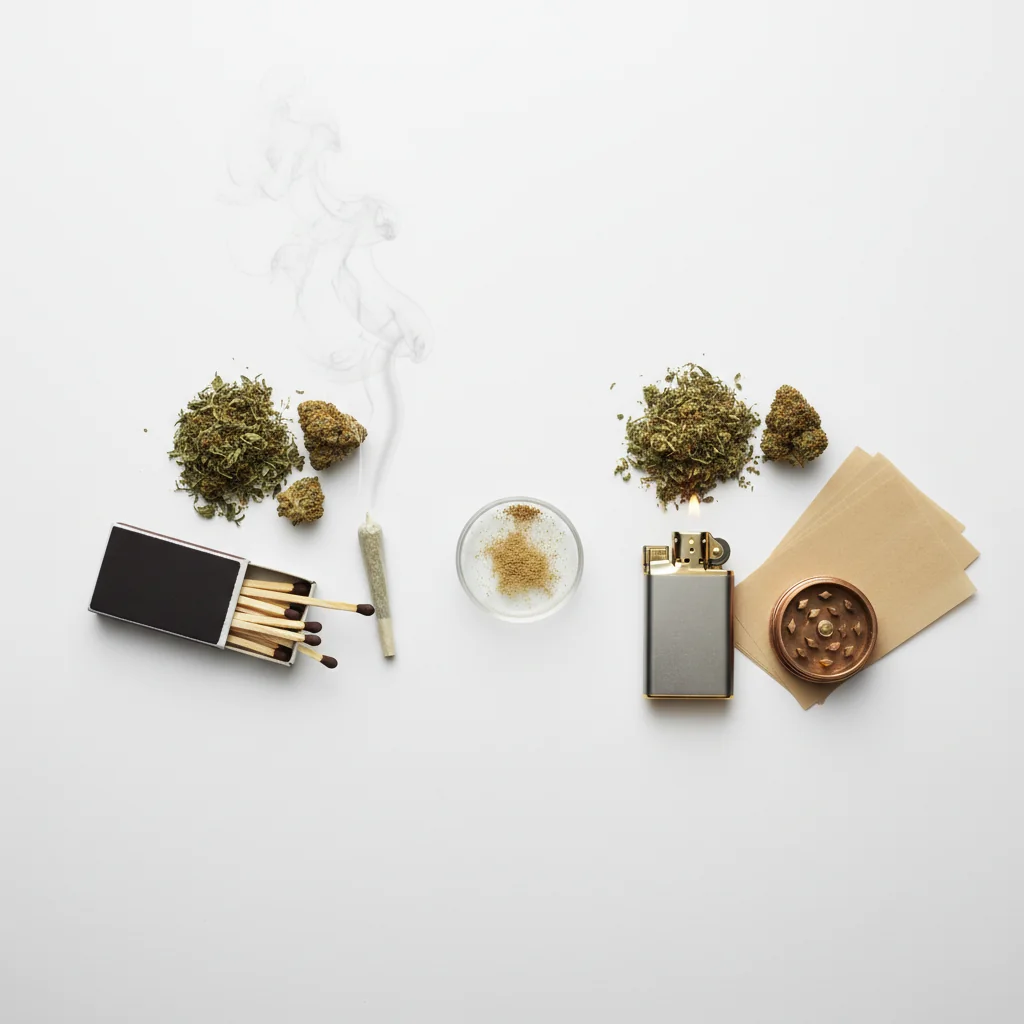
Trong thời đại bật lửa tiện lợi, diêm có vẻ lỗi thời. Nhưng một số người hút thuốc thề với họ, khẳng định hương vị tốt hơn hoặc đơn giản là thưởng thức nghi lễ. Hướng dẫn này so sánh cả hai tùy chọn để giúp bạn quyết định.
câu trả lời nhanh
Bật lửa thực tế hơn để sử dụng cần sa hàng ngày — thuận tiện, đáng tin cậy và luôn sẵn sàng. Diêm hoạt động nhưng ít thực tế hơn: chúng cháy nhanh, cần hai tay và hạn chế sử dụng trong gió. Để có hương vị tinh khiết, hãy để lưu huỳnh cháy trước khi thắp sáng cần sa. Cây gai dầu đánh bại cả hai để nếm thử nếu đó là ưu tiên của bạn.
trường hợp bật lửa
Thông tin về gỗ và lâm sảnDịch vụ lâm nghiệp USDACung cấp nghiên cứu vật liệu bền vững.
lợi ích
Tiện lợi:
- Hoạt động một tay
- Ngọn lửa tức thì
- Hiệu suất nhất quán
- Nhiều công dụng cho mỗi bật lửa
Độ tin cậy:
- Hoạt động trong hầu hết các điều kiện
- Lâu dài (hàng nghìn ánh sáng)
- Tùy chọn có thể nạp lại
- Luôn sẵn sàng
Kiểm soát:
- ngọn lửa duy trì
- Có thể điều chỉnh (một số mô hình)
- Dễ dàng để chỉ đạo
- Hoạt động cho nhiều lần truy cập
Tiết kiệm chi phí:
- Chi phí thấp cho mỗi ánh sáng
- Tuổi thọ dài
- Tùy chọn có thể nạp lại tiết kiệm nhiều hơn
nhược điểm
Tiếp xúc butan:
- lượng nhỏ hít vào
- Một số thông báo hương vị
- Hóa chất (dù an toàn với số lượng nhỏ)
Môi trường:
- đồ dùng một lần tạo ra chất thải
- Cơ thể nhựa
- Tác động sản xuất butan
Các vấn đề tiềm ẩn:
- Có thể hết vào thời điểm xấu
- gió ảnh hưởng đến ngọn lửa
- Nóng bỏng với việc sử dụng kéo dài
trường hợp cho các trận đấu
lợi ích
Vật liệu tự nhiên:
- Gỗ và lưu huỳnh
- không có butan
- có thể bị phân hủy
Hương vị khác nhau:
- Không có vị butan
- Một số thích nó
- Cảm giác "tự nhiên" hơn
Tính khả dụng:
- Thường miễn phí tại các quán bar / nhà hàng
- Giá rẻ để mua
- Không cần đổ đầy
Nghi lễ:
- thỏa mãn hành động đình công
- Thẩm mỹ cổ điển
- quá trình có chủ ý
nhược điểm
Không thực tế cho bát:
- cháy nhanh
- Yêu cầu hai tay
- Khó góc vào bát
- Gió dập tắt dễ dàng
Vị lưu huỳnh:
- Ánh sáng ban đầu có hương lưu huỳnh
- phải để nó cháy hết
- Một số thấy nó khó chịu
Sự bất tiện:
- Một lần sử dụng mỗi trận đấu
- có thể không tấn công
- Vô dụng khi ướt
- Thời gian đốt giới hạn
Chi phí cho mỗi ánh sáng:
- cao hơn so với bật lửa tổng thể
- nhiều trận đấu = giá trị của một chiếc bật lửa
So sánh đối đầu
Cân nhắc về hương vị
Butan vị (thì)
- Butan hiện đại cháy sạch
- Hầu hết mọi người không nhận thấy
- Butan chất lượng giảm thiểu bất kỳ hương vị
- Giữ ngọn lửa sang một bên giúp
- Thay thế: Cây gai dầu loại bỏ nó
Vị lưu huỳnh (trùng)
- Có mặt tại cuộc đình công ban đầu
- cháy hết trong 1-2 giây
- để diêm đốt qua đầu lưu huỳnh
- Sau đó áp dụng cho cần sa
- Một số thích nó, một số ghét nó
Tốt nhất cho hương vị
Nếu hương vị được ưu tiên, xếp hạng:
1. Cây gai dầu (sạch nhất)
2 .Bane nhẹ hơn
3. diêm (sau khi lưu huỳnh cháy hết)
Cân nhắc thực tế
cho tô hút bát
Bật lửa thắng:
- ngọn lửa duy trì
- Hoạt động một tay
- có thể góc vào bát
- Nhiều lần đánh, một ánh sáng
Đấu tranh đấu:
- cháy ra quá nhanh
- Khó góc
- cần nhiều que diêm cho mỗi bát
- Định vị khó xử
Đối với khớp / cùn
Cả hai đều hoạt động tốt:
- Kết hợp phù hợp (thường là một trận đấu đủ)
- bật lửa tiện lợi hơn
- Gió là yếu tố lớn hơn
- Hoặc hoàn thành công việc
để sử dụng ngoài trời
Bật lửa thắng:
- gió ảnh hưởng đến các trận đấu nhiều hơn
- diêm có thể bị ẩm
- bật lửa đáng tin cậy hơn
- Bật lửa đuốc tốt nhất cho gió
Các loại trận đấu đặc biệt
tấn công-bất cứ nơi nào phù hợp
- Có thể chiếu sáng trên hầu hết các bề mặt
- thuận tiện hơn các trận đấu an toàn
- Khó tìm hơn
- Nguy cơ cháy cao hơn
diêm dài / diêm lò sưởi
- Tốt hơn cho bát (diện tiếp tiếp cận dài hơn)
- Thêm thời gian đốt cháy
- Vẫn còn khó xử cho đường ống
- Tốt hơn các trận đấu tiêu chuẩn
diêm phủ sáp
- gió chống
- Chịu được nước
- ghi lâu hơn
- Tốt hơn để sử dụng ngoài trời
Khi nào sử dụng kết quả phù hợp
Các trận đấu có ý nghĩa khi:
- Bạn hết nhiên liệu nhẹ hơn
- Bạn muốn trải nghiệm nghi lễ
- bạn đang cắm trại (với diêm không thấm nước)
- bạn chỉ hút thuốc
- Mối quan tâm về môi trường là ưu tiên
Tránh các trận đấu khi:
- Hút từ bát / ống
- Trời có gió
- Bạn đang vội
- bạn cần nhiều đèn
So sánh môi trường
diêm
Ưu điểm:
- Phân hủy sinh học (bằng gỗ)
- Vật liệu tự nhiên
- Không có nhựa
Nhược điểm:
- Bao bì giấy/tông
- Tác động vận chuyển
- Một lần sử dụng mỗi trận đấu
cái bật lửa
Ưu điểm:
- Nhiều mục đích sử dụng cho mỗi đơn vị
- Các tùy chọn có thể nạp lại tồn tại
- bền
Nhược điểm:
- Cơ thể nhựa
- butan sản xuất
- Thường dùng một lần
- không phân hủy sinh học
Thân thiện với môi trường nhất:Bật lửa bằng kim loại có thể nạp lại (như tông đơ hoặc zippo)
phán quyết
Để sử dụng hàng ngày thực tế: Bật lửa giành chiến thắng.
Chúng đơn giản là thuận tiện hơn, đáng tin cậy và có chức năng cho việc hút cần sa. Việc tiếp xúc với butan nhỏ là không đáng kể.
Đối với việc sử dụng hoặc ưu tiên không thường xuyên: diêm là tốt.
Nếu bạn thích nghi lễ hoặc có mối quan tâm về môi trường, các trận đấu có hiệu quả — đặc biệt là đối với các khớp.
Đối với tốt nhất của cả hai thế giới:
- Giữ một chất lượng nhẹ hơn là chính
- Sử dụng cây gai dầu để tạo hương vị
- Giữ các trận đấu làm bản sao lưu
Hướng dẫn này dành cho mục đích giáo dục. Luật cần sa khác nhau tùy theo thẩm quyền.
Frequently Asked Questions
Vâng, một chút. Lưu huỳnh trên đầu diêm tạo ra một hương vị ngắn gọn khi được thắp sáng lần đầu tiên. Để lưu huỳnh cháy hết (1-2 giây) trước khi bôi cần sa. Một số thích hương vị này trong khi những người khác thấy nó khó chịu.
Related Guides

Best Lighters for Smoking: Complete Buying Guide
Find the best lighter for smoking cannabis. Compare Bic, Clipper, torch lighters, and plasma lighters. Learn which lighter type suits your needs and why it matters.
Best Torch Lighters for Dabbing: Top Picks for 2025
Comprehensive guide about best torch lighters for dabbing: top picks for 2025. Learn everything you need to know with expert tips and detailed instructions.
How to Refill a Butane Lighter: Step-by-Step Guide
Comprehensive guide about how to refill a butane lighter: step-by-step guide. Learn everything you need to know with expert tips and detailed instructions.