

Cách cuộn cây gỗ lại: Hướng dẫn hoàn chỉnh về rừng backwoods

Mike Rodriguez
Rolling Expert
Cách cuộn cây gỗ lại: Hướng dẫn hoàn chỉnh về rừng backwoods
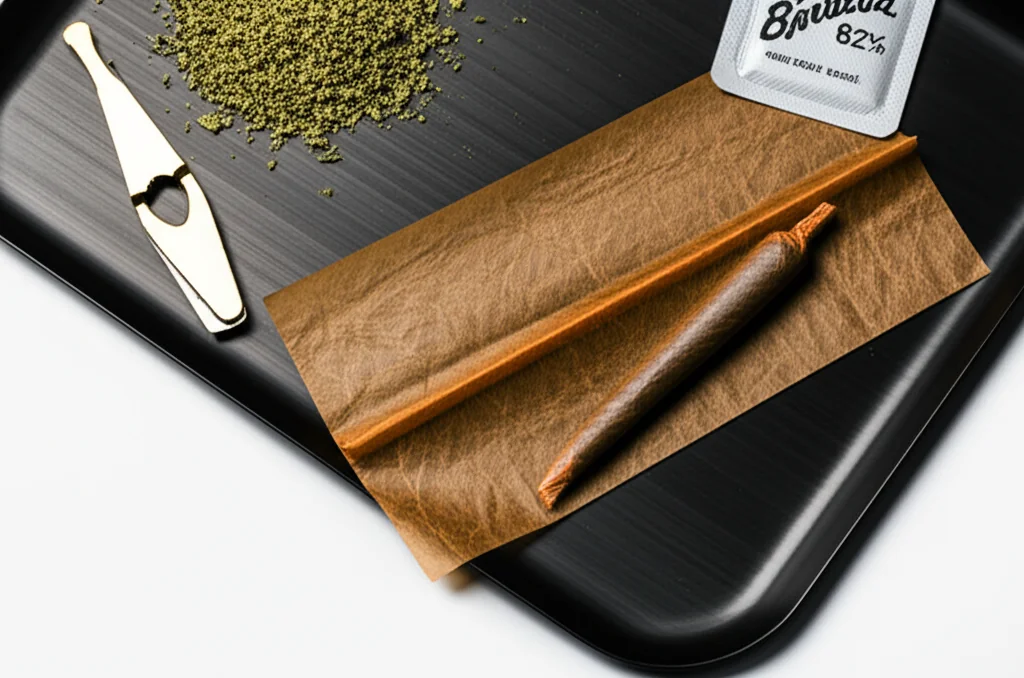
Xì gà Backwoods tạo ra trải nghiệm cùn cháy chậm tuyệt vời với lá thuốc lá tự nhiên. Hướng dẫn cấp chuyên gia này dạy cách mở, chuẩn bị và cuộn lại gỗ - một trong những kỹ thuật cùn khó khăn nhất nhưng bổ ích.
câu trả lời nhanh
Để cuộn một cây gỗ sau: Làm ẩm điếu xì gà, cẩn thận cuộn lá thuốc lá bên ngoài (đi chậm - dễ rách), bỏ đi phần thuốc lá bên trong, thêm 1,5-2,5g cần sa xay, cuộn lá chặt xung quanh cần sa, niêm phong bằng nước bọt (cần nhiều), để khô trong 2-3 phút. Yêu cầu kỹ năng cấp chuyên gia do lá tự nhiên mỏng manh.
Điều gì làm cho Backwoods khác biệt?
Gỗ sau sử dụng:
- Lá thuốc lá nguyên chất tự nhiên (không hoàn nguyên)
- Ngoại hình mộc mạc, chưa qua xử lý
- Hàm lượng nicotine cao hơn (10-13mg)
- Chất liệu dày, cháy chậm
VS thông thường BLUNT:
- Thông thường: thuốc lá hoàn nguyên, đồng phục, dễ dàng hơn
- Cây gỗ sau: lá tự nhiên, không đều, thách thức
Tại sao gỗ sau lại khó cuộn
Thách thức:
- Lá tự nhiên dễ vỡ (xé dễ dàng)
- Độ dày không đều (một số đốm mỏng, một số dày)
- Yêu cầu cân bằng độ ẩm hoàn hảo
- Không có hình dạng đồng nhất để làm việc với
- Các tĩnh mạch trên lá tạo ra điểm yếu
Tỷ lệ thành công cho người mới bắt đầu: 20-30% (rất khó)
Để có máy xay chất lượng để chuẩn bị cần sa của bạn, hãy truy cậpmáy cắt đồm. Đối với thông tin thuốc lá và nicotine,CDC thuốc lácung cấp nguồn lực y tế.
Những gì bạn cần
- Xì gà Backwoods (bất kỳ hương vị)
- Cần sa xay (1,5-2,5g)
- máy nghiền
- Nguồn ẩm (nước, nước bọt, hoặc hơi nước)
- tánh bền chí
- Cảm ứng nhẹ
- Giấy tờ dự phòng (bạn có thể không thành công)
Từng bước: Lăn gỗ
Bước 1: Độ ẩm là rất quan trọng
Trước khi giải phóng:
- liếm toàn bộ điếu xì gà hoặc
- hấp trong 5-10 giây hoặc
- hít thở không khí ẩm ướt trên đó
sự thử: nhẹ nhàng uốn cong - nên uốn cong nhẹ mà không bị nứt
quá khô: sẽ nứt khi mở cuộn
Quá ướt: Rơi và sẽ không bị niêm phong
Bước 2: Cẩn thận bỏ
Tìm đường may:
- Tìm kiếm mép / đường may bên ngoài
- thường chạy theo chiều dọc
Bóc từ từ:
- Bắt đầu ở đường may
- Nhẹ nhàng bóc lá khỏi thuốc lá bên trong
- Đi chậm - nước mắt lá tự nhiên dễ dàng
- Nếu nó chống lại, hãy thêm độ ẩm
tánh bền chí: Bước này có thể mất 1-2 phút. Rush = lá rách = gỗ background không thành công
Bước 3: Xúc xắc xì gà
Loại bỏ thuốc lá bên trong:
- đổ hết thuốc lá
- bạn chỉ còn lại với lớp bọc lá bên ngoài
- Tiết kiệm thuốc lá hoặc loại bỏ (lựa chọn của bạn)
Những gì bạn có bây giờ: Lá thuốc lá to, không đều
Bước 4: Kiểm tra lá
kiểm tra cho:
- Nước mắt hoặc lỗ (vá bằng mảnh giấy nhỏ nếu cần)
- những điểm rất mỏng (hãy nhẹ nhàng ở đó)
- tĩnh mạch dày (có thể gây bỏng không đồng đều)
Làm phẳng nhẹ nhàng: Trải lá ra, làm mịn
Bước 5: Nạp cần sa
Thêm cần sa:
- 1,5-2,5g tùy thuộc vào kích thước gỗ
- phân phối dọc theo lá
- Để rõ các cạnh để niêm phong
hình thể: Hình thành hình trụ dọc theo một cạnh của lá
Bước 6: Cuộn
Kỹ thuật cán:
- Cạnh lá cây cần sa
- lăn về phía trước một cách chắc chắn
- Những cây gỗ sau cần nhiều áp lực hơn giấy tờ
- Nhưng không quá nhiều bạn xé chiếc lá
thế thăng bằng: đủ chắc để chặt chẽ, đủ nhẹ nhàng để không bị rách
Bước 7: Con dấu
Niêm phong rừng cây:
- Liếm đường may một cách hào phóng (cần nhiều nước bọt)
- Lá thuốc lá tự nhiên cần độ ẩm để bám
- Nhấn mạnh và giữ 10 giây
- Có thể cần liếm và nhấn nhiều lần
Thêm nước bọthơn bạn nghĩ - lá thuốc lá không giống như kẹo cao su giấy
Bước 8: Làm khô và đặt
Bước quan trọng:
- Để gỗ backwood ngồi 2-3 phút
- Cho phép niêm phong khô và đặt
- Đừng hút thuốc ngay lập tức hoặc nó bị phá vỡ
không bắt buộc: Nhẹ nhàng chạy ngọn lửa nhẹ hơn dọc theo đường may (không bắt lửa, chỉ ấm) để giúp niêm phong nhanh hơn
Các vấn đề về gỗ thông thường
Vấn đề: Lá xé trong khi mở cuộn
việc tố tụng: quá khô
thuốc nước: Thêm độ ẩm trước khi mở, đi chậm hơn
sự hồi phục: đôi khi có thể vá những giọt nước mắt nhỏ bằnggiấy cuốnmiếng
Vấn đề: Không niêm phong / tiếp tục mở
việc tố tụng: Không đủ nước bọt, thời gian khô gấp
thuốc nước: Liếm nhiều hơn, giữ kín lâu hơn (15-20 giây), để khô hoàn toàn
Vấn đề: bỏng không đều
việc tố tụng: Độ dày của lá không đồng nhất, gân dày
thuốc nước: Xoay khi đang hút thuốc, loại bỏ các tĩnh mạch lớn trước khi lăn
Vấn đề: quá khắc nghiệt
việc tố tụng: hàm lượng nicotine cao trong rừng cây
tính cách: Điều này là bình thường - gỗ sau cung cấp 10-13mg nicotine. Nếu bạn không sử dụng thuốc lá, hãy chờ đợi / buồn nôn
Mẹo gỗ
Mẹo 1: Rừng cây tươi
Gói tươi dễ dàng hơn. Gỗ sau cũ / khô nứt dễ dàng. Kiểm tra ngày tươi.
Mẹo 2: Phương pháp hơi
Giữ lại gỗ trong nước sôi một thời gian ngắn. Độ ẩm hoàn hảo mà không bị ướt.
Mẹo 3: Thực hành với thuốc lá trước
Thực hành mở cuộn và lăn lại chỉ với thuốc lá trước khi lãng phí cần sa.
Mẹo 4: Hương vị quan trọng
Một số hương vị có chất lượng lá tốt hơn. Honey Berry thường được khuyến nghị cho người mới bắt đầu.
Mẹo 5: Chấp nhận thất bại
Ngay cả các chuyên gia cũng thất bại 20-30% số lần thử gỗ backwood. đó là một phần của thách thức.
Backwoods vs các blunts khác
Cân nhắc về sức khỏe
Backwoods chứa:
- Nicotine cao (gây nghiện)
- Thuốc lá (chất gây ung thư)
- lá tự nhiên (nhiều hơn là hoàn nguyên)
Đối với người dùng không phải là thuốc lá: rừng cây sau khi tiếp xúc đáng kể với nicotine
sự lựa chọn: Hemp Blunt Wraps cung cấp trải nghiệm tương tự mà không cần thuốc lá / nicotine
Hướng dẫn này dành cho mục đích giáo dục. Luật cần sa và thuốc lá khác nhau tùy theo thẩm quyền.
Step 1:
Step 2:
Step 3:
Step 4:
Step 5:
Step 6:
Step 7:
Frequently Asked Questions
Gỗ backwood sử dụng lá thuốc lá tự nhiên dày, dễ vỡ khi khô, dễ rách, và đòi hỏi sự cân bằng độ ẩm hoàn hảo. Họ là chuyên gia do những thách thức này.
Related Guides
Rolling Paper Sizes Explained: 1 1/4, King Size, and More
Comprehensive guide about rolling paper sizes explained: 1 1/4, king size, and more. Learn everything you need to know with expert tips and detailed instructions.

Best Rolling Papers for Beginners: Complete Buying Guide 2026
Discover the best rolling papers for beginners including RAW, Zig-Zag, and OCB. Learn about sizes, materials (rice vs hemp vs wood pulp), and which papers are easiest to roll with.
Clear Rolling Papers: Are Cellulose Papers Worth It?
Comprehensive guide about clear rolling papers: are cellulose papers worth it?. Learn everything you need to know with expert tips and detailed instructions.