

Cách Sửa Joint Canoeing: Ngăn Ngừa và Sửa Chữa Đốt Không Đều

Mike Rodriguez
Rolling Expert
Cách Sửa Joint Canoeing: Ngăn Ngừa và Sửa Chữa Đốt Không Đều
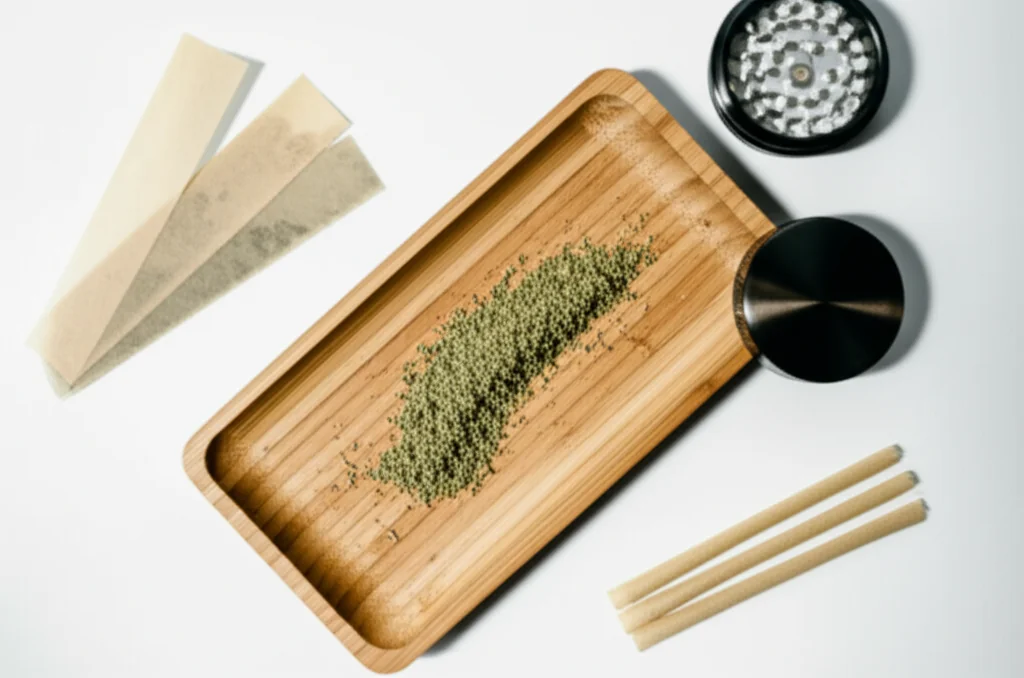
Một joint canoeing (còn gọi là chạy hoặc hầm) cháy không đều ở một bên, lãng phí cannabis và tạo ra những cú hút khắc nghiệt. Hướng dẫn này dạy bạn cách sửa chữa canoeing trong khi hút và ngăn ngừa nó xảy ra ngay từ đầu.
Câu Trả Lời Nhanh
Để sửa joint canoeing: Làm ẩm bên cháy nhanh bằng nước bọt để làm chậm lại, xoay joint thường xuyên trong khi hút, hoặc cẩn thận đốt bỏ giấy thừa ở bên cháy nhanh. Ngăn ngừa canoeing bằng cách phân phối cannabis đều, cuốn chặt suốt quá trình, xay mịn, và tránh gió.
Canoeing là gì?
Canoeing xảy ra khi một bên của joint cháy nhanh hơn bên kia, tạo ra một mẫu đốt không đều trông giống như một chiếc canoe hoặc thuyền.
Hình ảnh:
- Một bên đã cháy xuống đáng kể
- Bên kia vẫn còn giấy/cherry nguyên vẹn
- Tạo ra một "runner" - đường cháy nhanh đi lên một bên
- Trông giống như ai đó đã khắc một chiếc canoe ra khỏi joint của bạn
Kết quả: Lãng phí cannabis, khói khắc nghiệt, sự thất vọng
Ngăn ngừa canoeing với sản phẩm được xay đều bằng một máy xay [chất lượng từ MunchMakers](https://munchmakers.com/product-category/custom-grinders/). Để biết mẹo khắc phục cuốn, Blog Grasscity đề cập đến các vấn đề hút thuốc phổ biến.
Tại sao lại có hiện tượng Canoe trong điếu thuốc
Nguyên nhân #1: Phân bố cần sa không đồng đều (PHỔ BIẾN NHẤT)
Vấn đề:
- Nhiều cần sa ở một bên hơn bên kia
- Khoảng trống hoặc túi khí
- Cục dày ở một số khu vực
Cách nó gây ra hiện tượng canoe:
- Bên dày cháy chậm hơn (nhiều vật liệu hơn)
- Bên thưa cháy nhanh hơn (kháng cự ít hơn)
- Tạo ra sự cháy không đều
Nguyên nhân #2: Độ chặt không đồng nhất khi cuốn
Vấn đề:
- Cuốn chặt hơn ở một bên
- Các điểm lỏng lẻo trong điếu thuốc
- Áp lực không đều trong quá trình cuốn
Cách nó gây ra hiện tượng canoe:
- Các khu vực lỏng lẻo nhận được nhiều oxy hơn
- Nhiều oxy = cháy nhanh hơn
- Các khu vực chặt cháy chậm hơn
Nguyên nhân #3: Mất cân bằng độ ẩm
Vấn đề:
- Nước bọt ở một bên do niêm phong
- Cần sa ẩm ở một bên
- Cần sa khô không đều
Cách nó gây ra hiện tượng canoe:
- Bên ướt cháy chậm hơn
- Bên khô cháy nhanh hơn
- Tạo ra hiện tượng chạy ở bên khô
Nguyên nhân #4: Cành và Mảnh
Vấn đề:
- Mảnh lớn hoặc cành trong bột
- Kích thước bột không đồng nhất
- Mảnh tạo ra khoảng trống
Cách nó gây ra hiện tượng canoe:
- Cành không cháy tốt
- Mảnh tạo ra các kênh không khí
- Mật độ vật liệu không đồng đều
Nguyên nhân #5: Gió và Luồng Không Khí
Vấn đề:
- Hút thuốc ngoài trời có gió
- Quạt thổi vào điếu thuốc
- Tiếp xúc không khí không đồng đều
Cách nó gây ra hiện tượng canoeing:
- Bên hướng gió nhận nhiều oxy hơn
- Cháy nhanh hơn
- Tạo ra hiện tượng canoe kéo dài
Cách khắc phục ngay lập tức (Trong khi hút thuốc)
Cách khắc phục #1: Làm ẩm bằng nước bọt
Khi nào sử dụng: Canoe ở giai đoạn đầu (mới bắt đầu)
Cách:
1. Liếm ngón tay của bạn
2. Làm ẩm bên cháy nhanh (bên chạy)
3. Điều này tạm thời làm chậm bên đó
4. Bên kia bắt kịp
Mẹo chuyên nghiệp: Đừng làm ướt quá nhiều hoặc điếu thuốc sẽ bị nhão
Cách khắc phục #2: Xoay và Hút
Khi nào sử dụng: Ngăn ngừa canoe hoặc canoe nhẹ
Cách:
1. Hút một hơi
2. Xoay điếu thuốc 90-180 độ
3. Hút hơi tiếp theo từ vị trí đã xoay
4. Tiếp tục xoay mỗi 2-3 hơi
Tại sao nó hiệu quả: Tiếp xúc không khí đồng đều ở tất cả các bên
Cách khắc phục #3: Đốt phần chạy
Khi nào sử dụng: Canoeing nghiêm trọng (một bên đi trước rất nhiều)
Cách:
1. Cẩn thận đốt CHỈ giấy ở bên cháy nhanh
2. Đốt nó lại để phù hợp với bên chậm
3. Đừng đốt cần sa
4. Thổi ra khi đã đều
Cảnh báo: Kỹ thuật nâng cao, dễ bị bỏng hoặc lãng phí cần sa
Cách khắc phục #4: Tạo tro chiến lược
Khi nào sử dụng: Cần sa cháy nhẹ với tro dài
Cách làm:
1. Đốt phần cháy nhanh trước
2. Để phần cháy chậm thêm 1-2 hơi nữa
3. Sau đó, tạo tro cho phần đó
4. Tạo hiệu ứng đồng đều
Phòng ngừa: Kỹ thuật cuốn
Phòng ngừa #1: Phân phối đồng đều
Bước quan trọng trong việc ngăn ngừa hiện tượng canoe:
1. Xay mịn và đồng nhất - không có cục, không có thân
2. Phân phối đều dọc theo toàn bộ chiều dài giấy
3. Gõ và lắc điếu thuốc đã tạo hình để định hình cần sa
4. Kiểm tra hình ảnh - nên có độ đồng nhất
Kiểm tra: Trước khi niêm phong, nhìn vào điếu thuốc từ bên cạnh - cần sa nên ở mức độ đều, không bị lệch
Phòng ngừa #2: Độ chặt đồng nhất
Cách cuốn chặt đều:
1. Sử dụng cả hai tay với áp lực đều
2. Cuốn từ bộ lọc đến đầu duy trì áp lực giống nhau
3. Không siết chặt một đầu quá mức và siết lỏng đầu kia
4. Kiểm tra độ vẽ trước khi niêm phong - nên có độ kháng đồng nhất
So sánh: Nên cảm thấy như một hình trụ chắc chắn liên tục, không phải kiểu chặt-lỏng-chặt
Phòng ngừa #3: Xay chất lượng
Kỹ thuật xay:
- Xay trong 10-15 giây (không phải 3-5)
- Xoay máy xay nhiều lần
- Kiểm tra độ đồng nhất - nên xốp, không phải vụn
- Gỡ bỏ cuống trước khi xay
Phương pháp bẻ tay thay thế:
- Bẻ thành rất nhỏ
- Gỡ bỏ tất cả cuống
- Tốn thời gian hơn nhưng hiệu quả
Phòng ngừa #4: Đóng gói đúng cách
Sau khi cuốn nhưng trước khi hút:
1. Đóng gói từ đầu nhẹ nhàng
2. Gõ điếu thuốc lên bàn để ổn định cần sa
3. Đóng gói lại nếu cần
4. Mục tiêu: Độ chắc chắn, mật độ đồng đều xuyên suốt
Không: Đóng gói quá nhiều (hạn chế luồng không khí, gây ra vấn đề)
Phòng ngừa #5: Môi trường kiểm soát
Điều kiện hút lý tưởng:
- Trong nhà hoặc khu vực ngoài trời yên tĩnh
- Không có gió hoặc quạt
- Xoay điếu thuốc một cách tự nhiên khi hút
- Không luôn giữ theo cùng một cách
Tránh:
- Những ngày có gió (đảm bảo sẽ bị lật thuyền)
- Luồng không khí từ quạt trực tiếp
- Giữ điếu thuốc ở cùng một vị trí suốt thời gian
Phương pháp Ngăn Ngừa Canoe Nâng Cao
Phương pháp Quay Một Phần Tư
Trong khi hút:
- Sau mỗi lần hút, xoay điếu thuốc 90 độ
- Tạo ra sự tiếp xúc cháy đều
- Trở thành thói quen với thực hành
Tại sao nó hiệu quả: Không có mặt nào duy trì hướng gió hoặc chiếm ưu thế
Kiểm Tra Trước Khi Đốt
Trước khi đốt:
1. Cầm để đốt - kiểm tra các điểm dày (vùng tối hơn)
2. Cảm nhận các cục - phân phối lại nếu phát hiện
3. Kiểm tra kéo - nên có độ kháng đồng nhất
4. Quét hình ảnh - nên đối xứng
Nếu bạn phát hiện vấn đề: Tháo ra và cuốn lại. Tốt hơn là bị canoe.
Lựa Chọn Giấy Quan Trọng
Giấy ít có khả năng bị canoe:
- Giấy gạo mỏng (Elements, OCB)
- Hemp chất lượng cao (RAW Black)
- Thương hiệu cháy đều
Giấy có khả năng bị canoe nhiều hơn:
- Giấy bột gỗ dày
- Thương hiệu rẻ tiền không đồng nhất
- Giấy có hương vị (lớp phủ không đều)
Các Tình Huống Canoeing Thường Gặp
Tình huống: "Luôn bị canoe ở cùng một bên"
Chẩn đoán: Bạn đang giữ nó theo cùng một cách mỗi lần
Giải pháp: Có ý thức xoay trong khi hút, thay đổi tay nào giữ điếu thuốc
Tình huống: "Canoe ở đầu bộ lọc"
Chẩn đoán: Chặt ở đầu, lỏng ở bộ lọc HOẶC độ ẩm từ miệng
Giải pháp:
- Cuộn đầu bộ lọc chặt hơn
- Đừng liếm quá nhiều khi niêm phong khu vực bộ lọc
- Hút nhẹ nhàng hơn (ít độ ẩm từ miệng)
Tình huống: "Canoe ở giữa"
Chẩn đoán: Túi khí hoặc điểm lỏng ở giữa
Giải pháp:
- Đóng gói cẩn thận hơn
- Gõ vào khớp trước khi hút để ổn định giữa
- Khi cuộn, chú ý đến phần giữa
Tình huống: "Canoe bên ngoài trong gió"
Chẩn đoán: Bị gió tác động
Giải pháp:
- Dùng tay che khớp để chặn gió
- Quay mặt ra khỏi gió
- Tìm chỗ trú ẩn
- Xoay THƯỜNG xuyên hơn
Canoeing có nguy hiểm không?
Không, canoeing chỉ gây khó chịu, không gây hại.
Những mối quan tâm của mọi người:
- "Tôi có đang lãng phí cần sa không?" - CÓ, đáng kể
- "Có phải nó khắc nghiệt hơn không?" - CÓ, cháy không đều = cú đánh khắc nghiệt
- "Có phải điều đó có nghĩa là tôi không thể cuộn không?" - Không nhất thiết, có thể chỉ là điều kiện
Vấn đề thực sự: Cần sa bị lãng phí và trải nghiệm hút kém, không phải an toàn
Canoeing so với Chạy so với Đường hầm
Canoeing: Cháy bên (thuật ngữ phổ biến nhất)
Chạy: Giống như canoeing
Đường hầm: Trung tâm cháy nhanh hơn bên ngoài (vấn đề khác)
Hướng dẫn này bao gồm: Canoeing và chạy (cùng một thứ)
Khi nào nên cuốn lại
Nếu điếu thuốc của bạn bị canoe nghiêm trọng trong vài hơi đầu tiên:
Dấu hiệu để cuốn lại:
- Canoe trong 25% đầu tiên của điếu thuốc
- Cháy không đều nghiêm trọng (hơn 1cm chênh lệch)
- Không thể sửa bằng cách làm ẩm/xoay
- Lãng phí quá nhiều cần sa
Cách cứu vãn:
1. Cẩn thận mở cuốn điếu thuốc còn lại
2. Lưu lại cần sa
3. Cuốn lại đúng cách
4. Tốt hơn là hút điếu thuốc cuốn kém
Đừng cứng đầu: Đôi khi cuốn lại là lựa chọn thông minh
Bài tập thực hành: Kiểm tra cháy hoàn hảo
Kiểm tra sự cải thiện trong việc cuốn của bạn:
1. Cuốn một điếu thuốc cẩn thận với tất cả các kỹ thuật phòng ngừa
2. Hút trong môi trường kiểm soát (trong nhà, không có gió)
3. KHÔNG xoay một cách cố ý - để nó cháy tự nhiên
4. Xem nó có canoe không
Kết quả:
- Không có canoe: Kỹ thuật cuốn của bạn rất tốt
- Canoe nhẹ: Cần cải thiện nhưng chấp nhận được
- Canoe nghiêm trọng: Thực hành các bước phòng ngừa nhiều hơn
Mục tiêu: Cháy tự nhiên không có canoe, không cần xoay
Mẹo chuyên nghiệp
Mẹo #1: Hầu hết "canoeing" thực ra chỉ là phân phối không đều trong quá trình cuốn. Sửa 90% canoe bằng cách phân phối tốt hơn.
Mẹo #2: Xoay trong khi hút nên trở thành THÓI QUEN. Ngay cả những điếu thuốc hoàn hảo cũng được lợi từ việc xoay.
Mẹo #3: Chất lượng xay quan trọng HƠN bạn nghĩ. Hãy dành thời gian cho việc xay đều.
Mẹo #4: Nếu điếu thuốc luôn bị cong về một bên, bạn có thiên lệch khi cuốn. Hãy cố gắng điều chỉnh một cách có ý thức.
Mẹo #5: Giấy gạo ít bị cong hơn giấy bột gỗ (cháy chậm hơn, đều hơn).
Hướng dẫn này chỉ mang tính chất giáo dục. Luật về cần sa khác nhau tùy theo khu vực.
Step 1:
Step 2:
Step 3:
Step 4:
Step 5:
Step 6:
Frequently Asked Questions
Joints canoe do phân phối cannabis không đều, cuốn lỏng, có thân/cục trong bột, gió thổi vào một bên, hoặc mất cân bằng độ ẩm. Sửa chữa bằng cách phân phối đều, cuốn chặt hơn, xay mịn hơn, và hút trong điều kiện yên tĩnh.
Có - làm ẩm bên cháy nhanh bằng nước bọt, xoay joint thường xuyên trong khi hút, hoặc cẩn thận đốt bỏ giấy thừa ở bên cháy nhanh bằng bật lửa.
Canoeing không nguy hiểm, chỉ lãng phí và gây khó chịu. Nó lãng phí cannabis, tạo ra những cú hút khắc nghiệt, và làm cho joint khó hút hơn. Đây là vấn đề kỹ thuật cuốn, không phải là mối quan tâm về sức khỏe.
Related Guides
Rolling Paper Sizes Explained: 1 1/4, King Size, and More
Comprehensive guide about rolling paper sizes explained: 1 1/4, king size, and more. Learn everything you need to know with expert tips and detailed instructions.

Best Rolling Papers for Beginners: Complete Buying Guide 2026
Discover the best rolling papers for beginners including RAW, Zig-Zag, and OCB. Learn about sizes, materials (rice vs hemp vs wood pulp), and which papers are easiest to roll with.
Clear Rolling Papers: Are Cellulose Papers Worth It?
Comprehensive guide about clear rolling papers: are cellulose papers worth it?. Learn everything you need to know with expert tips and detailed instructions.