
Rosin Presleme Rehberi: Evde Solventsiz Konsantreler Nasıl Yapılır

David Martinez
Concentrate Expert
Rosin Presleme Rehberi: Evde Solventsiz Konsantreler Nasıl Yapılır
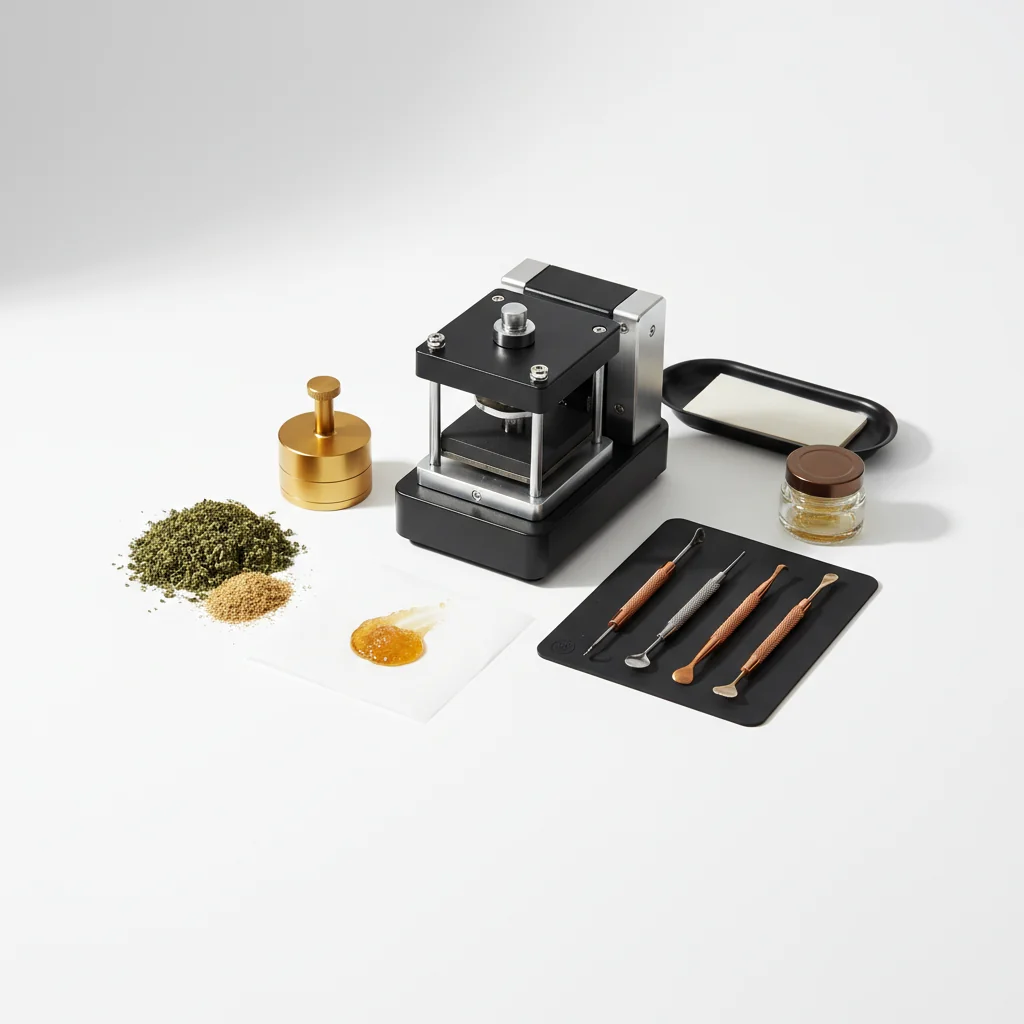
Rosin, herhangi bir solvent olmadan, sadece ısı ve basınçla yapılan en saf cannabis konsantrelerinden biridir. Profesyonel ekipman ve potansiyel olarak tehlikeli kimyasallar gerektiren BHO veya CO2 ekstraktlarının aksine, rosin evde güvenle bir rosin presi ile yapılabilir. Bu rehber, ekipman seçmekten tekniğinizi mükemmelleştirmeye kadar rosin presleme ile ilgili bilmeniz gereken her şeyi kapsar.
Hızlı Cevap
Rosin, cannabis çiçeğine, hash'e veya kief'e ısı ve basınç uygulayarak yapılan bir solventsiz cannabis konsantresidir. Bir rosin presi, trichome açısından zengin yağı sıkıştırmak için ısıtılmış plakalar kullanarak saf, terpen açısından zengin bir ekstrakt üretir. Çiçek için en iyi sıcaklık ayarları 180-220°F (82-104°C) olup, 90-120 saniye presleme süresi gerektirir. Kaliteli rosin verimleri, başlangıç malzemesine bağlı olarak %15-25 arasında değişir.
İçindekiler
- Rosin Nedir?
- Rosin Presi Türleri
- Bir Pres Seçmek
- Rosin Presleme Temelleri
- Sıcaklık ve Basınç Ayarları
- En İyi Başlangıç Malzemesi
- Adım Adım Presleme Rehberi
- Verim Artırma
- Profesyonel İpuçları
- SSS
Rosin Nedir?
Rosin, ısı ve basınç ile ekstraksiyon yoluyla oluşturulan bir solventsiz cannabis konsantresidir. BHO (butan hash yağı) veya CO2 ekstraktlarının aksine, rosin kimyasal solventler gerektirmez—bu da onu mevcut en temiz konsantrelerden biri yapar.
Rosin Neden Özel?
Saf ve temiz: Asla kalıntı solvent yok. İçeri giren dışarı çıkar.
Tam spektrum: Doğru sıcaklıklarda preslendiğinde terpenleri ve küçük kannabinoidleri korur.
DIY dostu: Diğer konsantrelerin aksine, rosin evde güvenle yapılabilir.
Anında kullanım: Hiçbir arındırma veya son işlem gerektirmez—presle ve dab yap.
Rosin ve Diğer Konsantreler
Rosin Türleri
Çiçek rosin: Cannabis tomurcuklarından doğrudan preslenmiştir. Evde pres yapanlar için en erişilebilir olanıdır.
Hash rosin: Bubble hash veya kuru sift'ten preslenmiştir. Daha yüksek kalite, daha temiz sonuçlar.
Canlı rosin: Taze dondurulmuş hash'ten preslenmiştir. Premium ürün, maksimum terpen.
Rosin Pres Türleri
Saç Düzleştirici Yöntemi
Yeni başlayanların yaklaşımı:
- Yüksek kaliteli düzleştirici kullanın
- Manuel basınç
- Çok küçük verimler
- Kavramı test etmek için iyi
Sınırlamalar: Tutarsız sıcaklık, sınırlı basınç, küçük verimler
Manuel/El Kolu Presleri
Giriş seviyesi özel presler:
- Basınç için kol veya döner mekanizma
- Saç düzleştiricilerden daha iyi sıcaklık kontrolü
- Uygun fiyatlı (200-500 $)
- Daha tutarlı sonuçlar
En iyi kullanım için: Günlük ev kullanımı, küçük partiler
Pnömatik Presler
Orta seviye profesyonel kalite:
- Hava ile çalışan basınç
- Tutarlı, ayarlanabilir kuvvet
- Daha sessiz çalışma
- 500-2000 $ aralığı
En iyi kullanım için: Ciddi hobi sahipleri, küçük ticari kullanım
Hidrolik Presler
Premium ekstraksiyon:
- Maksimum basınç kapasitesi
- Profesyonel düzeyde sonuçlar
- 1000-5000 $+
- Dükkan presi dönüşümleri mümkün
En iyi kullanım için: Yüksek hacimli, profesyonel kullanım
Plaka Boyutu Dikkate Alınması
Bir Pres Seçmek
Bütçe Düşünceleri
Giriş seviyesi ($200-400):
- Kişisel kullanım için uygun
- 2-3 ton basınç
- Daha küçük plakalar
- Manuel çalışma
Orta seviye ($400-1000):
- Daha iyi sıcaklık kontrolü
- 4-10 ton basınç
- Pnömatik seçenekler mevcut
- Daha tutarlı sonuçlar
Premium ($1000+):
- Profesyonel kalite
- Maksimum basınç seçenekleri
- Dijital kontroller
- Daha büyük parti kapasitesi
Dikkat Edilmesi Gereken Ana Özellikler
1. Eşit ısıtma: Her iki plaka da eşit şekilde ısınmalıdır
2. Sıcaklık kontrolü: Dijital ekran, hassas sensörler
3. Basınç kapasitesi: Çiçek presleme için minimum 4 ton
4. Plaka malzemesi: Gıda sınıfı alüminyum veya paslanmaz çelik
5. Yapı kalitesi: Dayanıklı çerçeve, güvenilir bileşenler
Popüler Basın Markaları
- Dabpress
- Rosineer
- Nugsmasher
- Pure Pressure
- Sasquash
Rosin Presleme Temelleri
Bilim
Rosin, kanabis malzemesini ısıtarak trikomların (kanabinoid ve terpen içeren) basınç altında akacak kadar sıvı hale gelmesini sağlar. Amaç şudur:
- Trikom başlarını eritmek
- Yağı bitki materyalinden sıkıştırmak
- Pahalı kağıda toplamak
Kaliteyi Etkileyen Faktörler
Başlangıç malzemesi: Çöp içeriği, çöp çıkar. Kaliteli çiçek veya hash, kaliteli rosin üretir.
Sıcaklık: Daha yüksek sıcaklık = daha fazla verim ama daha az tat. Daha düşük sıcaklık = daha az verim ama daha fazla terpen.
Basınç: Çantaları patlatmadan veya bitki materyalini ezmeden tutarlı, eşit basınç.
Zaman: Çok kısa, yağı geride bırakır; çok uzun, kaliteyi bozar.
Sıcaklık ve Basınç Ayarları
Sıcaklık Kılavuzları
Düşük ve yavaş (160-190°F / 71-88°C):
- Maksimum terpen koruma
- Daha düşük verimler (10-15%)
- Daha açık renk, budder kıvamı
- En iyi: Premium hash rosin
Orta (190-220°F / 88-104°C):
- Dengeli tat ve verim
- Orta verimler (15-22%)
- İyi terpen tutma
- En iyi: Çoğu çiçek presleme için
Sıcak ve hızlı (220-250°F / 104-121°C):
- Maksimum verim (20-25%+)
- Daha bozulmuş terpenler
- Daha koyu renk, daha stabil
- En iyi: Eski malzeme, maksimum ekstraksiyon
Basınç Kılavuzları
Çiçek: Torbada 500-1500 PSI
Hash/Kief: 300-800 PSI (daha az, daha çoktur)
Bubble hash: Çok nazik basınç
Zaman Kılavuzları
En İyi Başlangıç Malzemesi
Çiçek Gereksinimleri
Neye dikkat edilmeli:
- Taze, düzgün bir şekilde kurutulmuş (62% nem)
- Görünür trikomlar
- Yoğun, reçineli tomurcuklar
- Maya veya kontaminasyon yok
İdeal özellikler:
- Zirve olgunlukta hasat edildi
- 2-4 hafta kürlenmiş
- Doğru şekilde saklanmış
- Yüksek reçineli türler
Rosin için en iyi türler (yüksek reçineli):
- Gorilla Glue
- Papaya
- Chem çeşitleri
- Rosin'e özel kültivarlar
Hash Gereksinimleri
Bubble hash:
- Tam eriyen (5-6 yıldız) en iyi sonuçları verir
- 73-120 mikron genellikle en iyisidir
- Doğru şekilde kurutulmuş ve kürlenmiş
- Kontaminasyondan arındırılmış
Kuru elenmiş:
- Sadece yüksek kaliteli
- Minimum bitki kontaminasyonu
- Doğru şekilde yaşlandırılmış
Nem İçeriği Önemlidir
Çok kuru: Kötü akış, düşük verim, açık renk
Çok ıslak: Kızaran, kontamine yağ, koyu renk
Tam kararında: ~%55-62 RH, temiz akış, iyi verim
Kuru malzemeyi preslemeden önce 24-48 saat nem paketi ile nemlendirin.
Adım Adım Presleme Rehberi
Gerekli Ekipman
- Rosin presi
- Pahalı kağıt (beyazlatılmamış, gıda sınıfı)
- Rosin torbaları (isteğe bağlı ama çiçek için önerilir)
- Toplama aracı
- Ön baskı kalıbı (isteğe bağlı)
- Zamanlayıcı
- Eldivenler
Çiçek Rosin Presleme
Adım 1: Malzemeyi Hazırlayın
- 3-7g düzgün bir şekilde kürlenmiş çiçekle başlayın
- Küçük parçalara ayırın (öğütmeyin)
- Rosin torbasına yükleyin (çiçek için 90-120 mikron)
- Kalıp kullanıyorsanız düz bir disk haline getirin
Adım 2: Presi Kurun
- Pahalı kağıdı boyutuna kesin (tablalardan daha büyük)
- Pahalı kağıdı katlayın, torbayı ortasına yerleştirin
- Sıcaklığı ayarlayın (200°F'den başlayın)
- Tablaların stabilize olmasını bekleyin
Adım 3: Presleyin
- Pahalı kağıdı/torbayı tablalara yerleştirin
- Başlangıçta hafif bir basınç uygulayın (30-45 saniye ısınma)
- Yavaşça tam basınca artırın
- Yağ akışını kenarlara dikkatle izleyin
- Toplam pres süresi: 90-120 saniye
Adım 4: Toplayın
- Pahalı kağıdı hemen çıkarın
- Biraz soğumasını bekleyin (30 saniye)
- Rosin toplamak için toplama aracını kullanın
- Taze pahalı kağıtta serin bir yerde saklayın
Hash Rosin Presleme
Ana farklar:
- 25-37 mikron torbalar kullanın
- Daha düşük sıcaklık (160-190°F)
- Çok daha az basınç
- Daha kısa pres süresi
- Daha değerli malzeme—dikkatli olun!
Verimi Maksimize Etme
Ön Pres İpuçları
- Nem çok önemlidir: çiçek için %55-62 RH
- Ön pres kalıpları: Eşit ekstraksiyon için uniform diskler oluşturun
- Torba seçimi: Mikron boyutunu malzemeye eşleştir
- Sıcaklık stabilizasyonu: Tutarlı ısı için bekle
Baskı sırasında
- Aşamalı basınç: Ezme—yavaşça artır
- Akışı izle: Akış önemli ölçüde yavaşladığında dur
- Plaka yerleştirme: Malzemeyi plakaların ortasına yerleştir
- Tutarlı partiler: Tahmin edilebilirlik için aynı boyut/ağırlık
Baskı sonrası
- Hızla topla: Sıcak rosin daha kolay toplanır
- Malzemeyi yeniden bas: Daha yüksek sıcaklıkta "ikinci baskı" bazı yağı geri kazanır
- Doğru depolama: Serin, karanlık, hava geçirmez
Beklenen Verimler
Çiçek rosin: %15-25 verim iyidir
Hash rosin: Kaliteli hash'ten %60-85 verim
Kief rosin: %40-60 verim tipiktir
Verimler, başlangıç malzemesinin kalitesine büyük ölçüde bağlıdır
Profesyonel İpuçları
1. Taze, reçineli malzeme baskı kalitesinden daha önemlidir
2. Daha düşük sıcaklık = daha fazla terpen, verim düşse bile
3. Ön baskı kalıpları tutarlılığı önemli ölçüde artırır
4. Şişe teknolojisi (yönlü katlama) akış desenlerini iyileştirir
5. Tabakaların stabilize olmasına izin verin baskı yapmadan önce 5-10 dakika bekleyin
6. Nem paketleri aşırı kuru malzemeyi kurtarabilir
7. Kayıt tutun her tür için sıcaklık/zaman/ürün miktarı
8. +20°F'de ikinci baskı ekstra yağ geri kazanır
9. Soğuk kür rosin daha iyi doku için kapalı bir kavanozda
10. Kaliteli torbalar buna değer—ucuz torbalar patlar
SSS
Bir ons çiçekten ne kadar rosin yapabilirim?
Kaliteli malzeme ve iyi teknikle, bir ons (14-25% verim) çiçek rosininden 4-7 gram bekleyin. Hash rosin, daha az malzemeden çok daha yüksek yüzdeler verir.
Rosin torbalarına ihtiyacım var mı?
Çiçek baskısı için evet—torbalar bitki materyalini filtreler. Hash baskısı için torbalar gereklidir. Torbasız baskı yapabilirsiniz ama rosin bitki kontaminasyonu içerecektir.
Rosin için en iyi sıcaklık nedir?
Çoğu çiçek için: 190-210°F (88-99°C) verim ve kaliteyi dengeler. Hash daha soğuk, 160-190°F'de basılmalıdır. Tercihinizi bulmak için denemeler yapın.
Rosinim neden koyu?
Koyu rosin, yüksek baskı sıcaklığı, eski/bozulmuş malzeme, fazla basınç veya nem sorunlarından kaynaklanabilir. Daha düşük sıcaklıklar ve daha taze malzeme daha açık rosin üretir.
Rosin'i normal mum gibi içebilir miyim?
Evet! Rosin, diğer konsantreler gibi tüketilir—bir rig üzerinde dablenerek, bir buharlaştırıcıda kullanılarak veya çiçeğe eklenerek. Baskı yapıldıktan hemen sonra kullanıma hazırdır.
Saç düzleştirici ile baskı denemeye değer mi?
Bir konsept kanıtı olarak, evet. Düzenli kullanım için, hayır. Saç düzleştiricileri basınç kontrolü ve tutarlı sıcaklıklar sunmaz. Doğru bir pres, düzenli baskı yapanlar için değerli bir yatırımdır.
Rosin ne kadar süre dayanır?
Doğru şekilde saklandığında (serin, karanlık, hava geçirmez), rosin 6-12 ay dayanır. Zamanla dokusu değişebilir (budder haline gelebilir veya daha stabil hale gelebilir) ama kullanılabilir kalır.
Neden hiçbir şey çıkmıyor?
Yaygın nedenler: malzeme çok kuru, sıcaklık çok düşük, yeterince basınç yok, düşük kaliteli başlangıç malzemesi veya torbalar çok sıkı. Değişkenleri birer birer ayarlayın.
Sonuç
Rosin baskısı, evde cannabis konsantreleri oluşturmanın en ödüllendirici yollarından biridir. Solvent olmadan ve nispeten basit ekipmanla, ticari ürünlerle rekabet eden temiz, güçlü, terpen zengini konsantreler üretebilirsiniz.
Başarı, kaliteli başlangıç malzemesinden, doğru sıcaklık ve basınç ayarlarından ve detaya dikkat edilmesinden gelir. İyi bir çiçekle başlayın, tekniğinizi geliştirin ve işe yarayanları kaydedin. Pratikle, kendi evinizde dispensary kalitesinde rosin elde edeceksiniz.
Konsantreler hakkında daha fazla bilgi için, kannabis konsantreleri türleri rehberimizi keşfedin veya dab nasıl alınır öğrenin ve taze sıkılmış rosin'inizin tadını çıkarın.
Frequently Asked Questions
Kaliteli malzeme ve teknikle, bir ons'tan 4-7 gram çiçek rosin bekleyin (14-25% verim). Hash rosin çok daha yüksek yüzdeler verir.
Related Guides
Bubble Hash: How to Make Ice Water Hash at Home
Complete guide to making bubble hash at home: equipment needed, choosing starting material, the full extraction process, grading hash quality, proper drying, and how to use bubble hash.
Carb Cap Types: Directional, Bubble, and Spinner Caps
Comprehensive guide about carb cap types: directional, bubble, and spinner caps. Learn everything you need to know with expert tips and detailed instructions.

Carb Caps Explained: Types, Uses, and Why You Need One
Complete guide to carb caps for dabbing. Learn how carb caps work, different types (directional, bubble, spinner), and why they're essential for low-temp dabs.