

Çapraz eklem nasıl yuvarlanır: İkonik ot haçı için eksiksiz öğretici

Mike Rodriguez
Rolling Expert
Çapraz eklem nasıl yuvarlanır: İkonik ot haçı için eksiksiz öğretici
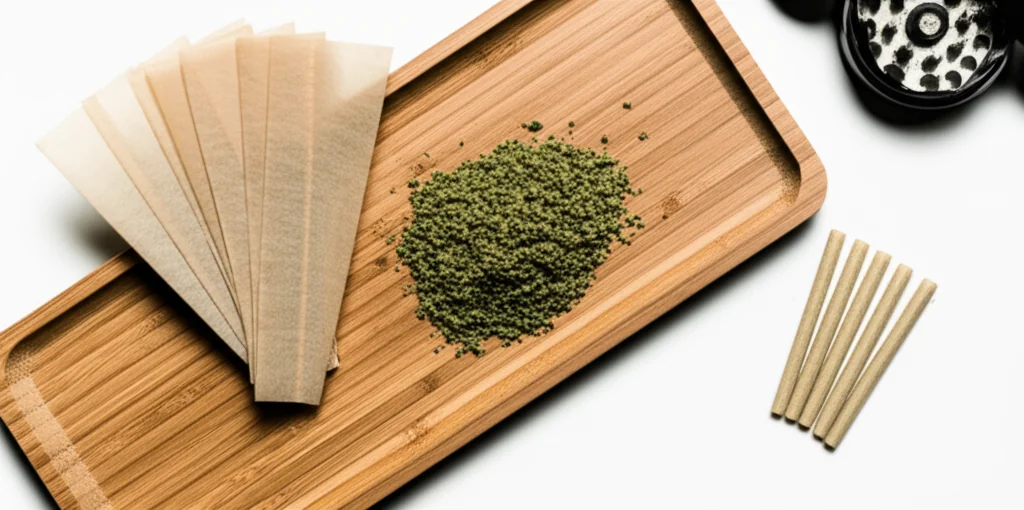
Çapraz eklem (şöhreananas ekspres) yuvarlanma tekniklerinin baş tacıdır - aynı anda üç noktadan yanan 90 derecede kesişen iki eklem. Bu uzmanlık düzeyi teknik zorlu ama inanılmaz derecede etkileyici.
hızlı cevap
Bir çapraz eklemi yuvarlamak için: Bir kalın ana eklem ve bir tane daha ince çapraz eklemi yuvarlayın, kalın eklemin ortasından bir delik açın, delikten ince bir eklemi girin, bir çapraz şekil oluşturun, kesişimi ıslak haddeleme kağıt parçalarıyla kapatın, üç uçtan hava akışını test edin, üçünü de aynı anda yakın. 1.5-2g toplam esrar ve uzman yuvarlanma becerileri gerektirir.
Çapraz eklem nedir?
Yapı:
- Bir kalın "ana" eklem (dikey)
- İnce bir "çapraz" eklem (yatay)
- 90 derecelik açıyla kesişir
- Üç ucu da aynı anda yanar
ünlü: Ananas Ekspres Filmi (Seth Rogen ve James Franco)
zorluk: Uzman düzeyinde - sağlam yuvarlanma temelleri gerektirir
Çapraz ortak malzemeler için kontrol edinözel [ rulo kâğıtlarMunchmakers'tan](https://munchmakers.com/product-category/custom-rolling-papers/). Gelişmiş haddeleme eğitimleri için,IMDb'de Ananas EkspresiBu ikonik tekniği ünlü yaptı.
Neden bir çapraz eklemi yuvarlanır?
Nedenler:
- Nihai gösterişli teknik
- Etkileyici görsel çekicilik
- Eşsiz sigara içme deneyimi (üç kiraz)
- Mühendislik Mücade
- Özel Günler/Kutlamalar
pratik değil: Çapraz eklemler savurgan, zor ve pratik değildir. Eğlence ve gösteri içindir, verimlilik için değil.
şart
Denemeden önce şunları yapabilmeniz gerekir:
- Normal eklemleri mükemmel şekilde yuvarlayın (%90+ başarı oranı)
- Rulo koni eklemleri
- Eklemleri sıkı ve eşit bir şekilde paketleyin
- Haddeleme kağıtlarıyla hassas bir şekilde çalışın
eğer yapamazsan: Asgari bir ay boyunca düzenli eklemler uygulayın. Çapraz eklemler sizi hayal kırıklığına uğratacak ve esrarı israf edecek.
Gerekli Malzemeler
- Kral boy haddeleme kağıtları (2-3 kağıt)
- Normal 1¼ kağıt (2 kağıt)
- Filtreler/Koltuklar (2)
- Öğütülmüş esrar (toplam 1.5-2g)
- ataş veya poker aracı
- Yamalar için ekstra haddeleme kağıdı
- sabır
Adım adım: çapraz eklemi yuvarlama
Adım 1: İki ayrı eklemi yuvarlayın
Ana eklem (dikey):
- Kral boyutunda kağıt kullan
- Kalın ve sağlam rulo yapın
- 1-1.5g esrar paketi
- şişmanlatır - yapısal bütünlüğe ihtiyaç duyar
Çapraz eklem (yatay):
- 1¼ kağıt kullan
- Anadan daha ince rulo
- 0.5-0.75g'yi paketleyin
- Ana eklem deliğinden geçmeli
Her ikisi de şu olmalıdır:
- sıkıca paketlenmiş
- eşit olarak dağıtılmış
- tamamen mühürlü
- Yumuşak noktalar yok
2. Adım: Merkez noktasını bulun
Kalın ana eklemde:
- tam merkezi bulmak için ölçün
- Parmakla hafifçe işaretleyin
- çapraz eklemin kesişeceği yer burası
kritik: Merkez noktası = her iki tarafta da yanma
Adım 3: Deliği Pozlayın
ataş veya poker kullanarak:
1. işaretli merkez noktasına yerleştirin
2 .Diğer tarafa doğru itin
3. Deliği hafifçe genişletmek için kıpır kıpır
4. Çapraz eklem çapından sadece daha geniş olmalıdır
dikkatli olmak: Eklemi parçalara ayırmayın, sadece temiz delik oluşturun
Adım 4: Çapraz eklemi takın
İnce eklemi delikten dikkatlice kaydırın:
- yavaşça it
- rahat olmalı ama zorlanmamalı
- Her iki tarafta eşit uzunluk
- Ana bağlantıya 90 derecelik açı
çek: Çapraz her iki tarafta eşit olarak dışarı çıkmalıdır
Adım 5: Kavşağı Mühürleyin
bu kritik- Hava sızıntısını önler:
1. Küçük haddeleme kağıdını yırtın (parmak nakli boyutunda)
2 Yapışkan yapmak için onları iyice yalayın
3. Eklemlerin buluştuğu kavşağı etrafına sarın
4. Ana ve çapraz derzler arasındaki tüm boşlukları kapatın
5. Mühürlemek için sıkıca bastırın
3-4 kağıt parçası kullanınFarklı açılardan sarma
Adım 6: Hava akışını test edin
Aydınlatmadan önce, üç uçtan da test çekilişi:
1. Ana eklem ucundan çizin
2. Sol enine doğru çizin
3. Sağ çapraz uçtan çizin
Üçü de hava çekmeli. Herhangi biri engellenirse, daha fazla kağıt yamasıyla sızıntıları bulun ve kapatın.
Adım 7: Üç ucu da aydınlatın
Etkileyici kısım:
Yöntem 1 (Solo):
- Önce hafif ana ipucu
- Her iki çapraz ucu da hızlı bir şekilde aydınlatın
- Hız ve koordinasyon gerektirir
Yöntem 2 (arkadaşlarla):
- 2-3 kişi her ışık aynı anda uç
- Daha kolay ve daha güvenilir
hedef: Üç kiraz da aynı anda yanar
Adım 8: Duman ve döndürme
Sigara içme tekniği:
- Sadece ana eklemden çizim yapın (enine uçlardan sigara içmeyin)
- Üç tarafın da eşit şekilde yanmasını sağlamak için döndürün
- mühendisliği iş başında izleyin
Çapraz uçlar yanıyorve dumanı ana ekleme besleyin
Ortak çapraz eklem problemleri
Sorun: Çapraz eklem delikten düşüyor
neden olmak: delik çok büyük, çapraz eklem çok ince
çözüm: çapraz eklemi kalınlaştırın veya kavşakta daha fazla sızdırmazlık kağıdı kullanın
Sorun: Hava akmıyor
neden olmak: Kavşak çok sıkı kapalı, hava akışını engelliyor
çözüm: Hava akışına izin vermek için sızdırmazlık yamalarına küçük delikler açın veya daha az sızdırmazlık kağıdı kullanın
Sorun: Eklem yanmıyor
neden olmak: Çok gevşek, düzensiz ambalaj veya hava sızıntısı
çözüm: Montajdan önce her iki eklemi daha sıkı paketleyin, tüm boşlukları iyice kapatın
Sorun: Düzensiz Yanık (bir taraf ileri)
neden olmak: Ortalama olmayan çapraz eklem veya bir tarafı daha sıkı paketlenmiş
çözüm: Çapraz eklemin mükemmel bir şekilde ortalandığından emin olun, her iki tarafı da eşit şekilde paketleyin
Ne kadar ot kullanır?
bütün: 1.5-2.5 gram
Arıza:
- Ana eklem: 1-1.5g
- Çapraz eklem: 0.5-1g
Karşılaştırma için:
- Normal eklem: 0.5-0.75g
- Normal Kör: 1-2G
Çapraz eklemler daha fazla kullanEsrar ve daha hızlı yanma (üç yanma noktası)
israf mı?
Evet, çok israf:
- aynı anda üç noktadan yanıyor
- Esrar içebileceğinizden daha hızlı yanar
- Çok fazla duman kullanılmadan kaçar
- verimli tüketim değil
yine de ne zaman yapmalı: Özel Günler, Kutlamalar, Gösteriş, Eğlenceli Mühendislik Mücadelesi
çeşitleme
İsa ortak (dört yollu haç)
Daha da gelişmiş:
- Ana eklemi kesen iki çapraz eklem
- 5 sigara içme noktası oluşturur
- 3-4G esrar gerektirir
- son derece zor
Sadece gerçek ustalar için
örgü eklemi
Alternatif etkileyici teknik:
- Üç eklem birbirine örülmüş
- Farklı görsel çekicilik
- Çaprazdan biraz daha kolay
Başarı için ipuçları
İpucu 1: Önce normal eklemlerinizi mükemmelleştirin
Mükemmel düzenli eklemleri %95 oranında yuvarlayamıyorsanız, çapraz eklemlere hazır değilsiniz.
İpucu 2: Ana eklemi Thicc yapın
Kalın eklem, çapraz eklemi desteklemek için yapısal bütünlüğe ihtiyaç duyar. Esrar konusunda utangaç olmayın.
İpucu 3: Cömertçe Mühürleyin
Aşırı sızdırmazlık, alt sızdırmazlıktan daha iyidir. Fazla yamaları her zaman kaldırabilirsiniz, ancak hava sızıntıları çapraz eklemleri mahveder.
İpucu 4: Aydınlatmadan önce test edin
Aydınlatmadan önce her zaman tüm uçlardan hava akışını test edin. Aydınlatmadan sonra problemler bulma = başarısız çapraz eklem.
İpucu 5: Başarısızlıkları Kabul Et
Deneyimli silindirler bile çapraz eklem denemelerinin %30-40'ını başarısızlığa uğratır. Bu meydan okumanın bir parçası.
kültürel önem
ananas ekspres: ana akım bilince çapraz eklemler getirildi
Seth Rogen: "Ortak mühendisliğinin girdabının zirvesi"
esrar topluluğu: Çapraz eklemler saygı duyulur yuvarlanma başarısı
sembol: zanaat, mühendislik zihniyeti, sanat için ot israf etme isteğini gösterir.
Bu kılavuz eğitim amaçlıdır. Esrar yasaları yargı yetkisine göre değişir.
Step 1:
Step 2:
Step 3:
Step 4:
Step 5:
Step 6:
Frequently Asked Questions
Evet, çapraz eklemler uzman düzeyindedir. Sağlam ortak yuvarlanma becerilerine, sabit ellere ve sabrınıza ihtiyacınız var. Öğrenirken birkaç başarısız deneme bekleyin. Önce düzenli eklemleri uygulayın.
Related Guides
Rolling Paper Sizes Explained: 1 1/4, King Size, and More
Comprehensive guide about rolling paper sizes explained: 1 1/4, king size, and more. Learn everything you need to know with expert tips and detailed instructions.

Best Rolling Papers for Beginners: Complete Buying Guide 2026
Discover the best rolling papers for beginners including RAW, Zig-Zag, and OCB. Learn about sizes, materials (rice vs hemp vs wood pulp), and which papers are easiest to roll with.
Clear Rolling Papers: Are Cellulose Papers Worth It?
Comprehensive guide about clear rolling papers: are cellulose papers worth it?. Learn everything you need to know with expert tips and detailed instructions.