
Bong Joint Sizes Explained: 10mm, 14mm, and 18mm Guide

Emma Chen
Glass Specialist
Bong Joint Sizes Explained: 10mm, 14mm, and 18mm Guide
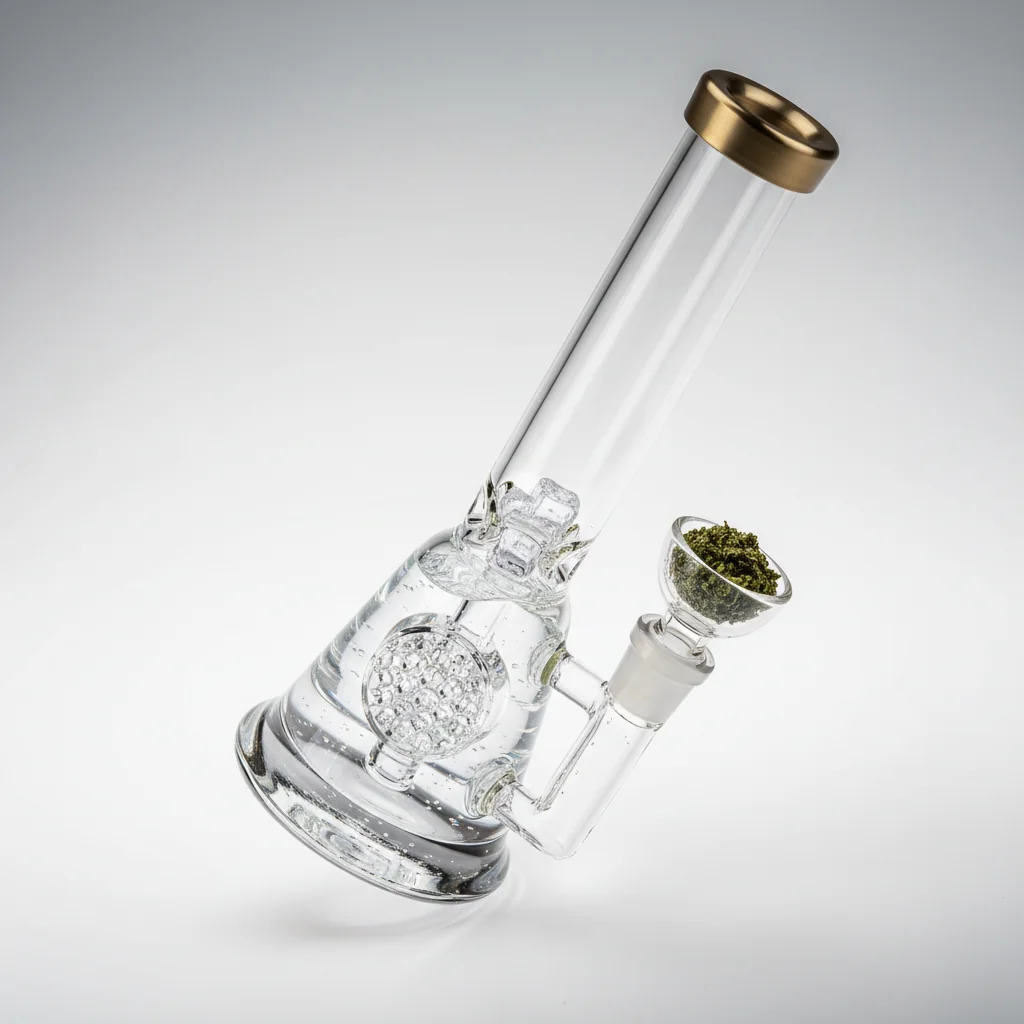
Understanding bong joint sizes is essential for both beginners and seasoned cannabis enthusiasts. Whether you're looking to purchase your first bong or upgrade your current setup, knowing the differences between 10mm, 14mm, and 18mm joints will help you make informed decisions. These sizes determine the compatibility of your bong with various accessories like bowls and downstems, directly impacting your smoking experience.
The cannabis community values efficiency and customization, and the right joint size can enhance both. Getting familiar with these measurements not only ensures a perfect fit but also optimizes the performance of your bong, providing smoother hits and a more enjoyable session. In this guide, we'll explore the nuances of each joint size, how to measure them, and what to consider when choosing the right one for your needs.
Table of Contents
- Quick Answer
- Understanding Bong Joint Sizes
- 10mm Joints: The Basics
- 14mm Joints: The Most Common Choice
- 18mm Joints: The Heavy Hitters
- How to Measure Bong Joint Sizes
- Choosing the Right Joint Size for You
- Conclusion
Quick Answer
Bong joint sizes refer to the diameter of the fittings where the bowl or downstem connects to the bong. The most common sizes are 10mm, 14mm, and 18mm. Each size has its own advantages, from portability to airflow efficiency. Knowing your bong's joint size ensures compatibility with accessories, enhancing your smoking experience.
Understanding Bong Joint Sizes
Bong joint sizes are measured in millimeters and indicate the diameter of the joint openings. This measurement is crucial for determining the compatibility of various bong components. Selecting the correct size ensures that your bowl or downstem fits snugly, preventing air leaks and enhancing the overall performance of your bong.
The three main joint sizes—10mm, 14mm, and 18mm—offer different benefits. Smaller joints are typically used in more compact setups, while larger ones are preferred for their increased airflow and smoother hits. Understanding these differences will help you choose the best setup for your preferences.
10mm Joints: The Basics
10mm joints are the smallest of the standard sizes and are often found in mini bongs and dab rigs. Here are some key features:
- Portability: Ideal for those who prioritize a compact, travel-friendly setup.
- Concentrates: Commonly used with dab rigs due to the smaller vapor path, which enhances flavor.
- Accessories: Limited availability of accessories compared to larger joints.
While 10mm joints offer convenience, they may not provide the same level of airflow as larger sizes, making them less suited for those who prefer robust hits.
14mm Joints: The Most Common Choice
The 14mm joint is the most prevalent size in the cannabis community. Its popularity stems from several factors:
- Versatility: Compatible with a wide range of bongs and accessories, making it a staple for many users.
- Balanced Performance: Offers a good mix of airflow and portability, suitable for both dry herb and concentrate use.
- Availability: Most readily available size for purchasing accessories and replacement parts.
For those new to bongs, starting with a 14mm joint often provides the best balance of performance and ease of use.
18mm Joints: The Heavy Hitters
18mm joints are designed for those who enjoy powerful hits. Here's why you might choose an 18mm joint:
- Increased Airflow: Larger diameter allows for more smoke to pass through, resulting in bigger, smoother hits.
- Durability: Often found in larger, more robust bongs designed for regular use.
- Customization: Ideal for users who like to experiment with various percolators and other add-ons.
While they provide excellent performance, 18mm joints can be more challenging to transport due to their size.
How to Measure Bong Joint Sizes
Measuring your bong's joint size is straightforward. Use these steps to determine the correct size:
1. Remove the Bowl or Downstem: Carefully take out the component you wish to measure.
2. Measure the Diameter: Use a ruler or caliper to measure the diameter of the joint opening in millimeters.
3. Check for Markings: Some bongs have size markings near the joint for easy identification.
Correct measurement ensures you purchase compatible accessories, enhancing the functionality of your bong. For more detailed instructions, check out our how to use a bong guide.
Choosing the Right Joint Size for You
Selecting the right joint size depends on various factors, including your smoking habits and preferences. Consider the following:
- Usage: If you frequently use concentrates, a 10mm joint might be preferable. For dry herbs, 14mm and 18mm offer better performance.
- Portability: Smaller joints are easier to transport, ideal for those who travel often.
- Customizability: Larger joints like 18mm are better suited for users who enjoy customizing their setups.
Explore different setups to find what works best for you. For more insights, consider our guides on percolator types explained and how to clean a bong.
Conclusion
Understanding bong joint sizes is crucial for enhancing your smoking experience. Whether you prefer the portability of a 10mm joint or the robust performance of an 18mm joint, choosing the right size ensures compatibility and optimal performance. Always measure accurately and consider your personal preferences when selecting accessories. For further exploration of cannabis accessories, visit MunchMakers' bongs and discover the perfect components to enhance your sessions.
By being informed about joint sizes, you can confidently navigate the world of bongs and enjoy a more satisfying and personalized experience.
Frequently Asked Questions
The most common bong joint sizes are 10mm, 14mm, and 18mm. These sizes refer to the diameter of the joint where the bowl and downstem connect to the bong.
Related Guides

Ash Catchers: What They Do and Why Use One
Learn what ash catchers do, how they keep your bong clean, and whether you need one. Understand different types, how to choose the right size, and maintenance tips.

Anatomy of a Bong: Every Part Explained
Complete guide to understanding bong components - from downstem and bowl to percolators and ice catchers. Learn what each part does and how they work together.

Bong vs Bubbler: Key Differences Explained
Complete comparison of bongs and bubblers covering size, portability, water capacity, smoothness, and use cases. Learn which water pipe is right for you.