

THC กับ CBD: ทำความเข้าใจเกี่ยวกับสารแคนนาบินอยด์หลักสองชนิด

Sarah Green
Cannabis Educator
THC กับ CBD: ทำความเข้าใจเกี่ยวกับสารแคนนาบินอยด์หลักสองชนิด
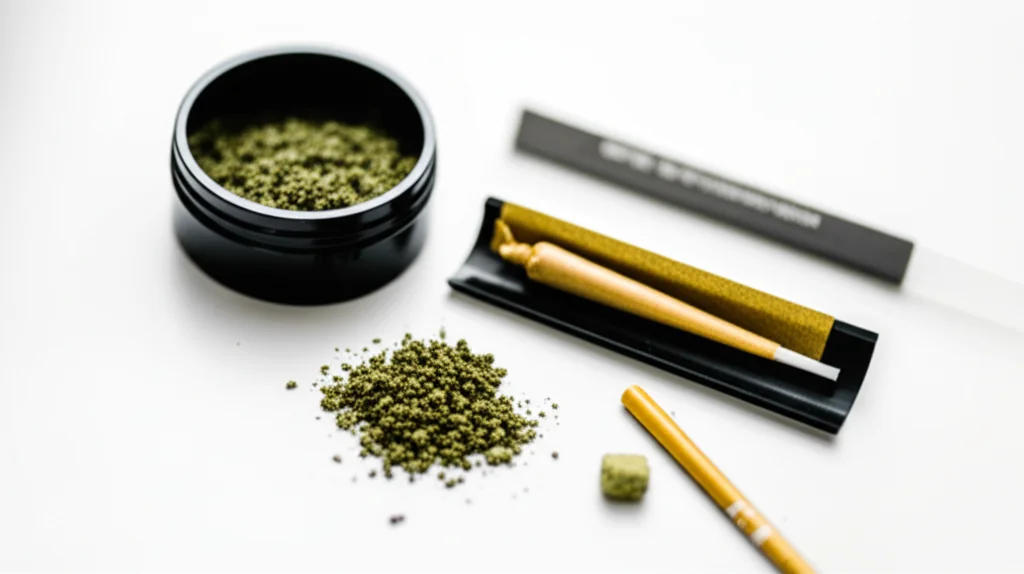
THC และ CBD เป็นสารประกอบที่รู้จักกันดีที่สุดในกัญชา แต่ทำงานแตกต่างกันมากในร่างกายของคุณและสร้างผลกระทบที่แตกต่างกัน ตามการวิจัยที่รวบรวมโดย Project CBD, การทำความเข้าใจความแตกต่างช่วยให้คุณเลือกผลิตภัณฑ์ที่ตรงกับเป้าหมายของคุณ ไม่ว่าคุณจะต้องการการผ่อนคลาย, การบรรเทาอาการปวด, การลดความวิตกกังวล, หรือแค่สงสัยเกี่ยวกับกัญชา
คู่มือนี้อธิบายว่า THC และ CBD คืออะไร, แตกต่างกันอย่างไร, แต่ละอย่างทำอะไร, และทำงานร่วมกันอย่างไร เมื่อคุณอ่านจบ คุณจะเข้าใจว่าทำไมผลิตภัณฑ์บางอย่างมีเฉพาะ CBD, ทำไมบางอย่างมี THC สูง, และจะหาสมดุลที่เหมาะสมสำหรับความต้องการของคุณได้อย่างไร
คำตอบสั้น
THC (เตตราไฮโดรแคนนาบินอล) เป็นสารที่มีฤทธิ์ทางจิตที่ทำให้เกิด "ความสูง" ของกัญชา - ความรู้สึกดี, การรับรู้ที่เปลี่ยนแปลง, และผลกระทบทางจิต CBD (แคนนาบิดิโอล) ไม่มีฤทธิ์ทางจิตและจะไม่ทำให้คุณรู้สึกสูง แต่เสนอประโยชน์ที่เป็นไปได้เช่นการลดความวิตกกังวล, การบรรเทาอาการปวด, และการผ่อนคลายโดยไม่มีความบกพร่อง พวกมันทำงานผ่านเส้นทางที่แตกต่างกันในร่างกายของคุณและมักจะมีประสิทธิภาพที่สุดเมื่อใช้ร่วมกัน
THC คืออะไร?
THC (เตตราไฮโดรแคนนาบินอล) เป็นสารแคนนาบินอยด์ที่มีฤทธิ์ทางจิตหลักในกัญชา - สารที่ทำให้เกิด "ความสูง"
THC ทำงานอย่างไร
THC จะจับกับตัวรับ CB1 โดยตรงในสมองและระบบประสาทของคุณ ทำให้เกิดผลกระทบที่เป็นเอกลักษณ์ของกัญชา การจับโดยตรงนี้คือเหตุผลที่ THC ทำให้เกิดการเปลี่ยนแปลงที่สังเกตได้ในสติ, การรับรู้, และอารมณ์
ผลกระทบของ THC
จิตใจ/จิตวิทยา:
- ความรู้สึกดีและอารมณ์ที่สูงขึ้น
- การรับรู้เวลาที่เปลี่ยนแปลง
- ประสบการณ์ทางประสาทสัมผัสที่เพิ่มขึ้น
- ความคิดสร้างสรรค์และการคิดเชิงปรัชญา
- ความจำระยะสั้นบกพร่อง
- อาจมีความวิตกกังวลหรือความหวาดระแวง (ขึ้นอยู่กับขนาดยา)
ทางกายภาพ:
- การบรรเทาอาการปวด
- การผ่อนคลายกล้ามเนื้อ
- ความอยากอาหารที่เพิ่มขึ้น (ความหิว)
- ตาแดงและปากแห้ง
- ลดอาการคลื่นไส้
ความเข้มข้นของ THC
ดอกกัญสมัยใหม่มักมี THC ระหว่าง 15-30% โดยบางสายพันธุ์มีมากกว่า 30% สารสกัดสามารถมี THC ระหว่าง 60-90% เปอร์เซ็นต์ที่สูงขึ้นหมายถึงผลกระทบที่รุนแรงขึ้น - ผู้เริ่มต้นควรเริ่มด้วยผลิตภัณฑ์ที่มี THC ต่ำกว่า (15-18%)
CBD คืออะไร?
CBD (Cannabidiol) เป็นแคนนาบินอยด์ที่มีอยู่มากเป็นอันดับสองในกัญชา แตกต่างจาก THC มันไม่มีผลต่อจิตประสาทเลย - มันจะไม่ทำให้คุณรู้สึกเมา
วิธีการทำงานของ CBD
CBD ไม่ได้จับกับตัวรับ CB1 หรือ CB2 อย่างแน่นหนา แต่ทำงานโดยอ้อมโดยการป้องกันการสลายตัวของเอนโดแคนนาบินอยด์ตามธรรมชาติในร่างกายของคุณและมีปฏิสัมพันธ์กับเซโรโทนินและตัวรับอื่น ๆ การกระทำโดยอ้อมนี้สร้างผลทางการบำบัดโดยไม่ทำให้เกิดความบกพร่อง
ผลของ CBD
ประโยชน์ที่อาจเกิดขึ้น:
- ลดความวิตกกังวลและความเครียด
- บรรเทาอาการปวดและการอักเสบ
- ปรับปรุงคุณภาพการนอนหลับ
- คุณสมบัติป้องกันระบบประสาท
- ผลต่อต้านการชัก (ได้รับการอนุมัติจาก FDA สำหรับโรคลมชักบางชนิด)
- ลดอาการคลื่นไส้
สิ่งที่ CBD ไม่ทำ:
- จะไม่ทำให้คุณรู้สึกเมาหรือมีความสุข
- จะไม่ทำให้การตัดสินใจหรือการประสานงานของคุณบกพร่อง
- จะไม่ปรากฏในการทดสอบสารเสพติดมาตรฐาน (ถ้าเป็น CBD บริสุทธิ์)
- จะไม่เพิ่มความอยากอาหารอย่างมีนัยสำคัญ
ความเข้มข้นของ CBD
ผลิตภัณฑ์ CBD มีตั้งแต่ 5 มก. ถึง 100 มก. ขึ้นไปต่อขนาดการใช้ CBD ที่ได้จากกัญชง (ถูกกฎหมายในระดับรัฐบาลกลางในสหรัฐอเมริกา) มี THC น้อยกว่า 0.3% CBD ที่ได้จากกัญชาสามารถมีปริมาณ THC ที่แตกต่างกันขึ้นอยู่กับพืชต้นทาง สำหรับการบริโภคผลิตภัณฑ์กัญชา การมี อุปกรณ์เสริมสำหรับกัญชา จะช่วยให้คุณมีประสบการณ์ที่มีคุณภาพ
THC กับ CBD: การเปรียบเทียบโดยตรง
ผลต่อจิตประสาท
THC: มีผลต่อจิตประสาทสูง - เปลี่ยนแปลงจิตสำนึก, สร้างความสุข
CBD: ไม่มีผลต่อจิตประสาท - ไม่มีความบกพร่องทางจิตหรือความเมา
สถานะทางกฎหมาย
THC: ผิดกฎหมายในระดับรัฐบาลกลางในสหรัฐอเมริกา (ถูกกฎหมายในหลายรัฐ), ควบคุมในระดับนานาชาติ
CBD: CBD ที่ได้จากกัญชงถูกกฎหมายในระดับรัฐบาลกลางในสหรัฐอเมริกา, CBD ที่ได้จากกัญชาต้องปฏิบัติตามกฎหมาย THC
การใช้งานทางการแพทย์
THC: อาการปวด, คลื่นไส้, กระตุ้นความอยากอาหาร, ต้อหิน, PTSD
CBD: ความวิตกกังวล, โรคลมชัก, การอักเสบ, โรคนอนไม่หลับ, อาการปวด
ผลข้างเคียง
THC: ความวิตกกังวล/ความหวาดระแวง (ขึ้นอยู่กับขนาดที่ใช้), การประสานงานบกพร่อง, ปากแห้ง, ตาแดง
CBD: โดยทั่วไปจะมีอาการเบา ๆ - อาจทำให้ง่วงนอน, ปากแห้ง, ท้องเสีย (ในขนาดสูง)
การตรวจสารเสพติด
THC: จะทำให้ผลการตรวจสารเสพติดเป็นบวก
CBD: CBD บริสุทธิ์จะไม่ทำ แต่ผลิตภัณฑ์ CBD แบบสเปกตรัมเต็มจะมี THC ในปริมาณน้อยและอาจกระตุ้นการตรวจ
วิธีการทำงานร่วมกัน
ผลกระทบของกลุ่ม
THC และ CBD ทำงานได้ดีกว่าร่วมกันมากกว่าที่จะทำงานคนเดียว - สิ่งนี้เรียกว่า "ผลกระทบของกลุ่ม" CBD จะปรับผลกระทบของ THC ลดความวิตกกังวลและความหวาดระแวงในขณะที่ยังคงรักษาประโยชน์ทางการแพทย์ไว้
อิทธิพลของ CBD ต่อ THC:
- ลดความวิตกกังวลและความหวาดระแวงจาก THC
- ขยายระยะเวลาของผล
- อาจลดการเสื่อมสภาพของความจำระยะสั้น
- สามารถลดอัตราการเต้นของหัวใจที่เร็วจาก THC
นี่คือเหตุผลที่ผู้ใช้หลายคนชอบผลิตภัณฑ์ที่มีทั้งสองสารเคมีมากกว่าที่จะใช้ THC บริสุทธิ์
อัตราส่วน THC:CBD
ผลิตภัณฑ์มักจะมีป้ายกำกับที่ระบุอัตราส่วนที่แสดงถึงความสมดุล:
THC สูง (20:1, 10:1): มีผลกระทบทางจิตที่รุนแรง, การใช้เพื่อความบันเทิง
สมดุล (1:1, 2:1): มีผลกระทบปานกลาง, ประโยชน์ทางการแพทย์, ลดความวิตกกังวล
CBD สูง (1:20, 1:10): มีอาการมึนงงน้อย, มุ่งเน้นทางการบำบัด, บรรเทาความวิตกกังวล
CBD เท่านั้น (0:1): ไม่มีอาการมึนงง, ใช้เพื่อการบำบัดอย่างบริสุทธิ์
การเลือกระหว่าง THC และ CBD
เลือก THC หากคุณต้องการ:
- ความสนุกสนานและความรู้สึกดี
- การบรรเทาอาการปวดที่รุนแรง
- กระตุ้นความอยากอาหาร
- ช่วยในการนอนหลับ (มีผลทำให้สงบ)
- เพิ่มความคิดสร้างสรรค์
เลือก CBD หากคุณต้องการ:
- ลดความวิตกกังวลโดยไม่ทำให้เสื่อมสมรรถภาพ
- การใช้ในเวลากลางวันในขณะที่ยังคงทำงานได้
- ประโยชน์ในการต้านการอักเสบ
- ผลิตภัณฑ์ที่ถูกกฎหมายในเขตอำนาจศาลมากขึ้น
- ไม่มีความเสี่ยงที่จะรู้สึก "มึนงงเกินไป"
เลือก THC:CBD ที่สมดุลหากคุณต้องการ:
- ประโยชน์ทางการแพทย์ที่สามารถควบคุมได้
- ลดความวิตกกังวลจาก THC
- ดีที่สุดของทั้งสองโลก
- "ผลกระทบจากการร่วมกัน"
ความเข้าใจผิดทั่วไป
"CBD คือ THC ที่ไม่มีอาการเมา"
ไม่ถูกต้อง - พวกมันเป็นโมเลกุลที่แตกต่างกันโดยสิ้นเชิง มีกลไกและผลกระทบที่แตกต่างกัน
"THC มากขึ้นเสมอคือสิ่งที่ดีกว่า"
ไม่ถูกต้อง - THC ที่สูงขึ้นอาจเพิ่มความวิตกกังวลและไม่จำเป็นต้องมีประโยชน์ทางการแพทย์มากขึ้น
"CBD ไม่ทำอะไรเพราะมันไม่ทำให้คุณเมา"
ไม่ถูกต้อง - CBD มีผลที่วัดได้ เพียงแต่ไม่ใช่ผลที่มีผลต่อจิตใจ
"กัญชาทุกชนิดมี THC และ CBD เท่ากัน"
ไม่ถูกต้อง - อัตราส่วนแตกต่างกันอย่างมากระหว่างสายพันธุ์และผลิตภัณฑ์
ประเภทผลิตภัณฑ์
ผลิตภัณฑ์ที่มี THC สูง
- ดอกกัญชาส่วนใหญ่ (15-30% THC, <1% CBD)
- สารสกัดและดาบ
- อาหารที่มี THC
- ตลับสูบเพื่อการพักผ่อน
ผลิตภัณฑ์ที่มี CBD สูง
- ดอกกัญชาชนิดกัญชง (มี CBD สูง, <0.3% THC)
- น้ำมัน CBD และทิงเจอร์
- กัมมี่และอาหารที่มี CBD
- ผลิตภัณฑ์ CBD ทาภายนอก
ผลิตภัณฑ์ที่สมดุล
- สายพันธุ์กัญชาทางการแพทย์ (มักมีอัตราส่วน 1:1 หรือ 2:1)
- ผลิตภัณฑ์ CBD แบบเต็มสเปกตรัม
- ตลับสูบที่สมดุล
ความปลอดภัยและความถูกต้องตามกฎหมาย
ข้อพิจารณาทางกฎหมายเกี่ยวกับ THC
- ผิดกฎหมายในสหรัฐอเมริกา (ตาราง I)
- ถูกกฎหมายสำหรับการใช้เพื่อการพักผ่อนใน 24 รัฐขึ้นไป
- ถูกกฎหมายสำหรับการใช้ทางการแพทย์ใน 38 รัฐขึ้นไป
- ในระดับนานาชาติ: แตกต่างกันอย่างมากตามประเทศ
ข้อพิจารณาทางกฎหมายเกี่ยวกับ CBD
- CBD ที่ได้จากกัญชง: ถูกกฎหมายในสหรัฐอเมริกา (กฎหมายฟาร์ม 2018)
- ต้องมี <0.3% THC
- ถูกกฎหมายในประเทศส่วนใหญ่มีข้อยกเว้น
- CBD ที่ได้จากกัญชา: ปฏิบัติตามกฎหมาย THC
การทดสอบยา
- THC ปรากฏในผลการทดสอบมาตรฐาน
- CBD บริสุทธิ์ไม่ควรกระตุ้นการทดสอบ
- CBD แบบเต็มสเปกตรัมมี THC ในปริมาณน้อยและอาจทำให้ผลทดสอบเป็นบวก
- การทดสอบไม่สามารถแยกแยะระหว่างการใช้เพื่อการแพทย์/การพักผ่อน
การใช้งานทางการแพทย์
สภาวะที่ THC อาจช่วยได้:
- อาการปวดเรื้อรัง
- คลื่นไส้และอาเจียน (เคมีบำบัด)
- การสูญเสียความอยากอาหาร (HIV/AIDS, มะเร็ง)
- นอนไม่หลับ
- PTSD
- ต้อหิน
สภาวะที่ CBD อาจช่วยได้:
- โรควิตกกังวล
- โรคลมชัก (Epidiolex ที่ได้รับการอนุมัติจาก FDA)
- การอักเสบ
- อาการปวดข้อ
- โรคนอนไม่หลับ
- โรคลำไส้อักเสบ
หมายเหตุ: โปรดปรึกษาผู้ให้บริการด้านสุขภาพสำหรับคำแนะนำทางการแพทย์ ข้อมูลนี้เป็นข้อมูลเพื่อการศึกษาเท่านั้น
การหาสมดุลของคุณ
สำหรับผู้เริ่มต้น
เริ่มต้นด้วย THC ที่ต่ำกว่า (15-18%) หากต้องการผลทางจิตประสาท หรือ CBD เพียงอย่างเดียวหากต้องการหลีกเลี่ยงการเสื่อมสมรรถภาพ คุณสามารถเพิ่ม THC ได้ในภายหลัง แต่ไม่สามารถย้อนกลับการบริโภคเกินขนาดได้
สำหรับการใช้งานทางการแพทย์
พิจารณาสัดส่วนที่สมดุล (1:1 หรือ 2:1 CBD:THC) ซึ่งให้ประโยชน์ทางการบำบัดพร้อมกับลดผลทางจิตประสาท ผลิตภัณฑ์ที่มี CBD เป็นหลักเหมาะสำหรับการใช้งานในเวลากลางวันในขณะที่ยังคงความสามารถในการทำงาน
สำหรับผู้ใช้ที่มีประสบการณ์
ทดลองใช้สัดส่วนที่แตกต่างกันเพื่อหาสิ่งที่เหมาะสมที่สุด บางคนชอบ THC สูงสำหรับการผ่อนคลายในตอนเย็น CBD เป็นหลักสำหรับการใช้งานในตอนกลางวัน และผลิตภัณฑ์ที่สมดุลสำหรับอาการเฉพาะ
สรุป
THC และ CBD เป็นสารแคนนาบินอยด์ที่มีคุณค่าแต่มีคุณสมบัติที่แตกต่างกัน THC ให้ความรู้สึกสูงที่เป็นเอกลักษณ์ของกัญชา พร้อมกับการบรรเทาอาการปวดและกระตุ้นความอยากอาหาร ในขณะที่ CBD ให้ประโยชน์ทางการบำบัดโดยไม่ทำให้เกิดการเสื่อมสมรรถภาพ ผู้ใช้ส่วนใหญ่พบว่าผลิตภัณฑ์ที่มีทั้งสองอย่าง (ผลกระทบจากการร่วม) ให้ประสบการณ์และประโยชน์ที่ดีที่สุดโดยรวม
การเข้าใจ THC และ CBD ช่วยให้คุณสามารถตัดสินใจได้อย่างมีข้อมูลเกี่ยวกับผลิตภัณฑ์กัญชา ไม่ว่าคุณจะต้องการประโยชน์ทางการแพทย์ ความเพลิดเพลินในการพักผ่อน หรือสำรวจการใช้กัญชาเป็นครั้งแรก
คู่มือนี้จัดทำขึ้นเพื่อวัตถุประสงค์ทางการศึกษา กฎหมายเกี่ยวกับกัญชาจะแตกต่างกันไปตามเขตอำนาจศาล โปรดปรึกษาผู้ให้บริการด้านสุขภาพสำหรับคำแนะนำทางการแพทย์
Frequently Asked Questions
THC (เตตราไฮโดรแคนนาบินอล) เป็นสารที่มีฤทธิ์ทางจิตและทำให้เกิดความรู้สึก 'สูง' ในขณะที่ CBD (แคนนาบิดิโอล) ไม่มีฤทธิ์ทางจิตและจะไม่ทำให้คุณรู้สึกสูง ทั้งสองมีประโยชน์ที่เป็นไปได้แต่ทำงานแตกต่างกันในร่างกาย
ไม่, CBD ไม่ทำให้เกิดความรู้สึกสูง มันไม่มีฤทธิ์ทางจิต หมายความว่ามันไม่เปลี่ยนแปลงสภาวะจิตใจของคุณเหมือน THC คุณอาจรู้สึกผ่อนคลายหรือสังเกตเห็นความวิตกกังวลที่ลดลง แต่คุณจะไม่รู้สึกอารมณ์ดีหรือมีความบกพร่อง
ใช่, THC และ CBD มักทำงานได้ดีขึ้นเมื่อใช้ร่วมกันผ่าน 'เอฟเฟกต์ของกลุ่ม' CBD สามารถช่วยลดผลกระทบบางอย่างของ THC, ลดความวิตกกังวลและความหวาดระแวงในขณะที่ยังคงประโยชน์ไว้ ผลิตภัณฑ์กัญชาส่วนใหญ่มีทั้งสองอย่างในอัตราส่วนที่แตกต่างกัน
CBD ที่ได้จากกัญชง (มี THC น้อยกว่า 0.3%) ถูกกฎหมายในระดับรัฐบาลกลางในสหรัฐอเมริกาและถูกกฎหมายในหลายประเทศ แต่ CBD ที่ได้จากกัญชาต้องปฏิบัติตามกฎหมายเดียวกับกัญชา กฎหมายแตกต่างกันไปตามเขตอำนาจ - ควรตรวจสอบกฎระเบียบท้องถิ่นเสมอ
Related Guides

Common Beginner Mistakes to Avoid When Using Cannabis
Learn the most common mistakes first-time and new cannabis users make, why they happen, and how to avoid them for a better experience.
Best Snacks to Enjoy When High: Ultimate Munchies Guide
Comprehensive guide about best snacks to enjoy when high: ultimate munchies guide. Learn everything you need to know with expert tips and detailed instructions.
Best Time of Day to Smoke Cannabis: Morning vs Evening Effects
Comprehensive guide about best time of day to smoke cannabis: morning vs evening effects. Learn everything you need to know with expert tips and detailed instructions.