

คู่มืออุณหภูมิและความชื้นสำหรับการเก็บรักษากัญชา

Lisa Thompson
Storage & Preservation Specialist
คู่มืออุณหภูมิและความชื้นสำหรับการเก็บรักษากัญชา
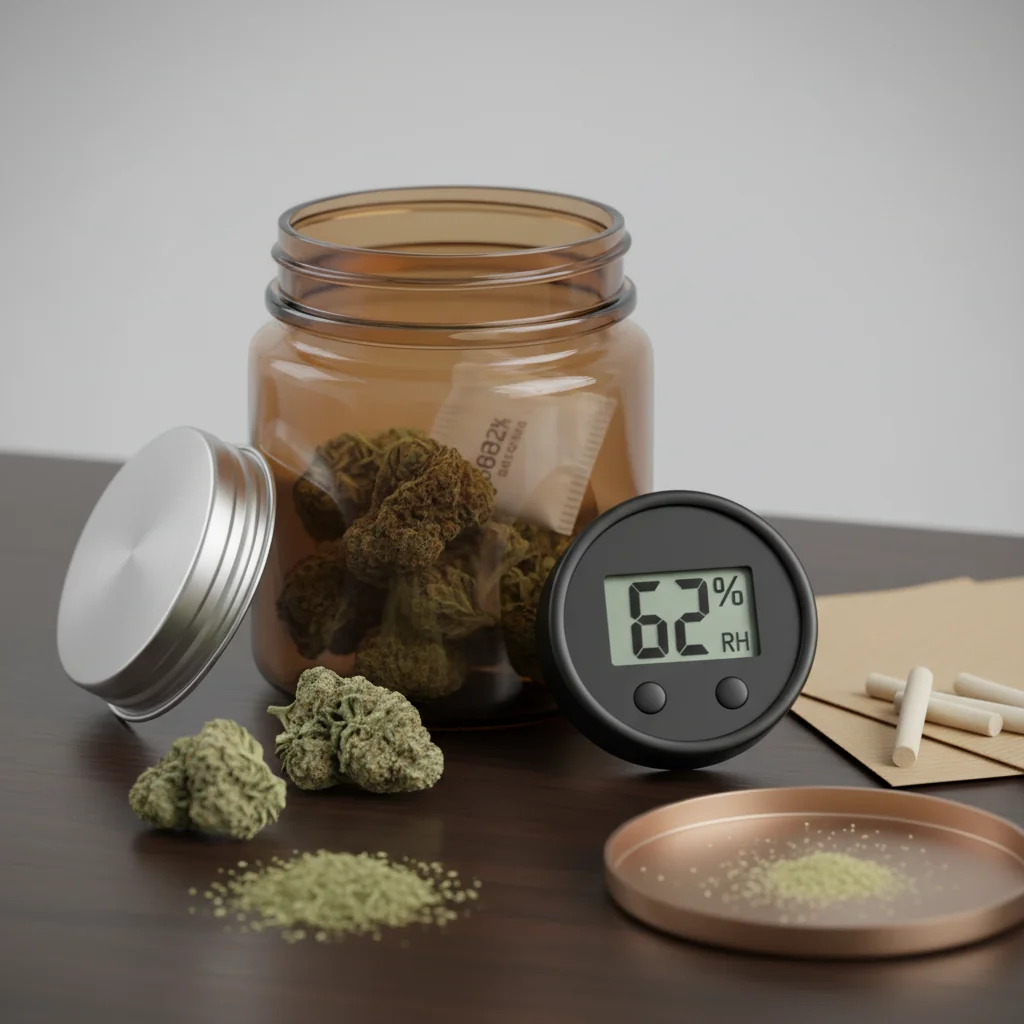
อุณหภูมิและความชื้นเป็นสองปัจจัยด้านสิ่งแวดล้อมที่สำคัญที่สุดที่ส่งผลต่อคุณภาพของกัญชาในระหว่างการเก็บรักษา การเข้าใจวิธีควบคุมองค์ประกอบเหล่านี้สามารถหมายถึงความแตกต่างระหว่างดอกไม้สดและมีประสิทธิภาพกับกัญชาที่แห้งและเสื่อมสภาพ คู่มือนี้อธิบายวิทยาศาสตร์และการปฏิบัติของสภาพการเก็บรักษาที่เหมาะสม
คำตอบอย่างรวดเร็ว
สภาพการเก็บรักษากัญชาที่เหมาะสม: อุณหภูมิระหว่าง 60-70°F (15-21°C), ความชื้นสัมพัทธ์ระหว่าง 58-62% อุณหภูมิที่สูงกว่า 77°F เร่งการเสื่อมสภาพของ THC; ความชื้นที่สูงกว่า 65% ส่งเสริมการเกิดเชื้อรา ใช้แพ็คความชื้น (Boveda หรือ Integra) ในภาชนะที่ปิดสนิท เก็บในสถานที่เย็นและมืด และตรวจสอบด้วยไฮโกรมิเตอร์
ทำไมอุณหภูมิและความชื้นจึงสำคัญ
เกิดอะไรขึ้นกับกัญชาเมื่อเวลาผ่านไป
กัญชาเป็นวัสดุอินทรีย์ที่เสื่อมสภาพผ่านหลายกระบวนการ:
การออกซิเดชัน: การสัมผัสกับออกซิเจนทำให้ THC แตกตัวเป็น CBN (มีฤทธิ์ทางจิตน้อยกว่า)
การสัมผัสกับแสง: รังสี UV ทำให้แคนนาบินอยด์และเทอร์ปีนเสื่อมสภาพ
ความเสียหายจากความร้อน: อุณหภูมิสูงเร่งกระบวนการเสื่อมสภาพทั้งหมด
ปัญหาความชื้น: แห้งเกินไป = ไทรโคมเปราะ; เปียกเกินไป = ความเสี่ยงต่อเชื้อรา
การควบคุมอุณหภูมิและความชื้นอย่างเหมาะสมช่วยชะลอกระบวนการเหล่านี้ทั้งหมด
สำหรับภาชนะเก็บรักษาและการควบคุมความชื้น ดูที่ MunchMakers การเก็บรักษาที่กันกลิ่น. สำหรับวิทยาศาสตร์การวัดความชื้น, บริการสภาพอากาศแห่งชาติ ให้ข้อมูลสภาพภูมิอากาศที่ครอบคลุม
วิทยาศาสตร์ของการเสื่อมสภาพของกัญชา
ผลกระทบของอุณหภูมิ
อุณหภูมิวิกฤต: 25°C (77°F) คือจุดที่การเสื่อมสภาพเร่งขึ้นอย่างเห็นได้ชัด
ผลกระทบจากความชื้น
ความชื้นเป้าหมาย: 58% สำหรับความชื้นที่แห้งกว่า, 62% สำหรับความชื้นมากขึ้น
การเข้าใจความชื้นสัมพัทธ์
ความชื้นสัมพัทธ์คืออะไร?
ความชื้นสัมพัทธ์ (RH) วัดปริมาณไอน้ำในอากาศเมื่อเปรียบเทียบกับปริมาณสูงสุดที่สามารถถือได้ที่อุณหภูมินั้น
แนวคิดหลัก: อากาศที่อุ่นกว่าจะถือความชื้นได้มากกว่า ดังนั้นปริมาณไอน้ำเดียวกันจะอ่านเป็น RH ต่ำกว่าในสภาพอากาศร้อน และ RH สูงกว่าในสภาพอากาศเย็น
นี่คือเหตุผลที่อุณหภูมิและความชื้นเชื่อมโยงกัน - คุณไม่สามารถควบคุมอย่างใดอย่างหนึ่งโดยไม่ส่งผลกระทบต่ออีกอย่าง
ทำไม 58-62% ถึงเป็นจุดที่เหมาะสม
ต่ำกว่า 58%:
- กัญชาจะเปราะ
- ไตรโคมแตกและหลุดออก
- ควันที่รุนแรงและร้อน
- เทอร์ปีนระเหย
- กระดาษไม่ติดดี (สำหรับการม้วน)
มากกว่า 62%:
- สปอร์เชื้อราสามารถงอกได้
- กัญชามีความชื้นมากเกินไป
- การเผาไหม้ไม่สม่ำเสมอ
- อาจ "กลับชื้น" และต้องการการบ่มใหม่
วิธีควบคุมความชื้น
แพ็คความชื้นแบบสองทาง
มันคืออะไร: แพ็คเกจที่มีสารละลายเกลือที่ปล่อยหรือดูดซับความชื้นเพื่อรักษาระดับ RH ที่เฉพาะเจาะจง
แบรนด์ยอดนิยม:
- Boveda: มาตรฐานในอุตสาหกรรม ควบคุมได้อย่างแม่นยำ
- Integra Boost: เทคโนโลยีคล้ายกัน มีตัวบ่งชี้สี
มันทำงานอย่างไร:
- ที่แพ็ค RH 62% ในสภาพแวดล้อมที่มีความชื้นต่ำ: ปล่อยความชื้น
- ที่แพ็ค RH 62% ในสภาพแวดล้อมที่มีความชื้นสูง: ดูดซับความชื้น
- รักษาสมดุลที่ RH เป้าหมาย
ขนาด:
- แพ็ค 1g: ขวดเล็ก (1/8 ออนซ์)
- แพ็ค 4g: ขวดขนาดกลาง (สูงสุด 1/2 ออนซ์)
- แพ็ค 8g: ขวดขนาดใหญ่ (สูงสุด 1 ออนซ์)
- แพ็ค 67g: ตู้เก็บความชื้นและการจัดเก็บแบบจำนวนมาก
เมื่อใดควรเปลี่ยน: เมื่อแพ็ครู้สึกแข็ง/กรอบแทนที่จะนุ่ม มักจะ 2-4 เดือน
วิธีควบคุมความชื้นทางเลือก
ตัวเลือก DIY (ไม่แม่นยำ):
เปลือกส้ม: เพิ่มความชื้นได้อย่างรวดเร็วแต่มีความเสี่ยงต่อเชื้อรา ใช้สำหรับระยะสั้น (ไม่กี่ชั่วโมง)
ใบผักกาด: คล้ายกับส้ม - แก้ปัญหาได้เร็ว แต่ไม่ใช่ทางออกระยะยาว
น้ำกลั่นในภาชนะขนาดเล็ก: สามารถใช้ในตู้เก็บความชื้น ต้องมีการตรวจสอบ
คำแนะนำ: แพ็คความชื้นแบบสองทางมีราคาถูกและเชื่อถือได้ ใช้พวกมัน
วิธีควบคุมอุณหภูมิ
การเลือกสถานที่
สถานที่เก็บที่ดีที่สุด:
- ตู้เสื้อผ้าภายใน (อุณหภูมิคงที่)
- ห้องใต้ดิน (ถ้าแห้งและคงที่)
- ตู้ที่ห่างจากเครื่องใช้ไฟฟ้า
- ลิ้นชักของโต๊ะเครื่องแป้ง
หลีกเลี่ยง:
- ใกล้หน้าต่าง (อุณหภูมิผันผวน)
- ใกล้ช่องระบายอากาศ HVAC (อากาศแห้ง)
- ใกล้เตา/เครื่องใช้ไฟฟ้า (ความร้อน)
- โรงรถ (การเปลี่ยนแปลงที่รุนแรง)
- ตู้เย็น (ดูด้านล่าง)
คำถามเกี่ยวกับตู้เย็น
ความเชื่อที่ผิดทั่วไป: การเก็บกัญชาในตู้เย็นทำให้มันสดใหม่
ความจริง: ตู้เย็นมีปัญหาเพราะ:
- ระดับความชื้นมักอยู่ที่ 30-40% (แห้งเกินไป)
- อุณหภูมิผันผวนเมื่อเปิดประตู
- การควบแน่นเมื่อเอาออกอาจเพิ่มความชื้นที่ไม่ต้องการ
- กลิ่นอาหารที่แรงสามารถซึมเข้าไปในกัญชา
ช่องแช่แข็ง: แย่กว่านั้น - ไทรโคมจะเปราะและหักเมื่อแช่แข็ง การจัดการทำให้สูญเสียอย่างมีนัยสำคัญ
คำตัดสิน: อุณหภูมิห้องในภาชนะที่เหมาะสมดีกว่าการแช่เย็นในสถานการณ์ส่วนใหญ่
เมื่อการแช่เย็นมีเหตุผล
ข้อยกเว้น: การเก็บระยะยาวมาก (6 เดือนขึ้นไป) ในภาชนะที่ซีลสูญญากาศอาจได้รับประโยชน์จากอุณหภูมิที่เย็น แต่สิ่งนี้ใช้สำหรับการเก็บในปริมาณมาก ไม่ใช่การใช้งานปกติ
การตรวจสอบสภาพแวดล้อมของคุณ
ฮีโกรมิเตอร์
สิ่งที่พวกเขาวัด: ความชื้นสัมพัทธ์ (และมักจะเป็นอุณหภูมิ)
ประเภท:
ฮีโกรมิเตอร์ดิจิตอล ($5-20):
- แม่นยำถึง ±3-5% โดยทั่วไป
- อ่านง่าย
- ใช้แบตเตอรี่
- บางรุ่นมีหน่วยความจำขั้นต่ำ/สูงสุด
ฮีโกรมิเตอร์แบบอนาล็อก ($3-15):
- ความแม่นยำน้อยกว่า (±10%)
- ต้องการการสอบเทียบ
- ตอบสนองช้ากว่า
- อาจไม่เชื่อถือได้
ฮีโกรมิเตอร์ขนาดเล็ก ($3-8):
- ใส่ในขวดได้
- หน้าจอเล็ก
- พื้นฐานแต่ใช้งานได้
คำแนะนำ: ซื้อฮีโกรมิเตอร์ดิจิทัลขนาดเล็กสำหรับแต่ละขวดเก็บของ มันราคาถูกและมีค่าอย่างมาก
การสอบเทียบฮีโกรมิเตอร์ของคุณ
วิธีการทดสอบเกลือ:
1. วางฮีโกรมิเตอร์ในภาชนะที่ปิดสนิทพร้อมกับเกลือ/น้ำเกลือ
2. รอ 8-12 ชั่วโมง
3. ควรอ่านค่า 75% RH
4. บันทึกความแตกต่างเพื่อปรับค่า
ฮีโกรมิเตอร์ราคาถูกส่วนใหญ่จะมีค่าผิดพลาด 2-5% การรู้ค่าผิดพลาดของคุณจะช่วยเพิ่มความแม่นยำ
การตั้งค่าการเก็บรักษาที่เหมาะสม
ระบบที่สมบูรณ์
ภาชนะ: แก้วที่ปิดสนิท (ขวดเมสัน, CVault, ฯลฯ)
การควบคุมความชื้น: แพ็ค Boveda หรือ Integra ขนาดเหมาะสมกับภาชนะ
การตรวจสอบ: ฮีโกรมิเตอร์ขนาดเล็กภายในหรือมองเห็นได้ผ่านแก้ว
ตำแหน่ง: จุดที่มีอุณหภูมิเย็น มืด และเสถียร
การป้องกันแสง: แก้วสีอำพันหรือภาชนะทึบแสง หรือสถานที่เก็บที่มืด
รายการตรวจสอบการตั้งค่า
1. เลือกขนาดภาชนะที่เหมาะสม (อย่าเก็บของน้อยในขวดใหญ่)
2. เพิ่ม แพ็คความชื้น จัดอันดับตามความชอบของคุณ (58% หรือ 62%)
3. วางเครื่องวัดความชื้นภายในหรือใช้ฝาที่มีหน้าจอในตัว
4. เก็บในสถานที่ที่มีอุณหภูมิคงที่ (60-70°F)
5. ตรวจสอบทุกสัปดาห์ในเดือนแรก จากนั้นตรวจสอบเดือนละครั้ง
ข้อพิจารณาตามฤดูกาล
การเก็บในฤดูร้อน
ความท้าทาย:
- อุณหภูมิแวดล้อมที่สูงขึ้น
- เครื่องปรับอากาศอาจทำให้แห้งเกินไป
- ความเสี่ยงจากการขัดข้องของไฟฟ้าอาจทำให้เกิดความร้อน
วิธีแก้ไข:
- เก็บในส่วนที่เย็นที่สุดของบ้าน (ชั้นใต้ดิน, ตู้เสื้อผ้าภายใน)
- เพิ่มแพ็คความชื้นเพิ่มเติมหากเครื่องปรับอากาศทำงานตลอดเวลา
- พิจารณาใช้ภาชนะที่ปิดสนิทในที่เย็นสำหรับกรณีไฟฟ้าดับ (ไม่แช่แข็ง)
การเก็บในฤดูหนาว
ความท้าทาย:
- ระบบทำความร้อนลดความชื้นในอาคารอย่างมาก
- บ้านมักมีความชื้น 25-35% ในฤดูหนาว
- ห้องเย็นใกล้ผนังภายนอก
วิธีแก้ไข:
- แพ็คความชื้นทำงานหนัก - เปลี่ยนบ่อยขึ้น
- หลีกเลี่ยงการวางใกล้เครื่องทำความร้อนและหม้อน้ำ
- พิจารณาเพิ่มเครื่องทำความชื้นในห้องใกล้พื้นที่เก็บ
สัญญาณของปัญหาสิ่งแวดล้อม
สัญญาณการเก็บที่แห้งเกินไป
- กัญชาทรุดแทนที่จะหัก
- ควันรุนแรงที่ทำให้เจ็บคอ
- ฝุ่นไตรโคมที่มองเห็นได้ในภาชนะ
- กระดาษไม่ติดกับกัญชา
- มีลักษณะเปราะและสีน้ำตาล
สัญญาณการเก็บที่ชื้นเกินไป
- กัญชารู้สึกชื้นหรือฟู
- มีขนสีขาวที่มองเห็นได้ (เชื้อรา)
- กลิ่นแอมโมเนียหรือกลิ่นอับ
- ไม่สามารถบดได้อย่างถูกต้อง (ติด)
- เวลาการเผาไหม้นานขึ้น, การเผาไหม้ไม่สม่ำเสมอ
สัญญาณของความเสียหายจากความร้อน
- การพัฒนาสีบรอนซ์
- การสูญเสียกลิ่นหอม
- แห้งแม้จะมีการควบคุมความชื้น
- ความแรงลดลง
- กลิ่น "หญ้า" เริ่มพัฒนา
กลยุทธ์การฟื้นฟู
การเติมความชื้นให้กับกัญชาที่แห้งเกินไป
ด้วยแพ็คความชื้น:
- เพิ่ม Boveda 62% ลงในภาชนะ
- ปิดผนึกและรอ 24-48 ชั่วโมง
- ตรวจสอบและทำซ้ำหากจำเป็น
- ได้ผลดีสำหรับการแห้งปานกลาง
หมายเหตุ: เทอร์พีนที่สูญเสียไปจากการระเหยไม่สามารถฟื้นคืนได้ การเติมความชื้นจะคืนความชื้น ไม่ใช่คุณภาพเดิม
การจัดการกับกัญชาที่มีความชื้นมากเกินไป
การทำให้แห้งอย่างรวดเร็ว:
- นำออกจากภาชนะ
- ปล่อยให้สัมผัสอากาศเป็นเวลา 30-60 นาที
- นำกลับไปใส่ในภาชนะพร้อมแพ็ค 58%
- ตรวจสอบอย่างใกล้ชิด
หากสงสัยว่ามีเชื้อรา: ทิ้งไป เชื้อราจะแพร่กระจายสปอร์ขนาดเล็กทั่ว ไม่คุ้มค่ากับความเสี่ยงต่อสุขภาพ
การเก็บรักษาระยะยาว (6 เดือนขึ้นไป)
ข้อพิจารณาพิเศษ
สำหรับการเก็บรักษาในระยะยาว การป้องกันเพิ่มเติมช่วยได้:
การปิดผนึกสุญญากาศ: กำจัดออกซิเจน ชะลอการเกิดออกซิเดชันอย่างมีนัยสำคัญ
แพ็คความชื้นขนาดใหญ่: จะไม่หมดในระหว่างการเก็บรักษานาน
อุณหภูมิที่เย็นกว่า: 60-65°F ดีกว่า 70°F สำหรับการเก็บรักษาระยะยาว
การเปิดน้อยที่สุด: การเปิดแต่ละครั้งจะทำให้มีออกซิเจนใหม่เข้ามา
ภาชนะแยกต่างหาก: อย่าเก็บของที่ใช้เดือนหนึ่งไว้กับของที่ใช้ปีหนึ่ง
เส้นเวลาการเสื่อมสภาพที่คาดหวัง
ข้อผิดพลาดทั่วไป
ข้อผิดพลาด 1: ใช้ภาชนะที่ใหญ่เกินไป
ปัญหา: พื้นที่อากาศขนาดใหญ่หมายถึงออกซิเจนมากขึ้น, การเสื่อมสภาพเร็วขึ้น
วิธีแก้ไข: ใช้ภาชนะที่มีขนาดเหมาะสมกับปริมาณของคุณ (เต็ม 2/3 เป็นที่เหมาะสม)
ข้อผิดพลาด 2: เก็บใกล้แหล่งความร้อน
ปัญหา: แม้แต่การอยู่ใกล้อุปกรณ์อิเล็กทรอนิกส์, เครื่องใช้ไฟฟ้าก็ทำให้อุณหภูมิสูงขึ้น
วิธีแก้ไข: ตรวจสอบสถานที่เก็บของคุณด้วยเทอร์โมมิเตอร์เป็นเวลา 24 ชั่วโมง
ข้อผิดพลาด 3: เปิดบ่อยเกินไป
ปัญหา: การเปิดแต่ละครั้งจะเปลี่ยนอากาศชื้นด้วยอากาศรอบข้าง (มักจะแห้งกว่า)
วิธีแก้ไข: แยกของที่ใช้ในชีวิตประจำวันออกจากการเก็บในปริมาณมาก
ข้อผิดพลาด 4: ไม่สนใจอายุการใช้งานของแพ็คความชื้น
ปัญหา: แพ็คที่ตายแล้วไม่สามารถควบคุมความชื้นได้
วิธีแก้ไข: ตรวจสอบทุกเดือน, เปลี่ยนเมื่อแข็ง/กรอบ
ข้อผิดพลาด 5: รวมความต้องการความชื้นที่แตกต่างกัน
ปัญหา: สายพันธุ์ที่แตกต่างกันอาจต้องการ RH ที่แตกต่างกัน
วิธีแก้ไข: เก็บแยกกัน โดยเฉพาะ indica (มักชอบที่แห้งกว่า) กับ sativa
คำถามที่พบบ่อย
ถาม: ฉันสามารถใช้ตู้เก็บความชื้นสำหรับซิการ์เพื่อกัญชาได้หรือไม่?
ตอบ: ได้ แต่ตู้เก็บความชื้นแบบดั้งเดิมตั้งเป้าที่ 70% RH (สูงเกินไปสำหรับกัญชา) คุณสามารถเปลี่ยนอุปกรณ์เพิ่มความชื้นด้วยแพ็ค Boveda และมันทำงานได้ดี หลีกเลี่ยงรุ่นที่มีไม้ซีดาร์ - น้ำมันจากไม้สามารถถ่ายโอนรสชาติได้
ถาม: ฉันจะรู้ได้อย่างไรว่าชุดความชื้นของฉันทำงาน?
ตอบ: มันควรรู้สึกนุ่มและยืดหยุ่น เมื่อมันแข็งหรือกรอบ แสดงว่ามันหมดแล้ว แพ็ค Integra Boost มีตัวบ่งชี้สีที่แสดงเมื่อจำเป็นต้องเปลี่ยน
ถาม: ความชื้น 55% ปลอดภัยสำหรับกัญชาหรือไม่?
ตอบ: 55% จะไม่ทำให้เกิดเชื้อรา แต่จะอยู่ในด้านแห้ง คุณอาจสังเกตเห็นควันที่รุนแรงขึ้นเล็กน้อยและกลิ่นที่ไม่เด่นชัด 58% โดยทั่วไปถือว่าเป็นขั้นต่ำสำหรับการรักษาคุณภาพ
คู่มือนี้จัดทำขึ้นเพื่อวัตถุประสงค์ทางการศึกษา กฎหมายเกี่ยวกับกัญชาจะแตกต่างกันไปตามเขตอำนาจศาล การเก็บรักษาที่เหมาะสมช่วยรักษาคุณภาพของผลิตภัณฑ์กัญชาที่ได้มาอย่างถูกกฎหมาย
Frequently Asked Questions
ได้ แต่ฮิวมิดอร์แบบดั้งเดิมมีเป้าหมายที่ความชื้น 70% (สูงเกินไปสำหรับกัญชา) คุณสามารถเปลี่ยนอุปกรณ์เพิ่มความชื้นด้วยแพ็ค Boveda และมันทำงานได้ดี หลีกเลี่ยงรุ่นที่มีไม้ซีดาร์ - น้ำมันจากไม้สามารถถ่ายโอนรสชาติได้
Related Guides

Best Cannabis Storage Containers 2026: Complete Buying Guide
# Best Cannabis Storage Containers 2026: Complete Buying Guide ## Introduction In the evolving world of cannabis, the importance of proper storage cannot be overstated. As cannabis enthusiasts continue to seek the optimal experience, maintaining the freshness, potency, and flavor of their stash be
Best Weed Jars: Cannabis Storage Containers Guide
Complete guide to cannabis storage jars and containers: why storage matters, best jar types including mason jars, humidity control, what to avoid, and storage tips for different quantities.
Boveda Packs for Cannabis: Complete Humidity Control Guide
Learn how to use Boveda humidity packs for cannabis storage. Understand 58% vs 62% RH, pack sizing, replacement timing, and why humidity control matters for your weed.