

ท่อช้อนกับท่อเชอร์ล็อค: คู่มือการเปรียบเทียบที่ครบถ้วน

Emma Chen
Glass Specialist
ท่อช้อนกับท่อเชอร์ล็อค: คู่มือการเปรียบเทียบที่ครบถ้วน
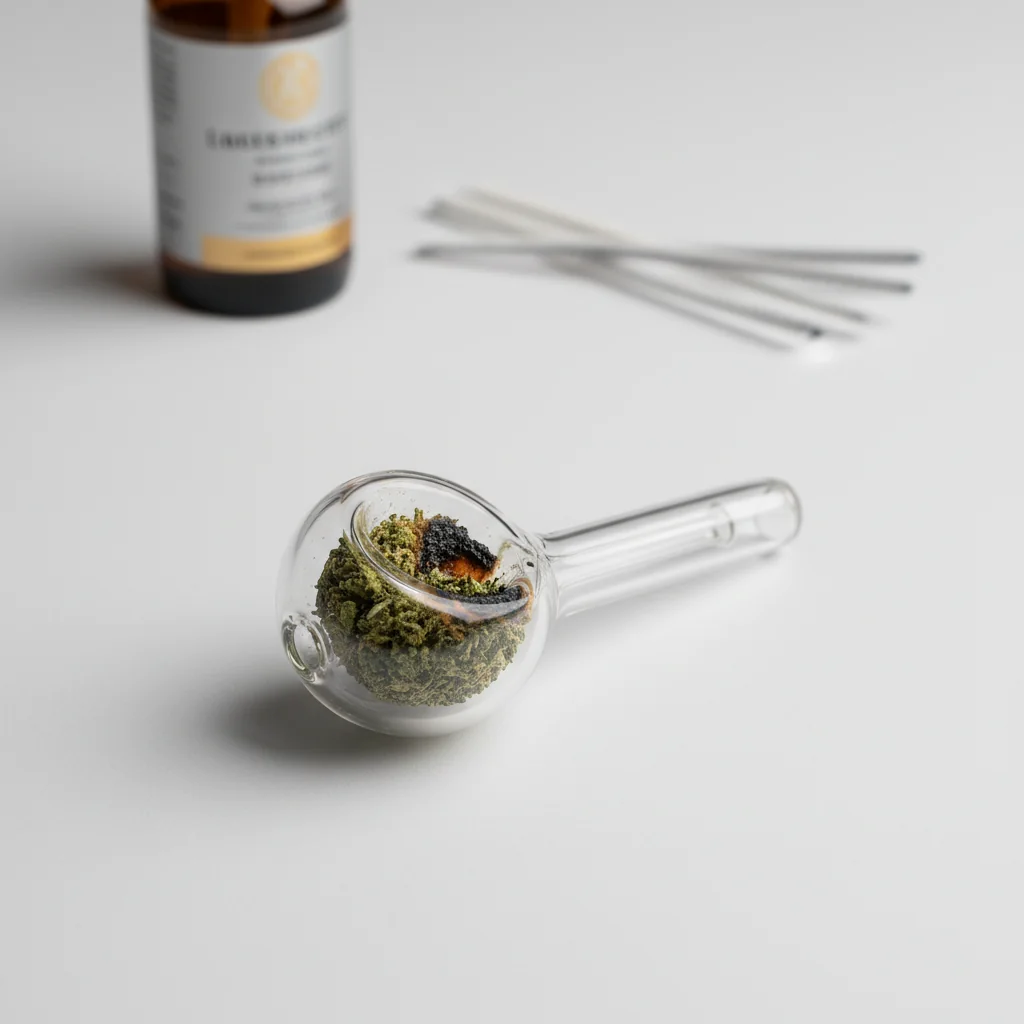
การเลือกท่อช้อนหรือท่อเชอร์ล็อคขึ้นอยู่กับลำดับความสำคัญ: ความสะดวกในการพกพาเทียบกับคุณภาพของควัน ความเรียบง่ายเทียบกับสไตล์ งบประมาณเทียบกับความสวยงาม ทั้งสองเป็นท่อแก้วที่ยอดเยี่ยมที่มีข้อดีที่แตกต่างกัน คู่มือนี้เปรียบเทียบพวกเขาแบบตัวต่อตัวเพื่อช่วยให้คุณตัดสินใจ
คำตอบสั้นๆ
ท่อช้อนมีขนาดกะทัดรัด ราคาถูก ($15-40) ขนย้ายง่าย และเหมาะสำหรับการใช้งานในชีวิตประจำวัน ท่อเชอร์ล็อคมีคอที่โค้ง S ที่สวยงามซึ่งทำให้ควันเย็นลงได้ดีกว่า ดูโดดเด่น แต่มีราคาสูงกว่า ($30-100+) และพกพาได้น้อยกว่า เลือกท่อช้อนสำหรับความสะดวก ท่อเชอร์ล็อคสำหรับการใช้งานที่บ้านและความสวยงาม
ความแตกต่างในการออกแบบ
การออกแบบท่อช้อน
รูปทรง:
- โถกลมคล้ายหัวช้อน
- ตัวท่อที่ค่อนข้างตรงและกะทัดรัด
- รูระบายอากาศอยู่ด้านข้างของโถ
- โดยทั่วไปยาว 3-5 นิ้ว
คุณสมบัติหลัก:
- รูปทรงที่เรียบง่ายและเข้าใจง่าย
- โถโค้งเข้าหาแกน
- ถือได้ง่ายในมือ
- โปรไฟล์ต่ำ
การออกแบบท่อเชอร์ล็อค
รูปทรง:
- ตั้งชื่อตามท่อของเชอร์ล็อค โฮล์มส์
- คอที่โค้ง S หรือ J
- โถแขวนอยู่ต่ำกว่าตำแหน่งมือ
- โดยทั่วไปยาว 5-8 นิ้ว
คุณสมบัติหลัก:
- แกนที่โค้งโดดเด่น
- โถชี้ลง
- รูปลักษณ์ที่สง่างามและมีศิลปะ
- มักจะมีลวดลายที่ซับซ้อนมากขึ้น
สำรวจคุณภาพ ท่อแก้วที่ MunchMakers สำหรับทั้งสไตล์ช้อนและเชอร์ล็อค สำหรับคำแนะนำในการเลือกท่อ, Cannabis Business Times ครอบคลุมแนวโน้มและผลิตภัณฑ์ในอุตสาหกรรม
ตารางเปรียบเทียบ
ความสะดวกในการพกพา
ท่อช้อน: ผู้ชนะ
ข้อดี:
- ขนาดกะทัดรัด, เหมาะสำหรับใส่กระเป๋า
- รูปทรงเรียบง่ายใส่เคสได้ง่าย
- ทนทานน้อยกว่าเนื่องจากการออกแบบที่เรียบง่าย
- พร้อมสำหรับการเดินทาง
ท่อช้อนส่วนใหญ่ ใส่ในกระเป๋าหรือถุงเล็กได้โดยไม่มีความเสี่ยงที่จะแตกหัก
ท่อเชอร์ล็อค: พกพาได้น้อยกว่า
ความท้าทาย:
- คอที่โค้งยื่นออกมา
- พื้นที่โดยรวมใหญ่กว่า
- เปราะบางมากขึ้นที่จุดโค้ง
- ต้องการที่เก็บเฉพาะ
เชอร์ล็อค ควรเก็บไว้ที่บ้านหรือขนส่งในเคสที่มีการบุฟองน้ำ คอที่โค้งมีความเสี่ยงที่จะแตกหัก
คุณภาพของควัน
ท่อเชอร์ล็อค: ผู้ชนะ
ทำไมควันถึงเย็นกว่า:
- เส้นทางควันยาวขึ้น (คอที่โค้งเพิ่มระยะทาง)
- ควันเดินทางไกลก่อนถึงริมฝีปาก
- เวลาที่จะเย็น = การสูบที่นุ่มนวลกว่า
- โถตั้งอยู่ห่างจากใบหน้า
ความแตกต่างนั้นสังเกตได้ แต่ไม่มากนัก ผู้ใช้ที่หนักมักจะชอบการสูบที่เย็นกว่า
ท่อช้อน: เพียงพอ
ลักษณะ:
- เส้นทางควันสั้นกว่า
- การสูบที่อุ่นกว่า
- ยังคงสะดวกสบายสำหรับผู้ใช้ส่วนใหญ่
- การส่งมอบที่รวดเร็ว
ท่อช้อน ให้ประสบการณ์ท่อแก้วมาตรฐาน ไม่รุนแรง แต่ร้อนกว่าท่อเชอร์ล็อค
ความสะดวกในการใช้งาน
ทั้งคู่: ง่าย
ท่อช้อน มีความเป็นธรรมชาติมากกว่าเล็กน้อย:
- การจับที่เป็นธรรมชาติ
- ตำแหน่งโถและคาร์บที่ชัดเจน
- ไม่มีอะไรซับซ้อน
ท่อเชอร์ล็อค ต้องการการปรับเล็กน้อย:
- ตำแหน่งมือที่แตกต่าง
- โถห้อยลง
- ง่ายเมื่อคุ้นเคย
สำหรับผู้เริ่มต้นที่สมบูรณ์, ท่อช้อนจึงมีความได้เปรียบเนื่องจากความเรียบง่าย แต่ท่อเชอร์ล็อคก็ไม่ยาก
การทำความสะอาด
ท่อช้อน: ผู้ชนะ
ทำไมถึงง่ายกว่า:
- เส้นทางตรงหรือเรียบง่าย
- ใช้แปรงทำความสะอาดท่อมาตรฐานได้
- เวลาแช่สั้น
- ตรวจสอบได้ง่าย
วิธีการทำความสะอาด: แอลกอฮอล์ + เกลือในถุง, เขย่า, ล้าง. 15-30 นาที.
ท่อเชอร์ล็อค: ทำงานมากขึ้น
ความท้าทาย:
- คอที่โค้งจะดักจับคราบ
- ต้องการแปรงทำความสะอาดท่อที่ยืดหยุ่น
- เวลาแช่นานขึ้น
- มองเห็นภายในโค้งได้ยากกว่า
วิธีการทำความสะอาด: ใช้แอลกอฮอล์ + เกลือเหมือนเดิม แต่ต้องแช่นานขึ้น (1-2 ชั่วโมง) และใช้แปรงเฉพาะทาง.
ความสวยงาม
ท่อเชอร์ล็อค: ผู้ชนะ
ความดึงดูดทางสายตา:
- รูปทรงที่โดดเด่นและสง่างาม
- การเชื่อมโยงกับวรรณกรรมคลาสสิก
- ช่างฝีมือชื่นชอบการออกแบบ
- เหมาะสำหรับการจัดแสดง
- ชิ้นสนทนา
ท่อเชอร์ล็อคหลายตัว เป็นชิ้นงานศิลปะที่แท้จริงพร้อมงานแก้วที่ซับซ้อน, สีสัน, และการออกแบบ.
ท่อช้อน: ใช้งานได้จริง
ความดึงดูดทางสายตา:
- การออกแบบที่สะอาดและเรียบง่าย
- สามารถมีศิลปะได้แต่โดยปกติจะเรียบง่ายกว่า
- เน้นที่ฟังก์ชันมากกว่ารูปแบบ
- ไม่เหมาะสำหรับการจัดแสดงมากนัก
ท่อช้อน ให้ความสำคัญกับฟังก์ชัน. มีตัวเลือกที่มีศิลปะแต่ไม่ค่อยพบเห็น.
ราคา
ท่อช้อน: ราคาย่อมเยา
ช่วงราคา:
- พื้นฐาน: $10-20
- คุณภาพ: $20-40
- พรีเมียม/ศิลปะ: 1,200-2,400 บาท
คุ้มค่าที่สุด สำหรับการใช้งานประจำวันที่มีฟังก์ชัน.
Sherlock Pipes: ราคาสูงกว่า
ช่วงราคา:
- พื้นฐาน: 750-1,200 บาท
- คุณภาพ: 1,200-2,400 บาท
- พรีเมียม/ศิลปะ: 2,400-8,000 บาทขึ้นไป
ราคาพื้นฐานสูงกว่า เนื่องจากการทำแก้วที่ซับซ้อนมากขึ้น. ชิ้นงานพรีเมียมอาจมีราคาแพง.
ความทนทาน
ทั้งคู่: คล้ายกัน
ข้อดีของช้อน:
- รูปทรงที่เรียบง่าย = จุดอ่อนน้อยลง
- กะทัดรัด = มีพื้นที่สัมผัสน้อยลง
ความท้าทายของเชอร์ล็อค:
- คอที่โค้งเป็นจุดเครียด
- พื้นที่ผิวที่สัมผัสมากขึ้น
- ใหญ่ขึ้น = เสี่ยงต่อการล้มง่ายกว่า
ทั้งคู่แตกหากตก. แก้วคือแก้ว. แต่ท่อช้อนมีข้อได้เปรียบเล็กน้อยจากการออกแบบที่กะทัดรัด.
กรณีการใช้งานที่ดีที่สุด
เลือกท่อช้อนถ้าหาก:
- มีงบประมาณจำกัด: 450-900 บาทได้คุณภาพ
- ต้องการความพกพา: เดินทาง, พกในกระเป๋า
- ท่อแรก: เรียนรู้ได้ง่าย
- ใช้ทุกวัน: ใช้งานได้อย่างเชื่อถือได้ทุกวัน
- ทำความสะอาดง่าย: ดูแลรักษาต่ำ
- เซสชันรวดเร็ว: เร็วและมีฟังก์ชัน
เลือกท่อเชอร์ล็อคถ้าหาก:
- ใช้งานที่บ้านเป็นหลัก: ชิ้นงานแสดงที่บ้าน
- ต้องการควันที่เย็นกว่า: การสูบที่นุ่มนวลมีความสำคัญ
- โฟกัสด้านความงาม: รักรูปลักษณ์ที่สง่างาม
- ชิ้นสะสม: สร้างคอลเลกชัน
- ของขวัญ: ของขวัญที่น่าประทับใจ
- งบประมาณที่สะดวกสบาย: $50+ ไม่ใช่ปัญหา
ความหลากหลาย
ความหลากหลายของช้อนท่อ
เปลี่ยนสี: การฟูมเงิน/ทองเปลี่ยนสีเมื่อใช้งาน
ช้อนแฮมเมอร์: ด้ามจับยาวออกไปด้านหลัง
ช้อนขนาดเล็ก: ขนาดกะทัดรัด (2-3 นิ้ว)
ชามขนาดใหญ่: ความจุพิเศษ
ความหลากหลายของเชอร์ล็อค
แกนดัลฟ์: คอที่ยาวพิเศษ (10-14 นิ้ว)
เชอร์ล็อคแบบตั้ง: ฐานแบนสำหรับแสดง
เชอร์ล็อคขนาดเล็ก: การออกแบบโค้งที่กะทัดรัด
บับเบลอร์เชอร์ล็อค: ห้องน้ำในตัว
คุณสามารถเป็นเจ้าของทั้งสองได้ไหม?
: แน่นอน - แนะนำสำหรับผู้ใช้ประจำ.
การตั้งค่าที่เหมาะสม:
- ช้อนท่อสำหรับการใช้งานประจำ/เดินทาง
- เชอร์ล็อคสำหรับที่บ้าน/โอกาสพิเศษ
: นี่ครอบคลุมทุกสถานการณ์: การใช้งานประจำที่ใช้งานได้จริงบวกกับประสบการณ์ที่บ้านที่สูงขึ้น.
ตัวชี้วัดคุณภาพ (ทั้งสองประเภท)
สัญญาณที่ดี:
- ผนังกระจกหนาและเรียบ
- ขอบปากที่เรียบ
- รูการ์บที่สะอาด
- ฐานที่แข็งแรง (ไม่โยกเยก)
- ศิลปิน/แบรนด์ที่มีชื่อเสียง
ธงแดง:
- กระจกบางไม่เรียบ
- ขอบคม
- ชามเอียง
- ราคาถูกเกินไป
- สีทาแทนที่จะเป็นสีที่ทำงาน
คำอธิบายเส้นทางควัน
ทำไมการสูบของเชอร์ล็อกถึงเจ๋งกว่า
ฟิสิกส์:
- ควันร้อนเข้าสู่ชาม
- เดินทางผ่านคอที่โค้ง
- ระยะทาง = เวลา = การทำให้เย็นลง
- ควันที่เย็นกว่าจะถึงริมฝีปาก
เส้นทางของท่อช้อน: ชาม → ส่วนตรงสั้น → ปากท่อ (3-4 นิ้ว)
เส้นทางเชอร์ล็อก: ชาม → โค้ง S → ปากท่อ (6-10 นิ้วผ่านโค้ง)
ระยะทางมากขึ้น = การทำให้เย็นมากขึ้น. ฟิสิกส์ง่ายๆ.
ทำลายตำนาน
ตำนาน: เชอร์ล็อกมีไว้เพื่อโชว์เท่านั้น
ความจริง: พวกเขาทำงานได้เต็มที่และมีข้อดีจริง (ควันที่เย็นกว่า). ไม่ใช่แค่ของตกแต่ง.
ตำนาน: ท่อช้อนมีคุณภาพต่ำ
ความจริง: คุณภาพแตกต่างกันไปตามชิ้นงาน ไม่ใช่ตามสไตล์. ท่อช้อนระดับพรีเมียมสามารถแข่งขันกับกระจกใดๆ.
ตำนาน: เชอร์ล็อกเปราะบาง
ความจริง: ความหนาของกระจกเท่ากับช้อน. การโค้งเพิ่มความเปราะบางเล็กน้อย แต่ถ้าจัดการอย่างถูกต้อง พวกเขาจะทนทาน.
ตำนาน: อันหนึ่ง "ดีกว่า"
ความจริง: เครื่องมือที่แตกต่างกันสำหรับความต้องการที่แตกต่างกัน. ไม่มีอันไหนที่ดีกว่าอย่างวัตถุประสงค์.
สรุปคำแนะนำ
คำถามที่พบบ่อย
ท่อไหนดีกว่าสำหรับผู้เริ่มต้น ท่อช้อนหรือท่อเชอร์ล็อค?
ท่อช้อนเหมาะสำหรับผู้เริ่มต้นมากกว่า ใช้งานง่ายกว่า ราคาถูกกว่า ($15-30 เทียบกับ $30-80) ขนย้ายสะดวกกว่า และหาซื้อได้ง่าย ท่อเชอร์ล็อคเป็นท่อที่ดีสำหรับท่อที่สองเมื่อคุณรู้สึกสบายแล้ว
ท่อเชอร์ล็อคให้ควันที่เย็นกว่าหรือไม่?
ใช่ ท่อเชอร์ล็อคให้ควันที่เย็นกว่าอย่างเห็นได้ชัดเนื่องจากเส้นทางควันที่ยาวขึ้น คอที่โค้ง S ช่วยเพิ่มระยะห่างระหว่างเปลวไฟและริมฝีปาก ทำให้ควันเย็นลงขณะเดินทาง ความแตกต่างนั้นเห็นได้ชัดแต่ไม่มากนัก
ท่อเชอร์ล็อคทำความสะอาดยากกว่าหรือไม่?
ใช่ คอที่โค้งทำให้การทำความสะอาดยากขึ้น คุณจะต้องใช้แปรงทำความสะอาดท่อที่ยืดหยุ่นและใช้เวลาจุ่มนานขึ้น ท่อช้อนมีเส้นทางที่ง่ายกว่าและทำความสะอาดได้เร็วกว่า
คู่มือนี้มีไว้เพื่อการศึกษา กฎหมายเกี่ยวกับกัญชาจะแตกต่างกันไปตามเขตอำนาจ
Frequently Asked Questions
ท่อช้อนเหมาะสำหรับผู้เริ่มต้นมากกว่า ใช้งานง่ายกว่า ราคาถูกกว่า ($15-30 เทียบกับ $30-80) ขนย้ายสะดวกกว่า และหาซื้อได้ง่าย ท่อเชอร์ล็อคเป็นท่อที่ดีสำหรับท่อที่สองเมื่อคุณรู้สึกสบายแล้ว
Related Guides
Best Pipes for Flavor: Materials and Designs That Taste Best
Comprehensive guide about best pipes for flavor: materials and designs that taste best. Learn everything you need to know with expert tips and detailed instructions.
Bubbler vs Dry Pipe: Which is Better for You?
Comprehensive guide about bubbler vs dry pipe: which is better for you?. Learn everything you need to know with expert tips and detailed instructions.

Chillum Pipes: History, Types, and How to Use
Learn about chillum pipes - their ancient Indian origins, different types (glass, clay, stone), and proper cupped-hand smoking technique. Complete guide to this traditional straight-tube pipe.