

วิธีเข้ามุมชาม: แบ่งปันผักใบเขียวให้ถูกต้อง

Emma Chen
Glass Specialist
วิธีเข้ามุมชาม: แบ่งปันผักใบเขียวให้ถูกต้อง
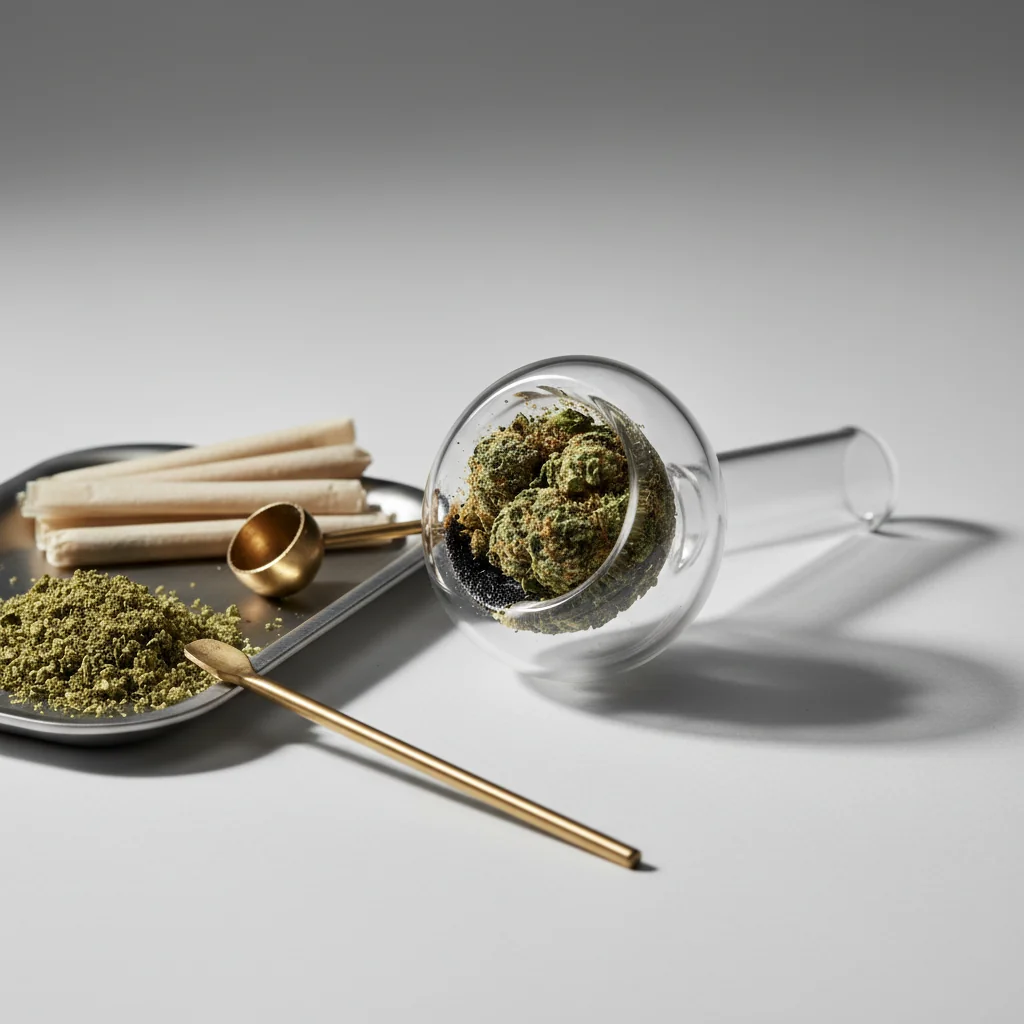
การเข้าโค้งเป็นทักษะมารยาทในการสูบบุหรี่ที่จำเป็น - ให้แสงสว่างเพียงบางส่วนของชามเพื่อรักษาสีเขียวสดสำหรับทุกคน ไม่ว่าคุณจะแบ่งปันกับเพื่อน ๆ หรือเพิ่มเซสชั่นเดี่ยวให้สูงสุด เทคนิคนี้จะช่วยให้ทุกคนมีรสชาติที่สดใหม่ แทนที่จะเป็นขี้เถ้าและสารตกค้าง
คำตอบอย่างรวดเร็ว
ในการเข้ามุมชาม: ถือไฟแช็กไว้ที่ขอบชาม ไม่ใช่ตรงกลาง จุดไฟเพียงลิ่มขนาดเล็ก (มุม) ของกัญชาสีเขียว หายใจเข้าในขณะที่เปลวไฟสัมผัสส่วนนั้น หมุนชามสำหรับคนต่อไปเพื่อให้พวกเขาได้มุมสดของตัวเอง ต่อรอบชามจนใช้สีเขียวทั้งหมด
ทำไมต้องเข้ามุมชามของคุณ?
สำหรับกลุ่มเซสชัน:
- ทุกคนโดนกรีนฮิต
- การแบ่งปันกัญชาสดอย่างยุติธรรม
- ไม่มีใครติดอยู่กับเถ้า
- แสดงความเคารพผู้อื่น
สำหรับการใช้งานเดี่ยว:
- ฮิตติดใจ สดใหม่หลายรายการ
- รสชาติดีขึ้นตลอด
- การใช้งานที่มีประสิทธิภาพมากขึ้น
- ยืดอายุชาม
ความแตกต่างระหว่างชามที่เข้ามุมและไฟกลางมีความสำคัญ - เข้ามุมให้ 4-6 สด 4-6 ในขณะที่ไฟกลางให้ 1 ตีดีและ 3-5 เถ้าถ่าน
ใช้คุณภาพ[ เครื่องบดจาก Munchmakers](https://munchmakers.com/product-category/custom-grinders/) ช่วยให้สามารถแพ็คมุมนั้นได้ดี สำหรับเคล็ดลับมารยาทกัญชาอย่างใบไม้ครอบคลุมโปรโตคอลการสูบบุหรี่ที่เหมาะสม
การเข้าโค้งแบบทีละขั้นตอน
ขั้นตอนที่ 1: บรรจุชามให้ถูกต้อง
การตั้งค่าสำหรับการเข้าโค้ง:
- แพ็คให้เท่ากันทั่วทั้งชาม
- พื้นผิวเรียบเรียบ
- ไม่แน่นเกินไป (ต้องการอากาศ)
- เติมขอบแต่อย่าเติมจนล้น
ทำไมถึงสำคัญ: การบรรจุที่ไม่สม่ำเสมอทำให้เกิดจุดร้อนที่เผาไหม้เร็วขึ้นทำให้การเข้าโค้งทำได้ยาก
ขั้นตอนที่ 2: วางตำแหน่งไฟแช็กของคุณ
เทคนิคสำคัญ:
- ถือไฟแช็กที่ขอบชามไม่อยู่ตรงกลาง
- เอียงเบากว่าเพื่อให้เปลวไฟชี้เข้าด้านในที่มุม
- เฉพาะขอบเปลวไฟสัมผัสกัญชาเท่านั้น
- คิดว่า "ขอบ" ไม่ใช่ "ลงตรงกลาง"
ความผิดพลาดทั่วไป: ถือไฟแช็กไว้เหนือกึ่งกลางโดยตรง - ไฟฉายทั้งชาม
ขั้นตอนที่ 3: แสงขณะหายใจเข้า
การเคลื่อนไหว:
1. เริ่มหายใจเข้าก่อนที่เปลวไฟจะสัมผัส
2 . แตะเปลวไฟไปที่ขอบชาม
3. ไฟลิ่มขนาดเล็กเท่านั้น (1/4 ถึง 1/6 ของชาม)
4. ลบเปลวไฟทันทีที่เชอร์รี่ส่วน
5. หายใจเข้าต่อไป
เชอร์รี่: ถ่านไฟที่ยังคงเผาไหม้อยู่ - เมื่อจุดไฟแล้ว คุณไม่จำเป็นต้องมีเปลวไฟ
ขั้นตอนที่ 4: ล้างการตีของคุณ
หลังแสง:
- ลบไฟแช็กทันที
- สูดดมต่อไป
- เชอร์รี่เผาส่วนของคุณ
- เมื่อเคลียร์แล้ว ให้หยุดวาด (ป้องกันการเผาไหม้สีเขียวของผู้อื่น)
อย่าวาดเกิน: ดูดมากเกินไปดึงเชอร์รี่ไปทั่วทั้งชาม
ขั้นตอนที่ 5: ผ่านและหมุน
สำหรับกลุ่มเซสชัน:
- หมุนชามให้คนหน้าเขียวสด
- ชี้ไปที่ส่วนที่ไม่ผ่านการเผา
- พูดว่า "กรีนนี่" หรือคล้ายกัน
- ส่งผ่านในทิศทางที่สม่ำเสมอ
คู่มือการหมุนชาม
เข้าโค้งเต็มชาม (กลุ่ม 4 )
` ` `
ตีแรก: มุมบนขวา
ตีสอง: มุมล่างขวา
ตีสาม: มุมล่างซ้าย
ตีสี่: มุมซ้ายบน
รอบชิงชนะเลิศ: ศูนย์ (เงินสด)
` ` `
การเข้าโค้งแบบโซโล (Higs maximize)
มุมเล็กกว่า = ฮิตที่สดใหม่มากขึ้น:
- ใช้ 1/6 ส่วนแทนที่จะเป็น 1/4
- ทำงานรอบปริมณฑลก่อน
- บันทึกศูนย์สุดท้าย
- ได้ 6-8 สดๆ จากชามเดียว
เครื่องมือเพื่อการเข้าโค้งที่ดีขึ้น
ไส้ตะเกียงป่าน
ประโยชน์:
- การควบคุมเปลวไฟที่แม่นยำ
- อุณหภูมิต่ำกว่าบิวเทน
- สัมผัสได้ง่ายขึ้นแค่ขอบ
- รสชาติดีกว่า (ไม่มีของเหลวที่เบากว่า)
เทคนิค: เปลวไฟที่เล็กกว่าของ Hemp Wick ทำให้การเข้าโค้งที่แม่นยำง่ายขึ้นมาก
ไฟแช็คแบบมุม
วาดลวดลาย: ไฟแช็คบางรุ่นมีหัวฉีดแบบทำมุมโดยเฉพาะสำหรับการเข้าโค้ง - เปลวไฟจะชี้ไปที่ขอบชามมากกว่าตรงกลาง
ไฟแช็คเลเซอร์ (ไฟฉาย)
ข้อดี: แม่นยำมาก ทนลม
ข้อเสียเปรียบ: เผาผลาญร้อน, ปิ้งกัญชาได้อย่างรวดเร็ว - ใช้การระเบิดที่รวดเร็วและควบคุมได้
ข้อผิดพลาดในการเข้าโค้งทั่วไป
ความผิดพลาด: การจุดศูนย์กลาง
ผล: ผิวชามทั้งหมดถูกเผา ไม่มีสีเขียวสำหรับผู้อื่น
ความ��: เข้าใกล้จากขอบเสมอ ไม่เคยจากจุดศูนย์กลางโดยตรง
ความผิดพลาด: แสงสว่างนานเกินไป
ผล: เชอร์รี่กระจายเกินส่วนของคุณ
ความ��: ลบเปลวไฟเมื่อคุณเห็นเชอร์รี่ - มันยังคงเผาไหม้โดยไม่มีเปลวไฟ
ความผิดพลาด: วาดยากเกินไป
ผล: ดูดเชอร์รี่ข้ามชาม เผาส่วนของคนอื่น
ความ��: หายใจเข้าอย่างนุ่มนวลและมั่นคง - วาดรูปดุดันกระจายการเผาไหม้
ความผิดพลาด: ลืมหมุน
ผล: คนต่อไปไฟบริเวณเดียวกัน เสียกัญชา
ความ��: พลิกชามก่อนผ่าน ชี้ส่วนสด
การเข้าโค้งประเภทชามต่าง ๆ
ช้อนท่อ
ใช้เทคนิคมาตรฐาน
ชามขนาดเล็ก = มุมน้อยลง (สูงสุด 2-3 คน)
ชามขนาดใหญ่ = มุมมากขึ้น (4-5 คน)
ชามบ้อง
พื้นที่ผิวขนาดใหญ่:
- มุมเพิ่มเติมที่เป็นไปได้
- มองเห็นได้ง่ายขึ้นว่าคุณอยู่ในที่ใด
- รองรับคนได้มากขึ้น
- มักจะ 4-6 มุมที่ดี
เกร็ด: ชามที่ใหญ่ขึ้นช่วยให้เข้าโค้งได้แม่นยำยิ่งขึ้นเนื่องจากขนาด
ตีหนึ่ง/Chillums
เข้าโค้งไม่ได้- ออกแบบมาสำหรับเพลงฮิตเดียว แพ็คจำนวนที่น้อยกว่าสำหรับการแบ่งปัน
มารยาทในการเข้าโค้ง
ในเซสชั่นกลุ่ม
กฎที่ไม่ได้เขียนไว้:
- มุมแรกมักจะไปที่ชามบรรจุ
- อย่าจุดไฟสีเขียวของคนอื่น
- หมุนอย่างสม่ำเสมอ (ซ้ายหรือขวา ติดมัน)
- ประกาศเมื่อชามเป็นเงินสด
- เสนอให้แพ็คใหม่ถ้าคุณทำเงินได้
ตัวชี้นำทางวาจา
- "ผักใบเขียว"= ชามสด โดนครั้งแรก
- "มุมซ้าย"= สีเขียวบางส่วนยังคงอยู่ที่ขอบ
- "มันเงินสด"= ชามเสร็จแล้ว ต้องบรรจุใหม่
- “มุมของคุณอยู่ที่นี่”= ชี้ไปที่ส่วนสด
เมื่อไหร่จะจุดไฟ
บางครั้งการเข้าโค้งก็ใช้ไม่ได้:
- เซสชั่นเดี่ยวเมื่อคุณต้องการอย่างรวดเร็ว
- ชามเล็กมาก
- เมื่อเรซินป้องกันมุมที่สะอาด
- เมื่อคุณเป็นคนสุดท้าย
ทำไมผักถึงอร่อยกว่า
วิทยาศาสตร์:
- ตีแรก: เทอร์พีนสด รสชาติจัดเต็ม
- ฮิตที่ตามมา: terpenes บางส่วนถูกไฟไหม้
- แอชฮิต: ส่วนใหญ่เป็นคาร์บอน รุนแรง รสเล็กน้อย
แยมประสบการณ์สำหรับทุกคนโดยทำให้แน่ใจว่าแต่ละคนจะได้รับรสชาติที่สดใหม่
เคล็ดลับการปฏิบัติ
สำหรับผู้เริ่มต้น
1. ซ้อมเดี่ยวก่อน- เรียนรู้การควบคุมเปลวไฟโดยไม่มีแรงกด
2. ใช้ไส้ตะเกียง- ความแม่นยำง่ายกว่าไฟแช็ค
3. ดูผู้มีประสบการณ์- สังเกตเทคนิคของพวกเขา
4. เริ่มต้นด้วยชามที่ใหญ่กว่า- พื้นที่เพิ่มเติมสำหรับข้อผิดพลาด
พัฒนาความแม่นยำ
- ชามที่ขนถ่ายเบา ๆ เพื่อดูว่าเปลวไฟของคุณไปที่ไหนอย่างเป็นธรรมชาติ
- ฝึกสัมผัสเบาลงถึงขอบชามโดยไม่ต้องใช้กัญชา
- รับมุมสบายก่อนจุดไฟชามจริง
เมื่อเข้าโค้งผิด
คุณบังเอิญไปจุดไฟ
สิ่งที่ต้องทำ:
- ขอโทษง่ายๆ : "ฉันแย่แล้ว ฉันจุดไฟ"
- เสนอให้บรรจุชามต่อไป
- เรียนรู้จากความผิดพลาด
- อย่าทำเรื่องใหญ่เลย
มีคนจุดไฟสีเขียวของคุณ
สิ่งที่ต้องทำ:
- มันเกิดขึ้น - อย่าสร้างฉาก
- อาจจะเตือนให้พวกเขาเข้ามุมอย่างสุภาพ
- ผู้สูบบุหรี่รุ่นใหม่อาจไม่รู้เทคนิค
- สอนอย่าวิจารณ์
คำถามที่พบบ่อย
การเข้ามุมชามหมายความว่าอย่างไร
การเข้าโค้งหมายถึงการให้แสงสว่างเพียงส่วนเล็กๆ (มุม) ของชามแทนที่จะเป็นพื้นผิวทั้งหมด วิธีนี้คงไว้ซึ่งกัญชาสีเขียวสดสำหรับคนอื่นๆ ที่แบ่งปันชาม แต่ละคนจุดไฟส่วนสดของตัวเอง หมุนไปรอบ ๆ ชามจนเสร็จ
คุณสามารถได้มุมกี่มุมจากชามเดียว?
ชามช้อนทั่วไปให้มุม 4-6 ชามบ้องขนาดใหญ่สามารถให้ 6-8 ขึ้นอยู่กับขนาดชาม ความหนาแน่นของการบรรจุ และมุมของคุณที่แม่นยำ ชามเล็กอาจให้ 2-3 มุมที่ดีเท่านั้น
การเข้าโค้งเฉพาะกลุ่มสูบบุหรี่หรือไม่?
ไม่ การเข้าโค้งมีประโยชน์ต่อผู้สูบบุหรี่คนเดียวเช่นกัน โดยการให้แสงส่วนเล็ก ๆ คุณจะได้รับเพลงฮิตที่สดใหม่หลายครั้งแทนที่จะเป็นเพลงฮิตเพียงครั้งเดียวตามด้วยเพลงที่ขี้เถ้า ช่วยเพิ่มรสชาติและประสิทธิภาพสูงสุดจากแต่ละชาม
คู่มือนี้มีไว้เพื่อการศึกษา กฎหมายกัญชาแตกต่างกันไปตามเขตอำนาจศาล
Step 1:
Step 2:
Step 3:
Step 4:
Frequently Asked Questions
การเข้าโค้งหมายถึงการให้แสงสว่างเพียงส่วนเล็กๆ (มุม) ของชามแทนที่จะเป็นพื้นผิวทั้งหมด วิธีนี้คงไว้ซึ่งกัญชาสีเขียวสดสำหรับคนอื่นๆ ที่แบ่งปันชาม แต่ละคนจุดไฟส่วนสดของตัวเอง หมุนไปรอบ ๆ ชามจนเสร็จ
ชามช้อนทั่วไปให้มุม 4-6 ชามบ้องขนาดใหญ่สามารถให้ 6-8 ขึ้นอยู่กับขนาดชาม ความหนาแน่นของการบรรจุ และมุมของคุณที่แม่นยำ ชามเล็กอาจให้ 2-3 มุมที่ดีเท่านั้น
ไม่ การเข้าโค้งมีประโยชน์ต่อผู้สูบบุหรี่คนเดียวเช่นกัน โดยการให้แสงส่วนเล็ก ๆ คุณจะได้รับเพลงฮิตที่สดใหม่หลายครั้งแทนที่จะเป็นเพลงฮิตเพียงครั้งเดียวตามด้วยเพลงที่ขี้เถ้า ช่วยเพิ่มรสชาติและประสิทธิภาพสูงสุดจากแต่ละชาม
Related Guides
Best Pipes for Flavor: Materials and Designs That Taste Best
Comprehensive guide about best pipes for flavor: materials and designs that taste best. Learn everything you need to know with expert tips and detailed instructions.
Bubbler vs Dry Pipe: Which is Better for You?
Comprehensive guide about bubbler vs dry pipe: which is better for you?. Learn everything you need to know with expert tips and detailed instructions.

Chillum Pipes: History, Types, and How to Use
Learn about chillum pipes - their ancient Indian origins, different types (glass, clay, stone), and proper cupped-hand smoking technique. Complete guide to this traditional straight-tube pipe.