

วิธีทำความสะอาดบ้องและท่อซิลิโคน: วิธีที่ปลอดภัย

Emma Chen
Glass Specialist
วิธีทำความสะอาดบ้องและท่อซิลิโคน: วิธีที่ปลอดภัย
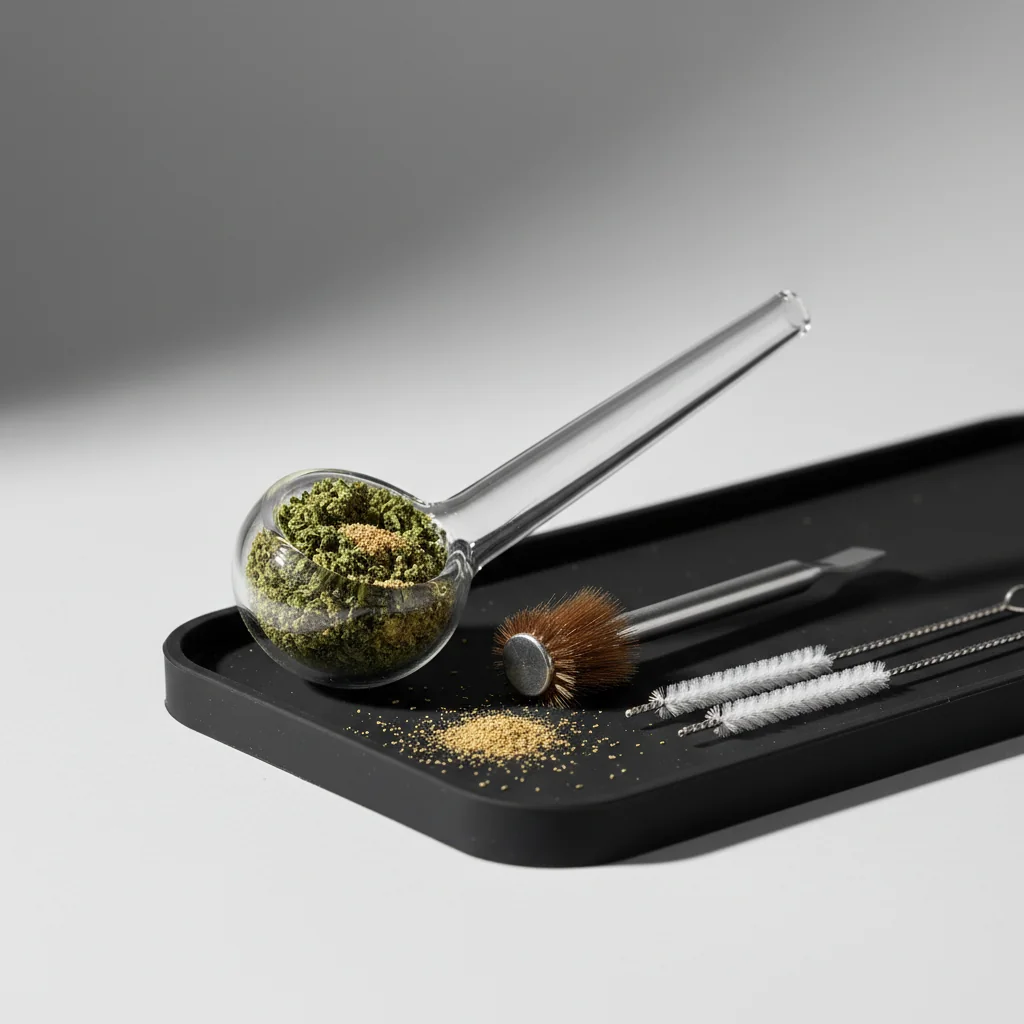
อุปกรณ์สูบซิลิโคนมีความทนทานและไม่แตกหัก แต่ต้องการวิธีการทำความสะอาดที่แตกต่างจากแก้ว การใช้สารทำความสะอาดที่ไม่ถูกต้อง (เช่น แอลกอฮอล์ไอโซโพรพิล) อาจทำให้ซิลิโคนเสียหายถาวร ไม่ว่าคุณจะทำความสะอาดภาชนะซิลิโคนจาก คอลเลกชันการเก็บรักษากลิ่นกันน้ำของ MunchMakers หรือท่อซิลิโคน คู่มือนี้ครอบคลุมเทคนิคการทำความสะอาดที่ปลอดภัยและมีประสิทธิภาพ
คำตอบด่วน
ในการทำความสะอาดซิลิโคน: ใช้น้ำอุ่นและสบู่ล้างจานเท่านั้น - ห้ามใช้แอลกอฮอล์ไอโซโพรพิล ขัดด้วยแปรงนุ่ม ล้างให้สะอาดและปล่อยให้แห้งสนิท ชิ้นส่วนซิลิโคนส่วนใหญ่สามารถล้างในเครื่องล้างจานได้ (ชั้นบน ไม่มีการอบแห้งด้วยความร้อน) สำหรับกลิ่น ใช้เบกกิ้งโซดาผสมข้ามคืน
ทำไมซิลิโคนจึงต้องการการทำความสะอาดที่แตกต่างกัน
ปัญหาของแอลกอฮอล์:
- แอลกอฮอล์ไอโซโพรพิลทำให้ซิลิโคนเสื่อมสภาพเมื่อเวลาผ่านไป
- ทำให้เกิดความเปราะและรอยแตก
- อาจทำให้สีเปลี่ยน
- อาจส่งผลต่อความปลอดภัยเกรดอาหาร
สิ่งที่ใช้ได้ผลสำหรับซิลิโคน:
- สบู่ล้างจานและน้ำ
- เบกกิ้งโซดา (สำหรับกลิ่น)
- เครื่องล้างจาน (ชั้นบน)
- วิธีการแช่แข็ง (สำหรับเรซินที่ดื้อรั้น)
บทความใน วิกิพีเดียเกี่ยวกับซิลิโคน อธิบายว่าคุณสมบัติที่เป็นเอกลักษณ์ของวัสดุนี้ทำให้มันทนทานต่ออุณหภูมิที่รุนแรงในขณะที่ยังไวต่อสารละลายบางชนิด
วิธีการใช้สบู่และน้ำ
นี่คือเทคนิคการทำความสะอาดหลักสำหรับซิลิโคน
ขั้นตอนที่ 1: ถอดประกอบ
ถอดชิ้นส่วนที่ไม่ใช่ซิลิโคนทั้งหมด:
- ชามแก้วและท่อ
- ตะแกรงโลหะ
- ชิ้นส่วนที่ถอดออกได้
- ทำความสะอาดแยกต่างหากด้วยวิธีที่เหมาะสม
ขั้นตอนที่ 2: ล้างด้วยน้ำอุ่น
การล้างเบื้องต้นจะช่วยขจัดเศษสิ่งสกปรก:
- ใช้น้ำอุ่น (ไม่ร้อน)
- เขย่าเพื่อให้เศษหลุดออก
- ให้น้ำไหลผ่านทุกช่อง
ขั้นตอนที่ 3: ใส่สบู่ล้างจาน
ใส่สบู่ล้างจานด้านใน:
- หยดสบู่ล้างจานมาตรฐานไม่กี่หยด
- Dawn, Palmolive หรือแบรนด์ที่คล้ายกันทำงานได้ดี
- เติมน้ำอุ่นลงไปบางส่วน
- เขย่าเพื่อสร้างฟอง
ขั้นตอนที่ 4: ขัด
ใช้แปรงขนแปรงนุ่ม:
- แปรงขวดทำงานได้ดี
- ใช้ท่อทำความสะอาดสำหรับพื้นที่แคบ
- อย่าใช้ฟองน้ำขัดที่มีความขรุขระ (อาจทำให้เกิดรอยขีดข่วน)
- มุ่งเน้นไปที่พื้นที่ที่มีการสะสมที่มองเห็นได้
สำหรับจุดที่ดื้อรั้น: ให้สบู่ในน้ำอยู่ประมาณ 30-60 นาทีก่อนขัด
ขั้นตอนที่ 5: ล้างให้สะอาด
ขจัดสบู่ออกทั้งหมด:
- ล้างหลายครั้งด้วยน้ำสะอาด
- เขย่าเพื่อให้ช่องทั้งหมดสะอาด
- ทำต่อไปจนกว่าน้ำจะใส
- ไม่ควรมีคราบสบู่เหลืออยู่
ขั้นตอนที่ 6: ทำให้แห้งสนิท
ให้แห้งตามอากาศก่อนใช้งานหรือเก็บ:
- ตั้งคว่ำเพื่อระบายน้ำ
- ให้แน่ใจว่าน้ำทั้งหมดออก
- ปล่อยให้แห้งตามอากาศจนหมด
- อย่าเก็บเมื่อยังชื้น (ป้องกันเชื้อรา)
วิธีการล้างจาน
ซิลิโคนที่ใช้สำหรับอาหารส่วนใหญ่สามารถล้างในเครื่องล้างจานได้
ก่อนการล้างจาน
ตรวจสอบ:
- ผู้ผลิตระบุว่าปลอดภัยสำหรับเครื่องล้างจาน
- ถอดชิ้นส่วนที่เป็นแก้วและโลหะทั้งหมดออก
- ตรวจสอบให้แน่ใจว่าเป็นซิลิโคนที่ใช้กับอาหารได้
การตั้งค่าเครื่องล้างจาน
ทำ:
- ใช้เฉพาะชั้นบนเท่านั้น
- รอบปกติ
- น้ำยาล้างจานมาตรฐาน
อย่า:
- ใช้รอบการอบแห้งที่มีความร้อน (อาจทำให้บิดเบี้ยว)
- วางใกล้กับองค์ประกอบความร้อน
- ใช้กับอุปกรณ์ที่คมซึ่งอาจทำให้เกิดการเจาะ
หลังการล้างจาน
- ตรวจสอบเศษที่เหลืออยู่
- ให้แห้งในอากาศให้หมดก่อนประกอบกลับ
- ตรวจสอบความเสียหายหรือการบิดเบี้ยวใดๆ
วิธีการแช่แข็ง
สำหรับเรซินที่ไม่หลุดออกด้วยสบู่และน้ำ
วิธีการทำงาน
ซิลิโคนมีความยืดหยุ่น เรซินไม่มี การแช่แข็งทำให้เรซินเปราะขณะที่ซิลิโคนยังคงยืดหยุ่น—ช่วยให้คุณสามารถงอชิ้นงานและทำให้เรซินที่แช่แข็งหลุดออกได้
ขั้นตอน
1. ล้าง เพื่อกำจัดเศษที่หลวม
2. แช่แข็ง เป็นเวลา 2-4 ชั่วโมง (หรือตลอดคืน)
3. นำออก จากช่องแช่แข็ง
4. งอทันที ซิลิโคน—งอและบิดอย่างเบาๆ
5. เรซินที่แช่แข็ง จะแตกและหลุดออก
6. ล้าง ด้วยน้ำอุ่น
7. ทำซ้ำ ถ้าจำเป็น
เคล็ดลับ
- ทำงานอย่างรวดเร็ว ก่อนที่ซิลิโคนจะอุ่นขึ้น
- อย่าบังคับถ้าสิ่งใดไม่หลุด
- สามารถรวมกับการทำความสะอาดด้วยสบู่หลังจากนั้น
การกำจัดกลิ่นจากซิลิโคน
ซิลิโคนสามารถดูดซับกลิ่นได้เมื่อเวลาผ่านไป นี่คือวิธีการทำให้มีกลิ่นหอม:
วิธีการใช้เบกกิ้งโซดา
มีประสิทธิภาพที่สุดสำหรับกลิ่นที่ฝังแน่น:
1. ทำให้เป็นเนื้อข้น (3:1 เบกกิ้งโซดาต่อน้ำ)
2. ทาในชิ้นส่วนให้ทั่วทุกพื้นผิว
3. ทิ้งไว้ข้ามคืน (8+ ชั่วโมง)
4. ล้างให้สะอาด
5. ทำซ้ำถ้ากลิ่นยังอยู่
การแช่เบกกิ้งโซดา
สำหรับกลิ่นที่เบากว่า:
1. ละลายเบกกิ้งโซดา 2 ช้อนโต๊ะในน้ำอุ่น
2. แช่ชิ้นซิลิโคนข้ามคืน
3. ล้างและทำให้แห้ง
วิธีการใช้แสงแดด
การทำให้มีกลิ่นหอมตามธรรมชาติ:
1. ทำความสะอาดชิ้นส่วนด้วยสบู่และน้ำก่อน
2. วางไว้ในแสงแดดโดยตรงเป็นเวลา 4-6 ชั่วโมง
3. รังสี UV ช่วยสลายสารที่ก่อให้เกิดกลิ่น
4. อย่าทิ้งไว้นานเกินไป (อาจทำให้สีจางลง)
การล้างด้วยน้ำส้มสายชู
การทำให้มีกลิ่นหอมแบบอ่อน:
1. ล้างด้วยน้ำส้มสายชูขาวเจือจาง (1:1 กับน้ำ)
2. ตามด้วยการล้างน้ำให้สะอาด
3. ใช้ได้กับกลิ่นเบา
สิ่งที่ไม่ควรทำ
ห้ามใช้แอลกอฮอล์ไอโซโพรพิล
- ทำให้โครงสร้างซิลิโคนเสื่อมสภาพ
- ทำให้เปราะบางเมื่อเวลาผ่านไป
- อาจทำให้เกิดรอยแตกและฉีกขาด
- ลดอายุการใช้งานอย่างมีนัยสำคัญ
หลีกเลี่ยงสารเคมีที่รุนแรง
อย่าใช้:
- น้ำยาฟอกขาว
- อะซิโตน
- ไฮโดรเจนเปอร์ออกไซด์ (ความเข้มข้นสูง)
- น้ำยาทำความสะอาดกระจกเชิงพาณิชย์
- น้ำยาทำความสะอาดที่มีความขัด
อย่าใช้ความร้อนสูงเกินไป
- ไม่ใช้น้ำเดือด (อาจทำให้เสียรูป)
- ไม่ใช้ไมโครเวฟ
- ห่างจากเปลวไฟ
- ข้ามการอบแห้งด้วยความร้อนในเครื่องล้างจาน
หลีกเลี่ยงเครื่องมือที่มีความขัด
- ไม่ใช้ขนเหล็ก
- ไม่ใช้แปรงขนแข็ง
- ไม่ใช้ฟองน้ำที่มีความขัด
- อาจทำให้เกิดรอยขีดข่วนและสะสมแบคทีเรีย
ความถี่ในการทำความสะอาด
ทุกวัน/หลังการใช้งานแต่ละครั้ง
- เทน้ำออก
- ล้างอย่างรวดเร็วด้วยน้ำสะอาด
- ปล่อยให้อากาศออกก่อนเก็บ
รายสัปดาห์ (ผู้ใช้ประจำ)
- ทำความสะอาดด้วยสบู่และน้ำอย่างเต็มที่
- ขัดด้วยแปรงทุกพื้นผิว
- ตรวจสอบการสะสมของกลิ่น
รายเดือน (หรือเมื่อจำเป็น)
- ทำความสะอาดลึกด้วยวิธีการแช่แข็งหากจำเป็น
- การใช้เบกกิ้งโซดาสำหรับกลิ่น
- ตรวจสอบความเสียหายหรือการสึกหรอ
การทำความสะอาดชิ้นส่วนซิลิโคนที่แตกต่างกัน
บ้องซิลิโคน
- ถอดชามกระจกและท่อส่งน้ำออกก่อน
- ทำความสะอาดฐานและคอแยกกัน
- ตรวจสอบให้แน่ใจว่า ที่จับน้ำแข็ง ถูกเคลียร์
- การออกแบบที่ยืดหยุ่นทำให้เข้าถึงภายในได้ง่ายขึ้น
ท่อซิลิโคน
- มักจะทำความสะอาดได้ง่ายกว่า
- เครื่องทำความสะอาดท่อสำหรับชามและห้อง
- สบู่และน้ำทำงานได้ดี
- อาจต้องการการบำบัดกลิ่นบ่อยขึ้น (ชิ้นเล็กจะดักกลิ่นได้)
ภาชนะซิลิโคน
- ใช้วิธีสบู่และน้ำเหมือนเดิม
- ใส่ใจในซีลฝา
- เปลี่ยนหากซีลเสียหาย
- อย่าเก็บในสภาพเปียก (อาจเกิดเชื้อรา)
แผ่น/ผ้าซิลิโคน
- โดยปกติแค่เช็ดด้วยผ้าชุบน้ำ
- สบู่และน้ำสำหรับการทำความสะอาดลึก
- วางให้แห้งในแนวราบ
- มักจะสามารถใส่ในเครื่องล้างจานได้
การป้องกันการสะสม
เคล็ดลับสำหรับการทำความสะอาดที่ง่ายขึ้น:
- เปลี่ยนน้ำบ่อยๆ (ถ้าใช้ได้)
- อย่าให้เรซินแห้งบนพื้นผิว
- ล้างอย่างรวดเร็วหลังแต่ละเซสชั่น
- เก็บในที่สะอาดและแห้ง
- ใช้ตะแกรงเพื่อลดการสัมผัสโดยตรง
เมื่อไหร่ควรเปลี่ยน
ซิลิโคนมีความทนทานแต่ไม่ถาวร เปลี่ยนหากคุณสังเกตเห็น:
- รอยแตกหรือฉีกขาด
- กลิ่นที่ยังคงอยู่หลังการทำความสะอาดลึก
- การเปลี่ยนสีที่ส่งผลต่อการใช้งาน
- การสูญเสียความยืดหยุ่น
- ซีลหรือการเชื่อมต่อที่เสียหาย
อายุเฉลี่ย: 2-5 ปีด้วยการดูแลที่เหมาะสม ขึ้นอยู่กับความถี่ในการใช้งาน.
คู่มือนี้มีไว้เพื่อการศึกษา กฎหมายเกี่ยวกับกัญชาจะแตกต่างกันไปตามเขตอำนาจ.
Step 1:
Step 2:
Step 3:
Step 4:
Step 5:
Frequently Asked Questions
ใช่ ซิลิโคนเกรดอาหารส่วนใหญ่สามารถล้างในเครื่องล้างจานได้ ใช้ชั้นบนและข้ามรอบการอบแห้งที่มีความร้อน เอาชิ้นส่วนแก้วและโลหะทั้งหมดออกก่อน ตรวจสอบแนวทางของผู้ผลิต
Related Guides
Best Bong Cleaning Solutions: DIY vs Commercial Products
Comprehensive guide about best bong cleaning solutions: diy vs commercial products. Learn everything you need to know with expert tips and detailed instructions.

Cannabis Accessory Cleaning Schedule: Daily, Weekly, Monthly
Create the perfect cleaning routine for all your cannabis accessories. Learn what needs daily attention, weekly cleaning, and monthly deep cleaning for optimal hygiene.

How to Clean Pipe Screens and Bowl Pieces
Learn proper techniques for cleaning metal and glass screens, bowl pieces, and downstems. Restore airflow and extend the life of your smoking accessories.