

บ่อยแค่ไหนที่คุณควรเปลี่ยนน้ำในบ้อง? คู่มือที่ครบถ้วน

Emma Chen
Glass Specialist
บ่อยแค่ไหนที่คุณควรเปลี่ยนน้ำในบ้อง? คู่มือที่ครบถ้วน
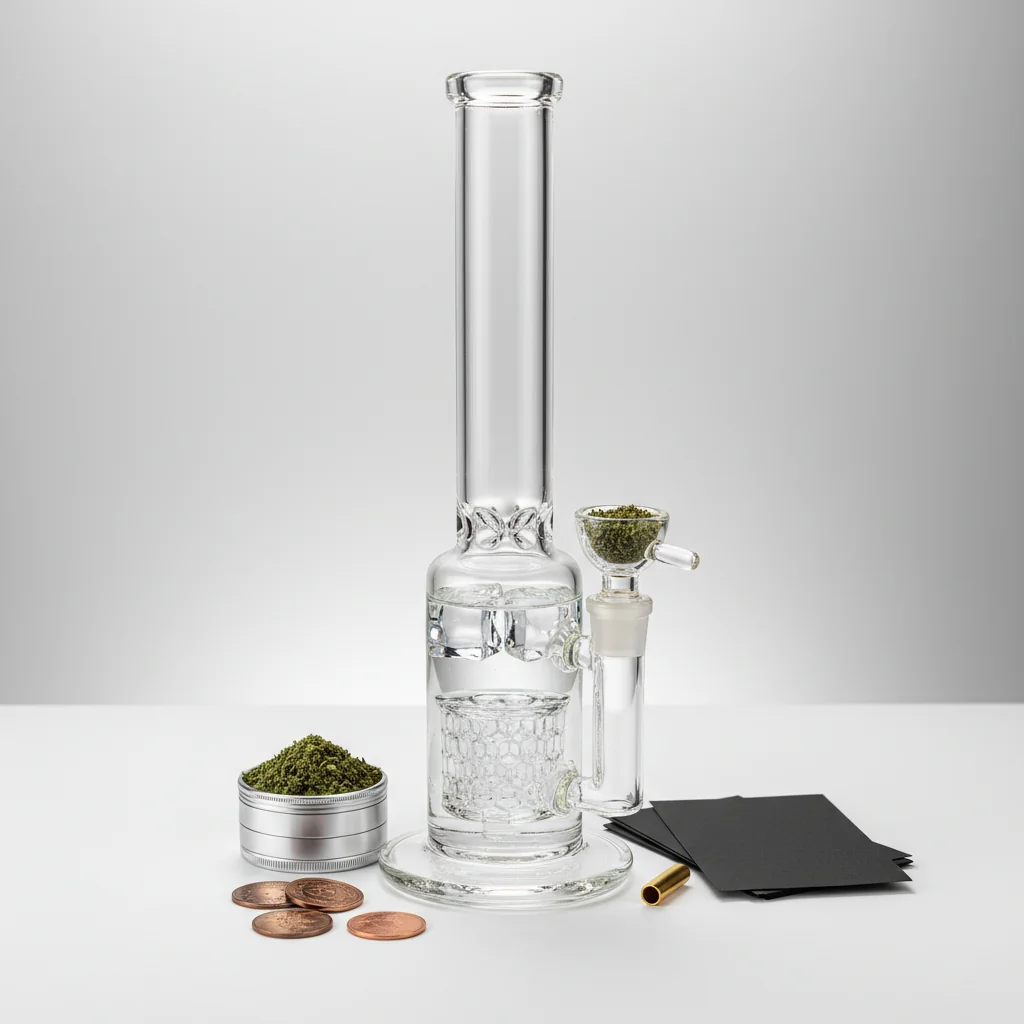
น้ำใหม่เป็นสิ่งจำเป็นสำหรับประสบการณ์การใช้บ้องที่สะอาดและมีสุขภาพดี ตามที่ แนวทางคุณภาพน้ำของ WHO ระบุว่าน้ำที่นั่งอยู่สามารถมีจุลินทรีย์ที่เป็นอันตรายได้ อย่างไรก็ตาม นี่เป็นหนึ่งในแง่มุมที่ถูกมองข้ามมากที่สุดในการดูแลบ้อง คู่มือนี้อธิบายว่าคุณควรเปลี่ยนน้ำบ่อยแค่ไหนตามการใช้งาน ความเสี่ยงต่อสุขภาพจากน้ำเก่า และแนวทางที่ดีที่สุดในการรักษาบ้องให้สดใหม่
คำตอบด่วน
เปลี่ยนน้ำในบ้องหลังจากทุกครั้งที่ใช้งานเพื่อผลลัพธ์ที่ดีที่สุด อย่างน้อยที่สุด อย่าปล่อยให้น้ำอยู่เกิน 24 ชั่วโมง แบคทีเรียเริ่มเติบโตในน้ำในบ้องทันทีหลังการใช้งาน - ความขุ่นที่มองเห็นได้หมายความว่ามันถึงเวลาที่ต้องเปลี่ยนแล้ว ผู้ใช้ประจำควรใช้น้ำใหม่ทุกครั้งที่ใช้งานและล้างบ้องระหว่างการใช้งาน
ทำไมน้ำใหม่ถึงสำคัญ
เหตุผลด้านสุขภาพ
การเจริญเติบโตของแบคทีเรีย:
- แบคทีเรียสามารถเพิ่มจำนวนขึ้นเป็นสองเท่าทุก 20 นาทีในสภาพที่เหมาะสม
- น้ำในบ้องให้สภาพแวดล้อมที่สมบูรณ์แบบ (อบอุ่น ชื้น มีสารอาหารจากเรซิน)
- หลังจาก 24 ชั่วโมง จะมีการสร้างอาณานิคมของแบคทีเรียอย่างมีนัยสำคัญ
- สามารถทำให้เกิดการติดเชื้อทางเดินหายใจเมื่อสูดดมผ่าน
เชื้อราและเชื้อจุลินทรีย์:
- เกิดขึ้นในน้ำที่นั่งอยู่ โดยเฉพาะในสภาพแวดล้อมที่ชื้น
- ชีวะฟิล์ม (ชั้นลื่น) เกิดขึ้นบนพื้นผิวแก้ว
- สปอร์ของเชื้อราสามารถถูกสูดดม ทำให้เกิดการระคายเคืองที่ปอด
สิ่งที่คุณกำลังสูดดม:
- น้ำใหม่: การกรองที่สะอาด
- น้ำเก่า: ซุปที่ปนเปื้อนของแบคทีเรีย เชื้อรา และสารที่กำลังเน่าเสีย
เหตุผลด้านคุณภาพ
การเสื่อมสภาพของรสชาติ:
- น้ำใหม่ = รสชาติที่สะอาดและบริสุทธิ์
- น้ำเก่า = รสชาติที่เก่าและขุ่น
- เรซินและเศษวัสดุสะสม ส่งผลต่อแต่ละการสูบ
ประสิทธิภาพการกรอง:
- น้ำสะอาดกรองอนุภาคได้อย่างมีประสิทธิภาพ
- น้ำสกปรกมีเศษวัสดุอิ่มตัวอยู่แล้ว
- มีผลทำให้การระบายความร้อนลดลงเมื่อมีการปนเปื้อนในน้ำ
จับคู่การเปลี่ยนน้ำเป็นประจำกับการ เก็บกัญชาอย่างเหมาะสม เพื่อประสบการณ์ที่สดใหม่ที่สุด
การเปลี่ยนตารางตามการใช้งาน
ผู้ใช้ประจำ (หลายเซสชันต่อวัน)
ตารางที่แนะนำ:
- น้ำสะอาดทุกเซสชัน (ดีที่สุด)
- อย่างน้อย: น้ำสะอาดทุกเช้า
- ล้างบ้องระหว่างเซสชัน
- อย่าทิ้งน้ำไว้ข้ามคืน
ทำไมต้องบ่อยขึ้น:
- เซสชันมากขึ้น = การปนเปื้อนเร็วขึ้น
- การสะสมของเรซินสูงขึ้น
- แหล่งอาหารสำหรับแบคทีเรียมากขึ้น
ผู้ใช้ทั่วไป (วันละครั้ง)
ตารางที่แนะนำ:
- น้ำสะอาดก่อนแต่ละเซสชัน
- เทและล้างหลังเซสชัน
- อย่าทิ้งน้ำไว้ระหว่างการใช้งาน
- ล้างอย่างรวดเร็วระหว่างการใช้งาน
ผู้ใช้บางครั้ง (ไม่กี่ครั้งต่อสัปดาห์)
ตารางที่แนะนำ:
- ใช้แต่น้ำสะอาดสำหรับแต่ละเซสชัน
- อย่าทิ้งน้ำระหว่างการใช้งาน
- ล้างและเช็ดบ้องหลังการใช้งานแต่ละครั้ง
- ทำความสะอาดบ้องก่อนการใช้งานแต่ละครั้งหากเก็บไว้กับน้ำเก่า
ผู้ใช้ในวันหยุด/ไม่บ่อย
ตารางที่แนะนำ:
- น้ำสะอาดเสมอ (ชัดเจน)
- อย่าเก็บบ้องกับน้ำ
- ทำความสะอาดอย่างทั่วถึงก่อนการใช้งานแต่ละครั้ง
- เก็บให้แห้งสนิทระหว่างการใช้งาน
สัญญาณว่าน้ำของคุณต้องเปลี่ยนเดี๋ยวนี้
สัญญาณทางสายตา:
- น้ำขุ่นหรือขุ่นมัว
- น้ำมีสีเหลือง/น้ำตาล
- มีอนุภาคที่มองเห็นลอยอยู่
- ฟิล์มบนผิวน้ำ
- คราบที่กระจกที่ระดับน้ำ
สัญญาณกลิ่น:
- กลิ่นไม่พึงประสงค์ใดๆ
- กลิ่นอับหรือกลิ่นเก่า
- สังเกตได้โดยไม่ต้องใช้บ้อง
สัญญาณรสชาติ:
- รสชาติที่ไม่สดใหม่และไม่น่าพอใจ
- การสูบที่รุนแรงกว่าปกติ
- รสชาติที่แตกต่างจากปกติ
หากคุณสังเกตเห็นสิ่งใดสิ่งหนึ่งเหล่านี้: เปลี่ยนทันที
กฎ 24 ชั่วโมง
อย่าปล่อยให้น้ำในบ้องนั่งอยู่เกิน 24 ชั่วโมง
นี่คือเหตุผล:
ชั่วโมง 0-1: น้ำยังคงสะอาด แค่กรองควัน
ชั่วโมง 1-6: แบคทีเรียเริ่มอาณานิคม เติบโตน้อยมาก
ชั่วโมง 6-12: ประชากรแบคทีเรียเพิ่มขึ้น เริ่มมีไบโอฟิล์ม
ชั่วโมง 12-24: การเติบโตของแบคทีเรียอย่างมีนัยสำคัญ คุณภาพน้ำลดลง
24+ ชั่วโมง: อาณานิคมแบคทีเรียขนาดใหญ่ อาจมีเชื้อรา เสี่ยงต่อสุขภาพ
สิ่งนี้ใช้ได้แม้ว่า:
- บ้องดูสะอาด
- น้ำดูใส
- คุณใช้มันเพียงครั้งเดียว
- มันถูกปิด
แบคทีเรียในน้ำบ้อง (วิทยาศาสตร์)
สิ่งที่เติบโตที่นั่น:
แบคทีเรียทั่วไป:
- Pseudomonas (อาจทำให้เกิดการติดเชื้อในปอด)
- E. coli (จากการสัมผัส)
- Staphylococcus (ทั่วไปแต่มีปัญหา)
- แบคทีเรียจากสิ่งแวดล้อมต่างๆ
มันเกิดขึ้นได้อย่างไร:
- ความร้อนจากควันสร้างอุณหภูมิที่เหมาะสม
- เรซินให้สารอาหาร
- สภาพแวดล้อมที่ชื้นส่งเสริมการเติบโต
- ปากของคุณนำแบคทีเรียเข้ามา
ความเสี่ยงต่อสุขภาพ:
- การติดเชื้อทางเดินหายใจ
- หลอดลมอักเสบ
- ในกรณีที่หายาก การติดเชื้อในปอดที่รุนแรง
- ระบบภูมิคุ้มกันที่ถูกทำลายมีความเสี่ยงสูงกว่า
แนวทางที่ดีที่สุดสำหรับน้ำสะอาด
ก่อนเริ่มแต่ละเซสชัน
1. เทน้ำเก่าออกให้หมด
2. ล้างด้วยน้ำอุ่น
3. เติมน้ำสะอาดใหม่
4. ทดสอบระดับน้ำโดยการสูดหายใจโดยไม่จุดไฟ
หลังจากแต่ละเซสชัน
1. เทน้ำออกทันที (หรือภายในหนึ่งชั่วโมง)
2. ล้างอย่างรวดเร็วด้วยน้ำอุ่น
3. เขย่าหรือน้ำส่วนเกินออก
4. ปล่อยให้แห้งในอากาศหากไม่ใช้ทันที
สำหรับการหยุดพักยาว
1. เทน้ำทั้งหมดออก
2. ทำความสะอาดด้วยแอลกอฮอล์/เกลือ
3. ล้างให้สะอาด
4. เช็ดให้แห้งสนิท
5. เก็บให้แห้ง
แล้วน้ำแข็งล่ะ น้ำ? น้ำแข็งไม่เปลี่ยนตารางเวลา.
ความเสี่ยงจากแบคทีเรียเหมือนเดิม
- น้ำแข็งละลาย ทำให้เจือจางแต่ไม่ทำให้บริสุทธิ์
- เปลี่ยนบ่อยเท่ากับน้ำปกติ
- ความเย็นชะลอแต่ไม่หยุดการเจริญเติบโตของแบคทีเรีย
- ข้อพิจารณาคุณภาพน้ำ
น้ำประปา
ใช้ได้ดีสำหรับผู้ใช้ส่วนใหญ่:
น้ำประปาผ่านการบำบัด
- แร่ธาตุไม่ส่งผลต่อการใช้บ้อง
- เป็นตัวเลือกที่พบมากที่สุด
- ข้อพิจารณา:
น้ำแข็งมีแร่ธาตุทิ้งไว้
- รสคลอรีนอาจถ่ายโอนไปเล็กน้อย
- น้ำกรอง
ดีกว่าเล็กน้อย:
แร่ธาตุน้อยลง = คราบน้อยลง
- รสชาติที่สะอาดกว่า
- คุ้มค่าหากคุณมีตัวกรองอยู่แล้ว
- Worth it if you have a filter anyway
น้ำกลั่น
ตัวเลือกที่สะอาดที่สุด:
- ไม่มีแร่ธาตุ
- สะสมคราบน้อยที่สุด
- ประสิทธิภาพดีกว่าเล็กน้อย
- อาจจะมากเกินไปสำหรับผู้ใช้ส่วนใหญ่
สิ่งที่ไม่ควรใช้
- น้ำที่ยืนอยู่ (บ่อ, แหล่งน้ำ - ชัดเจน)
- น้ำในสระ (คลอรีน, สารเคมี)
- น้ำรสชาติ (น้ำตาล = อาหารของแบคทีเรีย)
- น้ำบรรจุขวดเก่า (มีปัญหาเดียวกับน้ำในบ้องเก่า)
ข้อแก้ตัวทั่วไป (และทำไมมันถึงผิด)
"น้ำยังดูใสอยู่"
แบคทีเรียมีขนาดเล็กมาก เมื่อใดก็ตามที่น้ำดูสกปรก มันถูกปนเปื้อนมาหลายชั่วโมงแล้ว น้ำใสที่มีอายุมากกว่า 24 ชั่วโมงยังคงปนเปื้อนอยู่
"ฉันจะเปลี่ยนมันพรุ่งนี้"
กฎ 24 ชั่วโมงมีเหตุผล "พรุ่งนี้" หมายความว่าแบคทีเรียมีเวลาทั้งคืนในการขยายพันธุ์ เปลี่ยนมันตอนนี้เถอะ - ใช้เวลาเพียง 30 วินาที
"มันแค่ฉันที่ใช้มัน"
แบคทีเรียของคุณเองยังคงเติบโต ปากของคุณจะนำแบคทีเรียใหม่เข้ามาทุกครั้งที่ใช้ บ้องที่ใช้คนเดียวก็สกปรกได้เท่ากัน
"ฉันปิดมันไว้ดังนั้นมันก็โอเค"
การปิดไม่ฆ่าแบคทีเรียที่อยู่ในน้ำแล้ว อาจจะชะลอการระเหยแต่ไม่รักษาความสดใหม่
"ฉันแค่สูบไปครั้งเดียว"
การสูบครั้งเดียวก็ยังนำแบคทีเรียและคราบควันเข้ามา การปนเปื้อนเริ่มต้นทันที
คู่มืออ้างอิงด่วน
ข้อสรุป
การเปลี่ยนน้ำในบ้องคือ:
- ฟรี
- ใช้เวลา 30 วินาที
- สุขภาพดีขึ้นอย่างมีนัยสำคัญ
- ทำให้รสชาติของการสูบดีขึ้น
- เป็นนิสัยที่ง่ายต่อการสร้าง
การไม่เปลี่ยนน้ำคือ:
- ความเสี่ยงต่อสุขภาพ
- มีผลต่อรสชาติ
- ขี้เกียจ
- ไม่จำเป็น
ไม่มีเหตุผลที่ดีในการใช้น้ำบ้องเก่า สร้างนิสัยในการใช้น้ำใหม่ - ปอด (และต่อมรับรส) ของคุณจะขอบคุณคุณ
คู่มือนี้จัดทำขึ้นเพื่อวัตถุประสงค์ทางการศึกษา กฎหมายเกี่ยวกับกัญชาจะแตกต่างกันไปตามเขตอำนาจ
Frequently Asked Questions
ใช่ แบคทีเรียสามารถเพิ่มจำนวนขึ้นเป็นสองเท่าทุก 20 นาทีในน้ำในบ้อง การนั่งทิ้งไว้ข้ามคืนทำให้มีการเจริญเติบโตของแบคทีเรียอย่างมีนัยสำคัญ การสร้างชีวะฟิล์ม และการพัฒนาของเชื้อรา ควรเทน้ำในบ้องออกหลังจากใช้งานเสมอ
ใช่ น้ำในบ้องเก่าสามารถมีแบคทีเรีย เชื้อรา และเชื้อจุลินทรีย์ที่เป็นอันตราย การสูดดมผ่านน้ำที่ปนเปื้อนสามารถทำให้เกิดการติดเชื้อทางเดินหายใจ การระคายเคืองที่ปอด และในกรณีที่รุนแรงอาจทำให้เกิดการติดเชื้อในปอด
น้ำเย็นไม่จำเป็นต้องเปลี่ยนบ่อยกว่าน้ำที่อุณหภูมิห้อง อย่างไรก็ตาม อาจเกิดการควบแน่นซึ่งอาจนำความชื้นและแบคทีเรียเพิ่มเติมมาเปลี่ยนที่ความถี่เดียวกันไม่ว่าจะเป็นอุณหภูมิใด
Related Guides
Ash Catcher Guide: Keep Your Bong Clean Longer
Complete guide to ash catchers for bongs: what they do, types including dry and percolator ash catchers, joint sizes and angles, how to use and clean them, and how to choose the right one.

Ash Catchers: What They Do and Why Use One
Learn what ash catchers do, how they keep your bong clean, and whether you need one. Understand different types, how to choose the right size, and maintenance tips.
Beaker vs Straight Tube Bongs: Which Style is Better?
Comprehensive guide about beaker vs straight tube bongs: which style is better?. Learn everything you need to know with expert tips and detailed instructions.