

เชือกกัญชากับไฟแช็ก 2026: อันไหนดีกว่าสำหรับกัญชา?

James Wilson
Cannabis Culture Writer
เชือกกัญชากับไฟแช็ก 2026: อันไหนดีกว่าสำหรับกัญชา?
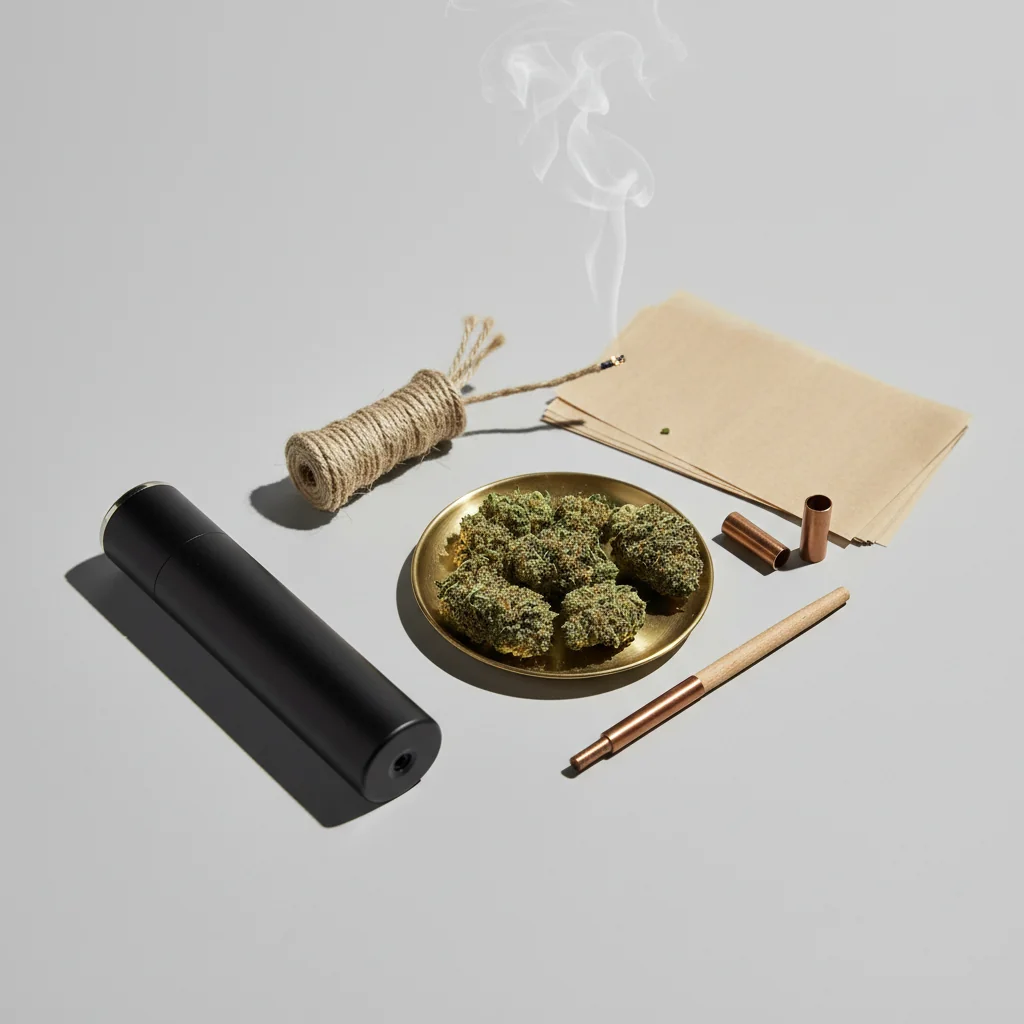
การถกเถียงระหว่างเชือกกัญชากับไฟแช็กแบบดั้งเดิมได้แบ่งแยกผู้ที่ชื่นชอบกัญชามาหลายปี ทั้งสองฝ่ายมีผู้สนับสนุนที่มีความกระตือรือร้นอ้างว่ามีรสชาติที่เหนือกว่า ประโยชน์ต่อสุขภาพ และประสบการณ์โดยรวม คู่มือนี้เปรียบเทียบทั้งสองวิธีอย่างเป็นกลาง
คำตอบสั้นๆ
เชือกกัญชาให้เปลวไฟที่อุณหภูมิต่ำกว่าและไม่มีบิวเทนที่หลายคนอ้างว่าผลิตรสชาติที่สะอาดกว่าและการสูบที่ราบรื่นกว่า ไฟแช็กมีความสะดวกสบาย ความน่าเชื่อถือ และค่าใช้จ่ายที่ต่ำกว่า ตัวเลือกที่ "ดีที่สุด" ขึ้นอยู่กับลำดับความสำคัญของคุณ: ผู้ที่ชื่นชอบรสชาติมักจะเลือกเชือกกัญชา ในขณะที่ผู้ใช้ที่มุ่งเน้นความสะดวกสบายจะใช้ไฟแช็ก ผู้ใช้ที่มีประสบการณ์หลายคนจะมีทั้งสองอย่างพร้อมใช้งาน
เชือกกัญชาคืออะไร?
สำหรับวิทยาศาสตร์การเผาไหม้และการวิจัยอุณหภูมิ, NIST (สถาบันมาตรฐานและเทคโนโลยีแห่งชาติ) ให้ข้อมูลการวัดที่ได้มาตรฐาน
เชือกกัญชาเป็นทางเลือกธรรมชาติแทนไฟแช็กบิวเทน ประกอบด้วย:
- แกน: เชือกกัญชาที่ทำจากกัญชาออร์แกนิก
- การเคลือบ: ขี้ผึ้งธรรมชาติ
- การเผาไหม้: เปลวไฟที่ช้าและควบคุมได้
- อุณหภูมิ: ต่ำกว่าบิวเทน (~700°F เทียบกับ 3,500°F)
วิธีการใช้: จุดเชือกกัญชาด้วยไฟแช็ก จากนั้นใช้เปลวไฟของเชือกกัญชาในการจุดกัญชาของคุณ ปิดไฟโดยการเขย่าหรือบีบ
เชือกกัญชา: ข้อดีและข้อเสีย
ข้อดี
ประโยชน์ด้านรสชาติ:
- ไม่มีการรบกวนรสชาติจากบิวเทน
- หลายคนรายงานว่ามีกัญชาที่ "สะอาดกว่า"
- รักษาโปรไฟล์เทอร์ปีนได้ดีกว่า
- การสูบที่ราบรื่นกว่าและไม่รุนแรง
ข้อดีด้านการควบคุม:
- อุณหภูมิต่ำกว่า = การเผาไหม้น้อยลง
- การวางเปลวไฟที่แม่นยำมากขึ้น
- อัตราการเผาไหม้ช้าลง
- ความเสี่ยงในการไหม้ไหม้ลดลง
ประโยชน์ต่อสุขภาพที่อาจเกิดขึ้น:
- ไม่มีการสูดดมบิวเทน
- ขี้ผึ้งธรรมชาติ (โดยทั่วไปถือว่าปลอดภัย)
- อุณหภูมิการเผาไหม้ต่ำกว่า
- เส้นใยกัญชาที่ปลูกแบบออร์แกนิก
ข้อเสีย
ปัญหาความสะดวก:
- ต้องใช้ไฟแช็กในการจุดไฟในตอนแรก
- ลมมีผลกระทบต่อเปลวไฟอย่างมาก
- กระบวนการจุดไฟช้ากว่า
- ต้องจัดการ/พันเชือก
ข้อกังวลที่เป็นจริง:
- มีค่าใช้จ่ายระยะยาวสูงกว่าฟืน
- อาจยุ่งเหยิง (คราบขี้ผึ้ง)
- มีช่วงการเรียนรู้สำหรับผู้เริ่มต้น
- ไม่สะดวกในการพกพา
ไฟแช็ก: ข้อดีและข้อเสีย
ประเภทของไฟแช็ก
แบบ BIC (เปลวไฟอ่อน):
- ไฟแช็กใช้แล้วทิ้งมาตรฐาน
- ไฟแช็ก BIC แบบกำหนดเอง พร้อมการออกแบบที่ปรับแต่งได้
- เชื่อถือได้ ราคาย่อมเยา หาซื้อได้ง่าย
เปลวไฟเจ็ท/ทอร์ช:
- ไฟแช็กเปลวไฟเจ็ทแบบกำหนดเอง เพื่อความต้านทานลม
- อุณหภูมิสูงกว่า เปลวไฟที่มุ่งเน้น
- เหมาะสำหรับการใช้งานกลางแจ้ง
คลิปเปอร์/เติมได้:
- ตัวเลือกที่เป็นมิตรกับสิ่งแวดล้อม
- เครื่องมือโป๊กเกอร์ในตัว
- คุ้มค่าในระยะยาว
ข้อดีของไฟแช็ก
ความสะดวก:
- การใช้งานด้วยมือเดียว
- ทำงานได้ในทุกสภาพ
- เปลวไฟทันที
- พกพาสะดวกมาก
- ไม่ต้องเตรียมการ
ความน่าเชื่อถือ:
- ประสิทธิภาพที่สม่ำเสมอ
- มีตัวเลือกที่ทนต่อแรงลม
- อายุการใช้งานยาวนานต่อหน่วย
- มีจำหน่ายทั่วไปทุกที่
ค่าใช้จ่าย:
- ถูกกว่าการใช้เชือกกัญชาในระยะยาว
- ไฟแช็ก BIC ใช้งานได้หลายสัปดาห์ถึงหลายเดือน
- ไม่ต้องใช้เครื่องมือเพิ่มเติม
ข้อเสียของไฟแช็ก
ข้อกังวลที่อาจเกิดขึ้น:
- รสชาติของบิวเทน (เล็กน้อย, มีการถกเถียง)
- อุณหภูมิการเผาไหม้ที่สูงกว่า
- การสัมผัสกับบิวเทนในระยะสั้น
- การควบคุมเปลวไฟที่ไม่แม่นยำ
การเปรียบเทียบโดยตรง
การทดสอบรสชาติ
สิ่งที่ผู้ใช้เชือกกัญชาพูด:
- "ความแตกต่างในรสชาติชัดเจนมาก"
- "รสชาติเหมือนกัญชาเอง ไม่ไหม้"
- "การสูบที่นุ่มนวลกว่า ระคายเคืองคอที่น้อยลง"
- "สามารถสัมผัสความแตกต่างของสายพันธุ์ได้ดีกว่า"
สิ่งที่ผู้ใช้ไฟแช็กพูด:
- "ฉันไม่รู้สึกถึงกลิ่นบิวเทนเลย"
- "ไม่มีความแตกต่างที่สังเกตได้"
- "บิวเทนจะถูกเผาไหม้ก่อนที่จะสูดดม"
- "ความชอบ ไม่ใช่ความจำเป็น"
ความจริง:
ความไวต่อรสชาติแตกต่างกันไปในแต่ละบุคคล ผู้ที่มีรสนิยมที่ละเอียดหรือสูบกัญชาคุณภาพสูงมักจะสังเกตเห็นความแตกต่าง ผู้ใช้ทั่วไปอาจไม่รับรู้การเปลี่ยนแปลงที่สำคัญ
ข้อพิจารณาด้านสุขภาพ
การสัมผัสบิวเทน
ข้อเท็จจริง:
- บิวเทนโดยทั่วไปถือว่ามีความเป็นพิษต่ำ
- เผาไหม้เกือบหมดในระหว่างการเผา
- การสัมผัสในระยะสั้นระหว่างการจุดไฟ
- ไม่มีการศึกษาที่สำคัญแสดงให้เห็นถึงอันตราย
ทางเลือกเชือกกัญชา:
- ไม่มีบิวเทนเลย
- ขี้ผึ้งปลอดภัยสำหรับอาหาร
- กัญชาเป็นวัสดุจากพืชออร์แกนิก
- การเผาไหม้ที่ต่ำกว่าอาจลดยางมะตอย
ข้อสรุป: ทั้งสองอย่างไม่มีความเสี่ยงต่อสุขภาพที่สำคัญ เชือกกัญชากำจัดตัวแปรหนึ่ง (บิวเทน) แต่การเผากัญชาทั้งหมดเป็นปัญหาสุขภาพหลักไม่ว่าจะเป็นแหล่งจุดไฟใด
อุณหภูมิและการเผาไหม้
ทำไมอุณหภูมิถึงสำคัญ
การเผากัญชา:
- แคนนาบินอยด์จะระเหยที่ 315-440°F
- การเผาไหม้เต็มที่เกิดขึ้นที่ประมาณ 450°F ขึ้นไป
- อุณหภูมิที่สูงขึ้น = การเผาไหม้ที่สมบูรณ์มากขึ้น
- อุณหภูมิที่ต่ำกว่า = รสชาติมากขึ้น น้อยลง
เชือกกัญชา (~700°F):
- ยังคงอยู่เหนือเกณฑ์การเผาไหม้
- การเผาไหม้ที่น้อยลง
- รักษาเทอร์พีนได้มากขึ้น
- การให้ความร้อนที่ช้าลงและควบคุมได้
ไฟแช็กบิวเทน (~3,500°F):
- เกินอุณหภูมิที่ต้องการอย่างมาก
- การเผาไหม้ที่รวดเร็วและรุนแรง
- อาจทำลายเทอร์ปีนบางชนิด
- รวดเร็วและมีประสิทธิภาพ
การวิเคราะห์ต้นทุน
ค่าใช้จ่ายของเชือกกัญชา
ราคาทั่วไป:
- ม้วน 50 ฟุต: $5-8
- ม้วน 200 ฟุต: $12-18
- ใช้งานได้นาน 2-3 เดือน (การใช้งานปกติ)
- ค่าใช้จ่ายประจำปี: $40-60
บวก: ยังต้องการไฟแช็กเพื่อจุดเชือก
ค่าใช้จ่ายไฟแช็ก
BIC/ใช้แล้วทิ้ง:
- $2-3 ต่อไฟแช็ก
- ใช้งานได้นาน 3-4 สัปดาห์ (การใช้งานปกติ)
- ค่าใช้จ่ายประจำปี: $25-40
- $3-8 ต่อหน่วย
- อายุการใช้งานเท่ากัน
- มีการออกแบบที่ปรับแต่งได้
เติมได้ (Clipper/Zippo):
- $5-15 ค่าต้นทุนเริ่มต้น
- $3-5 ค่าการเติมต่อปี
- ค่าใช้จ่ายประจำปี: $5-10
กรณีการใช้งานที่ดีที่สุด
เลือกเชือกกัญชา หาก:
- รสชาติเป็นสิ่งสำคัญที่สุดของคุณ
- คุณบริโภคกัญชาคุณภาพสูง
- คุณชอบพิธีกรรมและความตั้งใจ
- การเพิ่มประสิทธิภาพสุขภาพสำคัญสำหรับคุณ
- คุณสูบบุหรี่ในร่มเป็นหลัก
- คุณต้องการควบคุมอุณหภูมิอย่างแม่นยำ
เลือกไฟแช็ก หาก:
- ความสะดวกสบายเป็นสิ่งสำคัญ
- คุณสูบบุหรี่กลางแจ้งบ่อยครั้ง
- การตระหนักถึงค่าใช้จ่ายเป็นสิ่งสำคัญ
- คุณชอบความเรียบง่าย
- คุณไม่สังเกตความแตกต่างของรสชาติ
- เซสชันที่รวดเร็วเป็นเรื่องปกติ
ใช้ทั้งสองอย่างถ้า:
- คุณต้องการสิ่งที่ดีที่สุดจากทั้งสองโลก
- สถานการณ์ที่แตกต่างต้องการเครื่องมือที่แตกต่างกัน
- คุณยังตัดสินใจเกี่ยวกับความชอบของคุณอยู่
- คุณแบ่งปันกับคนอื่นที่มีความชอบที่แตกต่างกัน
วิธีการใช้เชือกกัญชา
การตั้งค่า
1. พันเชือกรอบไฟแช็ก เพื่อการเก็บรักษา
2. ทิ้งให้มีความยาว 1-2 นิ้วที่เปิดเผย
3. เก็บม้วนให้เข้าถึงได้
การจุดไฟ
1. จุดไฟที่ปลายเชือกด้วยไฟแช็ก
2. รอให้บิวเทนไหม้หมด (1-2 วินาที)
3. นำเปลวไฟจากเชือกกัญชาไปที่กัญชา
4. ควบคุมโดยการเอียงหรือเคลื่อนที่เชือก
5. ดับไฟโดยการเขย่าหรือบีบ
เคล็ดลับ
- ลม: ใช้มือปิดรอบเปลวไฟ
- ความยาว: รักษาให้มีไฟ 2-3 นิ้วเพื่อการควบคุมที่ดีที่สุด
- การเก็บรักษา: เก็บในที่แห้ง
- การจับคู่: ใช้กับคุณภาพ [ถาดม้วน](https://munchmakers.com/product-category/custom-rolling-trays/) เพื่อจับน้ำขี้ผึ้งที่หยด
ผลิตภัณฑ์ที่แนะนำ
เชือกกัญชา
แบรนด์ยอดนิยม:
- Bee Line
- Humboldt Hemp Wick
- Raw Hemp Wick
- I-Tal Hemp Wick
สิ่งที่ควรมองหา:
- กัญชงออร์แกนิก
- เคลือบด้วยขี้ผึ้งบริสุทธิ์
- อัตราการเผาไหม้ที่สม่ำเสมอ
- ไม่มีสารเติมแต่ง
ไฟแช็ก
ตัวเลือกที่ดีที่สุด:
- ไฟแช็ก BIC แบบกำหนดเอง - เชื่อถือได้และมีสไตล์ส่วนตัว
- ไฟแช็กเปลวไฟเจ็ท - กันลม
- Clipper แบบเติมได้ - ตัวเลือกที่เป็นมิตรกับสิ่งแวดล้อม
- Zippo - คลาสสิก ทนทาน
แนวทางแบบผสม
ผู้ใช้ที่มีประสบการณ์หลายคนใช้ทั้งสองแบบ:
ที่บ้าน (เชือกกัญชง):
- เวลาสำหรับพิธีกรรมที่เหมาะสม
- สภาพแวดล้อมที่ควบคุมได้
- มุ่งเน้นที่รสชาติ
- ไม่มีปัญหาเรื่องลม
ระหว่างเดินทาง (ไฟแช็ก):
- ความสะดวกสบายอย่างรวดเร็ว
- กันลม (เปลวไฟเจ็ท)
- อุปกรณ์เสริมขั้นต่ำ
- ประสิทธิภาพที่เชื่อถือได้
จับคู่กับ:
- ขวดเก็บ [แบบกำหนดเอง](https://munchmakers.com/product/custom-stash-jar) สำหรับการจัดเก็บ
- ถาดม้วน สำหรับการจัดระเบียบ
- ถุงกันกลิ่น สำหรับการพกพา
สรุป
เชือกกัญชงเหมาะที่สุดสำหรับ:
- ผู้ที่ชื่นชอบรสชาติ
- ผู้ใช้ที่ใส่ใจสุขภาพ
- เซสชันในร่ม
- กัญชาที่มีคุณภาพสูง
ไฟแช็กเหมาะที่สุดสำหรับ:
- ผู้ที่มองหาความสะดวกสบาย
- การใช้งานกลางแจ้ง
- เซสชันที่รวดเร็ว
- ผู้ใช้ที่ใส่ใจงบประมาณ
คำตัดสิน: ไม่มีตัวเลือกใดที่ "ดีกว่า" อย่างชัดเจน - ขึ้นอยู่กับความสำคัญของคุณ หากคุณยังไม่เคยลองใช้เชือกกัญชา มันก็คุ้มค่าที่จะทดลองดูว่าคุณสังเกตเห็นความแตกต่างหรือไม่ ผู้ใช้หลายคนที่ลองใช้แล้วไม่กลับไปใช้ไฟแช็กอีก; คนอื่นๆ พบว่าไฟแช็กนั้นเพียงพอแล้ว.
คู่มือนี้จัดทำขึ้นเพื่อวัตถุประสงค์ทางการศึกษา กฎหมายเกี่ยวกับกัญชาจะแตกต่างกันไปตามเขตอำนาจศาล.
Frequently Asked Questions
เชือกกัญชาเผาไหม้ที่อุณหภูมิต่ำกว่าบิวเทน (หลีกเลี่ยงการสูดดมบิวเทนที่อาจเกิดขึ้น) และใช้การเคลือบด้วยขี้ผึ้งธรรมชาติ ผู้ใช้หลายคนรายงานว่ามีรสชาติที่สะอาดกว่าและประสบการณ์ที่ราบรื่นกว่า แม้ว่าการศึกษาทางวิทยาศาสตร์เกี่ยวกับความแตกต่างด้านสุขภาพจะมีจำกัด
Related Guides

Best Lighters for Cannabis 2026: BIC, Torch, Hemp Wick & More
Complete guide to choosing the best lighter for cannabis. Compare soft flame BICs, torch lighters, hemp wick, and electric plasma options. Find the perfect lighter for your consumption method.

Budget Smoking Setup Under $50: Complete Starter Kit 2026
Build a complete quality smoking setup for under $50. Smart shopping guide for grinders, rolling trays, storage, and accessories without sacrificing quality.

Ultimate Cannabis Gift Guide 2026: Accessories for Every Budget
Complete cannabis gift guide with accessory recommendations for every budget. From stocking stuffers to premium gifts, find perfect presents for cannabis enthusiasts.