

การนำความร้อนกับการพาความร้อนในเครื่องทำไอ: วิธีการทำความร้อนที่อธิบาย

David Martinez
Concentrate Expert
การนำความร้อนกับการพาความร้อนในเครื่องทำไอ: วิธีการทำความร้อนที่อธิบาย
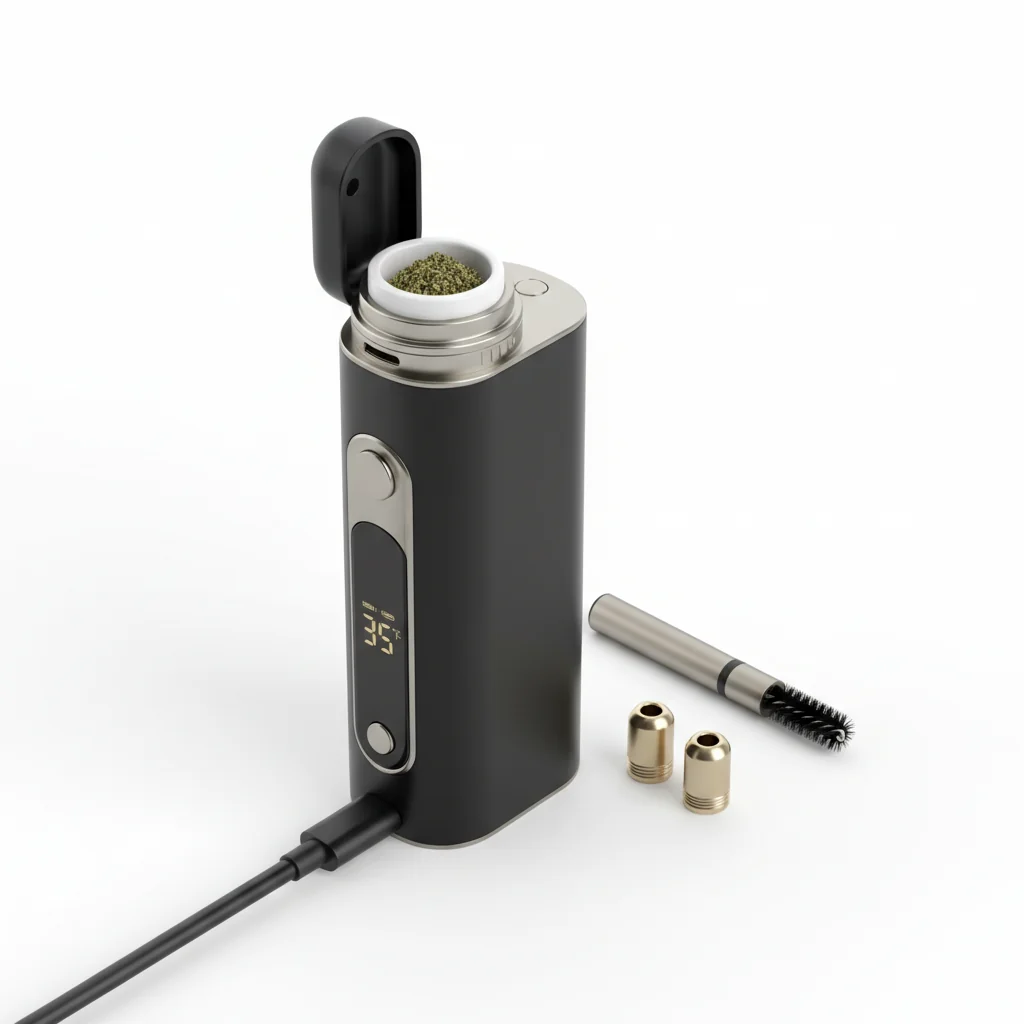
เมื่อคุณช็อปปิ้งสำหรับเครื่องทำไอสมุนไพรแห้ง คุณจะพบกับสองวิธีการทำความร้อนหลัก: การนำความร้อนและการพาความร้อน การเข้าใจว่าทั้งสองวิธีทำงานอย่างไรจะช่วยให้คุณเลือกอุปกรณ์ที่เหมาะสมกับความชอบของคุณ คู่มือนี้จะแบ่งปันวิทยาศาสตร์ ประโยชน์ และข้อเสียของแต่ละประเภทการทำความร้อน
สำหรับแบตเตอรี่ทำไอคุณภาพสูง ตรวจสอบที่ แบตเตอรี่เกลียว 510 จาก MunchMakers. สำหรับวิทยาศาสตร์การถ่ายโอนความร้อน Engineering ToolBox ให้ข้อมูลทางเทคนิคเกี่ยวกับการนำความร้อนและการพาความร้อน
คำตอบด่วน
เครื่องทำไอนำความร้อนทำให้กัญชาอุ่นขึ้นผ่านการสัมผัสโดยตรงกับพื้นผิวร้อน (เช่น กระทะบนเตา) เครื่องทำไอพาความร้อนทำให้กัญชาอุ่นขึ้นโดยใช้ลมร้อนที่ไหลผ่านวัสดุ (เช่น เตาอบพาความร้อน) การพาความร้อนให้รสชาติและประสิทธิภาพที่ดีกว่าแต่มีราคาสูงกว่า การนำความร้อนทำให้ร้อนเร็วขึ้นและมีราคาที่เข้าถึงได้มากกว่า เครื่องทำไอแบบไฮบริดรวมทั้งสองวิธี
วิธีการทำงานของการนำความร้อน
การนำความร้อนเป็นวิธีการทำให้เกิดไอที่ง่ายที่สุด กัญชาของคุณจะนั่งอยู่โดยตรงบนหรือสัมผัสกับพื้นผิวที่ร้อน - โดยทั่วไปคือผนังห้องที่ทำจากโลหะหรือเซรามิก
คิดว่ามันเหมือนการทำอาหาร:
กระทะจะถ่ายโอนความร้อนโดยตรงไปยังอาหารที่สัมผัสกับพื้นผิวของมัน เช่นเดียวกับเครื่องทำไอนำความร้อนที่ถ่ายโอนความร้อนจากผนังห้องไปยังกัญชาที่สัมผัสกับมัน
กระบวนการ:
1. ผนังห้องทำให้ร้อนถึงอุณหภูมิที่ต้องการ
2. กัญชาที่สัมผัสกับผนังเริ่มทำให้เกิดไอ
3. วัสดุภายในได้รับความร้อนโดยตรงน้อยลง
4. การคนช่วยให้แน่ใจว่าการสกัดเป็นไปอย่างสม่ำเสมอ
ข้อดีของการนำความร้อน
- ทำให้ร้อนเร็ว: 15-30 วินาทีเป็นค่าเฉลี่ย
- ออกแบบง่าย: มีชิ้นส่วนน้อยลง เชื่อถือได้มากขึ้น
- ราคาไม่แพง: ตัวเลือกที่เป็นมิตรกับงบประมาณ ($50-150)
- การสูบที่สม่ำเสมอ: การผลิตไอที่มั่นคง
- ใช้งานง่าย: เรียนรู้ง่ายน้อย
ข้อเสียของการนำความร้อน
- การสกัดไม่สม่ำเสมอ: วัสดุที่สัมผัสกับผนังจะทำให้สุกเร็วกว่าในกลาง
- ต้องคน: ต้องผสมระหว่างการใช้งานเพื่อผลลัพธ์ที่ดีที่สุด
- ความเสี่ยงจากการเผาไหม้: จุดร้อนอาจทำให้วัสดุไหม้
- การให้ความร้อนต่อเนื่อง: เสียสมุนไพรระหว่างการสูบ
- รสชาติน้อยลง: อาจมีรสชาติที่ "คั่ว" มากขึ้น
เครื่องทำไอน้ำแบบนำความร้อนที่ได้รับความนิยม
- Pax 3 (200 ดอลลาร์) - ไฮบริดที่มีการนำความร้อนเป็นหลัก
- DaVinci IQ2 (250 ดอลลาร์) - การนำความร้อนคุณภาพพร้อมการจ่ายยา
- Xmax V3 Pro (100 ดอลลาร์) - ตัวเลือกที่ประหยัด
- G Pen Elite (100 ดอลลาร์) - การนำความร้อนระดับเริ่มต้น
การทำงานของการให้ความร้อนแบบพ convection
การให้ความร้อนแบบพ convection จะทำให้กัญชาร้อนโดยใช้ลมร้อนแทนการสัมผัสกับพื้นผิวโดยตรง อากาศจะผ่านองค์ประกอบการให้ความร้อน ไปถึงอุณหภูมิที่ต้องการ แล้วไหลผ่านกัญชา
คิดเหมือนการทำอาหาร:
เตาอบแบบพ convection จะหมุนเวียนอากาศร้อนรอบอาหาร ทำให้สุกอย่างสม่ำเสมอจากทุกด้าน เครื่องทำไอน้ำแบบพ convection จะส่งอากาศร้อนผ่านกัญชา ทำให้ได้ไอระเหยอย่างสม่ำเสมอ
กระบวนการ:
1. องค์ประกอบการให้ความร้อนทำให้อากาศร้อนถึงอุณหภูมิที่ต้องการ
2. เมื่อคุณสูบ อากาศจะถูกดึงผ่านห้อง
3. อากาศร้อนจะผ่านวัสดุทั้งหมดอย่างสม่ำเสมอ
4. แคนนาบินอยด์จะระเหยเมื่ออากาศไหลผ่าน
ข้อดีของการให้ความร้อนแบบพ convection
- รสชาติที่เหนือกว่า: เทอร์ปีนจะถูกเก็บรักษาไว้ที่อุณหภูมิต่ำกว่า
- การสกัดที่สม่ำเสมอ: วัสดุทั้งหมดจะระเหยอย่างสม่ำเสมอ
- มีประสิทธิภาพ: ให้ความร้อนเฉพาะเมื่อคุณสูบ (ตามความต้องการ)
- ไม่ต้องคน: อากาศร้อนจะเข้าถึงทุกอย่าง
- โปรไฟล์เทอร์ปีนที่ดีกว่า: รสชาติจะเหมือนกับกลิ่นของสายพันธุ์
ข้อเสียของการให้ความร้อนแบบพ convection
- ราคาแพง: การให้ความร้อนแบบพ convection คุณภาพเริ่มต้นที่ประมาณ 200 ดอลลาร์ขึ้นไป
- ใช้เวลาร้อนช้ากว่า: 30-90 วินาทีเป็นปกติ
- เทคนิคมีความสำคัญ: ความเร็วในการดึงมีผลต่อไอน้ำ
- การออกแบบที่ซับซ้อน: จุดที่มีโอกาสล้มเหลวมากขึ้น
- การใช้พลังงานแบตเตอรี่: องค์ประกอบการทำความร้อนต้องการพลังงาน
เครื่องทำไอน้ำแบบพ convection ที่ได้รับความนิยม
- Storz & Bickel Mighty+ (400 ดอลลาร์) - มาตรฐานทองคำสำหรับพกพา
- Firefly 2+ (250 ดอลลาร์) - การทำความร้อนแบบ convection ตามความต้องการจริง
- Arizer Solo 2 (200 ดอลลาร์) - การทำความร้อนแบบ convection ที่เชื่อถือได้
- Tinymight (300 ดอลลาร์) - ที่ชื่นชอบของผู้ที่หลงใหล
เครื่องทำไอน้ำแบบไฮบริด: ดีที่สุดจากทั้งสองแบบ
เครื่องทำไอน้ำสมัยใหม่หลายรุ่นรวมการทำความร้อนแบบ conduction และ convection ไว้ด้วยกัน ไฮบริดเหล่านี้มุ่งหวังที่จะมอบรสชาติคุณภาพแบบ convection พร้อมความสม่ำเสมอแบบ conduction
วิธีการทำงานของไฮบริด:
- การนำความร้อนจากผนังห้องให้ความร้อนพื้นฐานที่สม่ำเสมอ
- การทำความร้อนจากการไหลของอากาศเพิ่มการสกัดที่สม่ำเสมอเมื่อดึง
- อัตราส่วนแตกต่างกันไปตามอุปกรณ์ (บางรุ่นเน้น conduction, บางรุ่นเน้น convection)
ไฮบริดที่ได้รับความนิยม:
- Mighty+/Crafty+ (dominant convection)
- Pax 3 (dominant conduction)
- DynaVap (manual hybrid)
ความคิดเห็นของเรา: ไฮบริดที่แท้จริงมอบประสิทธิภาพที่ยอดเยี่ยม Mighty+ ถือเป็นเครื่องทำไอน้ำพกพาที่ดีที่สุดโดยหลายคนที่หลงใหล เนื่องจากวิธีการไฮบริดของมันเพิ่มประสิทธิภาพทั้งรสชาติและการผลิตไอน้ำ
การเปรียบเทียบโดยตรง
วิธีการทำความร้อนแบบไหนที่เหมาะกับคุณ?
เลือกการนำความร้อนถ้าหาก:
- งบประมาณสำคัญ: ต้องการคุณภาพต่ำกว่า $150
- คุณเป็นมือใหม่ในการสูบไอ: ต้องการการใช้งานที่ง่าย
- เซสชั่นที่รวดเร็ว: ต้องการเวลาในการทำความร้อนที่รวดเร็ว
- การแบ่งปัน: ควันที่สม่ำเสมอสำหรับเซสชั่นกลุ่ม
- ความน่าเชื่อถือเป็นสิ่งสำคัญ: ง่ายกว่า = ปัญหาน้อยลง
เลือกการพาความร้อนถ้าหาก:
- รสชาติเป็นสิ่งสำคัญ: ต้องการรสชาติที่บริสุทธิ์ที่สุด
- ประสิทธิภาพสำคัญ: สกัดทุกหยดสุดท้าย
- เซสชั่นเดี่ยว: การทำความร้อนตามความต้องการสำหรับหนึ่งคน
- แนวทางของผู้เชี่ยวชาญ: ชื่นชมผลกระทบที่ละเอียดอ่อน
- ยินดีที่จะลงทุน: งบประมาณ $200+
เลือก HYBRID หาก:
- ประสบการณ์โดยรวมที่ดีที่สุด: ต้องการทั้งสองจุดแข็ง
- การใช้งานที่ยืดหยุ่น: เซสชันเดี่ยวและกลุ่ม
- งบประมาณปานกลาง: ช่วง $200-350
- ผู้ที่มีผลงานพิสูจน์แล้ว: Mighty+, Crafty+ เป็นต้น
อุณหภูมิและวิธีการทำความร้อน
ทั้งเครื่องทำไอน้ำแบบนำความร้อนและแบบพาความร้อนได้รับประโยชน์จากการควบคุมอุณหภูมิ แต่ผลลัพธ์จะแตกต่างกัน:
อุณหภูมิต่ำ (320-350°F / 160-175°C):
- การพาความร้อนโดดเด่น: รักษาเทอร์พีนที่ละเอียดอ่อน
- การนำความร้อน: ยังดีอยู่ แต่มีความเสี่ยงในการไหม้บางส่วน
อุณหภูมิปานกลาง (350-390°F / 175-200°C):
- ทั้งสองทำงานได้ดี: จุดที่เหมาะสมสำหรับผู้ใช้ส่วนใหญ่
- การสกัดที่สมดุล: ไอน้ำดี + รสชาติ
อุณหภูมิสูง (390-430°F / 200-220°C):
- การนำความร้อนตามทัน: ความแตกต่างของรสน้อยลงที่อุณหภูมิสูง
- การสกัดสูงสุด: ไอน้ำหนา, ผลกระทบที่ทำให้สงบมากขึ้น
เคล็ดลับมืออาชีพ: หากคุณมีเครื่องทำไอน้ำแบบนำความร้อน การอยู่ที่อุณหภูมิปานกลาง-สูงมักจะให้ผลลัพธ์ที่ดีกว่าการพยายามไล่ตามรสชาติแบบพาความร้อนที่อุณหภูมิต่ำ
ประสิทธิภาพ: วิธีการทำความร้อนสำคัญหรือไม่?
ใช่ แต่เทคนิคสำคัญกว่าที่หลายคนตระหนักถึง
ประสิทธิภาพการพาความร้อน:
- ให้ความร้อนเฉพาะเมื่อดึง = ไม่มีการสูญเสียระหว่างการดึง
- การสกัดที่สม่ำเสมอ = ไม่มีอะไรเหลือทิ้งไว้
- ทั่วไป: เซสชัน 10-15 นาทีจากหนึ่งชาม
ประสิทธิภาพการนำความร้อน:
- การให้ความร้อนต่อเนื่อง = มีการสูญเสียบางส่วนระหว่างการดึง
- การสกัดที่ไม่สม่ำเสมอ = อาจต้องคน
- ทั่วไป: เซสชัน 5-10 นาทีจากหนึ่งชาม
ความเป็นจริง: เครื่องทำไอระเหยที่มีการนำความร้อนที่ดีพร้อมเทคนิคที่เหมาะสม (เซสชันสั้น ๆ การคนวัสดุบ้าง) จะมีประสิทธิภาพใกล้เคียงกับการนำความร้อนแบบพัดลม ความแตกต่างไม่ชัดเจนอย่างที่บางคนอ้าง
สไตล์เซสชัน: ความแตกต่างที่สำคัญอีกประการ
เครื่องทำไอระเหยแบบเซสชัน (ส่วนใหญ่เป็นการนำความร้อน)
เมื่อเครื่องร้อนแล้ว คุณจะมีเวลาหนึ่งช่วง (5-15 นาที) ในการบริโภควัสดุในถ้วย เครื่องจะยังคงร้อน ทำให้วัสดุของคุณสุกต่อเนื่อง
ดีที่สุดสำหรับ:
- เซสชันที่ยาวนานและผ่อนคลาย
- การแบ่งปันในกลุ่ม
- ประสบการณ์ที่คาดเดาได้
เครื่องทำไอระเหยแบบตามความต้องการ (ส่วนใหญ่เป็นการพัดลม)
ให้ความร้อนเฉพาะเมื่อคุณต้องการสูบ ใช้เครื่องแล้ววางลง กลับมาอีกครั้ง—วัสดุไม่สูญเปล่า
ดีที่สุดสำหรับ:
- การใช้ในปริมาณน้อย
- การใช้งานคนเดียว
- การรักษาวัสดุ
หมายเหตุสำคัญ: ไม่ใช่เครื่องทำไอระเหยแบบพัดลมทุกเครื่องจะเป็นแบบตามความต้องการ และบางเครื่องที่นำความร้อนมีโหมด "เซสชัน" ตรวจสอบสเปคเฉพาะ
การตัดสินใจของคุณ
1. ตั้งงบประมาณของคุณก่อน: นี่มักจะเป็นตัวกำหนดให้คุณ
2. พิจารณารูปแบบการใช้งานของคุณ: เซสชันหรือแบบตามความต้องการ?
3. ให้ความสำคัญกับสิ่งที่สำคัญ: รสชาติ? ความเร็ว? ความเรียบง่าย?
4. ค้นคว้าเกี่ยวกับรุ่นเฉพาะ: ประเภทการให้ความร้อนเป็นปัจจัยหนึ่งในหลาย ๆ ปัจจัย
5. อ่านรีวิวจากผู้ใช้: ประสบการณ์ในโลกจริงมีค่ามากกว่าข้อมูลสเปค
คำแนะนำของเราสำหรับคนส่วนใหญ่: เครื่องทำไอระเหยแบบไฮบริดคุณภาพดีอย่าง Mighty+ มอบประสบการณ์ที่ดีที่สุดโดยรวม หากงบประมาณจำกัด เครื่องทำไอระเหยแบบนำความร้อนสมัยใหม่อย่าง Xmax V3 Pro ให้ความคุ้มค่าที่ดีเยี่ยม
คู่มือนี้จัดทำขึ้นเพื่อวัตถุประสงค์ทางการศึกษา กฎหมายเกี่ยวกับกัญชาจะแตกต่างกันไปตามเขตอำนาจ ซื้อเครื่องทำไอระเหยจากผู้ค้าปลีกที่ได้รับอนุญาต
Frequently Asked Questions
ไม่มีวิธีไหนที่ 'ดีกว่า' อย่างชัดเจน - แต่ละวิธีเหมาะกับความต้องการที่แตกต่างกัน การพาความร้อนให้รสชาติและประสิทธิภาพที่ดีกว่าแต่มีราคาสูงกว่า การนำความร้อนทำให้ร้อนเร็วขึ้น ใช้งานง่ายกว่า และมีราคาที่เข้าถึงได้มากกว่า นักสูบหลายคนมีทั้งสองประเภทสำหรับสถานการณ์ที่แตกต่างกัน
ใช่ เครื่องทำไอพาความร้อนมีประสิทธิภาพมากกว่าเพราะมันจะทำให้วัสดุร้อนเฉพาะเมื่อคุณสูบ เครื่องทำไอนำความร้อนจะทำให้สมุนไพรของคุณสุกต่อไประหว่างการสูบ อย่างไรก็ตาม เทคนิคที่ดี (การคน, การสูบในช่วงเวลาสั้นๆ) จะช่วยลดการสูญเสียจากการนำความร้อนได้
การพาความร้อนต้องการการออกแบบทางอากาศที่แม่นยำ องค์ประกอบการทำความร้อนที่มีคุณภาพ และมักจะมีการควบคุมอุณหภูมิแบบดิจิทัล เทคโนโลยีนี้ซับซ้อนกว่าการทำความร้อนแบบนำความร้อนทั่วไป คุณกำลังจ่ายสำหรับการออกแบบ ไม่ใช่แค่สำหรับวัสดุ
Related Guides

510 Thread Batteries: Complete Guide to Vape Pen Batteries
Everything you need to know about 510 thread batteries for vape cartridges. Learn about voltage settings, battery types, features to look for, and how to choose the right battery for your cartridges.
Best Vaporizer Temperature Settings: Effects at Each Level
Comprehensive guide about best vaporizer temperature settings: effects at each level. Learn everything you need to know with expert tips and detailed instructions.
Convection vs Conduction Vaporizers: Complete Comparison
Comprehensive guide about convection vs conduction vaporizers: complete comparison. Learn everything you need to know with expert tips and detailed instructions.