

Ash Catchers: สิ่งที่พวกเขาทำและทำไมจึงใช้อย่างใดอย่างหนึ่ง

Emma Chen
Glass Specialist
Ash Catchers: สิ่งที่พวกเขาทำและทำไมจึงใช้อย่างใดอย่างหนึ่ง
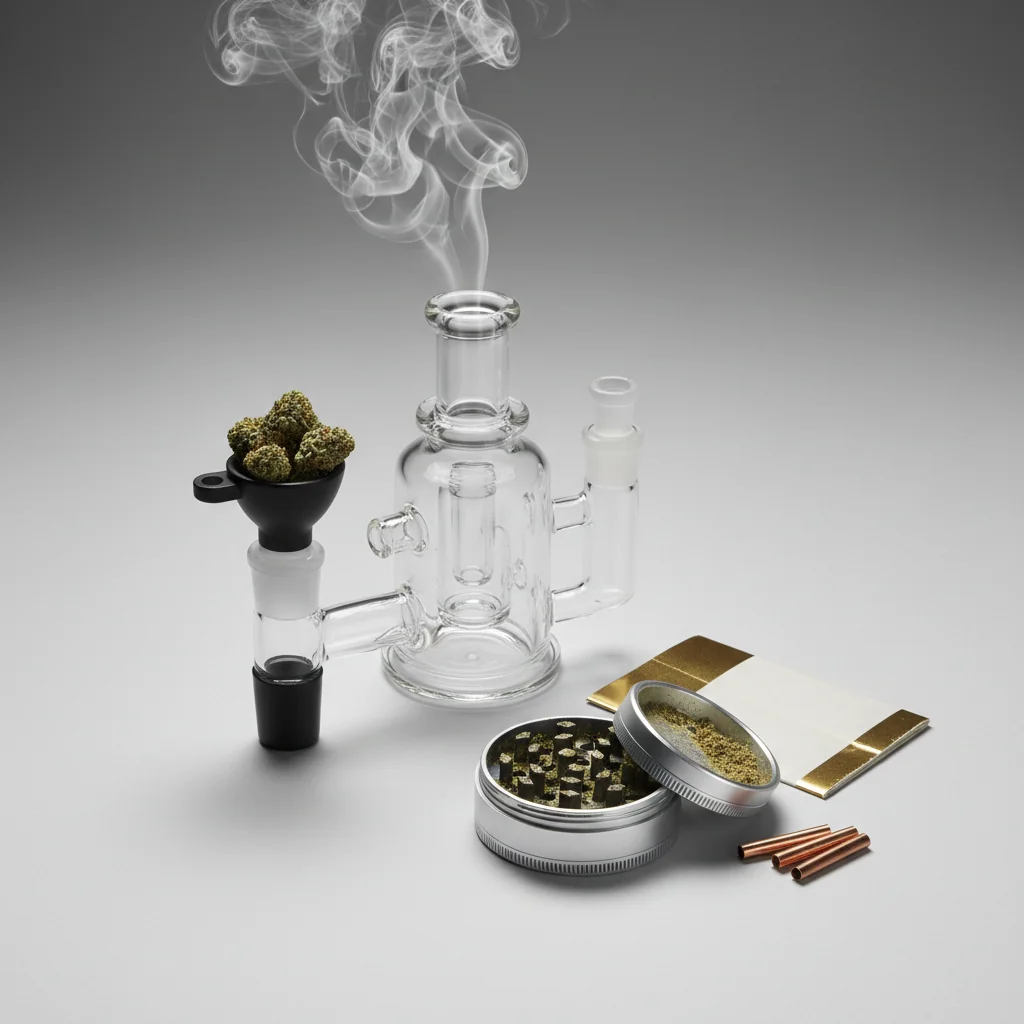
ตัวดักจับขี้เถ้าเป็นสิ่งที่แนบมากับบ้องที่ดักจับเศษซากก่อนที่จะเข้าสู่ห้องน้ำหลักของคุณ พวกเขาช่วยให้บ้องของคุณสะอาดขึ้นอย่างมากโดยมีข้อเสียน้อยที่สุด โดยใช้คุณภาพเครื่องบดแบบกำหนดเองช่วยผลิตขี้เถ้า คู่มือนี้อธิบายวิธีการทำงานของตัวจับขี้เถ้า มีประเภทต่างๆ ให้เลือก และควรเพิ่มในการตั้งค่าของคุณหรือไม่
คำตอบอย่างรวดเร็ว
ตัวจับขี้เถ้าจะติดอยู่กับข้อต่อของบ้องและจับเถ้า เรซิน และเศษขยะก่อนที่จะถึงบ้องของคุณผลลัพธ์: คุณทำความสะอาดตัวจับขี้เถ้าบ่อยๆ (ง่าย) แทนที่จะล้างบ้องทั้งหมด (ยากขึ้น) ผู้ใช้รายงานว่าทำความสะอาดบ้องน้อยลง 3-4 เท่า มีให้เลือกทั้งแบบแห้งและเปียกพร้อมมุมข้อต่อต่างๆ
ตัวดักจับขี้เถ้าทำงานอย่างไร
ตัวดักจับขี้เถ้าจะอยู่ระหว่างชามและข้อต่อบ้อง ทำให้เกิดห้องกรองเพิ่มเติม
เส้นทางควัน:
1. ชาม (ติดกับตัวจับขี้เถ้า)
2 . Ash Catcher Chamber (เศษซาก/ตัวกรองที่นี่)
3. Downstem (ควันสะอาดเข้าสู่บ้อง)
4. บ้องน้ำห้อง
5. ปอดของคุณ
สิ่งที่ถูกจับ:
- อนุภาคขี้เถ้า
- เศษซากพืช
- เรซินสะสม
- อนุภาคขนาดเล็ก
สิ่งที่ผ่าน:
- ควัน
- ไอ
- terpenes ส่วนใหญ่
ประเภทของนักจับขี้เถ้า
ที่จับเถ้าแห้ง
ไม่มีน้ำ มีแต่ห้องเปล่า
ข้อดี:
- ลากเพิ่มน้อยที่สุด
- ไม่มีอะไรจะหก
- รักษาง่ายที่สุด
- ไม่เอาไหน
- ตัวเลือกที่ถูกที่สุด
ข้อเสีย:
- การกรองน้อยกว่าเปียก
- ควันไม่เย็น
- แค่จับเศษซาก
ดีที่สุดสำหรับ: ผู้ใช้ที่ต้องการความสะอาดโดยไม่ต้องเปลี่ยน HIT
ตัวจับเถ้าเปียก (พื้นฐาน)
มีน้ำเหมือนบ้องขนาดเล็ก
ข้อดี:
- การกรองเพิ่มเติม
- ควันเย็น
- จับเศษซากเพิ่มเติม
- ดีกว่าแห้ง
ข้อเสีย:
- เพิ่มการลาก
- น้ำหกได้ถ้าเอียง
- หนัก
- ความต้องการน้ำเปลี่ยน
ดีที่สุดสำหรับ: ผู้ใช้ส่วนใหญ่แสวงหาความสะอาด + ความเรียบเนียน
เครื่องดักเถ้า
ตัวดักจับขี้เถ้าแบบเปียกพร้อมเครื่องต้มน้ำในตัว
ข้อดี:
- การกรองสูงสุด
- ฮิตเนียนมาก
- การทำความเย็นที่สำคัญ
- เหมาะสำหรับดอกไม้ที่รุนแรง
ข้อเสีย:
- เพิ่มการลากส่วนใหญ่
- ตัวเลือกที่หนักที่สุด
- ทำความสะอาดยากขึ้น
- แพงที่สุด
- เกินความสามารถสำหรับการตั้งค่าบางอย่าง
ดีที่สุดสำหรับ: ผู้ที่ชื่นชอบความราบรื่นผู้ใช้งานที่มีบ้องง่าย ๆ ต้องการการกรองมากขึ้น
ขนาดและมุมร่วม
การได้พอดีเป็นสิ่งสำคัญ - ขนาดหรือมุมที่ไม่ถูกต้องทำให้เกิดปัญหา
ขนาดข้อต่อ
จับคู่ขนาดข้อต่อของบ้องของคุณ:
- บ้อง 14 มม.= ตัวจับเถ้า 14 มม.
- บ้อง 18 มม.= ตัวจับเถ้า 18 มม.
หากไม่ตรงกัน ให้ใช้อะแดปเตอร์ (เพิ่มความสูงที่น่าอึดอัดใจ)
มุมร่วม
นี่คือที่ที่ผู้ซื้อจำนวนมากทำผิดพลาด
มุม 45 องศา: ส่วนใหญ่สำหรับบ้องบีกเกอร์ ชามนั่งในมุมที่เห็นได้ชัดเจน
มุม 90 องศา: ทั่วไปสำหรับบ้องหลอดตรง ชามนั่งเกือบตั้งตรง
ใช้ผิดมุม:
- ทำให้เกิดความเครียดที่ข้อต่อแก้ว
- ตัวดักจับขี้เถ้าอาจนั่งไม่ถูก
- เสี่ยงต่อการแตกหัก
- หน้าตูม
วิธีตรวจสอบมุมของคุณ: ดูชามปัจจุบันของคุณเมื่อนั่ง เป็นการตกปลากลับ (45°) หรือเกือบตรง (90°)?
ตัวดักจับเถ้าใช้งานได้จริงหรือ?
คำตอบสั้น ๆ: ใช่อย่างแน่นอน
รายงานผู้ใช้แสดงอย่างสม่ำเสมอ:
- น้ำบ้องคงความสะอาดนานขึ้น 3-4 เท่า
- สะสมเรซินน้อยในห้องบ้อง
- downstem ยังคงสะอาดขึ้น
- เครื่องต้มยนต์ไม่อุดตันเร็ว
- ความแตกต่างทางสายตาที่สำคัญหลังเซสชัน
การแลกเปลี่ยน: คุณทำความสะอาดที่จับขี้เถ้าบ่อยขึ้น แต่ทำความสะอาดง่ายกว่าบ้องเต็มมาก
การประกอบ
ขั้นตอนที่ 1: ตรวจสอบความเข้ากันได้
ตรวจสอบขนาดข้อต่อและการจับคู่มุม ถ้าผิดให้กลับก่อนใช้
ขั้นตอนที่ 2: เติมน้ำ (ถ้าเปียก)
เติมตัวจับขี้เถ้าจนด้านล่างของก้านล่างถูกปกคลุมประมาณครึ่งนิ้ว อย่าเติมจนล้น - มันจะกระเด็นใส่บ้อง
ขั้นตอนที่ 3: แนบกับบ้อง
ใส่ตัวจับขี้เถ้าลงในข้อต่อของบ้องของคุณ ควรนั่งให้แน่นโดยไม่ต้องบังคับ
ขั้นตอนที่ 4: แนบชาม
ใส่ชามของคุณลงในข้อต่อของ Ash Catcher ตอนนี้คุณมี: ชาม → จับขี้เถ้า → บ้อง.
ขั้นตอนที่ 5: ทดสอบก่อนเต็มเซสชั่น
ดึงแห้ง (ไม่มีไฟ) เพื่อตรวจสอบ:
- มีการลากมากเกินไปหรือไม่?
- น้ำกระเด็นได้ทุกที่หรือไม่?
- ทุกอย่างมีเสถียรภาพหรือไม่?
ความกังวลเรื่องน้ำหนักและความมั่นคง
ตัวดักจับ Ash เพิ่มน้ำหนักและเปลี่ยนจุดสมดุลของบ้องของคุณ
ปัญหาที่อาจเกิดขึ้น:
ความเสี่ยงจากทิป: จับขี้เถ้าหนักบนบ้องน้ำหนักเบาสามารถทำให้หนักหน้าได้
ความเครียดร่วม: น้ำหนักห้อยลงข้อต่ออาจทำให้สึกหรอหรือแตกเมื่อเวลาผ่านไป
การจัดการการเปลี่ยนแปลง: ต้องระวังให้มากขึ้นในการหยิบบ้อง
วิธีแก้ปัญหา:
- ใช้ตัวจับเถ้าขนาดที่เหมาะสมสำหรับบ้องของคุณ
- พิจารณาตัวจับเถ้าแห้ง (เบากว่า)
- อย่าใช้กับแก้วบาง/เปราะบาง
- จับบ้องจากฐานไม่คอ
ทำความสะอาดขี้เถ้า
ความถี่: บ่อยกว่าบ้องของคุณ - นั่นคือประเด็น ทำความสะอาดเมื่อเห็นเศษซากสะสม
ทำความสะอาดอย่างรวดเร็ว (หลังจากแต่ละเซสชั่น):
1. น้ำเปล่า (ถ้าเปียก)
2 . แตะเอาเถ้าหลวม
3. ล้างออกด้วยน้ำอุ่นอย่างรวดเร็ว
4. เสร็จแล้ว
ทำความสะอาดลึก (รายสัปดาห์หรือตามความจำเป็น):
1. ว่างเปล่าและถอดประกอบถ้าเป็นไปได้
2 . เติมไอโซโพรพิลแอลกอฮอล์และเกลือหยาบ
3. เขย่าถุงที่ปิดสนิท
4. ใช้น้ำยาทำความสะอาดท่อสำหรับจุดแข็ง
5. ล้างออกให้สะอาด
6. แห้งก่อนใช้
ง่ายกว่าการทำความสะอาดบ้องเต็มๆ- นี่คือประโยชน์หลัก
ข้อพิจารณาเกี่ยวกับการไหลของอากาศ
ตัวดักจับขี้เถ้าทั้งหมดเพิ่มการลาก ขึ้นอยู่กับประเภท:
ลากน้อยที่สุด: ที่จับเถ้าแห้ง
ลากปานกลาง: ที่จับเถ้าเปียกขั้นพื้นฐาน
ลากที่สังเกตได้: ตัวจับขี้เถ้า
ถ้าลากมากเกินไป:
- เปลี่ยนเป็นตัวจับเถ้าแห้ง
- ใช้ตัวจับเถ้าที่มีช่องเปิดขนาดใหญ่ขึ้น
- ยอมรับเป็นการแลกเปลี่ยนเพื่อความสะอาด
- ลบตัวจับขี้เถ้าสำหรับเซสชันที่คุณต้องการการไหลเวียนของอากาศฟรี
ตัวดักจับขี้เถ้าคุ้มค่าหรือไม่?
คุ้มค่าแน่นอนถ้า:
- คุณเกลียดการทำความสะอาดบ้องของคุณ
- บ้องของคุณมีเครื่องต้มน้ำที่ซับซ้อนที่อุดตันได้ง่าย
- คุณแชร์บ้องของคุณ (จะสกปรกเร็วขึ้น)
- คุณต้องการการตีที่นุ่มนวลและความสะอาด
- คุณสูบบุหรี่บ่อย
อาจจะไม่คุ้มถ้า:
- คุณทำความสะอาดบ้องแล้วหลังจากทุกเซสชั่น
- บ้องของคุณไม่มีเครื่องต้มน้ำ (ทำความสะอาดง่ายอยู่แล้ว)
- คุณอ่อนไหวมากที่จะเพิ่มการลาก
- งบประมาณแน่นมาก
- บ้องของคุณมีขนาดเล็ก/น้ำหนักเบา (ปัญหาด้านเสถียรภาพ)
ความเป็นจริงของราคา:
- ตัวจับขี้เถ้าแห้งขั้นพื้นฐาน: $15-30
- ตัวดักแอชเปียกแบบพื้นฐาน: $25-45
- เครื่องดักจับขี้เถ้า: $40-80+
ด้วยวิธีการที่พวกเขาทำการบำรุงรักษาบ้องได้ง่ายขึ้น ผู้ใช้ทั่วไปส่วนใหญ่พบว่าพวกเขาคุ้มค่ากับการลงทุน
ข้อผิดพลาดทั่วไป
ซื้อผิดมุม: ข้อผิดพลาดที่พบบ่อยที่สุด ตรวจสอบอีกครั้งก่อนซื้อ
เติมน้ำ: นำไปสู่สาดกลับเข้าไปในบ้อง น้ำน้อยจะดีกว่า
ไม่เคยทำความสะอาด: เอาชนะจุดประสงค์ ตัวดักจับขี้เถ้าที่เต็มไปด้วยเศษซากจะหยุดการกรองอย่างมีประสิทธิภาพ
ใช้บ้องเปราะบาง: ความเครียดจากน้ำหนักสามารถแตกข้อต่อบาง ๆ
ละเลยความมั่นคง: จับเถ้าหนักบนบ้องเบา = อุบัติเหตุ
ทางเลือกสำหรับนักจับขี้เถ้า
หน้าจอในชาม: หน้าจอโลหะหรือกระจกราคาถูกป้องกันเศษขยะ มีประสิทธิภาพน้อยกว่าที่จับเถ้า แต่ง่ายกว่า
เปลี่ยนน้ำบ่อย: เปลี่ยนน้ำทุกเซสชั่นช่วยให้บ้องสะอาดขึ้น
ตารางการทำความสะอาดปกติ: ทำความสะอาดลึกทุกสัปดาห์โดยไม่คำนึงถึงระดับเศษซาก
พรี-คูลเลอร์ในตัว: บ้องบางตัวได้รวมห้องจับเถ้า
ไม่มีสิ่งใดมีประสิทธิภาพเท่ากับเครื่องดักจับขี้เถ้าโดยเฉพาะ แต่ช่วยได้
คำตัดสินสุดท้าย
Ash Catchers ทำในสิ่งที่พวกเขาสัญญาไว้ - รักษาความสะอาดบ้องของคุณโดยจับเศษซากก่อนที่จะเข้าสู่ห้องหลัก การแลกเปลี่ยนการทำความสะอาด (Ash Catcher บ่อยครั้ง บ้องไม่ค่อย) เป็นที่ชื่นชอบสำหรับผู้ใช้ส่วนใหญ่
จับคู่ขนาดและมุมของข้อต่อของคุณ พิจารณาความไวในการลาก และเลือกแบบแห้งและแบบเปียกตามการตั้งค่าการกรองของคุณ สำหรับผู้ใช้บ้องทั่วไปส่วนใหญ่ เครื่องดักเถ้าเป็นการลงทุนที่ชาญฉลาดซึ่งจ่ายเองโดยใช้เวลาทำความสะอาดที่ลดลง
คู่มือนี้มีไว้เพื่อการศึกษา กฎหมายกัญชาแตกต่างกันไปตามเขตอำนาจศาล
Frequently Asked Questions
ใช่อย่างมีนัยสำคัญ ดักจับเศษซากก่อนเข้าสู่ห้องหลักของบ้องของคุณ ผู้ใช้รายงานว่าทำความสะอาดบ้องของพวกเขาน้อยลง 3-4x ตัวดักจับขี้เถ้านั้นต้องการการทำความสะอาดเป็นประจำ แต่ทำความสะอาดได้ง่ายกว่าบ้องเต็มมาก
Related Guides
Ash Catcher Guide: Keep Your Bong Clean Longer
Complete guide to ash catchers for bongs: what they do, types including dry and percolator ash catchers, joint sizes and angles, how to use and clean them, and how to choose the right one.
Beaker vs Straight Tube Bongs: Which Style is Better?
Comprehensive guide about beaker vs straight tube bongs: which style is better?. Learn everything you need to know with expert tips and detailed instructions.
Best Bong Size for Beginners: Height and Volume Guide
Comprehensive guide about best bong size for beginners: height and volume guide. Learn everything you need to know with expert tips and detailed instructions.