

510 เธรดแบตเตอรี่: คู่มือฉบับสมบูรณ์สำหรับแบตเตอรี่ปากกา vape

David Martinez
Concentrate Expert
510 เธรดแบตเตอรี่: คู่มือฉบับสมบูรณ์สำหรับแบตเตอรี่ปากกา vape
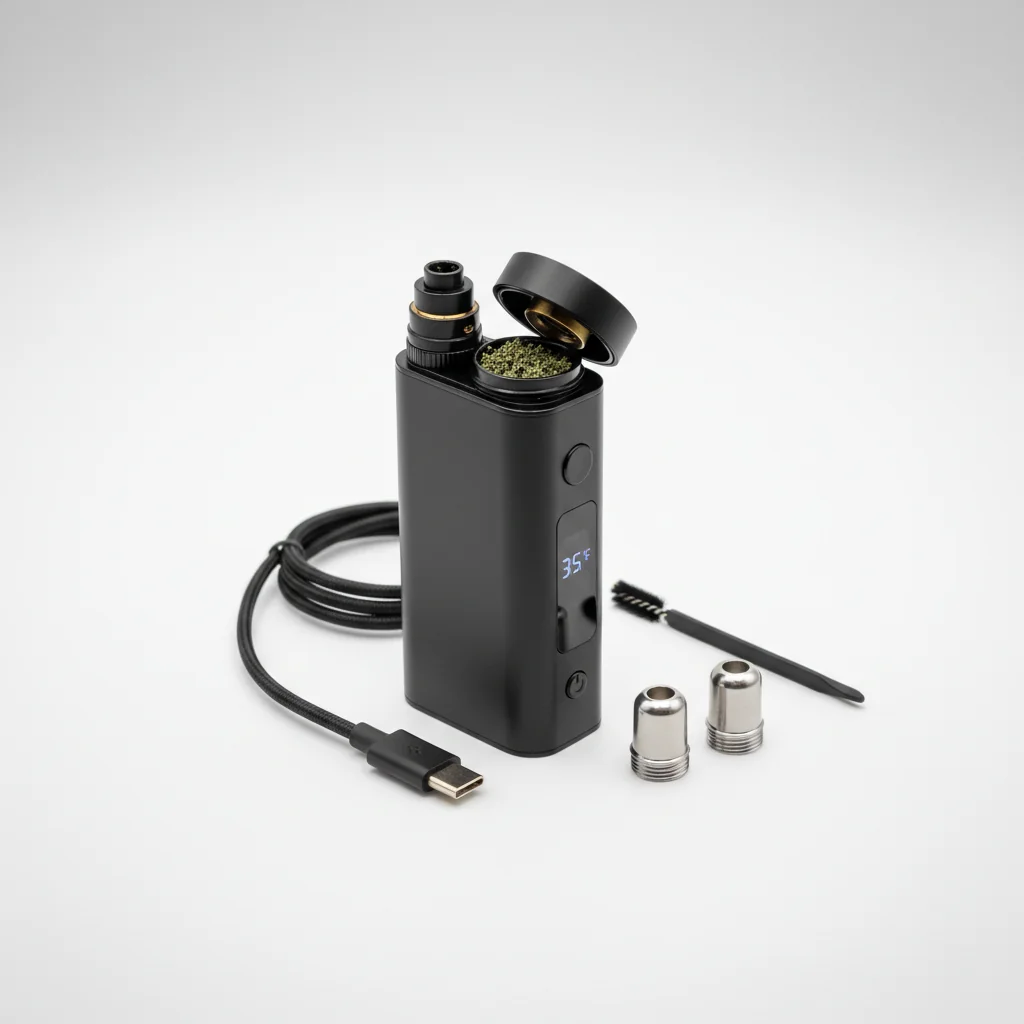
แบตเตอรี่เกลียว 510 เป็นมาตรฐานสากลสำหรับตลับ vape การทำความเข้าใจแบตเตอรี่จะช่วยให้คุณได้รสชาติที่ดีขึ้น อายุการใช้งานของตลับหมึกที่ยาวนานขึ้น และประสบการณ์ที่สนุกสนานยิ่งขึ้น คู่มือนี้ครอบคลุมทุกอย่างตั้งแต่การตั้งค่าแรงดันไฟฟ้าไปจนถึงประเภทแบตเตอรี่เพื่อช่วยให้คุณเลือกแบบที่เหมาะสม
คำตอบอย่างรวดเร็ว
510 ด้ายเป็นมาตรฐานการเชื่อมต่อสากลสำหรับตลับหมึกและแบตเตอรี่ vape เพื่อผลลัพธ์ที่ดีที่สุด ให้ใช้แบตเตอรี่ที่มีแรงดันผันแปร (ช่วง 2.4-4.0V) เริ่มต้นที่แรงดันต่ำ (2.4-2.8V) เพื่อรสชาติและอายุการใช้งานของตลับหมึก และเลือกปุ่มที่เปิดใช้งานสำหรับการควบคุมหรือสั่งงานเพื่อความเรียบง่ายแบตเตอรี่คุณภาพ 510สร้างความแตกต่างอย่างมีนัยสำคัญในประสบการณ์การสูบไอของคุณ
แบตเตอรี่เกลียว 510 คืออะไร?
"510" หมายถึงการเชื่อมต่อเกลียวระหว่างแบตเตอรี่และตลับหมึก:
- 5mmเส้นผ่านศูนย์กลางของด้าย
- 10เธรดบนตัวเชื่อมต่อ
สิ่งนี้กลายเป็นมาตรฐานอุตสาหกรรมเมื่อหลายปีก่อน ซึ่งหมายความว่าตลับหมึกและแบตเตอรี่เกือบทั้งหมดเข้ากันได้
สำหรับข้อมูลเทคโนโลยีแบตเตอรี่แบตเตอรี่พลัสจัดหาทรัพยากรการศึกษาแบตเตอรี่
ทำไมมันถึงสำคัญ:คุณสามารถซื้อตลับหมึกจากแบรนด์ใดก็ได้และจะใส่แบตเตอรี่ของคุณได้ ความเข้ากันได้สากลหมายถึงเสรีภาพในการเลือก
ประเภทแบตเตอรี่อธิบาย
แบตเตอรี่ปากกาแบบบาง
สิ่งที่พวกเขา:แบตเตอรี่รูปปากกาบางๆ ที่ดูเหมือนปากกาหรือสไตลัส
ข้อดี:
- สุขุมมาก
- ที่ใส่ไว้ในกระเป๋า
- ราคาไม่แพง ($ 10-25)
- การทำงานที่เรียบง่าย
ข้อเสีย:
- ความจุแบตเตอรี่ที่เล็กลง (250-400mAh)
- คุณสมบัติที่จำกัด
- อาจไม่พอดีกับตลับกว้าง
ดีที่สุดสำหรับ:การใช้ชิงทรัพย์, vapers เป็นครั้งคราว, ผู้เริ่มต้น
แบตเตอรี่ปาล์ม/ปุ่ม
สิ่งที่พวกเขา:แบตเตอรี่ขนาดกะทัดรัดขนาดเท่าฝ่ามือพร้อมช่องตลับหมึกปกปิด
ข้อดี:
- ตลับหมึกซ่อนอยู่ภายในร่างกาย
- ความจุที่มากขึ้น (400-650mAh)
- คุณสมบัติเพิ่มเติม (แรงดันไฟฟ้าตัวแปร)
- การออกแบบที่ทนต่อการตกหล่น
ข้อเสีย:
- กระเป๋าน้อยกว่าปากกา
- ขนาดตลับหมึกจำกัดโดยขนาดหลุม
- แพงกว่า (20-40 เหรียญ)
ดีที่สุดสำหรับ:ผู้ใช้รายวัน ลำดับความสำคัญของดุลยพินิจ vapers ที่เน้นคุณภาพ
สไตล์กล่อง
สิ่งที่พวกเขา:แบตเตอรี่สี่เหลี่ยมขนาดใหญ่พร้อมหน้าจอและการตั้งค่าที่กว้างขวาง
ข้อดี:
- ความจุสูงสุด (1000mAh +)
- การควบคุมแรงดันไฟฟ้า / กำลังวัตต์ที่แม่นยำ
- อายุการใช้งานแบตเตอรี่ที่ยาวนาน
- จอแสดงผลดิจิตอล
ข้อเสีย:
- ไม่สุขุม
- Overkill สำหรับตลับหมึก
- หนักกว่าและเทอะทะ
- ราคาแพง ($30-80)
ดีที่สุดสำหรับ:ผู้ใช้หนัก ใช้ในบ้าน ผู้ที่ชื่นชอบเทคโนโลยี
การตั้งค่าแรงดันไฟฟ้า: คุณสมบัติที่สำคัญที่สุด
แรงดันไฟฟ้ากำหนดปริมาณความร้อนที่ส่งถึงตลับหมึกของคุณ สิ่งนี้ส่งผลต่อรสชาติ การผลิตไอ และอายุการใช้งานของตลับหมึก
แรงดันต่ำ: 2.4-2.8V
ผลกระทบ:
- การแสดงออกของรสชาติ/เทอร์พีนที่ดีที่สุด
- การผลิตไอที่เบาที่สุด
- อ่อนโยนที่สุดบนตลับหมึก (อายุการใช้งานยาวนานที่สุด)
- เอฟเฟคที่เฉียบคม
ดีที่สุดสำหรับ:ไล่กลิ่นรส ตลับเรซิ่นสด ผู้ใช้ใหม่
แรงดันไฟกลาง: 2.8-3.3V
ผลกระทบ:
- รสชาติและไอระเหยที่สมดุล
- การผลิตไอน้ำที่ดี
- ประสิทธิภาพตลับหมึกมาตรฐาน
- ผลกระทบปานกลาง
ดีที่สุดสำหรับ:ผู้ใช้ส่วนใหญ่ ตลับหมึก ส่วนใหญ่ใช้ในชีวิตประจำวัน
แรงดันสูง: 3.3-3.7V +
ผลกระทบ:
- การผลิตไอสูงสุด
- รสชาติลดลง (รสชาติที่ไหม้มากขึ้น)
- รุนแรงกับตลับหมึก (สั้นลง)
- ผลกระทบที่แข็งแกร่งที่สุดต่อการตี
ดีที่สุดสำหรับ:กลั่นหนาผู้ใช้งานที่จัดลำดับความสำคัญของเมฆ ความอดทนสูง
คำแนะนำของเรา
เริ่มต้นที่แรงดันไฟฟ้าต่ำสุดและเพิ่มขึ้นเมื่อจำเป็นเท่านั้นแรงดันไฟต่ำ:
- รักษา terpenes
- ยืดอายุตลับหมึก
- ให้การตีที่นุ่มนวลขึ้น
- ใช้พลังงานแบตเตอรี่อย่างมีประสิทธิภาพ
ปุ่มเปิดใช้งาน VS วาด
ปุ่มเปิดใช้งาน (กดเพื่อยิง)
มันทำงานอย่างไร:กดปุ่มในขณะที่หายใจเข้าเพื่อให้ตลับหมึกร้อน
ข้อดี:
- ควบคุมความยาวการตีได้มากขึ้น
- สามารถอุ่นตลับหมึก
- ยิงโดยไม่ได้ตั้งใจน้อยลง
- มักจะมีการควบคุมแรงดันไฟฟ้า
ข้อเสีย:
- ต้องอาศัยการประสานงาน
- ปุ่มอาจล้มเหลวเมื่อเวลาผ่านไป
- ไม่เป็นไปตามสัญชาตญาณ
ดีที่สุดสำหรับ:ผู้ใช้ที่มีประสบการณ์ ผู้ที่ต้องการควบคุม
วาดเปิดใช้งาน (วาดอัตโนมัติ)
มันทำงานอย่างไร:เพียงแค่หายใจเข้าและแบตเตอรี่จะทำงานโดยอัตโนมัติ
ข้อดี:
- สัญชาตญาณที่สุด
- ไม่มีปุ่มให้ฟุ่มเฟือย
- รู้สึกเป็นธรรมชาติ
- มักจะมีการออกแบบที่บางกว่า
ข้อเสีย:
- ควบคุมความร้อนน้อยลง
- อาจยิงโดยบังเอิญ (กระเป๋าผ้าสำลี)
- โดยทั่วไปแล้วคุณสมบัติน้อยลง
ดีที่สุดสำหรับ:ผู้เริ่มต้น, ค้นหาความเรียบง่าย, การใช้อย่างรอบคอบ
คุณสมบัติที่ต้องมองหา
คุณสมบัติที่ต้องมี
1. แรงดันตัวแปร: ปรับความร้อน (อย่างน้อย 3 การตั้งค่า)
2. ฟังก์ชั่นอุ่นเครื่อง: อุ่นน้ำมันหนาก่อนวาด
3. ชาร์จ USB: มาตรฐานการชาร์จสากล (ต้องการ USB-C)
4. การชาร์จแบบพาส-ทรู: ใช้ขณะชาร์จ
คุณสมบัติที่ดี
1. แสดงแรงดันไฟฟ้า/ตัวบ่งชี้: รู้การตั้งค่าที่แน่นอนของคุณ
2. ตัวบ่งชี้ระดับแบตเตอรี่: รู้ว่าเมื่อใดควรชาร์จ
3. การเชื่อมต่อแม่เหล็ก: ตลับหมึกพิมพ์ง่าย
4. อะแดปเตอร์ 510: เหมาะกับตลับหมึกที่แตกต่างกัน
5. ปิดอัตโนมัติ: ป้องกันความร้อนสูงเกินไป
เป็นเวลาแบตเตอรี่ 510 แบบกำหนดเอง
ร้านขายยาและแบรนด์ที่กำลังมองหาขายส่งขนบ [ ปากกา vape](https://munchmakers.com/product-category/custom-vape-pen/) ควรพิจารณา:
- ตัวเลือกการสร้างแบรนด์
- การควบคุมคุณภาพที่สม่ำเสมอ
- รวมแรงดันไฟฟ้าตัวแปร
- บรรจุภัณฑ์แบบมืออาชีพ
- ราคาจำนวนมาก
วิธีใช้ของคุณ510 แบตเตอรี่
การทำงานขั้นพื้นฐาน
1. ชาร์จเต็มก่อนใช้ครั้งแรก
2. แนบตลับหมึกโดยการขันเบาๆ (อย่าขันให้แน่น!)
3. เปิดสวิตช์: โดยปกติ 5 คลิกอย่างรวดเร็ว
4. ตั้งค่าแรงดันไฟฟ้า: เริ่มต่ำ
5. สูด: ปุ่มหรือวาดขึ้นอยู่กับแบตเตอรี่
6. ปิดสวิตช์: 5 คลิกอย่างรวดเร็ว (ป้องกันการยิงในกระเป๋า)
การตั้งค่าที่เหมาะสมที่สุดตามประเภทตลับหมึก
ปัญหาแบตเตอรี่ทั่วไปและการแก้ไข
ปัญหา: ตลับหมึกไม่ทำงาน
สาเหตุและการแก้ไขที่เป็นไปได้:
1. การเชื่อมต่อไม่ดี: คลายเกลียวตลับหมึกเล็กน้อย (1/4 รอบ)
2. แบตเตอรี่หมด: ชาร์จมัน
3. ติดต่อปิดภาคเรียน: ค่อยๆ แงะขาตรงกลางของตลับหมึก
4. แบตเตอรี่ที่ถูกล็อค: คลิกปุ่ม 5 ครั้งเพื่อปลดล็อค
5. ตลับหมึกอุดตัน: ไม่มีปัญหาแบตเตอรี่—อบอุ่นและล้างการอุดตัน
ปัญหา: อ่อนแอ/ไม่มีไอ
สาเหตุและการแก้ไขที่เป็นไปได้:
1. แรงดันไฟฟ้าต่ำเกินไป: เพิ่มการตั้งค่า
2. น้ำมันหนาเกินไป: ใช้ฟังก์ชั่นอุ่น
3. แบตเตอรี่ต่ำ: ชาร์จมัน
4. ตลับหมึกเกือบหมด: ตรวจสอบระดับน้ำมัน
ปัญหา: รสชาติที่ถูกเผา
สาเหตุและการแก้ไขที่เป็นไปได้:
1. แรงดันสูงเกินไป: ลดทันที
2. สร้อย: ให้ตลับหมึกพักระหว่าง Hit
3. ตลับหมึกเกือบหมด: เปลี่ยนตลับหมึก
4. ขดลวดเสียหาย: ปัญหาตลับไม่ใช่แบตเตอรี่
ปัญหา: แบตเตอรี่หมดอย่างรวดเร็ว
สาเหตุและการแก้ไขที่เป็นไปได้:
1. แรงดันสูงระบายได้เร็วขึ้น: การตั้งค่าที่ต่ำกว่า
2. แบตเตอรี่เก่า: อาจจำเป็นต้องเปลี่ยน
3. อุณหภูมิเย็น: เก็บแบตเตอรี่ให้อุ่น
4. ชาร์จไม่เต็ม: รอบการชาร์จที่สมบูรณ์
เคล็ดลับการดูแลแบตเตอรี่
เพิ่มอายุการใช้งานแบตเตอรี่:
- อย่าระบายออกให้หมดก่อนชาร์จ
- เก็บที่อุณหภูมิห้อง
- รักษาการเชื่อมต่อให้สะอาด (Isopropyl wipe)
- อย่าทิ้งรถร้อน
- ถอดตลับหมึกเมื่อจัดเก็บระยะยาว
- ใช้ที่ชาร์จของผู้ผลิตหรือ USB-C ที่มีคุณภาพ
ความปลอดภัย:
- อย่าใช้แบตเตอรี่ที่เสียหาย
- อย่าเรียกเก็บเงินข้ามคืนโดยไม่มีใครดูแล
- อย่าพกแบตเตอรี่หลวมด้วยวัตถุโลหะ
- หยุดใช้หากแบตเตอรี่ร้อนระหว่างการใช้งาน
การเลือกแบตเตอรี่ที่เหมาะสม
ตัวเลือกงบประมาณ ($ 10-20)
แบตเตอรี่ปากกาแบบง่ายพร้อมปุ่มและอาจตั้งค่าแรงดันไฟฟ้าได้ 3 ตัว ใช้งานได้ดีสำหรับการใช้งานเป็นครั้งคราว
ระดับกลาง ($20-40)
แรงดันไฟฟ้าตัวแปร, ฟังก์ชั่นอุ่น, ความจุที่ดี คุ้มค่าที่สุดสำหรับผู้ใช้ทั่วไป
พรีเมี่ยม ($40-80)
จอแสดงผลดิจิตอล การควบคุมที่แม่นยำ สร้างระดับพรีเมียม อายุการใช้งานยาวนานที่สุด สำหรับผู้ที่ชื่นชอบและผู้ใช้งานหนัก
คำแนะนำของเราสำหรับผู้ใช้ส่วนใหญ่:แบตเตอรี่แรงดันตัวแปรระดับกลางพร้อมฟังก์ชันอุ่นเครื่องให้ความสมดุลที่ดีที่สุดของคุณสมบัติ คุณภาพ และความคุ้มค่า
คู่มือนี้มีไว้เพื่อการศึกษา กฎหมายกัญชาแตกต่างกันไปตามเขตอำนาจศาล ซื้อจากแหล่งที่ได้รับอนุญาต
Frequently Asked Questions
เริ่มต้นที่ 2.4-2.8V เพื่อรสชาติที่ดีที่สุดและเพื่อปกป้องตลับหมึก ตลับหมึกส่วนใหญ่ทำงานได้ดีที่ 2.8-3.3V ใช้แรงดันไฟฟ้าที่สูงขึ้นเท่านั้น (3.3-3.7V) สำหรับการกลั่นแบบหนาที่ต้องการความร้อนมากขึ้น ตลับหมึกพิมพ์แรงสูงจะเร็วขึ้น
Related Guides
Best Vaporizer Temperature Settings: Effects at Each Level
Comprehensive guide about best vaporizer temperature settings: effects at each level. Learn everything you need to know with expert tips and detailed instructions.

Conduction vs Convection Vaporizers: Heating Methods Explained
Understand the difference between conduction and convection heating in vaporizers. Learn how each method affects flavor, vapor quality, efficiency, and which is best for your vaping style.
Convection vs Conduction Vaporizers: Complete Comparison
Comprehensive guide about convection vs conduction vaporizers: complete comparison. Learn everything you need to know with expert tips and detailed instructions.